
Ghee Guides
Notes on ghee, the bilona method and cooking the slow way — from the people who make A2 Gir cow bilona ghee in Delhi. 275 articles so far.
 9 Nov 2026
Bhai Dooj Sweets Ghee: Pick Bilona for Texture
Making Bhai Dooj sweets at home requires clear bilona ghee to prevent soft besan ladoos and grainy halwa from turning greasy or stiff when cold.
Read this → 9 Nov 2026
Is Private Label Ghee Worth It: Suits Established Brands
Private label ghee is worth it for brands with existing audiences, but not for founders wanting direct production control or bottom-dollar unit rates.
Read this →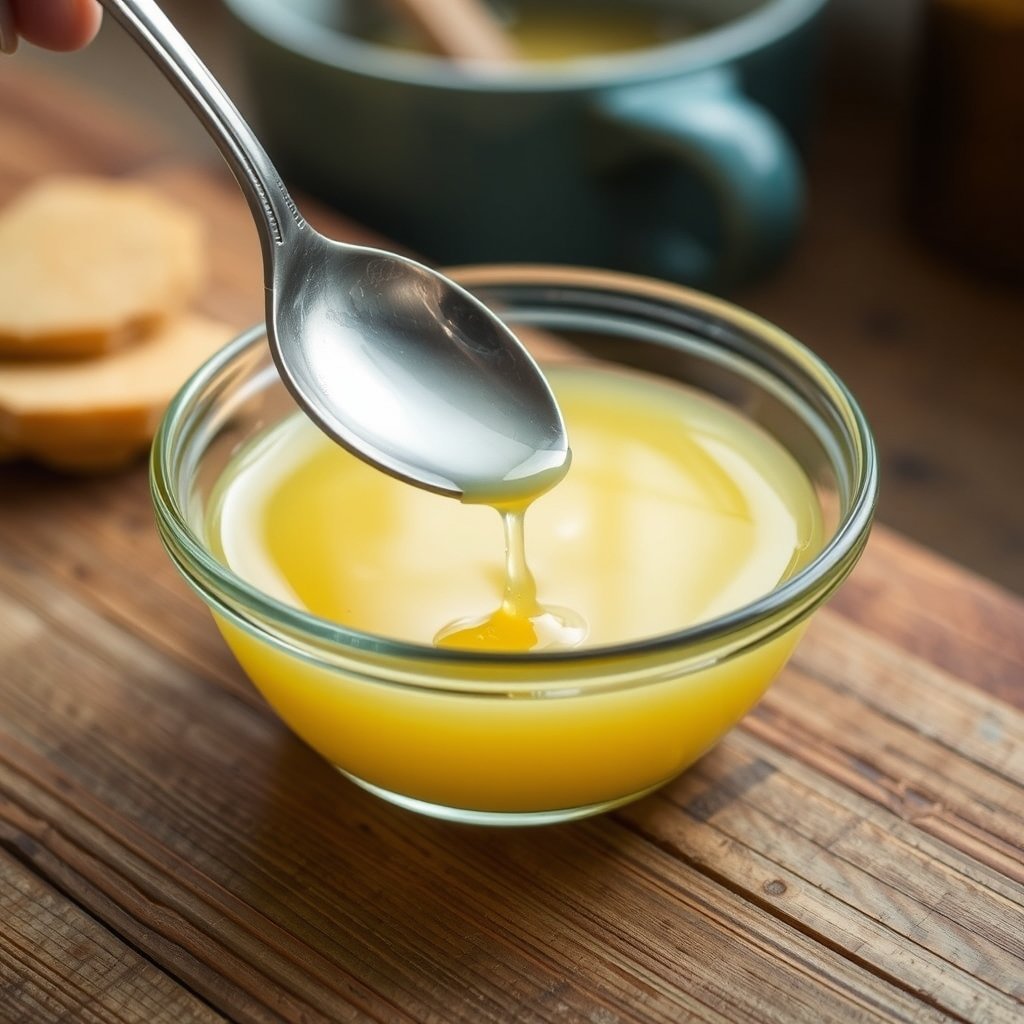 8 Nov 2026
Ghee Two Layers Separated: Temperature Softens Fat
Ghee separates into two layers when temperature swings melt softer fats on top while firmer fats settle below. Stirring or warming recombines it.
Read this →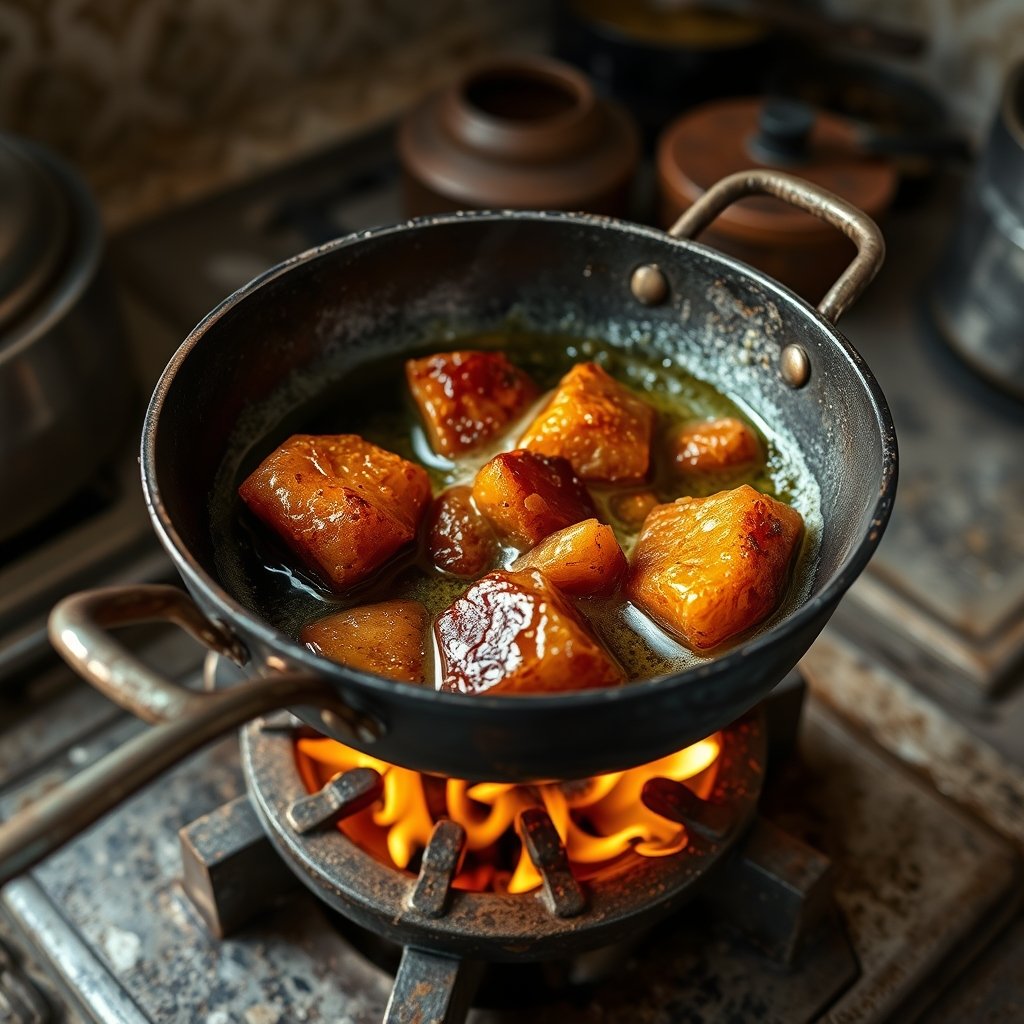 8 Nov 2026
Ghee Near Expiry: Smell It and Cook Heavy Dishes
If your ghee near expiry smells sweet and fresh, use it up in frying, roasting, or halwa; discard it only if it smells sour, sharp, or metallic.
Read this →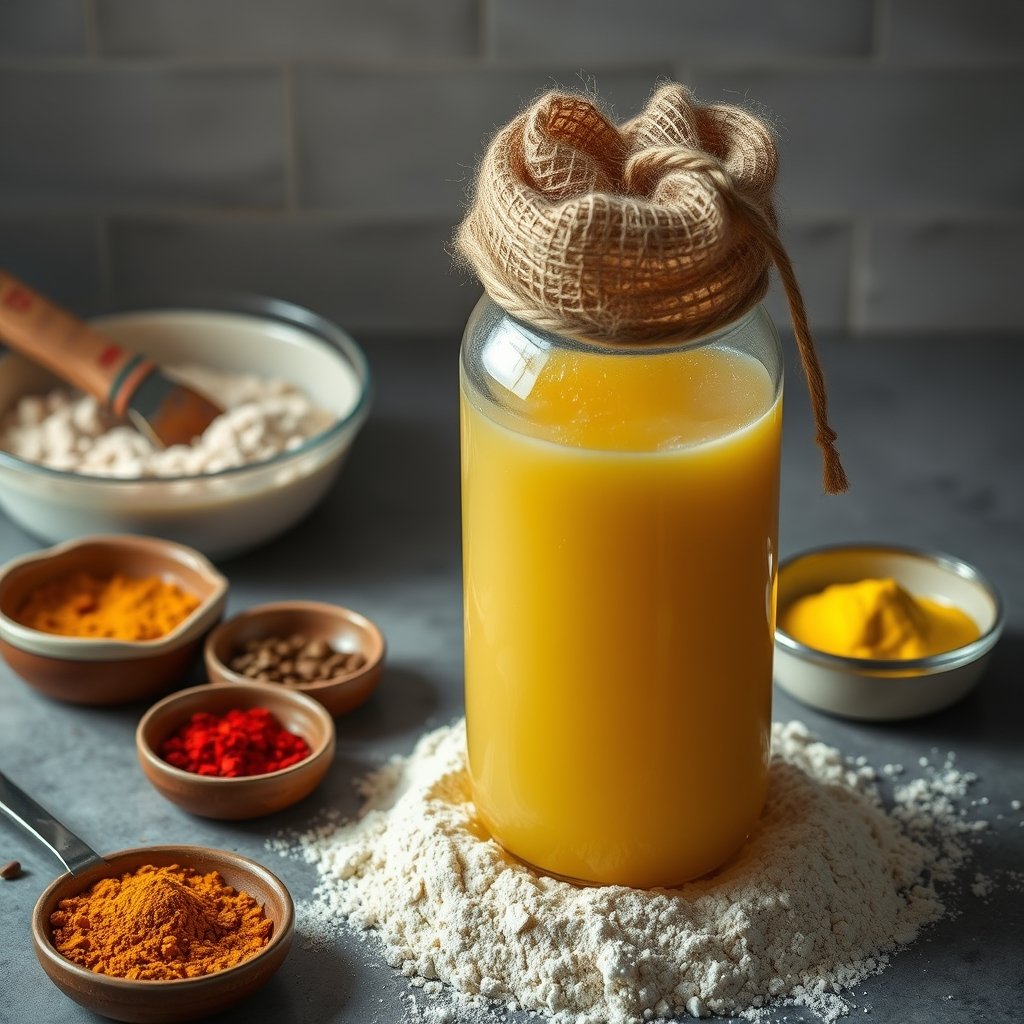 8 Nov 2026
Family Does Not Like Ghee Taste? How to Use It Up
Tone down strong ghee taste by tempering dry spices, cooking robust curries, or blending it into doughs instead of pouring it raw over warm rotis.
Read this →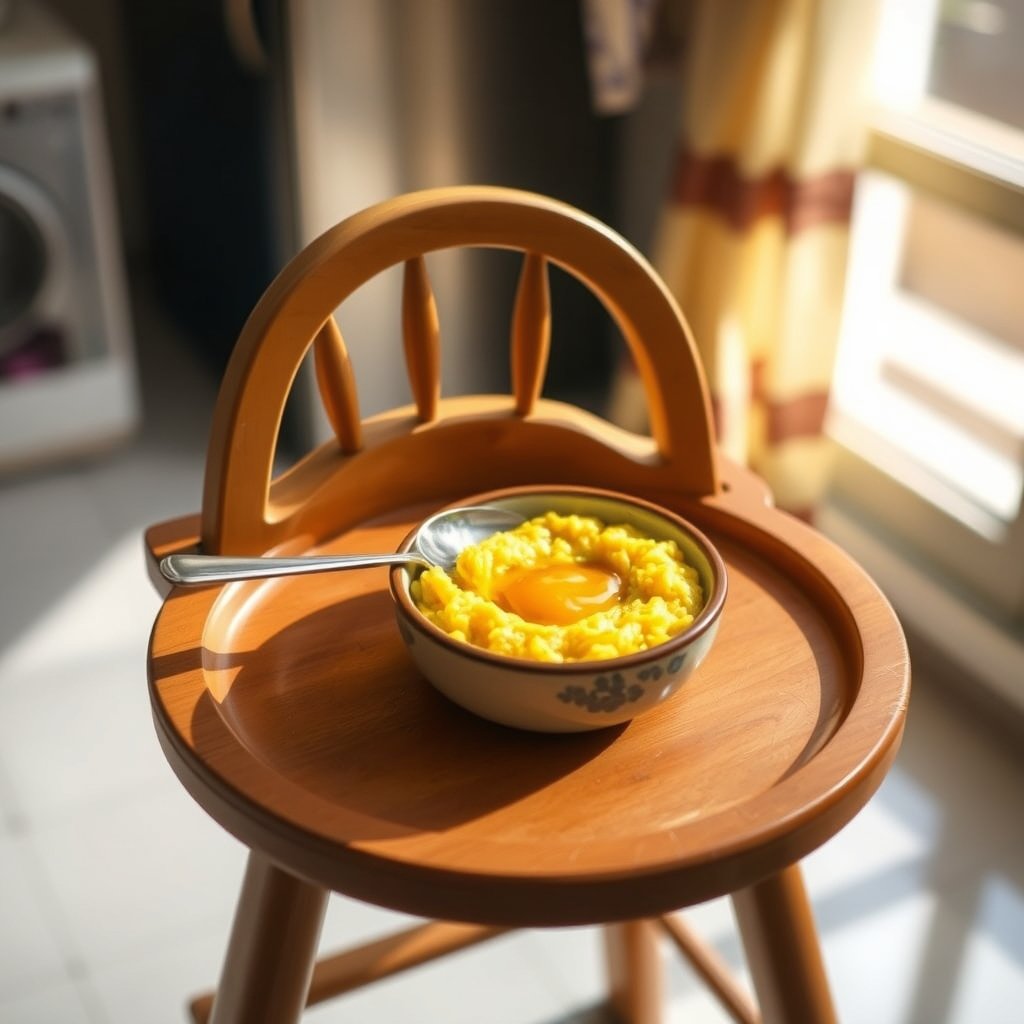 8 Nov 2026
Ghee in Baby First Food: Consult a Paediatrician First
Consult your paediatrician before adding ghee to a baby's first foods to ensure it fits their needs. Focus on sourcing fresh, bilona-method A2 Gir…
Read this →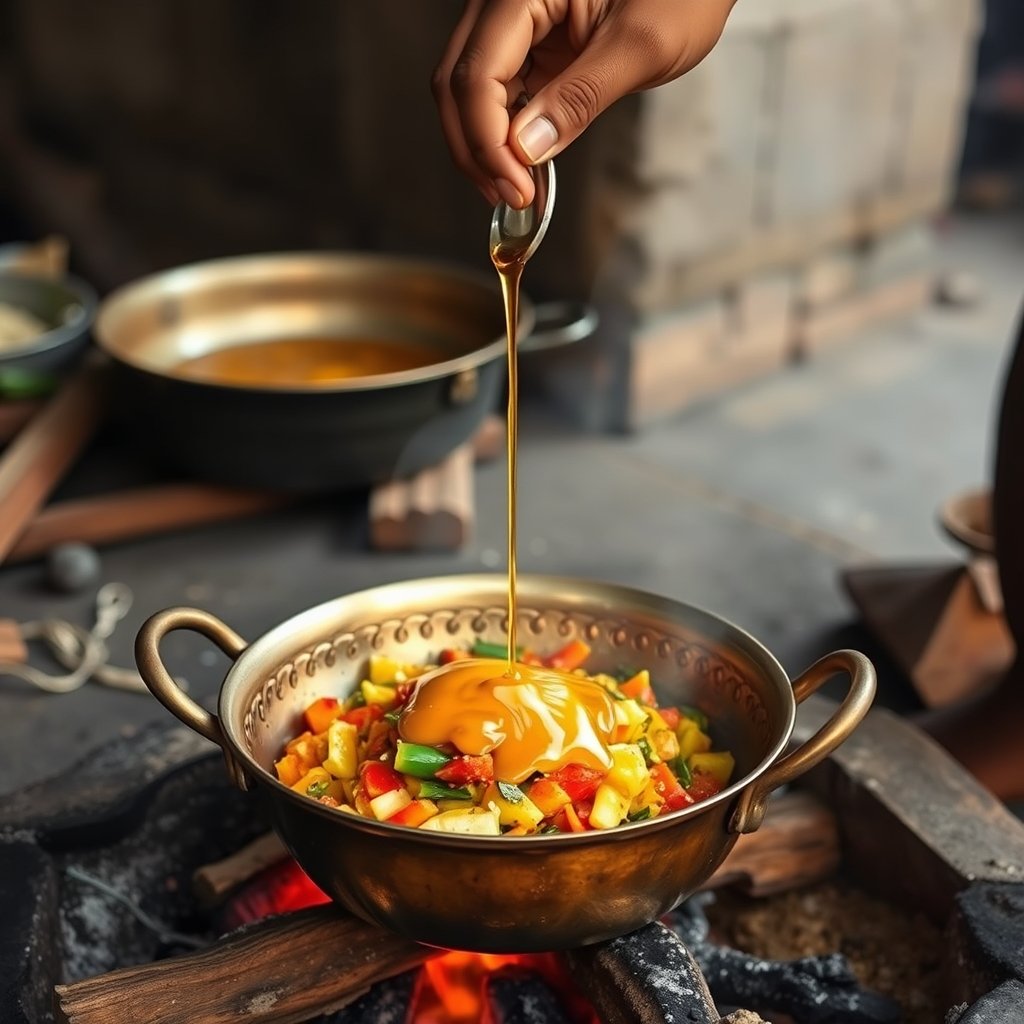 8 Nov 2026
Govardhan Puja Annakut Food: Cooking with Ghee
Annakut cooking on Govardhan Puja relies on ghee to hold rich mixed vegetable sabzis, puris, and sweets fresh and fragrant across large family feasts.
Read this →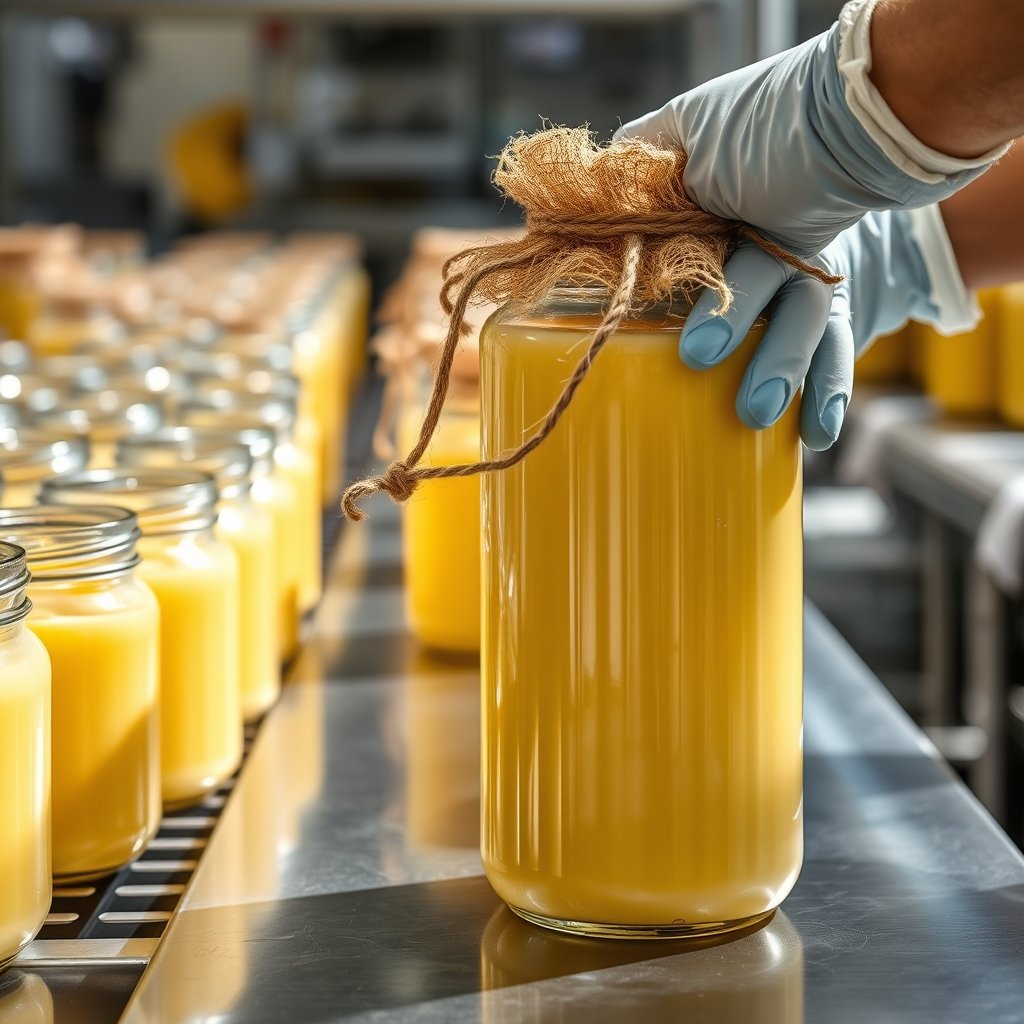 8 Nov 2026
First Ghee Production Run: Steps from Sample to Batch
A first private label ghee production run moves from sampling and written agreements to fresh bilona churning, jar filling, labeling, and dispatch.
Read this →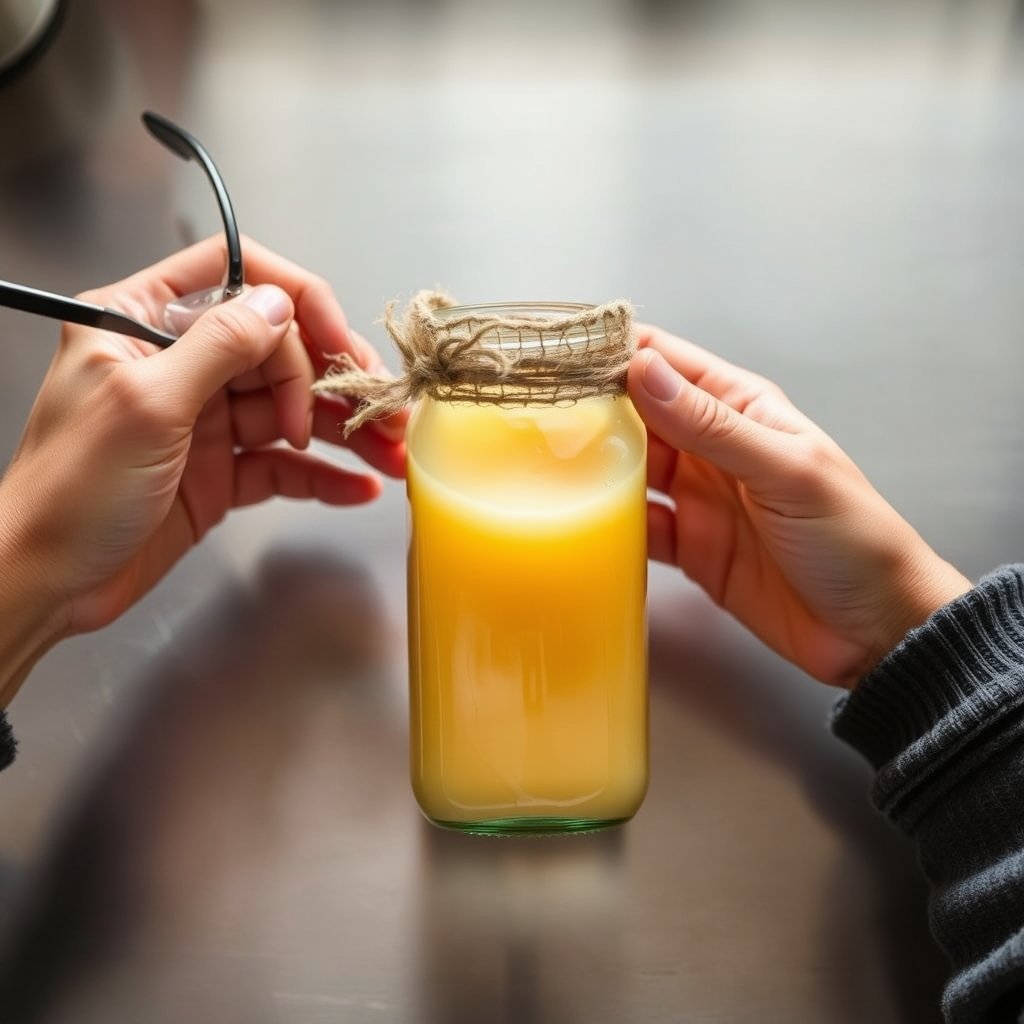 7 Nov 2026
Ghee for Diabetic Cooking: Check Purity and Packaging
When buying ghee for a diabetic household, read the jar label for pure milk fat without adulterants, hydrogenated oils, or added preservatives.
Read this →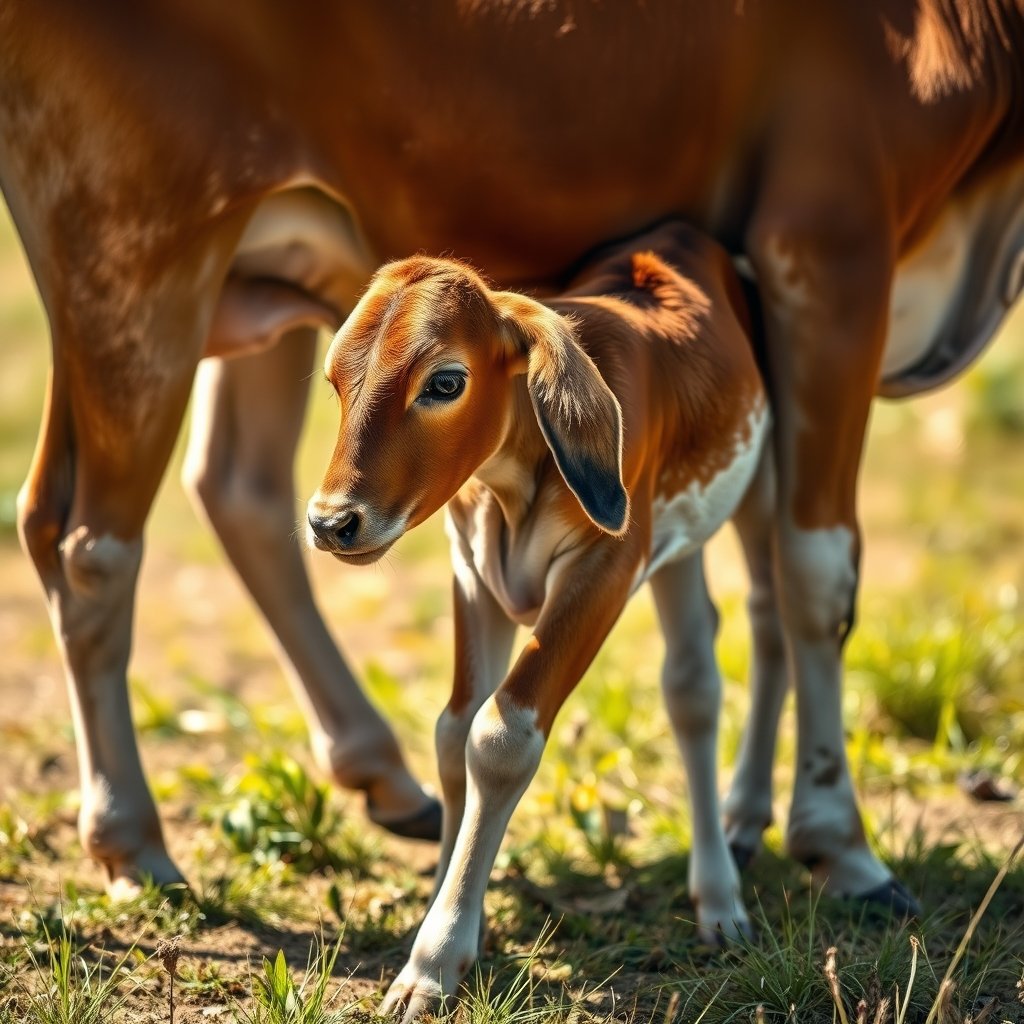 7 Nov 2026
Does the Calf Get Milk? Ethical Farms Feed First
Ethical Indian dairies allow calves to drink directly from their mother before milking begins, leaving two full teats for the calf at every single…
Read this →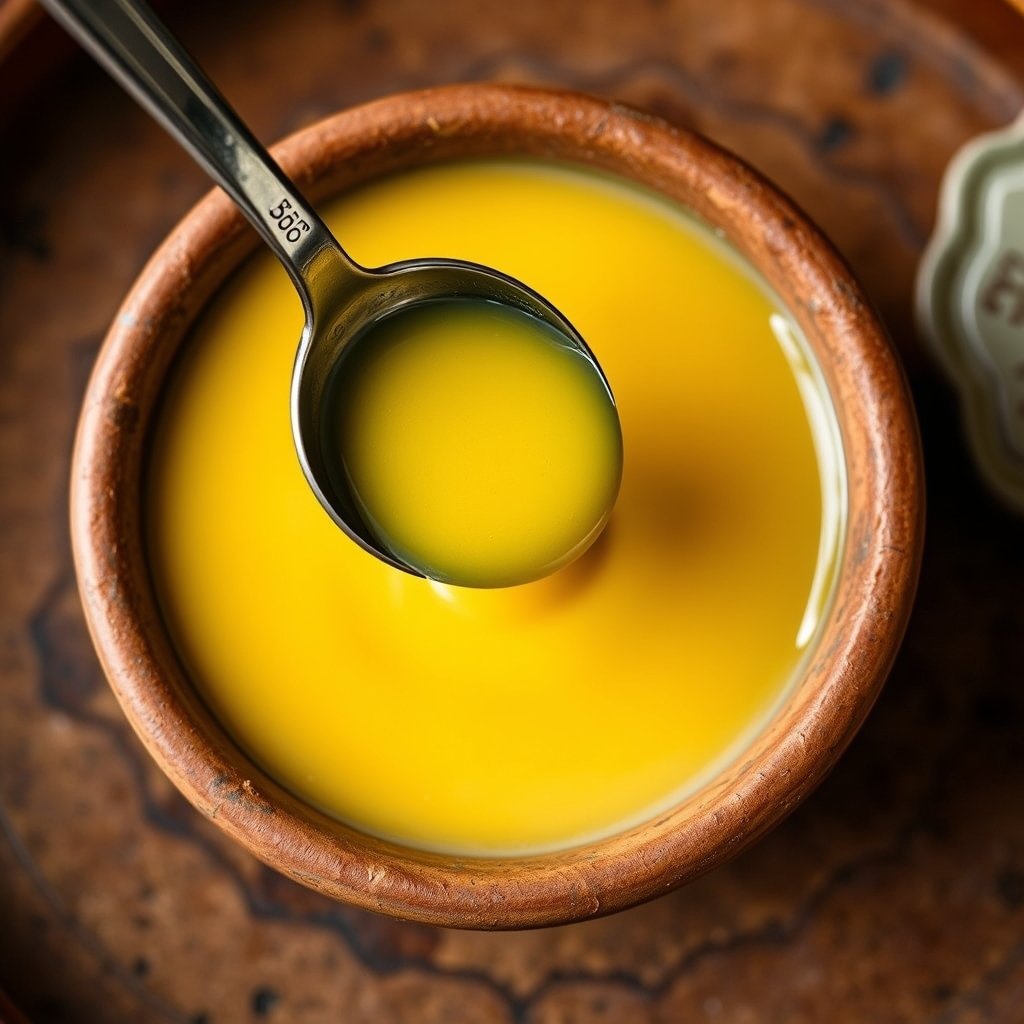 7 Nov 2026
Ghee Tastes Too Strong: Why It Happens and How to Fix It
Ghee tastes too strong when it is cultured, deeply simmered, or from Gir cows. Temper it with cumin or dilute it into warm dal to soften the…
Read this →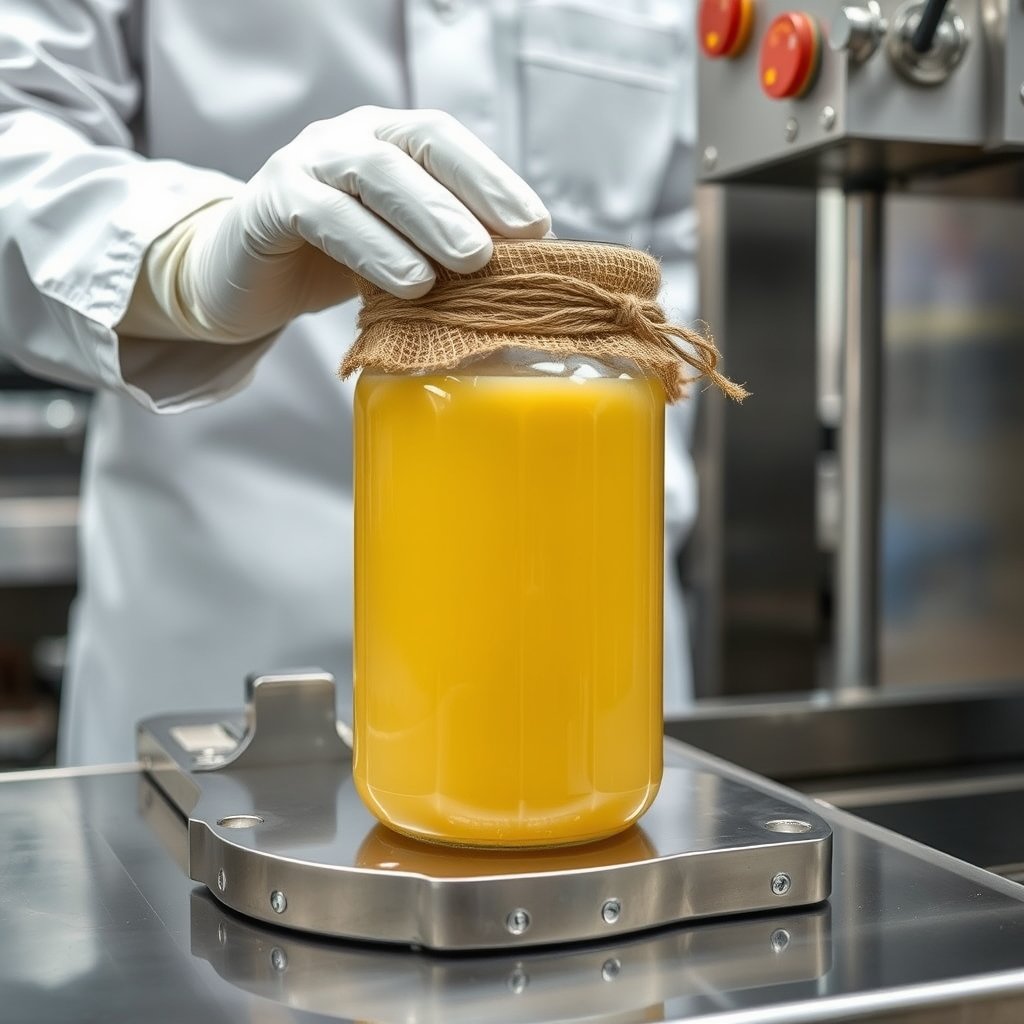 7 Nov 2026
Shelf Life on a Private-Label Ghee Jar: Brand Decides
The brand owner and manufacturer decide the shelf life on a private-label ghee jar based on stability testing, packaging, and FSSAI label rules.
Read this →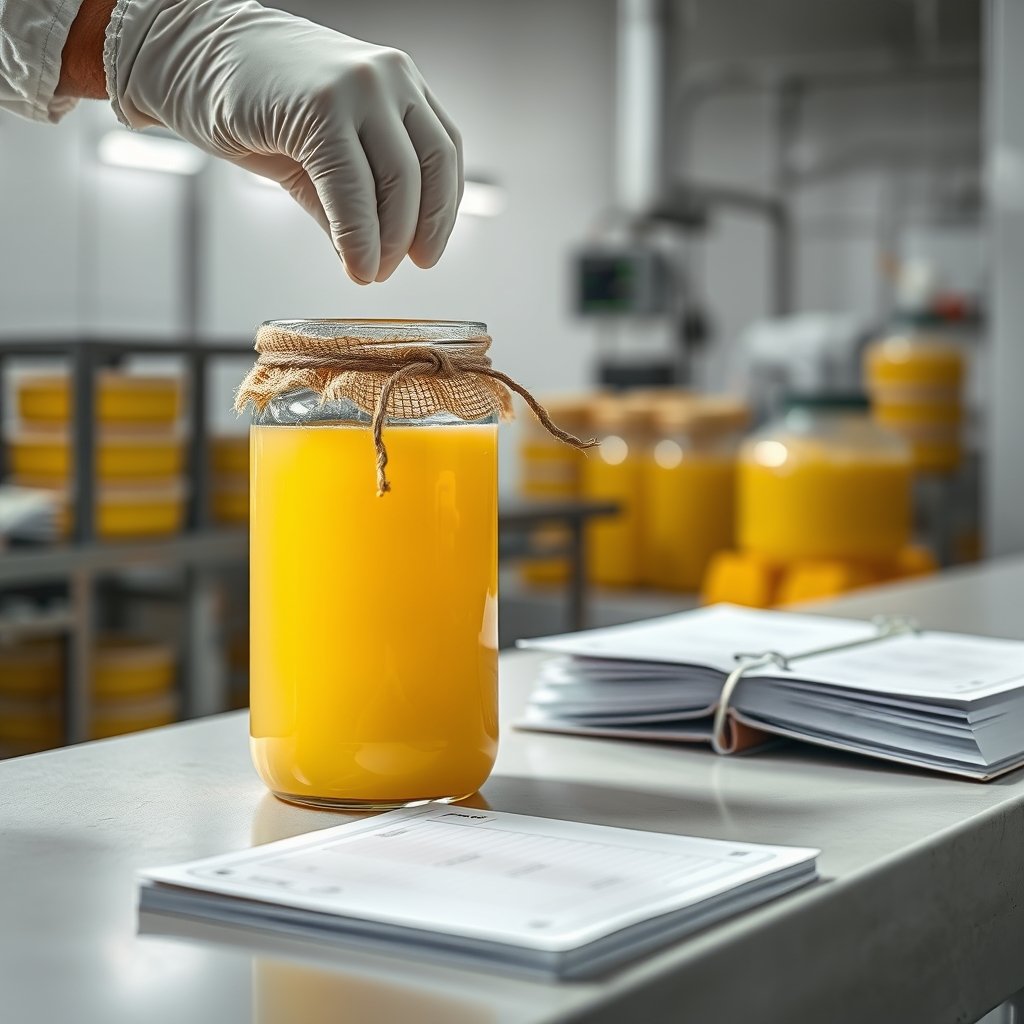 6 Nov 2026
Ghee Shelf Life on Label: Settled by FSSAI & Brand
The brand owner decides the shelf life on a private-label ghee jar based on FSSAI rules, retention samples, and agreement with the manufacturer.
Read this → 6 Nov 2026
Laboratory Tests for Ghee: Fat Profiling Finds Oils
Food safety laboratories verify ghee by testing its fatty acid profile and butyric acid levels to detect added vegetable oils or foreign fats.
Read this →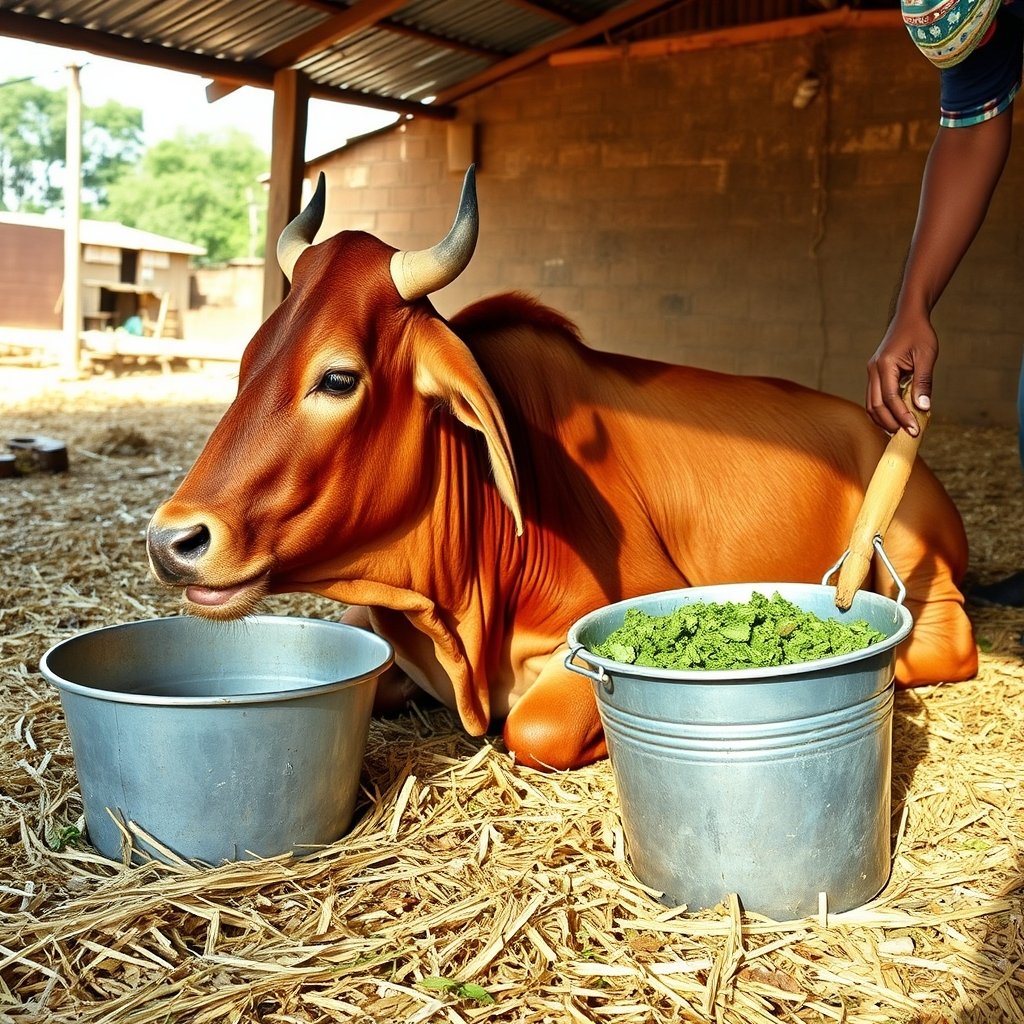 6 Nov 2026
Cow Welfare in Indian Dairy: Care, Feeds, and Retirement
Cow welfare in Indian dairy depends on farm economics, housing, lifetime feed care, and shelter for non-milking cattle across rural herds and…
Read this → 6 Nov 2026
Why Dairy Brands Raise Ghee Prices: Cream Supply
Ghee prices rise when whole milk procurement costs increase and festive butter demand reduces available cream for large dairy processing plants.
Read this →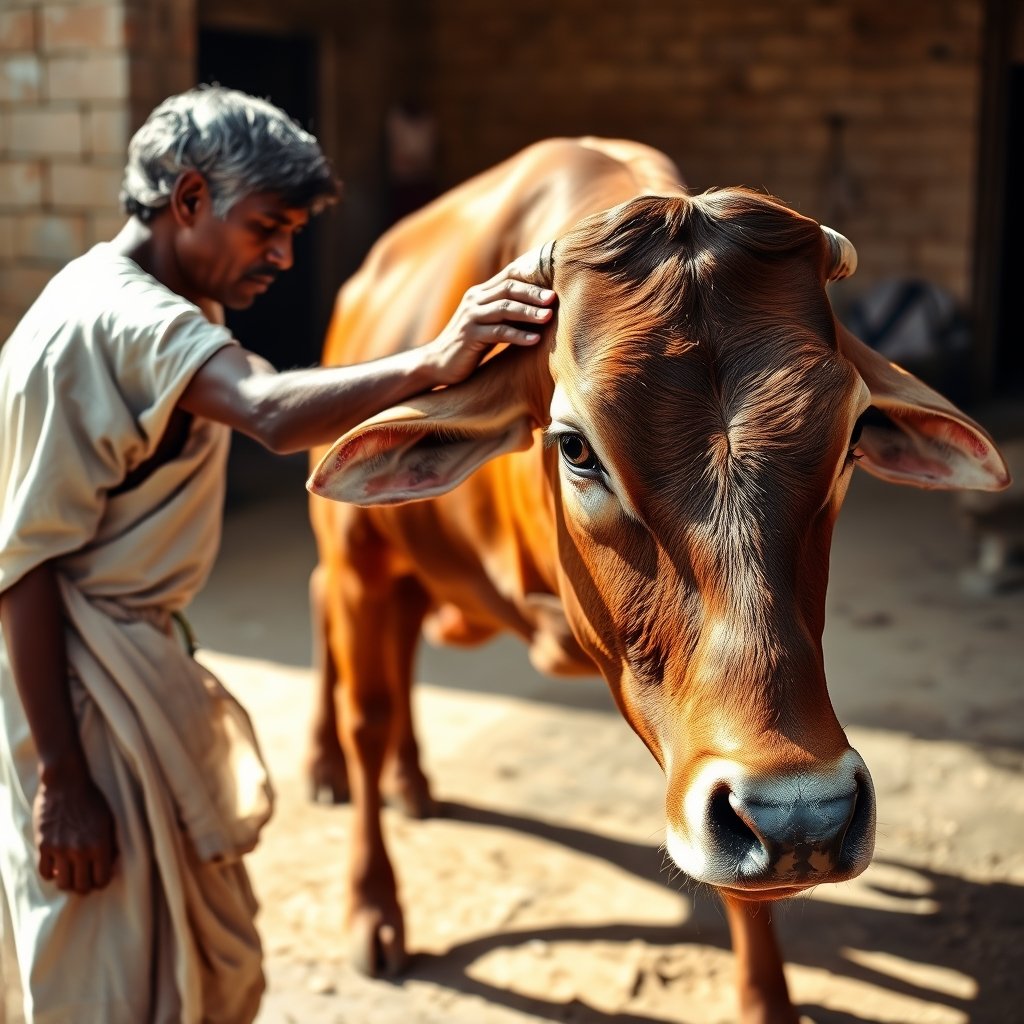 6 Nov 2026
Why a Food Brand Inherits Its Supplier Story: The Source
A food brand inherits its supplier's story because the marketing claims must reflect the actual farm practices, animal care, and traditional methods…
Read this →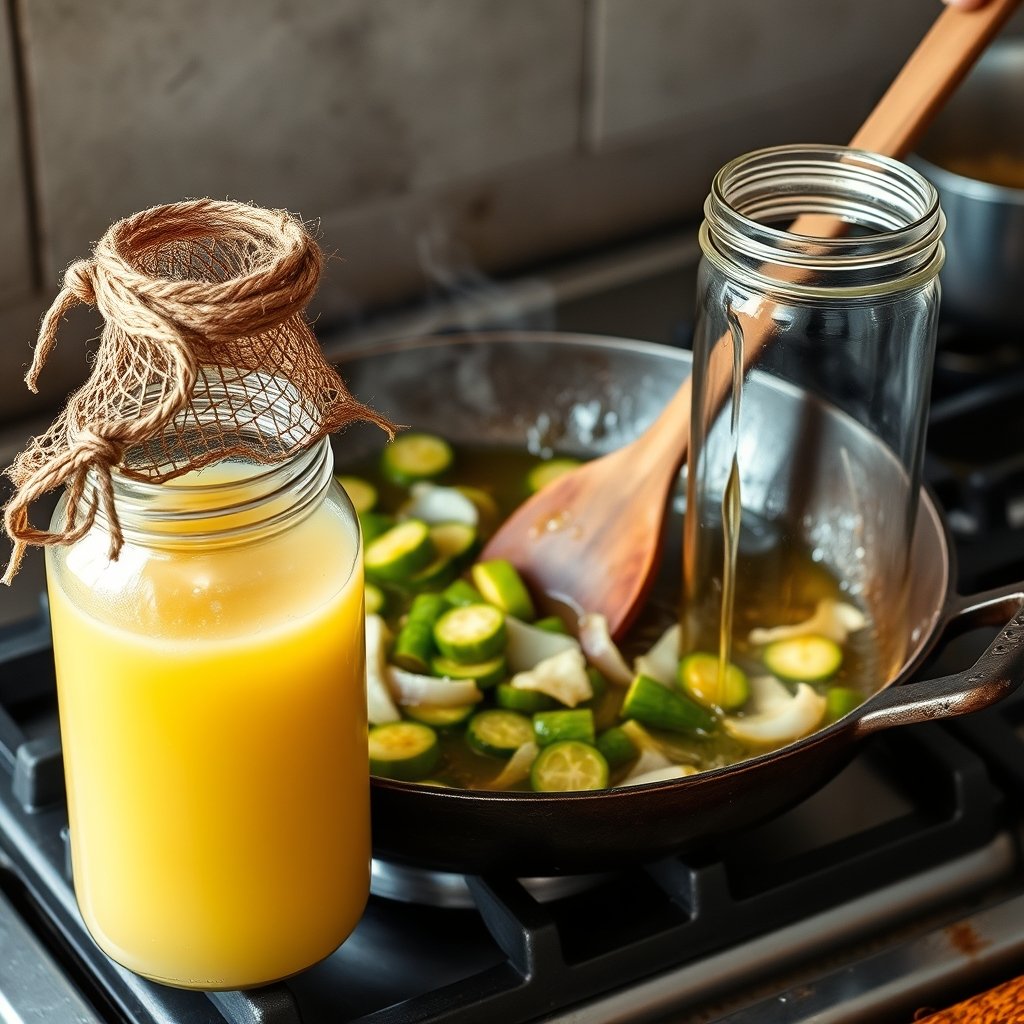 5 Nov 2026
Switching From Refined Oil to Ghee: Start with Sautéing
Start switching from refined oil to ghee by using it for tempering and vegetable sautés, where a small amount of fat provides significant aroma and…
Read this →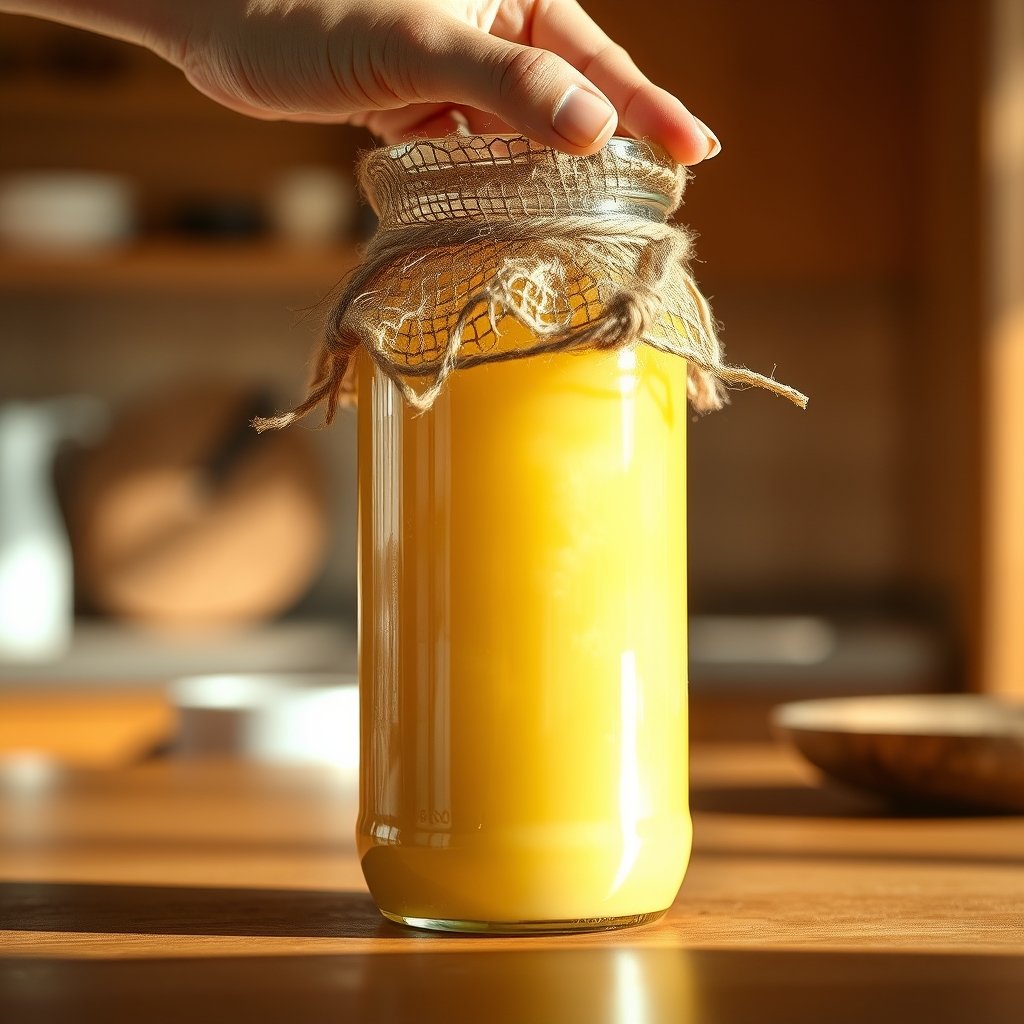 5 Nov 2026
Ghee Melted in Transit: No, Your Jar Is Not Ruined
Melted ghee is safe to consume and retains its quality; the liquid state is a natural reaction to heat during shipping and is easily reversible at…
Read this →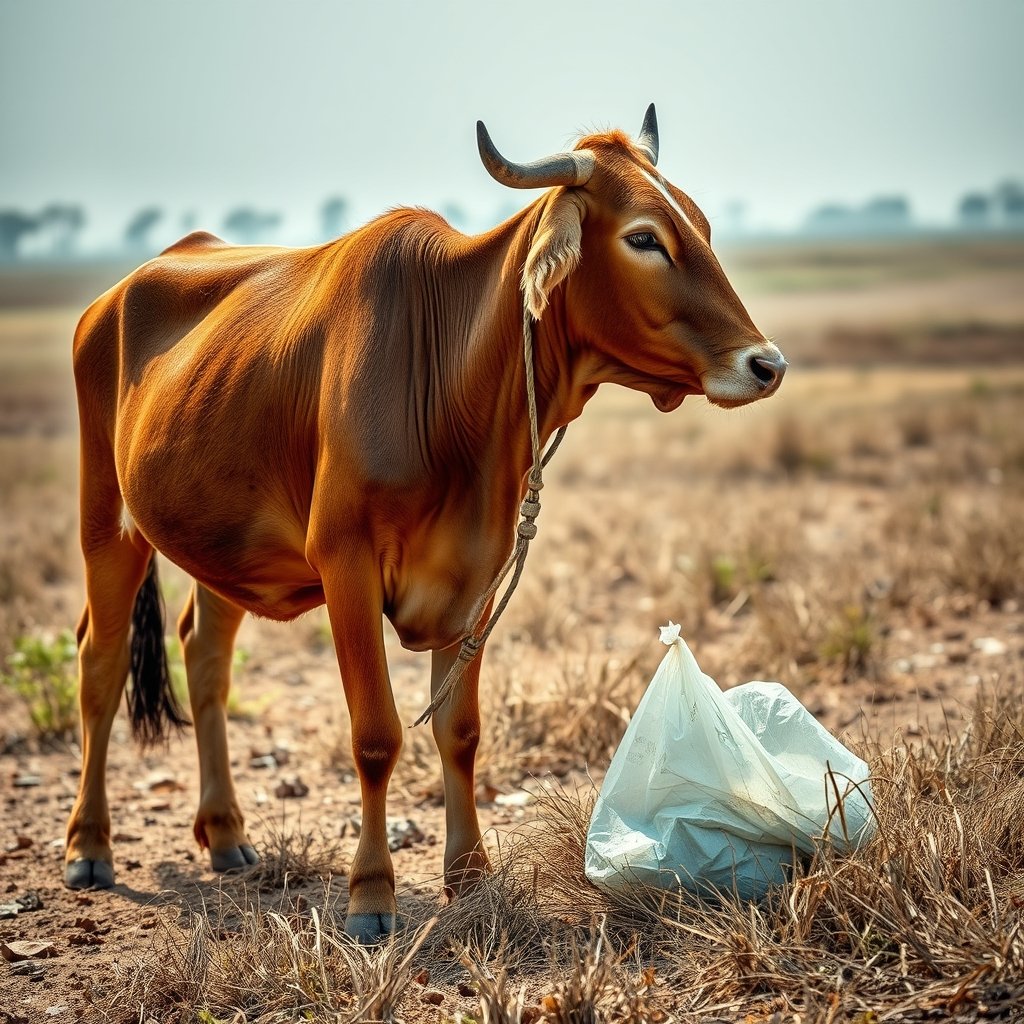 5 Nov 2026
Cows Eat Plastic Because of Food Smells: It Blocks the Rumen
Cows eat plastic because they smell food scraps in discarded bags, leading to a rumen blockage. This prevents digestion and causes long-term health…
Read this → 5 Nov 2026
Your Ghee Has No Smell at All: It Is Refined or Cold
Ghee lacks aroma when it has been industrially refined, stored in cold conditions, or made from cream. Pure bilona ghee releases its scent when…
Read this → 5 Nov 2026
Choosing a Ghee Manufacturer: Fifteen Things to Settle
Choosing a ghee manufacturer requires settling fifteen specific operational points from herd care and bilona churning to batch records, labelling…
Read this → 4 Nov 2026
Why Ghee Prices Change: Dairy Yields and Fat Supply
Ghee prices shift when raw milk costs change, as making one litre of traditional bilona fat requires twenty-five to thirty litres of whole milk.
Read this → 4 Nov 2026
Glass or Tin for a Ghee Brand: Choosing the Pack
Glass jars provide visibility and premium shelf presence for bilona ghee, while food-grade tins offer durability and lower shipping costs for…
Read this →