
Ghee Guides
Notes on ghee, the bilona method and cooking the slow way — from the people who make A2 Gir cow bilona ghee in Delhi. 278 articles so far.
 5 Nov 2026
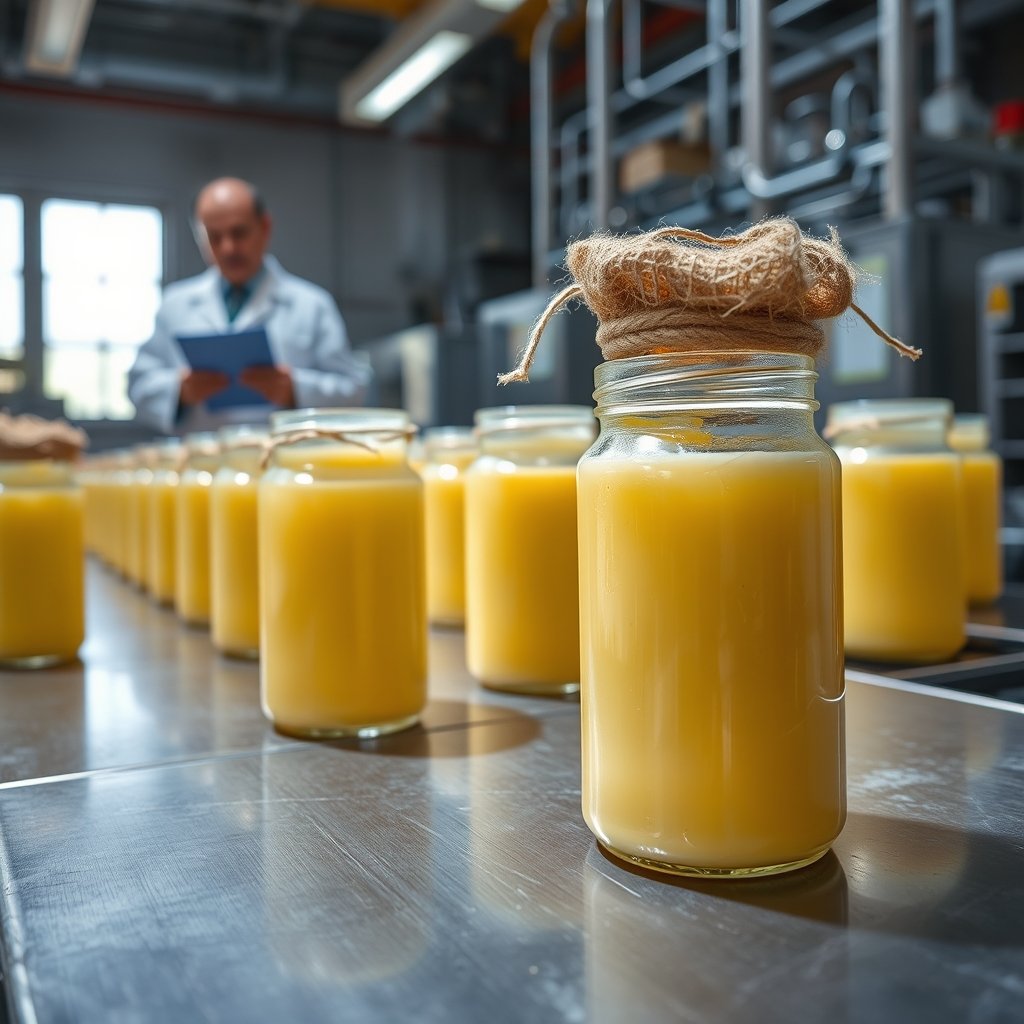
Choosing a Ghee Manufacturer: Fifteen Things to Settle
Choosing a ghee manufacturer requires settling fifteen specific operational points from herd care and bilona churning to batch records, labelling…
Read this →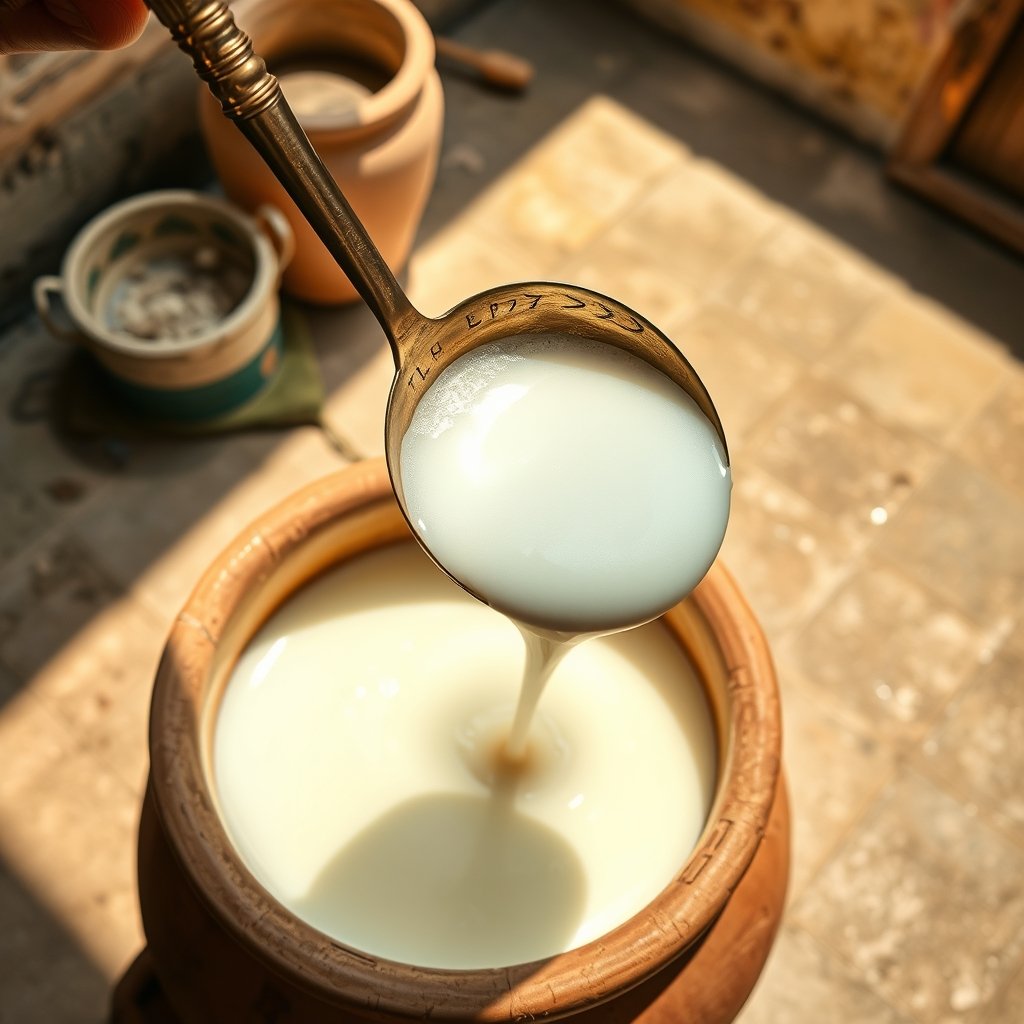 4 Nov 2026
Why Ghee Prices Change: Dairy Yields and Fat Supply
Ghee prices shift when raw milk costs change, as making one litre of traditional bilona fat requires twenty-five to thirty litres of whole milk.
Read this →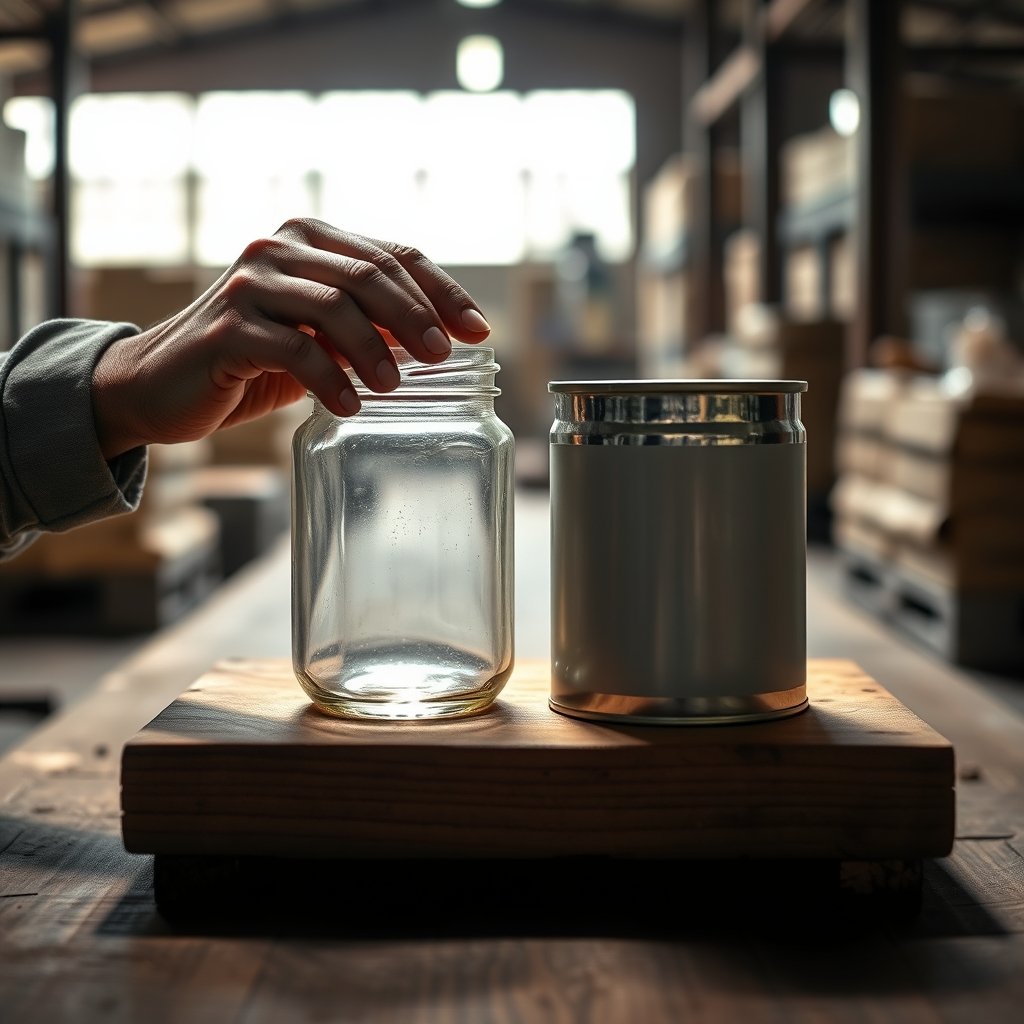 4 Nov 2026
Glass or Tin for a Ghee Brand: Choosing the Pack
Glass jars provide visibility and premium shelf presence for bilona ghee, while food-grade tins offer durability and lower shipping costs for…
Read this →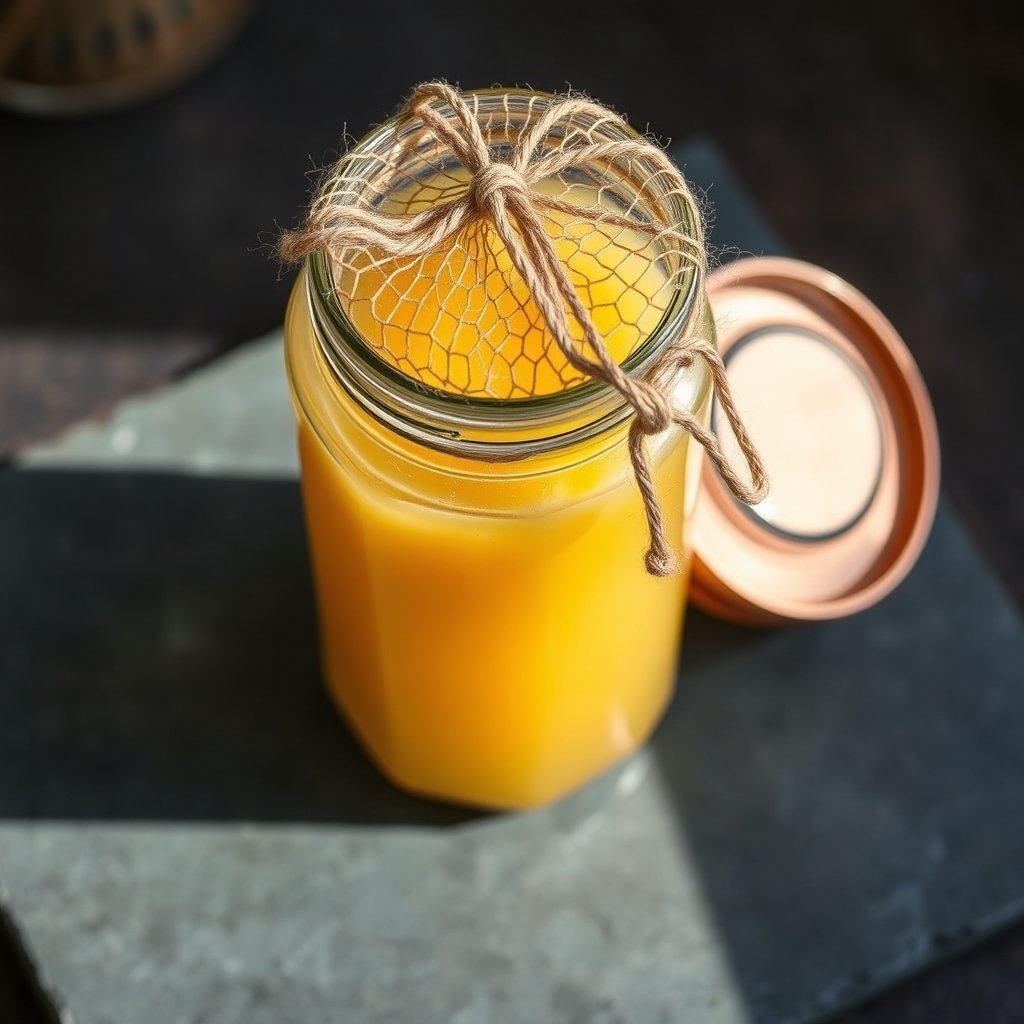 4 Nov 2026
Glass vs Tin Ghee Packaging: Glass Protects Fat Best
Glass jars preserve bilona ghee aroma and appearance best, while tin handles long transit without breaking.
Read this →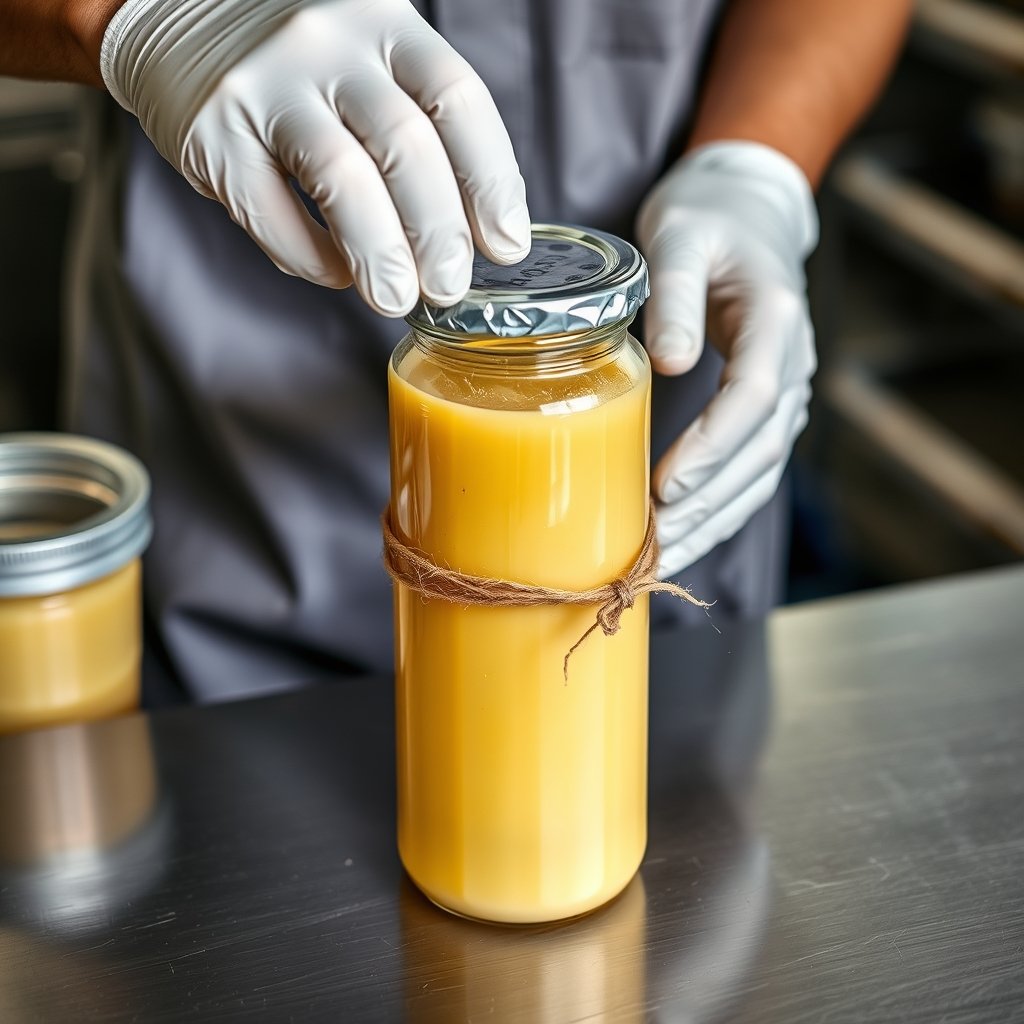 4 Nov 2026
Ghee Packaging for Brands: Glass Preserves Aroma Best
Glass packaging protects bilona ghee aroma and shelf appeal best, whereas tin lowers transit weight and courier fees for long-distance transport…
Read this →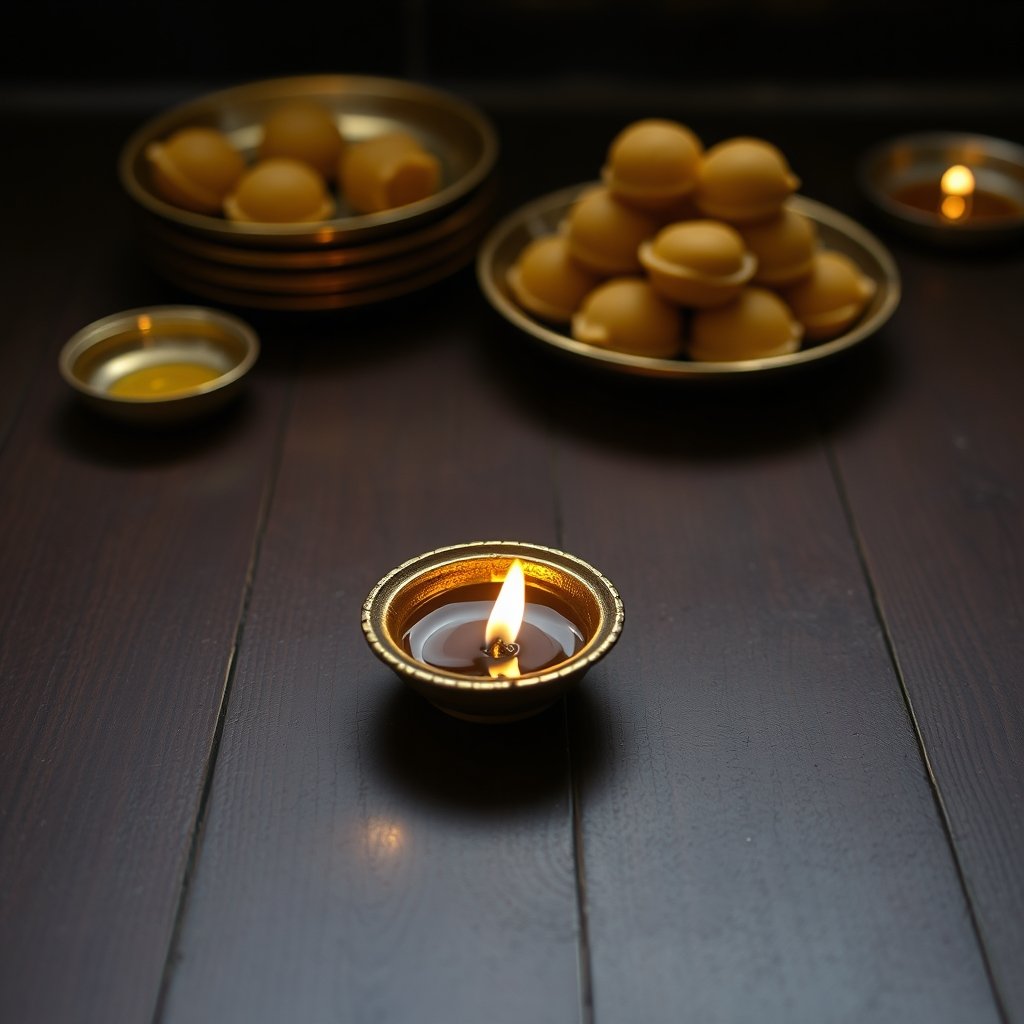 4 Nov 2026
Ghee at Diwali: What Gets Cooked, Gifted, and Lit
Ghee is used at Diwali for frying mithai, binding laddoos, gifting in glass jars, and lighting diyas. Choose A2 bilona ghee for the best aroma and…
Read this →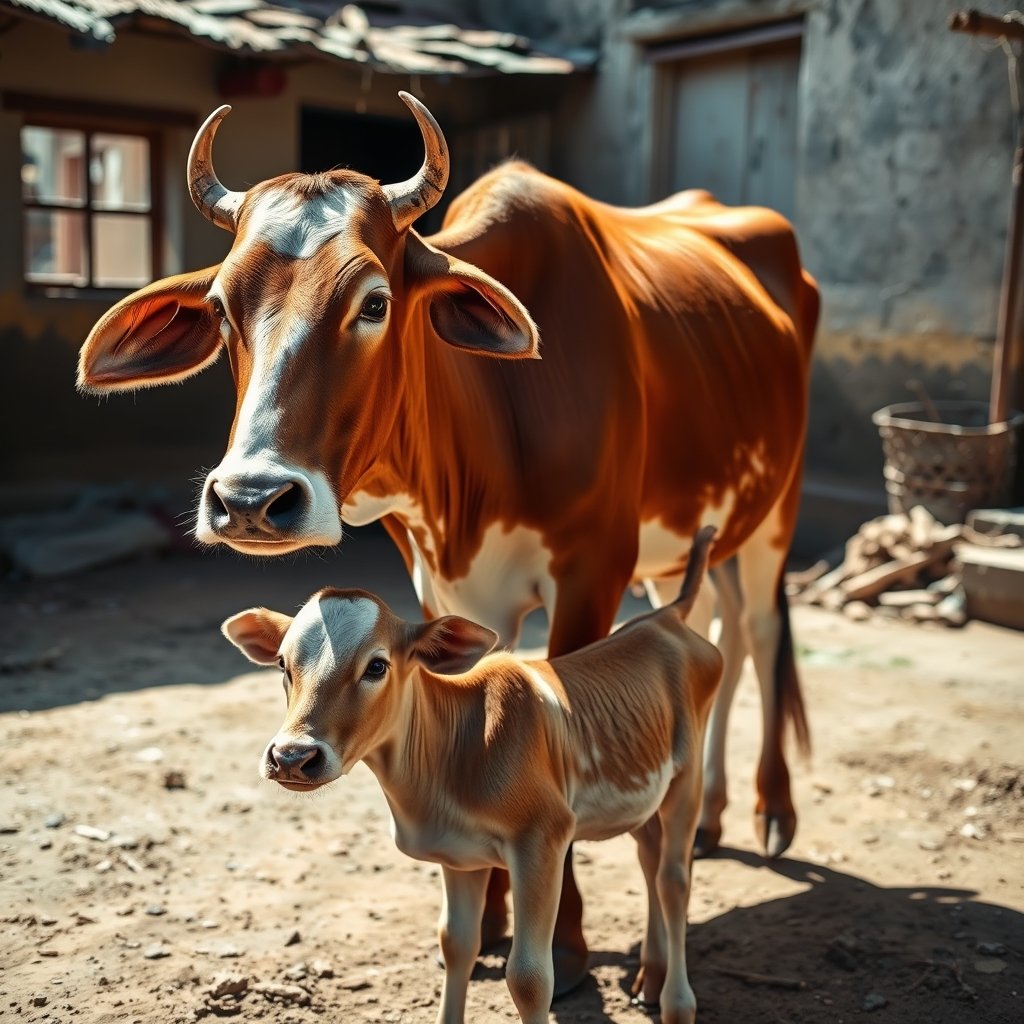 3 Nov 2026
How to Know If Milk Is Ethical: Check Animal Care
An ethical dairy allows calves their share of milk, keeps non-milking cows for life, avoids forced breeding, and provides transparent farm visits.
Read this →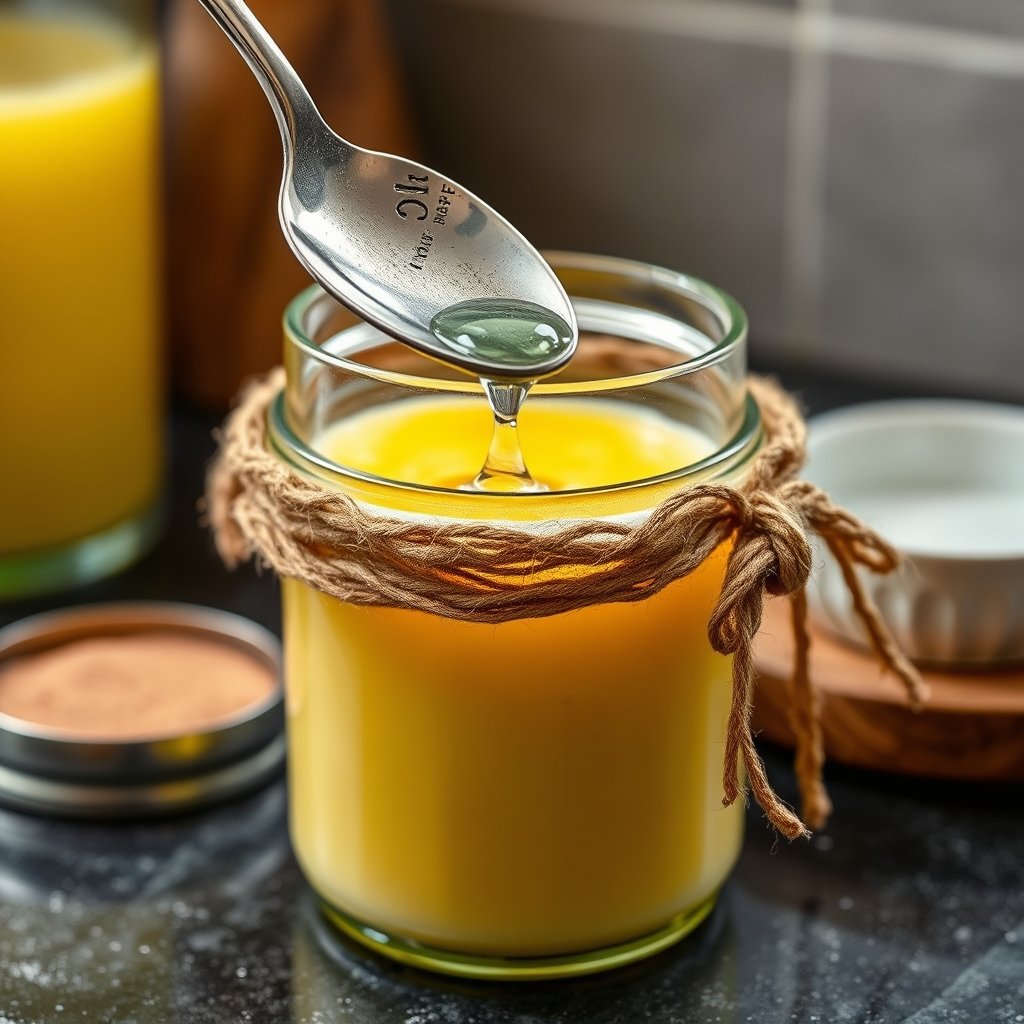 3 Nov 2026
Mould in a Ghee Jar: It Comes From Water Droplets
Mould grows in a ghee jar when external moisture enters through wet spoons, steamy cookware, or loose lids, enabling fungal spores to thrive in fat.
Read this → 3 Nov 2026
Sell Ghee Online in India: Settle Marketplace Papers First
Selling your own ghee brand on Indian marketplaces requires verified brand details, FSSAI numbers, jar label images, and a clear supply plan.
Read this → 2 Nov 2026
Dhanteras Ghee Shopping: Why It Ends Up in Baskets
Ghee ends up in Dhanteras baskets because festival sweets, deep frying, and winter pantries demand high smoke-point cooking fats made from whole milk.
Read this → 2 Nov 2026
Ghee for Subscription Boxes: What Curators Need
Curators adding ghee to subscription boxes need direct maker supply, sealed glass packaging, clear lead planning, and seasonal texture awareness.
Read this → 1 Nov 2026
Why Is My Ghee White and Hard? It Is Seasonal Fat
Ghee turns hard and pale white when ambient temperatures fall below 20°C and cattle feed shifts to dry winter fodder. The fat remains pure, natural…
Read this →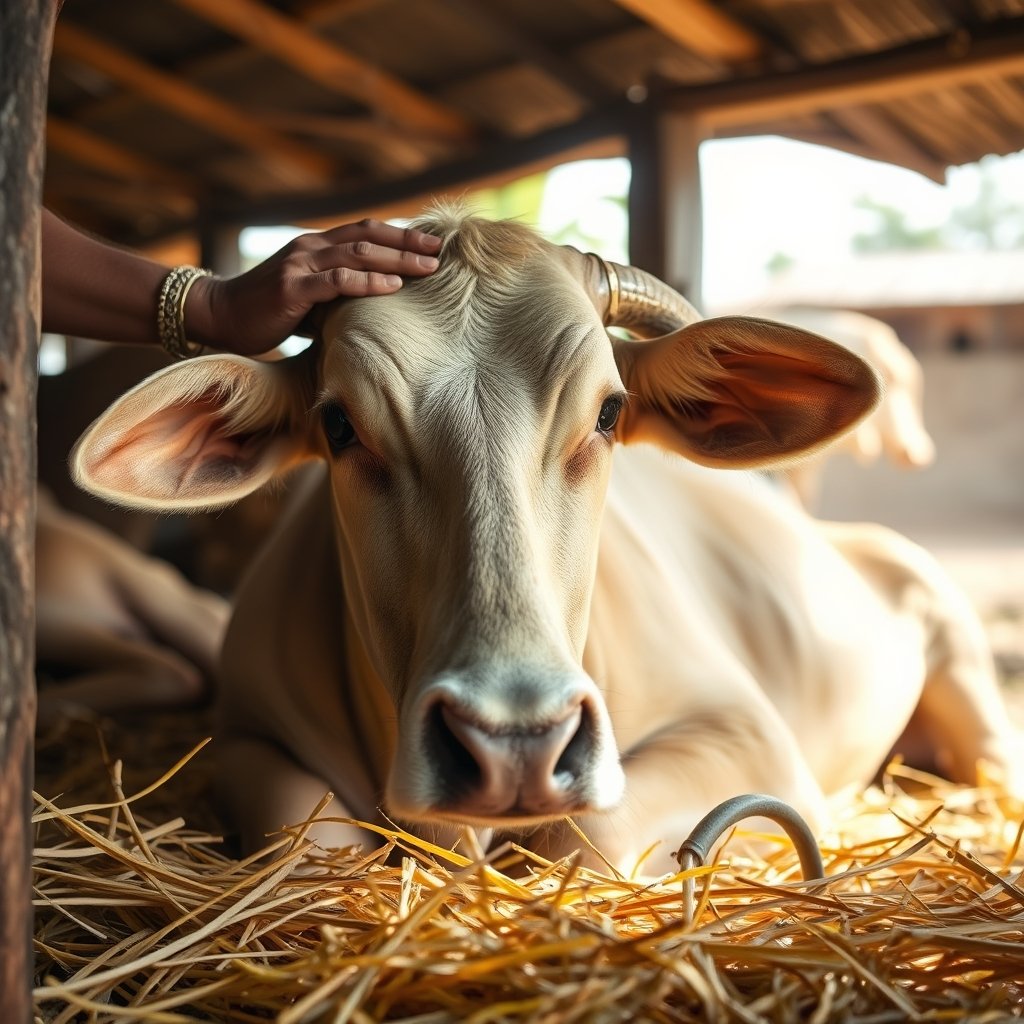 1 Nov 2026
Gau Seva Meaning: Lifetime Care for Cows Beyond Milk
Gau Seva means serving and providing lifelong shelter, feed, and medical care to cows regardless of whether they yield milk.
Read this →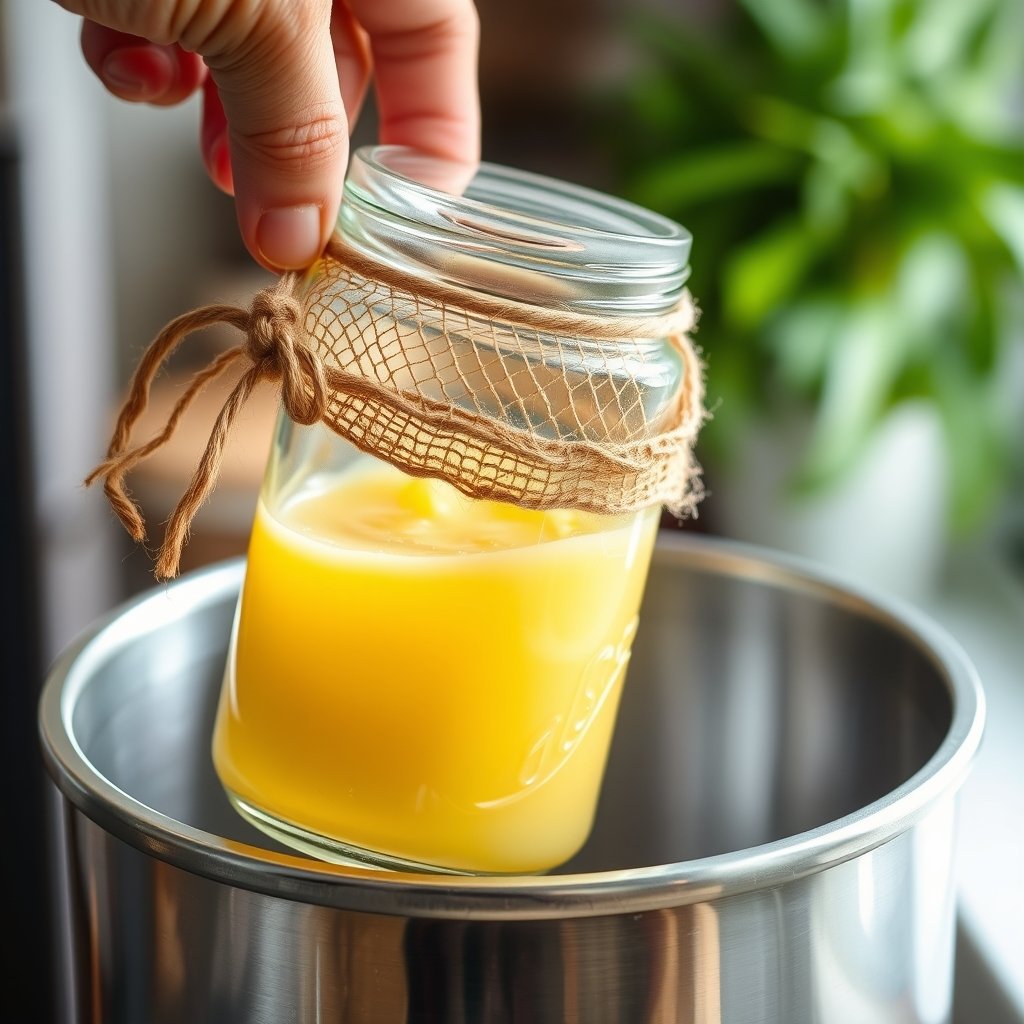 1 Nov 2026
Ghee Smells Bad: Discard Fat If Sour or Rancid
Ghee with a sour, paint-like, or metallic smell is rancid and unsafe to eat, so you should discard it immediately. Fresh bilona ghee smells nutty.
Read this → 1 Nov 2026
Writing Quality Terms Into a Ghee Supply Contract: Sensory, Retention, and Rejection Clauses
A ghee supply agreement quality clause must define enforceable sensory checks, batch retention rules, testing costs, and clear batch rejection steps.
Read this →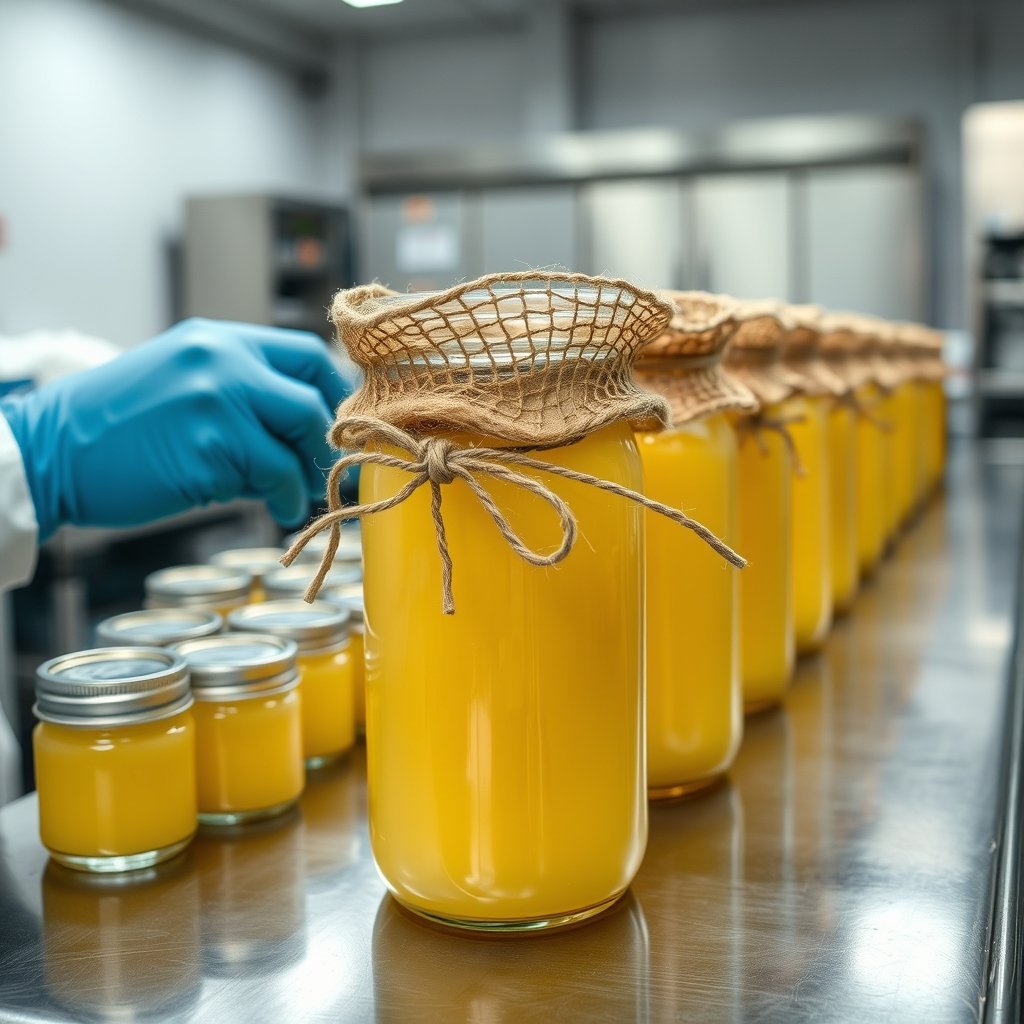 1 Nov 2026
Making Own Ghee vs Contracting: An Honest Comparison
Making your own ghee gives full control but takes heavy capital, while contract manufacturing speeds launch by reducing setup costs and facility…
Read this → 31 Oct 2026
Why Ghee Fails Quality Tests: Milk Fat Explained
Ghee fails quality tests when vegetable oils alter its fatty acid profile or excess moisture remains, meaning the fat does not match dairy standards.
Read this →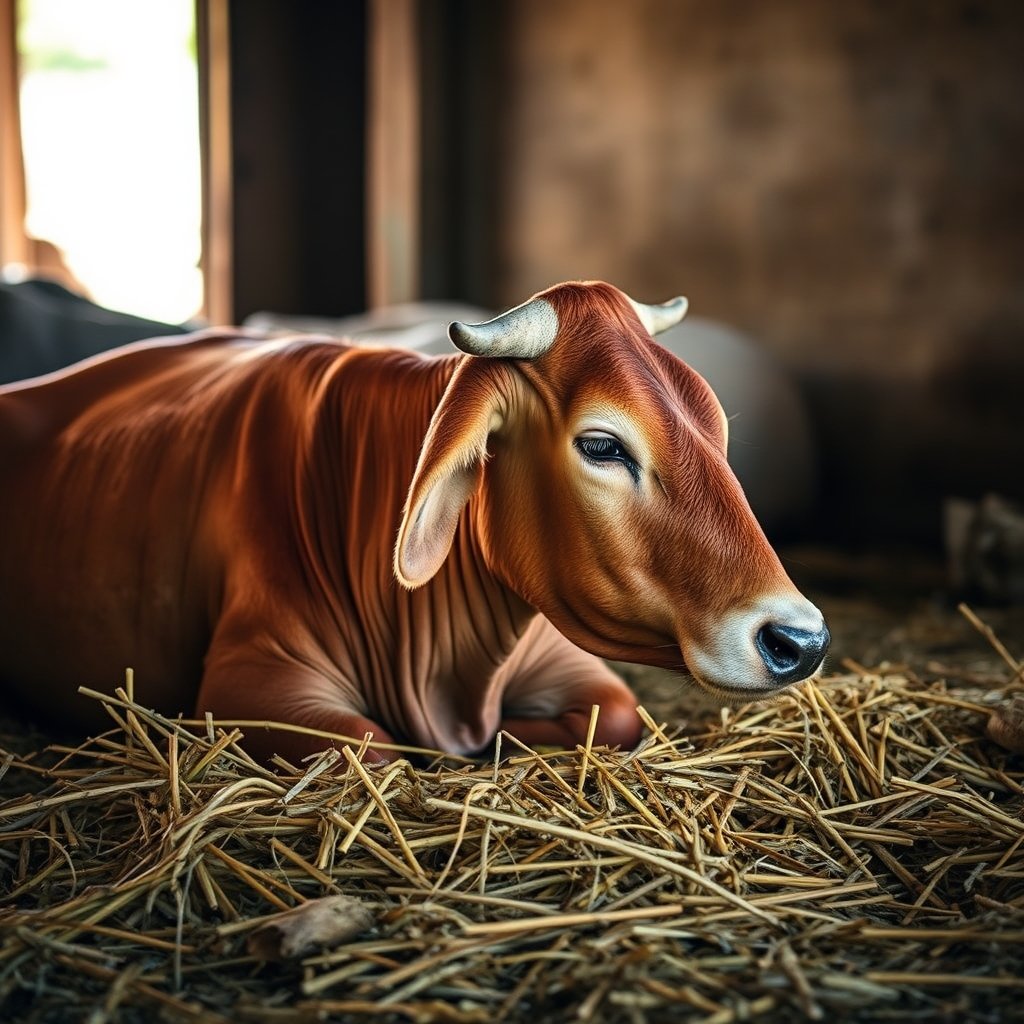 31 Oct 2026
What Is a Gaushala? A Shelter for Homeless Cattle
A gaushala is a sanctuary that provides food, shelter, and medical care to old, stray, or abandoned cows that no longer produce milk for dairy farms.
Read this →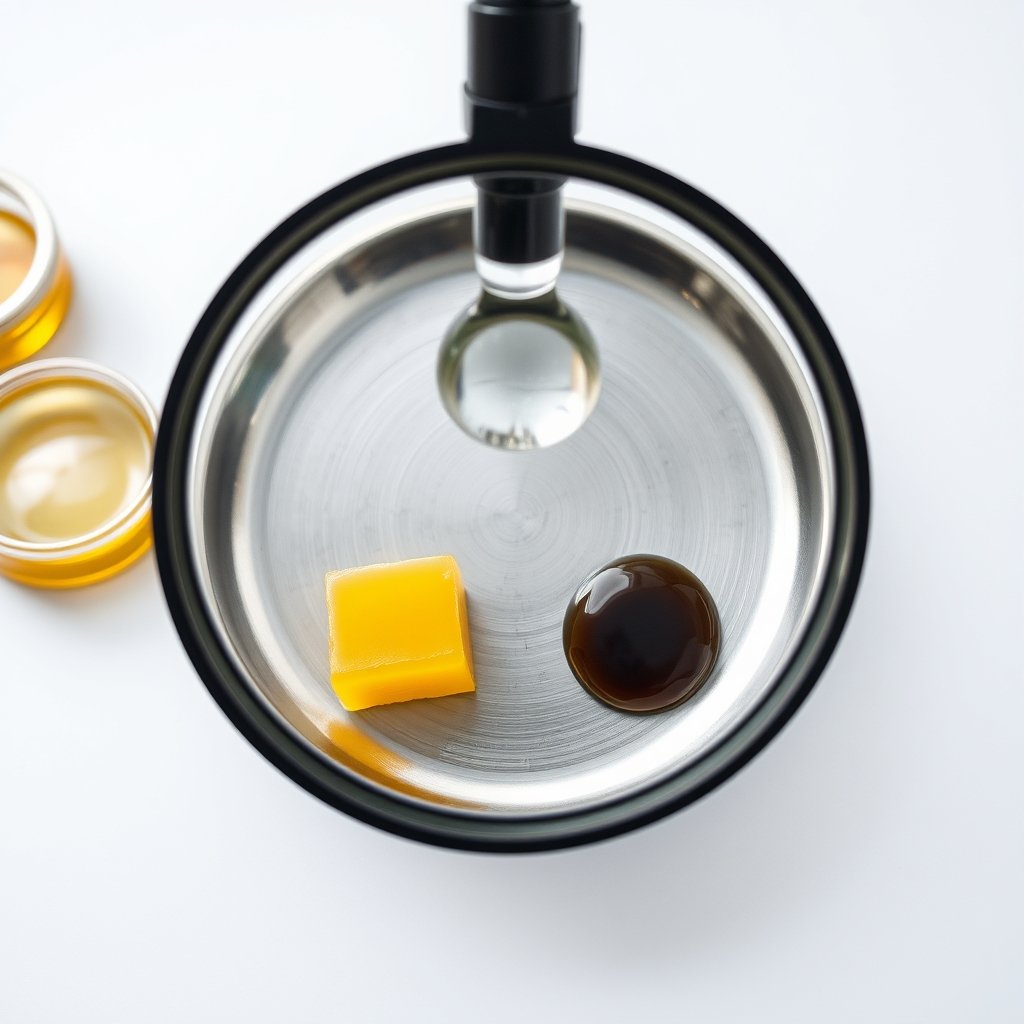 31 Oct 2026
How Ghee Is Adulterated: Vegetable Oils and Vanaspati
Adulterated ghee is made by blending vanaspati, refined palm oil, or starches with artificial butter flavours and dyes to mimic real dairy fat.
Read this →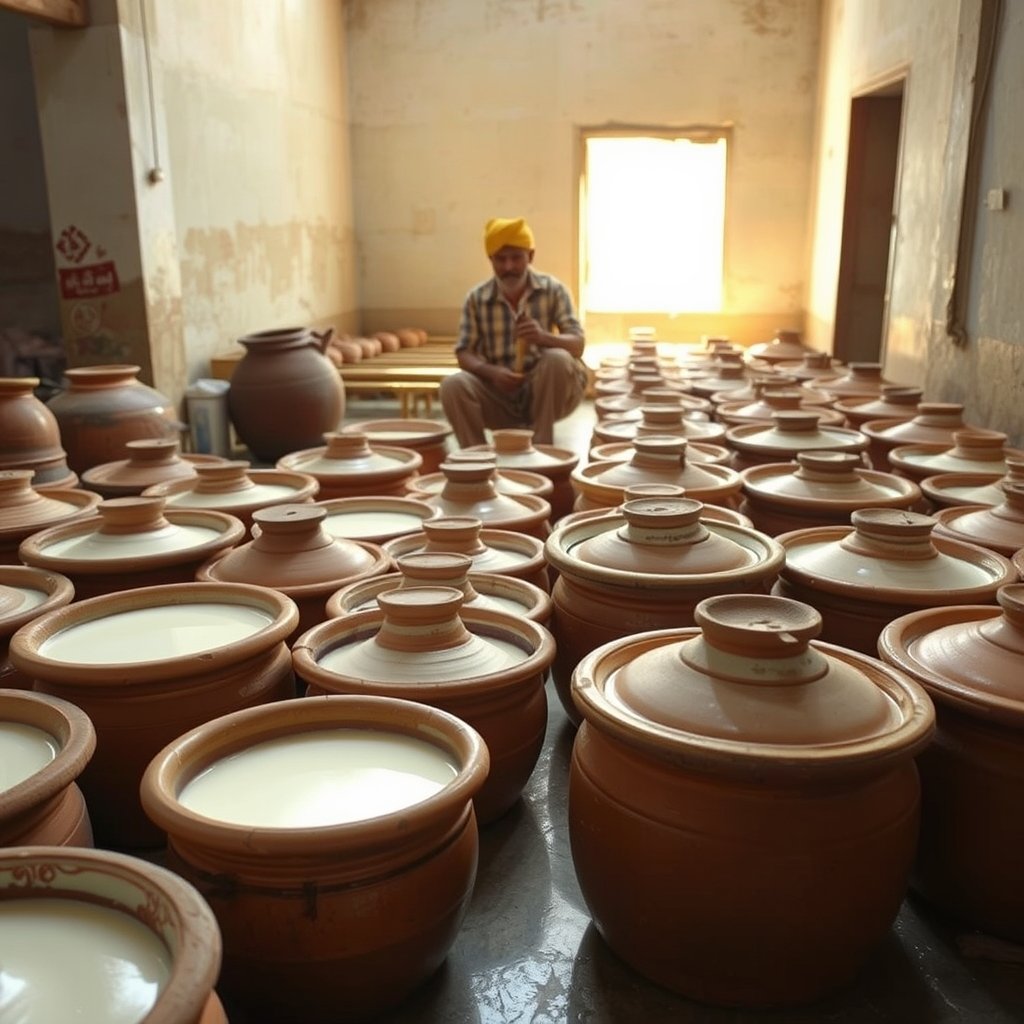 31 Oct 2026
Can Bilona Ghee Be Made at Volume? Yes, by Adding Pots
Bilona ghee scales by repeating small-batch churning across more pots rather than using industrial tanks. Committed milk supply sets the true total…
Read this →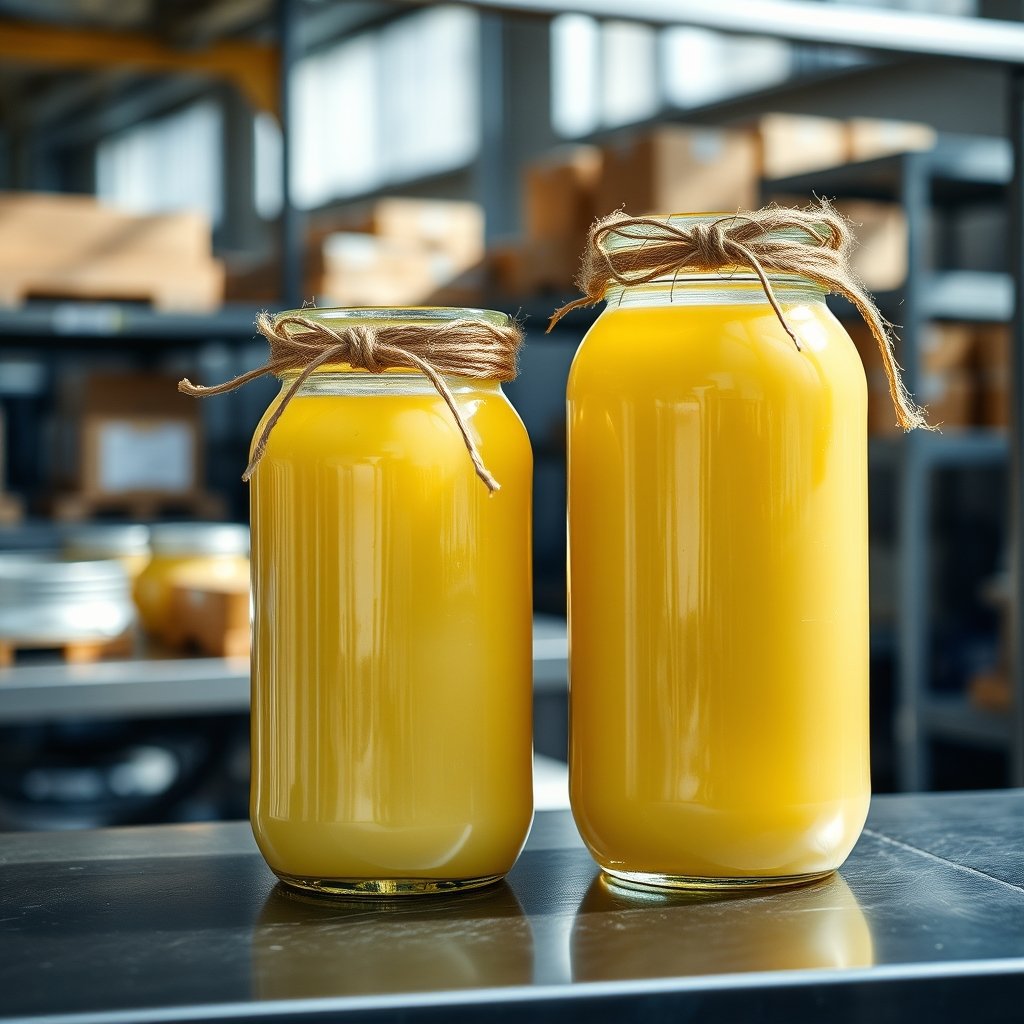 31 Oct 2026
Ghee Jar Sizes for Brands: Use Small Jars for Trial
Small ghee jar sizes lower checkout prices to drive customer trial, while larger jars improve courier freight efficiency and per-gram packaging cost.
Read this →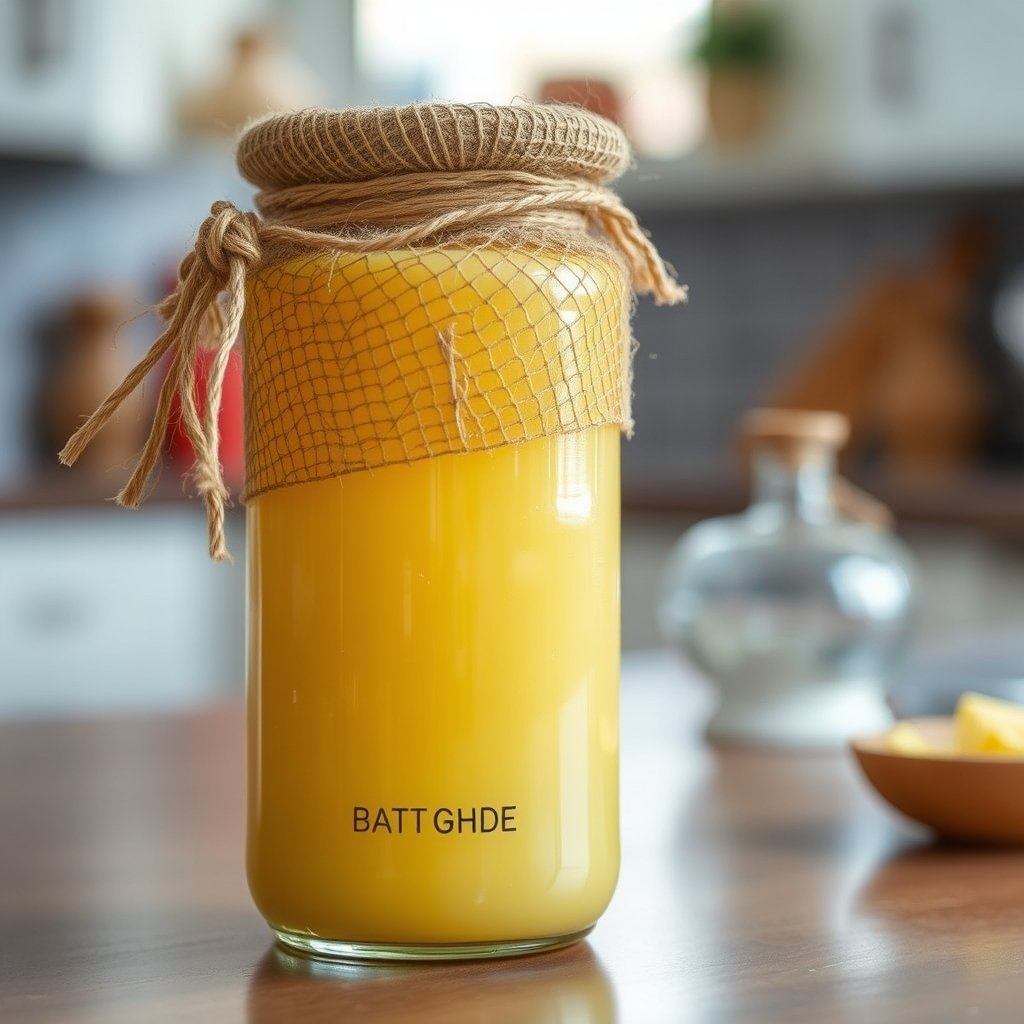 30 Oct 2026
Ghee Adulterated? Stop Using It and Email the Brand
If your ghee smells synthetic or fails basic checks, stop using it immediately, snap photos of the batch code, and send a clear refund claim to the…
Read this →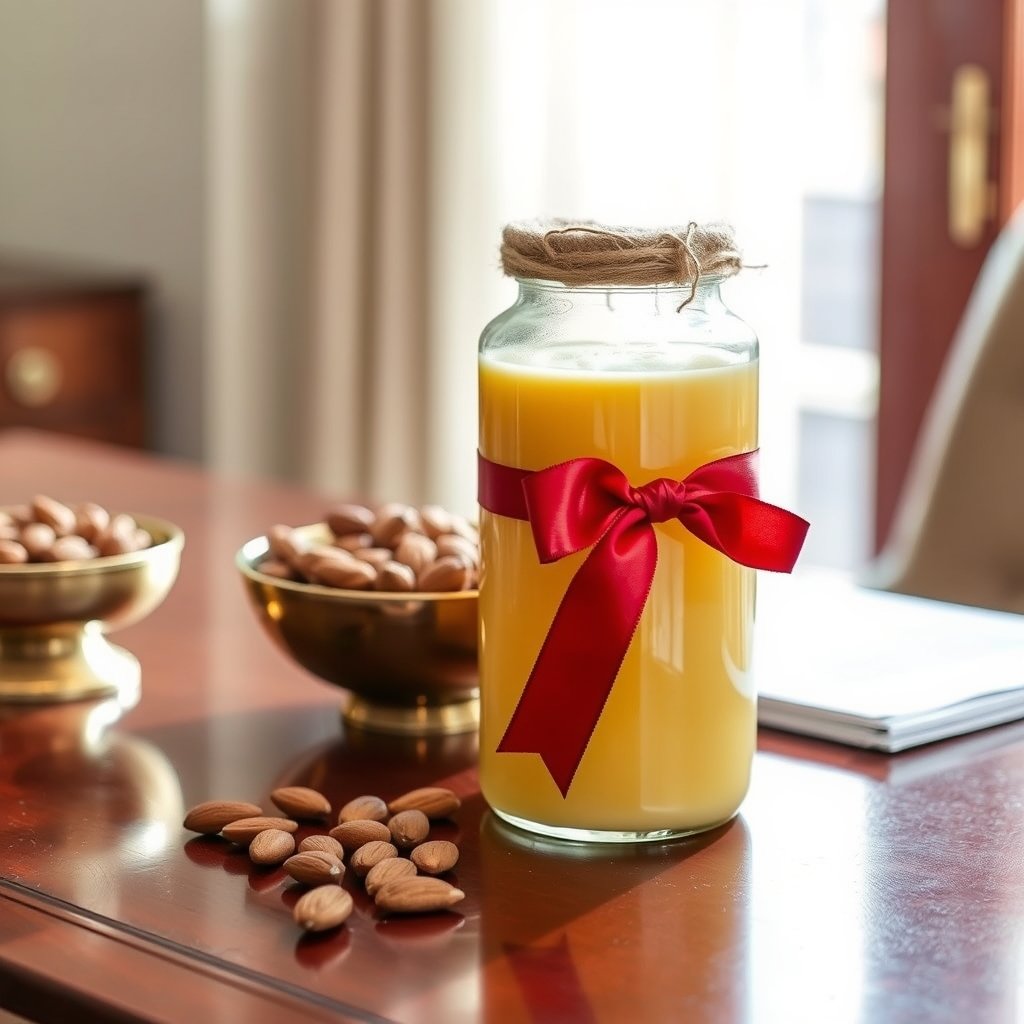 30 Oct 2026
Ghee for Delhi Office Gifting: Choose Bilona Jars
Traditional A2 Bilona ghee in glass jars makes an elegant, non-perishable Delhi corporate food gift that travels safely across NCR.
Read this → 30 Oct 2026
Ghee for Temple Delhi Mandirs: Pick Pure Bilona
Pure A2 Gir cow bilona ghee burns clean without soot in Delhi home shrines and temples, so buying jars early avoids festival season shortages.
Read this →