
Ghee at Diwali: What Gets Cooked, Gifted, and Lit

Which Diwali sweets require the most ghee?
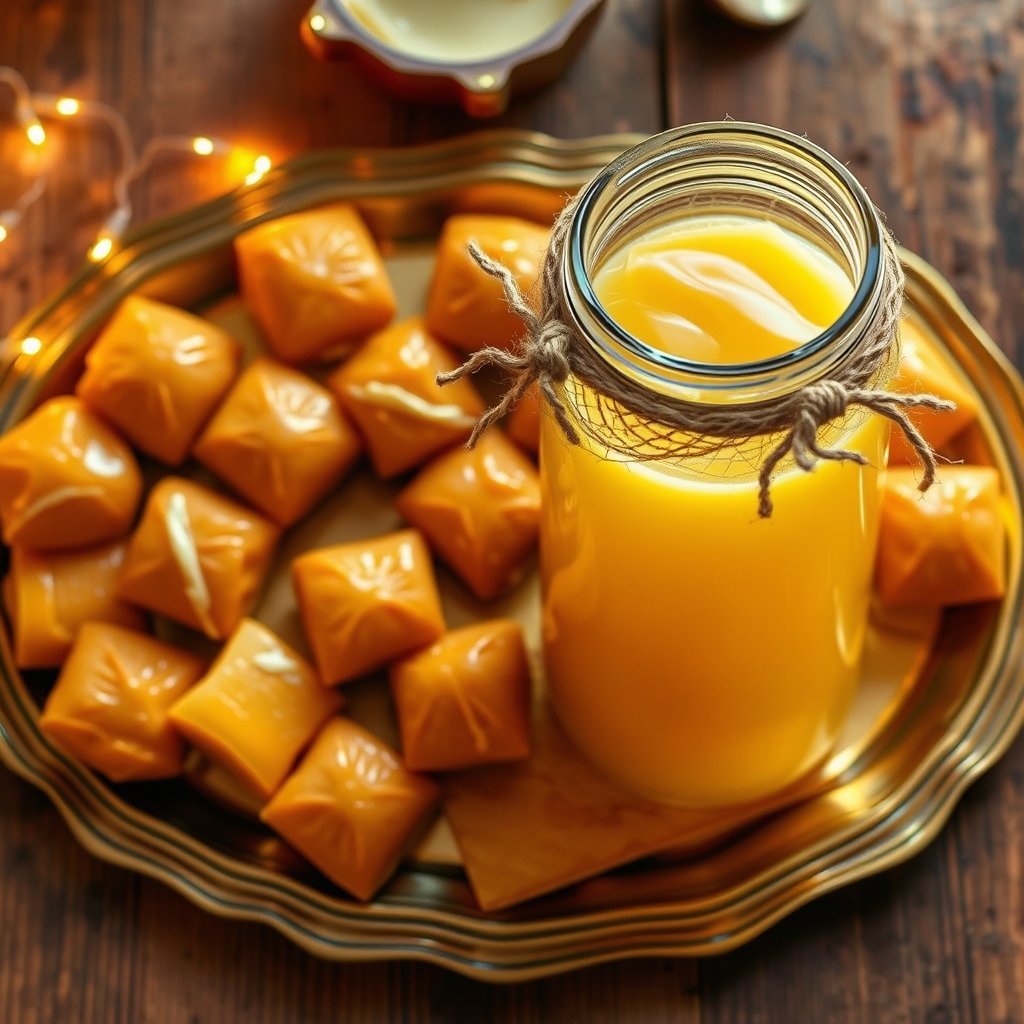
Ghee is the primary fat used for traditional Diwali sweets like besan laddoo, moong dal halwa, and gulab jamun because of its high smoke point and rich aroma. In an Indian kitchen during the festive week, the consumption of ghee increases significantly as families prepare batches of snacks and desserts to share. For laddoos, ghee is used to slow-roast gram flour until it turns a deep golden brown and releases a nutty scent; the fat acts as the binding agent that allows the flour to hold its round shape without crumbling. In the case of moong dal halwa, ghee is added in stages, and the sign of a well-cooked halwa is when the fat begins to separate from the edges of the pan. Deep-fried snacks like shakkarpara and khasta kachori also benefit from ghee in the dough, which creates a flaky, layered texture known as 'moyen'. Using A2 bilona ghee, which is made by churning curd rather than cream, provides a distinct grainy texture that enhances the mouthfeel of these traditional recipes.
Why is A2 bilona ghee preferred for festive gifting?
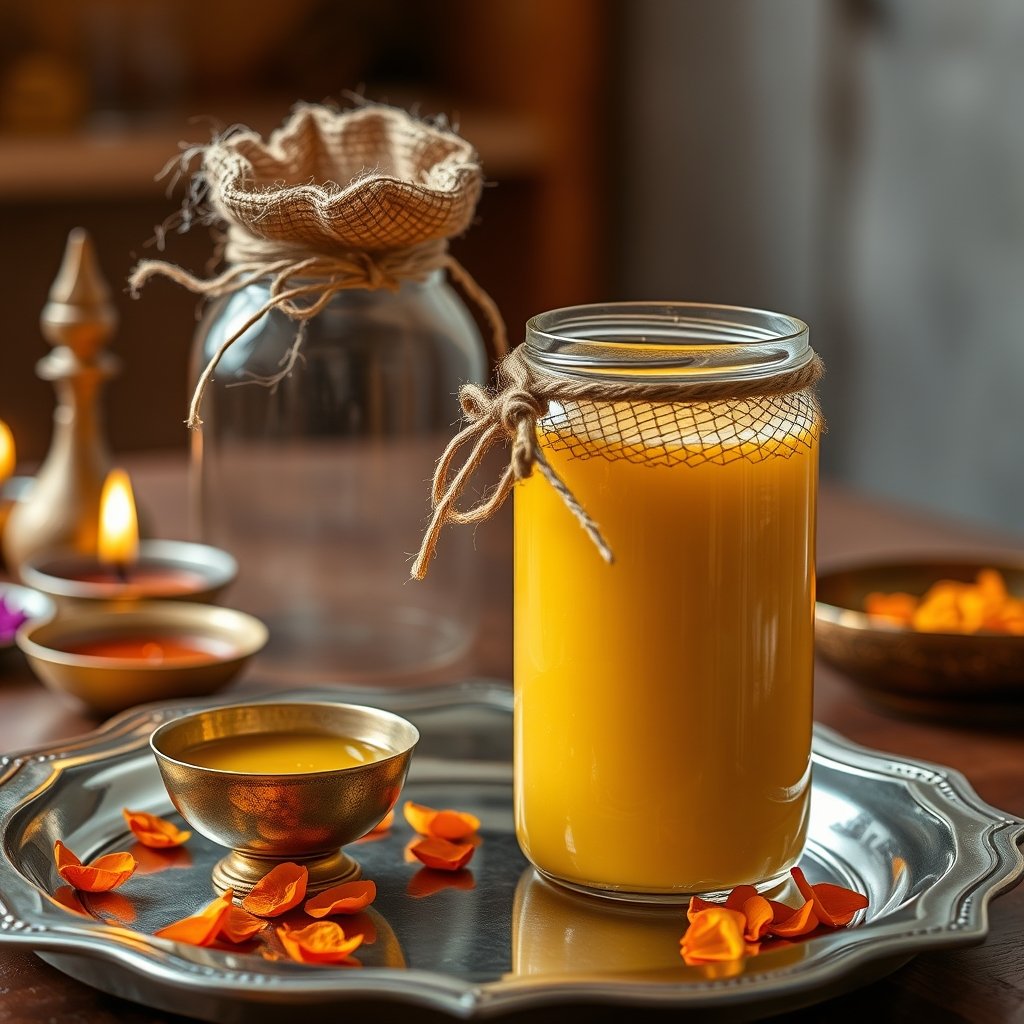
A2 bilona ghee is a preferred Diwali gift because it is a shelf-stable staple that is highly valued in the kitchen, unlike perishable sweets that have a short life. When choosing a gift for relatives or colleagues, a glass jar of ghee represents a practical and thoughtful contribution to their pantry. Because bilona ghee is made through a labor-intensive process—boiling milk, setting it to curd, churning the curd into butter, and then slow-heating the butter—it carries a depth of flavour that mass-produced commercial ghee often lacks. It is a gift that will be used long after the festival is over, appearing in daily dals, parathas, and morning coffee. For those sending gifts across the city, a sealed glass jar is easier to transport than delicate mithai boxes, which can easily be crushed or spoiled in transit. It serves as a foundation for the recipient's own festive cooking, making it a versatile choice for any household.
Can you use the same ghee for cooking and lighting diyas?
Ghee can be used for both cooking and lighting earthen lamps, though many households keep a separate jar specifically for the diyas to keep the main cooking jar free from wick debris. Lighting diyas with ghee is a common practice during Diwali because it produces a cleaner burn and a more pleasant, subtle aroma compared to most vegetable or seed oils. A ghee-soaked cotton wick burns steadily and tends to leave less black soot on surfaces. While any ghee will facilitate a flame, using bilona ghee for lighting is often chosen for the fragrance it releases as it warms. The consistency of the fat is also important; during the cooler days of November, ghee may naturally solidify, so it is often gently warmed before being poured into the clay lamps. This ensures the wick is fully saturated, allowing the flame to last through the evening celebrations.
Our cows are not use and throw

A cow that stops giving milk is still our cow. She stays on the farm, with the same feed, the same shed and the same medical care she had when she was milking. We do not sell her on and we do not let her go. That is the whole basis of the ghee we make — you cannot ask an animal for her milk and then abandon her for it.
Our mission goes further than our own herd. There are cows on the street who are injured every day, who eat plastic, who cry through the night with nobody coming. We want to take them in. The plan is a chain of Organic Farmz gaushalas in several places, so that help is not one shed in one city but something a hurt animal can actually reach.
This takes more than we can carry alone — land, fodder, vets, hands. Come and join our initiative. Anything you give goes to feed, treat and shelter these cows.

Scan with any UPI app
Bank transfer
- Account name Organic Farmz
- Bank Indian Bank
- Account number 8133177322
- IFSC code IDIB000K555
- UPI ID organicfarmz@ptaxis
On a phone, the button above opens your UPI app directly — a QR on the screen you are reading cannot be scanned by that same screen. On a laptop, scan the code with your phone instead.
How should you store ghee during the busy festive week?
Ghee should be stored in a cool, dry place in an airtight glass or stainless steel container to maintain its aroma and prevent it from picking up other kitchen smells. During the high-intensity cooking of Diwali, it is common to leave the jar on the counter for easy access, but it must be kept away from the direct heat of the stove and moisture. If you are using a large 1-litre or 5-litre container, it is best to transfer a smaller amount into a kitchen jar for daily use. This prevents the entire batch from being exposed to air and light every time you need a spoonful. Always use a clean, dry spoon to scoop the fat; even a single drop of water or a crumb of flour can introduce spoilage over time. While ghee does not require refrigeration, keeping it in a dark cupboard helps preserve the integrity of the A2 fats and the grainy 'danedaar' texture that is characteristic of the bilona process.
| Feature | A2 Bilona Ghee | Refined Vegetable Oil |
|---|---|---|
| Primary Use | Mithai, halwa, and binding laddoos | Deep-frying savory snacks (mathri) |
| Aroma | Rich, nutty, and toasted | Neutral or faint chemical scent |
| Texture in Food | Soft, flaky, and moist | Crisp and sometimes dry |
| Diya Burn | Clean burn with sweet scent | Heavier soot and pungent smell |
What makes a ghee hamper a thoughtful Diwali gift?
A ghee hamper is a thoughtful gift because it provides the essential ingredients for a home-cooked meal, focusing on quality over fleeting novelty. A well-constructed hamper often pairs a jar of A2 Gir cow ghee with other long-lasting kitchen items such as organic spices, local honey, or hand-pressed oils. Unlike standard gift baskets filled with processed chocolates or juices, a ghee-based hamper supports the tradition of Delhi winter kitchen preparation, where richer fats are used as the temperature drops. The recipient can use the contents at their own pace, whether they are preparing a heavy festive meal or a simple daily tadka. When selecting a jar for a hamper, look for glass packaging which preserves the flavour better than plastic and adds a premium feel to the presentation. It is a gesture that respects the recipient’s kitchen and their preference for traditionally made ingredients.
Taste the difference
Small-batch A2 Gir cow ghee, hand-churned to order and delivered across India. Read how we make it if you want the detail first.
Order a jarKeep reading
-
 Ghee at Diwali: The Sweets That Depend on It
Discover why traditional Diwali sweets depend on pure A2 Gir cow ghee for their signature textures, festive…
-
 A Delhi Winter Kitchen: What Gets Cooked in Ghee
Delhi winter cooking relies on A2 bilona ghee for slow-roasted dishes like sarson ka saag, gajar halwa, gond…
-
 Ghee as a Diwali Gift
Discover why pure A2 Gir cow bilona ghee makes a thoughtful, auspicious, and long-lasting gift for your…
