
Ghee at Diwali: The Sweets That Depend on It
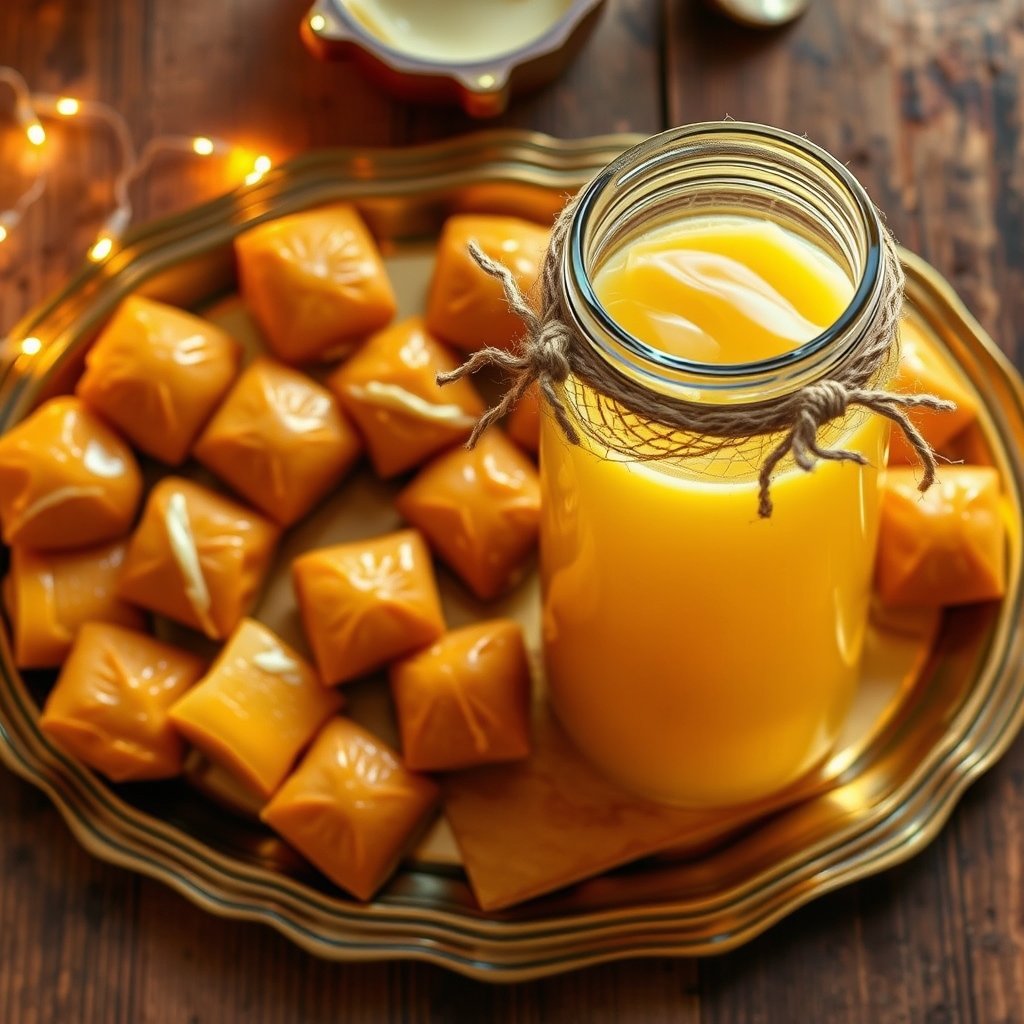 Diwali sweets depend on ghee because it acts as a high-heat roasting medium, a natural preservative, and the primary source of the rich, sand-like texture that defines traditional Indian festive treats. In the weeks leading up to the festival of lights, home kitchens across India are filled with the unmistakable aroma of roasting flours and simmering sugar. This distinctive fragrance, which signals the arrival of the festive season to the entire neighborhood, comes not from the sugar or the flour, but from the gentle warming of pure ghee.
Why does the texture of Diwali sweets rely so heavily on ghee?
The secret to the melt-in-the-mouth texture of traditional sweets lies in how ghee interacts with starches and sugars. When you roast chickpea flour (besan) or wheat flour (atta) in ghee, the fat coats each individual starch granule. This coating prevents the flour from absorbing moisture too quickly when sugar syrup or milk is introduced, stopping the mixture from becoming gluey or sticky. Instead, the sweet retains a delicate, crumbly texture that dissolves easily on the tongue.
Using a traditional bilona ghee, made from the curd of A2 Gir cows, enhances this effect. Because bilona ghee is simmered slowly over a low flame, it retains tiny caramelized milk solids that contribute to a natural graininess (danedaar texture). When mixed into laddoos or barfis, these tiny grains give the sweets their characteristic rustic bite, a quality that refined vegetable fats or mass-produced cream-separated fats simply cannot replicate.
Which specific Diwali sweets cannot exist without pure ghee?
While modern adaptations exist, classic festive preparations lose their identity entirely without ghee. Take Mysore Pak, for example. The porous, honeycomb structure of traditional royal Mysore Pak is created by pouring boiling hot ghee over a cooked mixture of chickpea flour and sugar syrup. The hot fat causes the moisture in the syrup to vaporize instantly, leaving behind tiny air pockets that give the sweet its iconic texture. Without the high smoke point and specific fat structure of ghee, the sweet would turn dense and hard.
Similarly, winter-facing sweets like dry-fruit pinnis, gond laddoos, and mohanthal rely on ghee for structural stability. At room temperature, pure cow ghee solidifies gently, helping these hand-rolled sweets keep their shape without requiring synthetic stabilizers or heavy binders. This natural solidifying property is what allows home cooks to pack boxes of laddoos for family members living far away, confident they will arrive intact.
How does bilona ghee compare to modern alternatives in sweet-making?
With the rise of commercial sweet shops, many festive treats are now made using refined hydrogenated vegetable oils (vanaspati) or processed liquid oils to cut costs. However, these substitutes alter both the culinary outcome and the digestion of the sweets.
| Property | A2 Gir Cow Bilona Ghee | Vanaspati & Refined Oils |
|---|---|---|
| Natural Aroma | Rich, nutty, and caramelized from slow-cooked curd solids. | Neutral or chemically masked scent. |
| Textural Quality | Gives a delicate, non-greasy, crumbly grain (danedaar). | Can leave a waxy, heavy coating on the palate. |
| Shelf Life | High natural stability; keeps sweets fresh for weeks. | Prone to developing a stale, flat smell over time. |
| Digestive Comfort | Contains short-chain fatty acids that support digestion. | Heavy and slow to break down, often leaving a bloated feeling. |
How does ghee protect and preserve sweets during the gifting season?
Gifting sweets is the cornerstone of Diwali celebrations, requiring preparations to survive days of transit and storage. Pure A2 Gir cow ghee is naturally low in moisture, having had all water evaporated during the slow clarification process of the curd-derived butter. This lack of moisture prevents the growth of spoilage-causing micro-organisms, acting as a natural preservative.
When you prepare sweets like besan barfi or shakarpara in pure bilona ghee, you are wrapping the ingredients in a protective lipid barrier. This barrier prevents the sweets from drying out or absorbing dampness from the autumn air, ensuring that the box of sweets opened a week after Diwali tastes just as fresh, moist, and aromatic as the day it was prepared.
What is the Ayurvedic wisdom behind eating ghee sweets in autumn?
Ayurveda views the consumption of ghee during Diwali as a mindful practice aligned with the seasons (Ritucharya). Diwali falls during the transition from autumn to winter, a period characterized by dry, cool winds that can increase Vata dosha in the body, leading to dry skin, sluggish digestion, and joint stiffness. Ghee is highly valued in Ayurvedic traditions for its snigdha (unctuous or lubricating) qualities, which help counter this seasonal dryness from the inside out.
Additionally, during this seasonal shift, the digestive fire (Agni) naturally strengthens to prepare the body for the cold months ahead. Preparing festive sweets with nourishing A2 Gir cow ghee provides the body with clean, concentrated energy that is easily processed by a healthy digestive system. When combined with warming spices like cardamom, nutmeg, and saffron, these sweets do not just satisfy the palate—they help nourish the deeper tissues of the body during the cold months ahead.