
Best Ghee for Sweets: A2 Bilona Ghee Is the Gold Standard
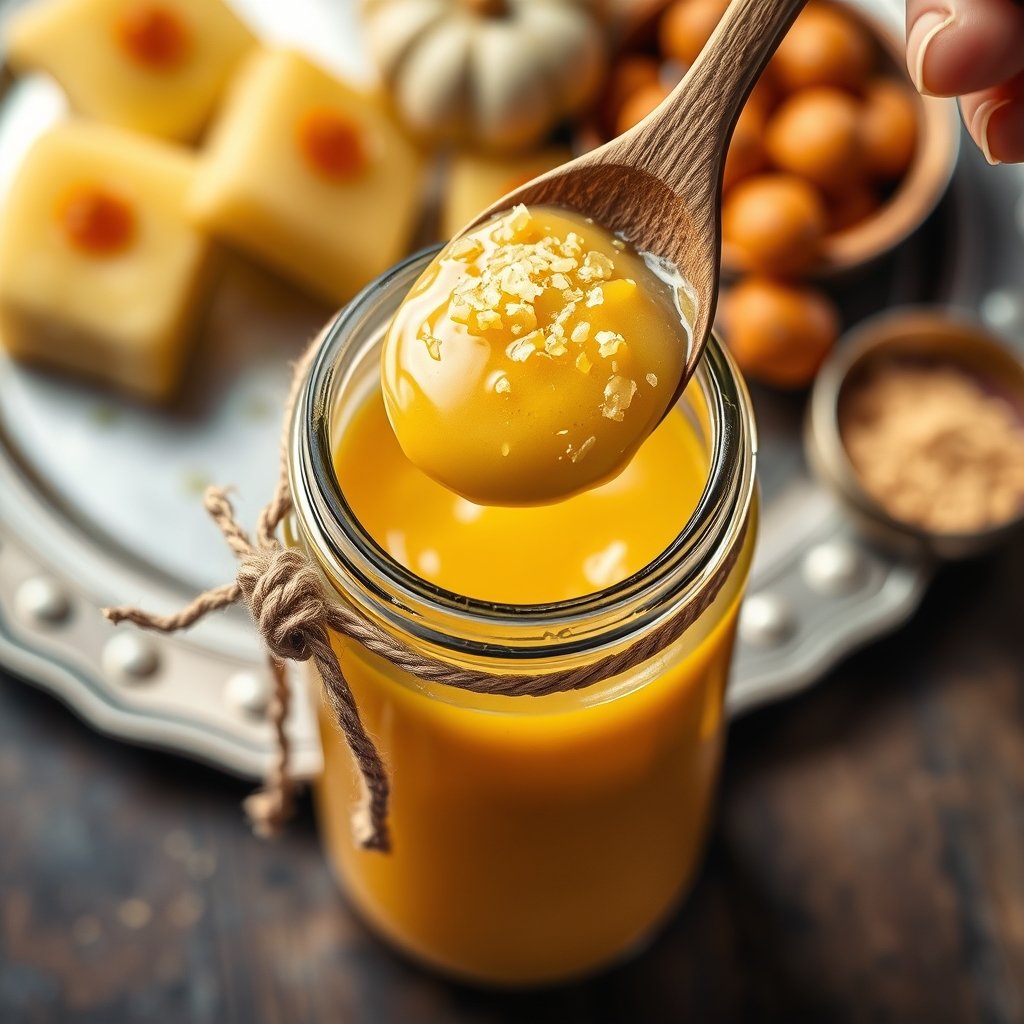
The best ghee for making sweets at home is A2 Gir cow ghee made via the traditional bilona method, which provides the necessary heat stability and deep aromatic profile required for roasting flours and nuts. Unlike standard store-bought options, bilona ghee is crafted from curd rather than cream, resulting in a complex, nutty fragrance that defines high-quality Indian mithai.
| Feature | A2 Gir Bilona Ghee | Standard Commercial Ghee |
|---|---|---|
| Base Ingredient | Cultured curd churned from A2 milk | Fresh milk cream (Malai) |
| Flavor Profile | Nutty, toasted, and deeply aromatic | Mild, fatty, or neutral |
| Texture | Naturally granular and 'danedaar' | Waxy, smooth, or oily |
| Kitchen Performance | Resists burning at high roasting heat | Prone to smoking or discoloring early |
Why is the ghee you choose critical for Indian sweets?
Indian mithai is often built around a single fat, making the quality of that fat the most influential factor in the final dish. Unlike savory cooking where various spices like turmeric, chili, or cumin might mask the base oil, sweets like Kaju Katli, Moong Dal Halwa, or various types of Barfi use ghee as a primary flavor carrier. If the ghee is of poor quality or contains additives, it leaves a greasy film on the roof of the mouth and a flat, uninspired taste. A high-quality A2 Gir cow ghee acts as more than just a lubricant for the pan; it provides the 'sondha-pan' or the earthy, toasted note that defines traditional Indian desserts. When you spend hours stirring a heavy pot of milk or roasting lentils, the fat must be able to withstand long cooking times without breaking down or developing an off-smell.
How does the bilona method affect the flavor of mithai?
The bilona method involves turning milk into curd, then churning that curd to extract butter, which is then slowly heated to produce ghee. This fermentation process is what creates the superior flavor profile needed for sweets. In contrast, commercial ghee is often made by spinning fresh cream in a centrifuge. This 'cream-ghee' lacks the complex, lactic tang and the deep, nutty fragrance that cultured bilona ghee possesses. When making sweets at home, that fermented essence translates into a richer aftertaste. It is the difference between a sweet that just tastes sugary and one that has the multi-layered depth of a traditional halwai-made delicacy. The bilona process ensures that the milk solids caramelize gently, lending a natural golden hue to your desserts without the need for artificial coloring.
Our cows are not use and throw

A cow that stops giving milk is still our cow. She stays on the farm, with the same feed, the same shed and the same medical care she had when she was milking. We do not sell her on and we do not let her go. That is the whole basis of the ghee we make — you cannot ask an animal for her milk and then abandon her for it.
Our mission goes further than our own herd. There are cows on the street who are injured every day, who eat plastic, who cry through the night with nobody coming. We want to take them in. The plan is a chain of Organic Farmz gaushalas in several places, so that help is not one shed in one city but something a hurt animal can actually reach.
This takes more than we can carry alone — land, fodder, vets, hands. Come and join our initiative. Anything you give goes to feed, treat and shelter these cows.

Scan with any UPI app
Bank transfer
- Account name Organic Farmz
- Bank Indian Bank
- Account number 8133177322
- IFSC code IDIB000K555
- UPI ID organicfarmz@ptaxis
On a phone, the button above opens your UPI app directly — a QR on the screen you are reading cannot be scanned by that same screen. On a laptop, scan the code with your phone instead.
Why is A2 Gir cow ghee preferred for high-heat roasting?
Most Indian sweets begin with the process of 'bhuna' or slow roasting of dry ingredients like chickpea flour, semolina, or wheat flour. This requires a fat with a high smoke point—typically around 250°C (482°F). A2 Gir cow ghee is exceptionally stable under these conditions. If you use a lower-quality fat or a ghee that hasn't been clarified properly, it may begin to smoke and burn the flour before it is fully cooked. This results in a bitter undertone that can ruin an entire batch of expensive ingredients. The purity of A2 Gir cow ghee, free from the vegetable oil blending often found in mass-produced alternatives, ensures that the heat is distributed evenly. This allows the flour to change color from pale to a rich mahogany slowly, ensuring the raw smell is completely eliminated without any risk of scorching.
What should you look for on a ghee label before making sweets?
Before you start your festival preparations, check the label of your ghee jar for three specific indicators: 'Bilona' or 'Cultured', 'A2 Gir Cow', and 'Small Batch'. Avoid jars that list 'Hydrogenated oils', 'Permitted flavors', or even those that simply say 'Milk Fat' without specifying the source or process. For sweets, you want a product that is made from the milk of grass-fed cows, as the diet of the cow directly influences the carotenoids in the milk, which gives your sweets a natural, appetizing yellow tint. Furthermore, ensure the ghee was made by simmering butter extracted from curd, not cream. A label that mentions 'Hand-Churned' or 'Traditional Process' is usually a sign that the ghee will have the granular texture required for professional-grade mithai results at home.
Can the texture of ghee change the final outcome of your barfi or ladoo?
The physical structure of ghee, particularly its graininess or 'danedaar' nature, is vital for the 'bind' and 'mouthfeel' of sweets. When making a ladoo, the grains in the ghee help create a structure that holds the sugar and flour together without making the ball feel heavy or soggy. If the ghee is too smooth or waxy—often a result of industrial processing where the fat is cooled too quickly or processed through high-pressure pipes—the resulting sweet can feel gummy or sticky. Traditional bilona ghee is cooled slowly, allowing large, sandy grains to form naturally. These grains melt at different rates on the tongue, providing a pleasant textural contrast. This is especially noticeable in sweets like Mysore Pak or Pinni, where the texture of the fat is as important as the sweetness of the sugar.
Why is cultured ghee better than cream-based ghee for sweets?
Cultured ghee is fundamentally different because it has undergone a biological transformation through beneficial bacteria during the curdling stage. This process breaks down the proteins and sugars in the milk more effectively than simple cream separation used in modern factories. For the home cook making sweets, this means the ghee carries a much more potent aroma. When you add a dollop of cultured A2 ghee to a hot pan, the fragrance fills the entire home—a characteristic of traditional Indian kitchens that industrial products cannot replicate. Cream-based ghee often requires the addition of artificial flavorings to mimic this smell. By choosing a natural, cultured bilona ghee, you ensure that your sweets have an authentic, clean taste that honors the traditional recipes passed down through generations.
Taste the difference
Small-batch A2 Gir cow ghee, hand-churned to order and delivered across India. Read how we make it if you want the detail first.
Order a jarKeep reading
-
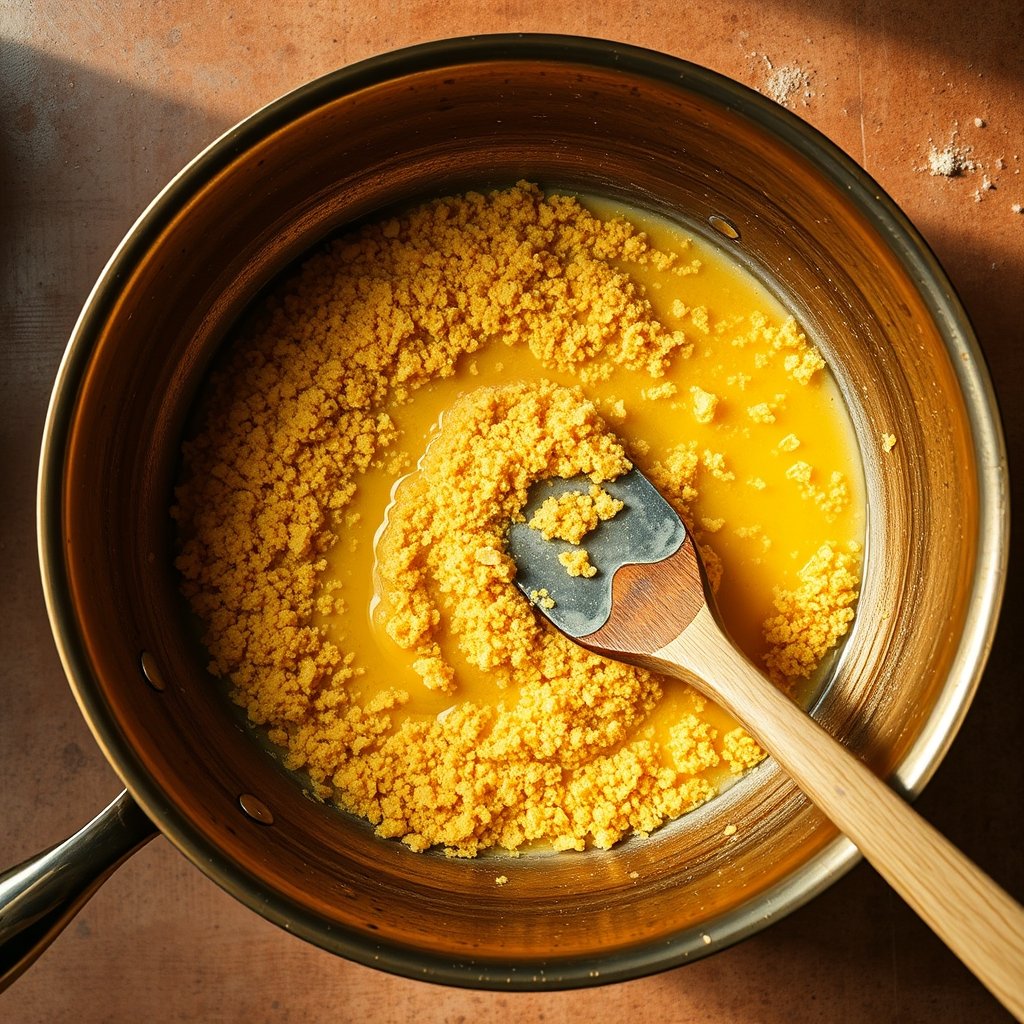 Besan Ladoo Ghee Ratio: Use 1 Part Ghee to 2 Besan
A balanced besan ladoo requires 1 part ghee to 2 parts besan by volume to roast the gram flour slowly…
-
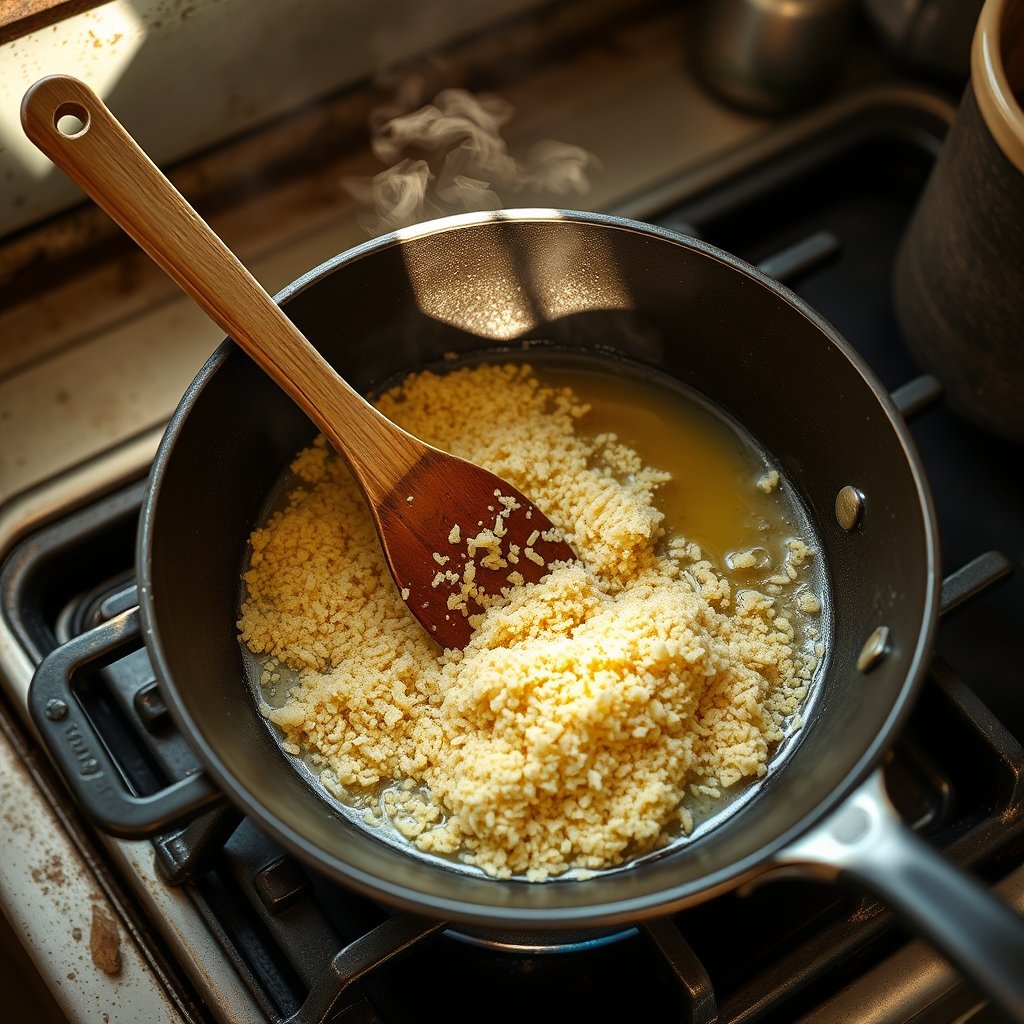 Roasting Rava in Bilona Ghee: The Secret to Lump-Free Halwa
Roasting rava in bilona ghee requires equal proportions of semolina and fat to ensure an even, golden colour…
-
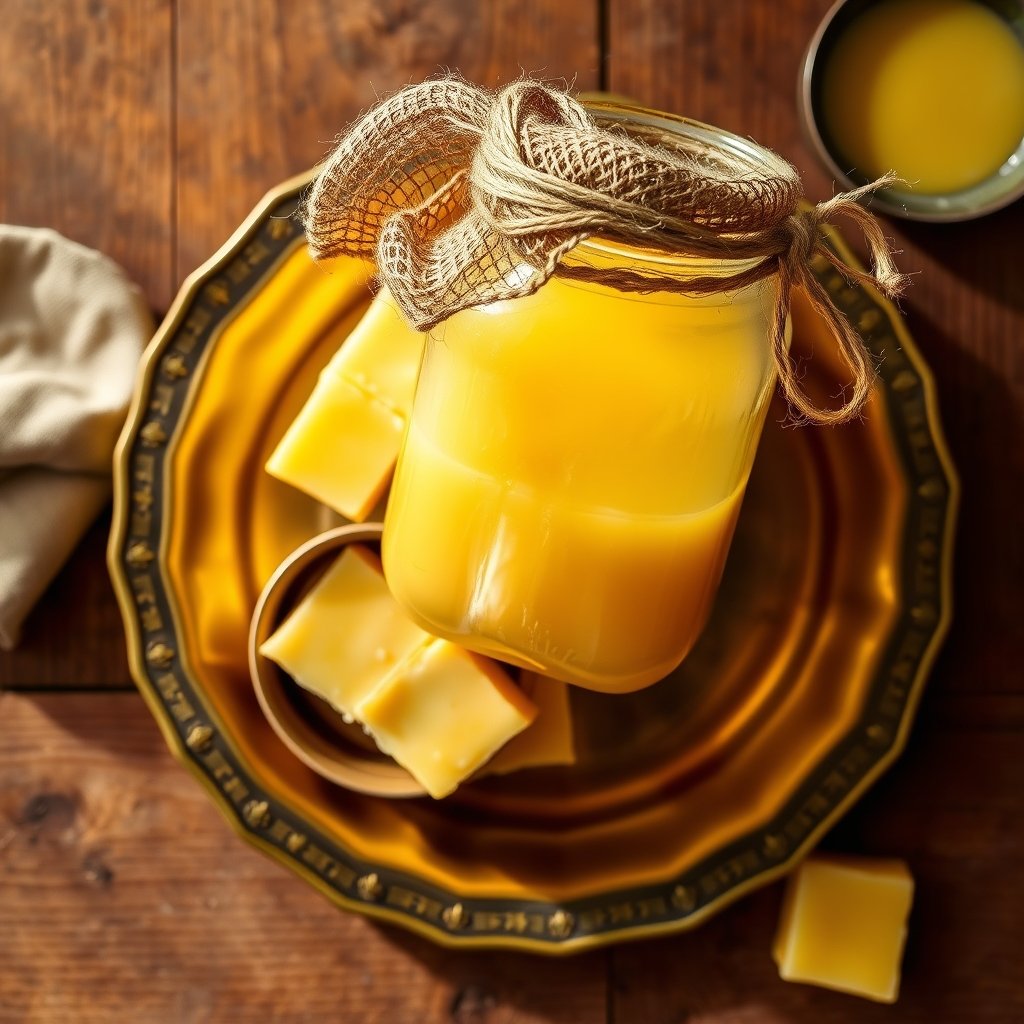 Ghee for Sweets: Barfi, Peda and Mysore Pak
Discover how traditional bilona A2 Gir cow ghee shapes the texture, aroma, and mouthfeel of classic Indian…
