
Ghee Guides
Notes on ghee, the bilona method and cooking the slow way — from the people who make A2 Gir cow bilona ghee in Delhi. 212 articles so far.
 26 Oct 2026
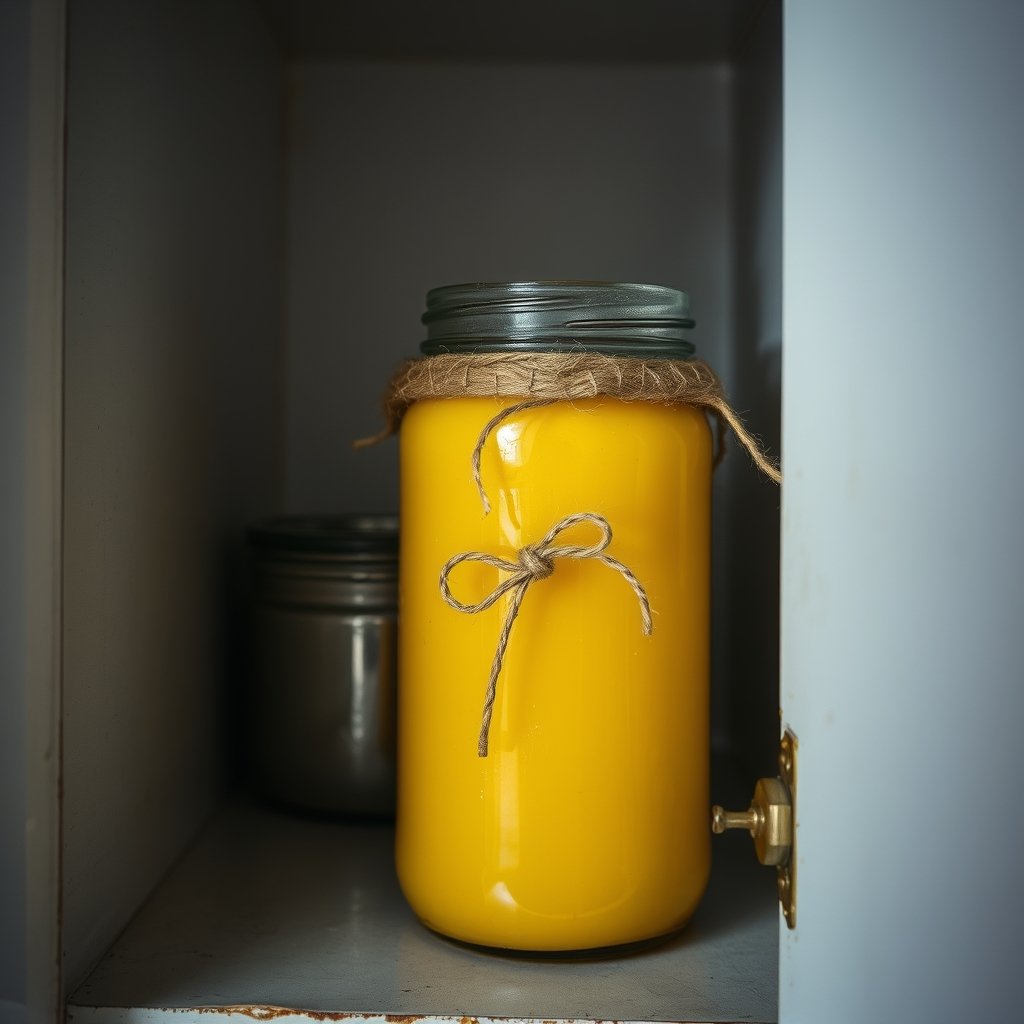
Storing Ghee in Delhi Heat: Keep Jars Dry in Shade
Ghee turns completely liquid in Delhi heat above 35°C, which is normal. Keep the glass jar in a dark, dry cupboard away from water and wet spoons.
Read this →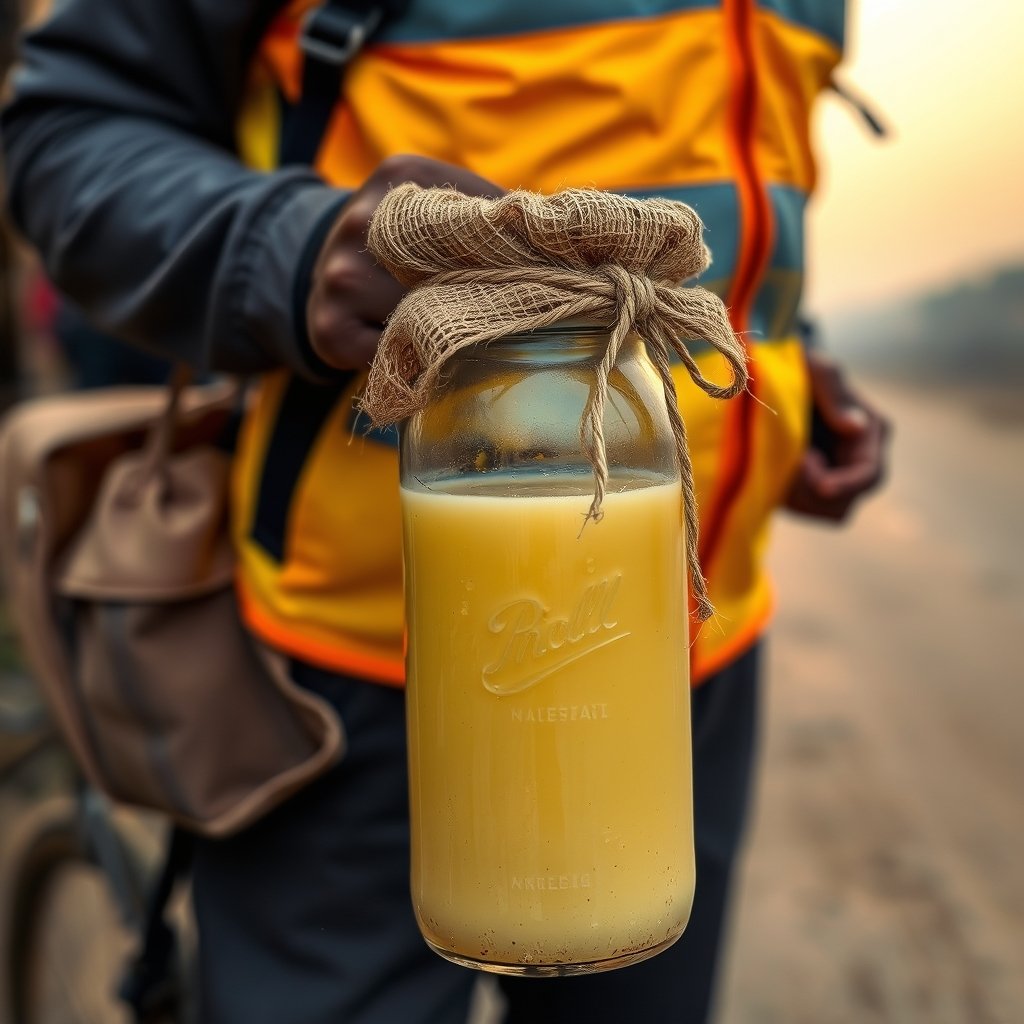 26 Oct 2026
Ghee Delivery in Delhi NCR: From Churn to Doorstep
Ghee home delivery in Delhi NCR moves fresh bilona glass jars directly from rural farm fulfillment points to city riders in protected corrugated…
Read this →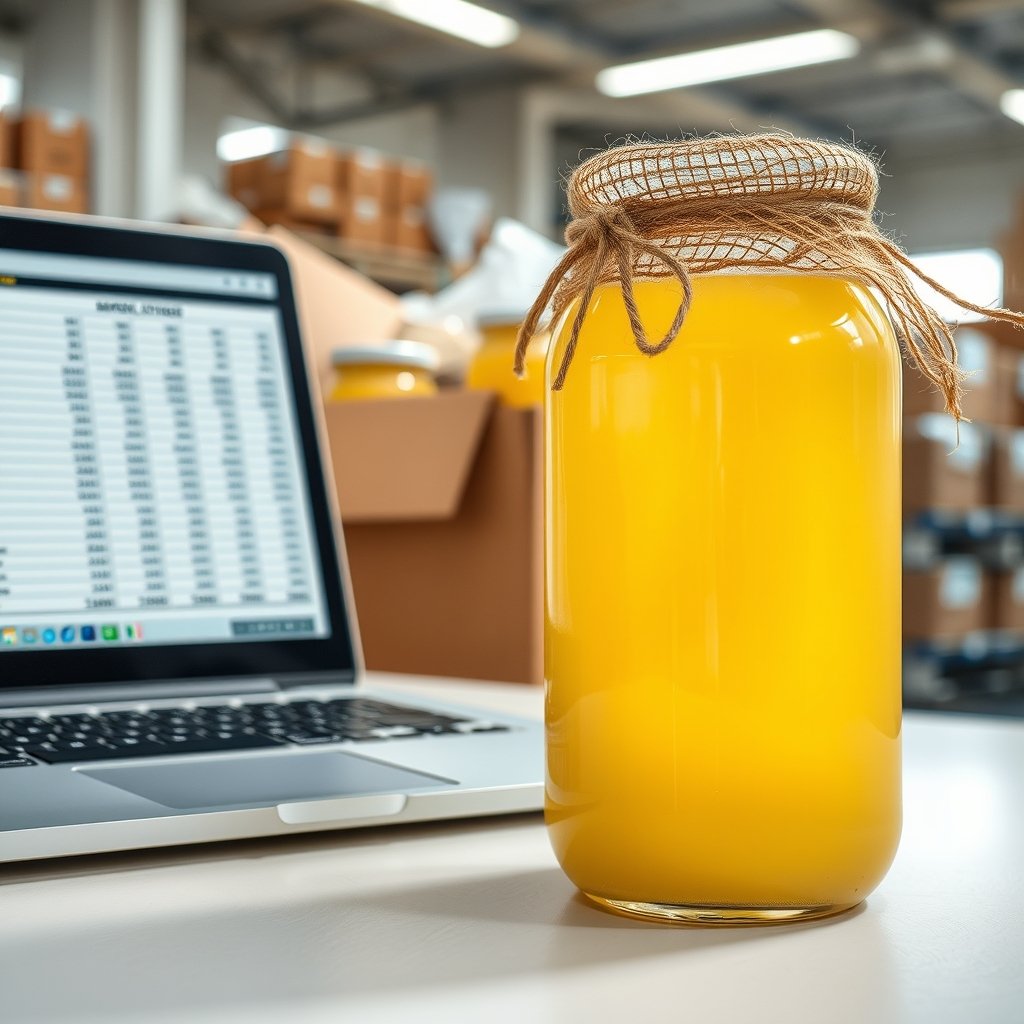 26 Oct 2026
Ghee Reseller Pricing Strategy: Protect Landed Margin
A ghee reseller pricing strategy succeeds by calculating true landed costs including packaging and shipping fees rather than undercutting factory…
Read this →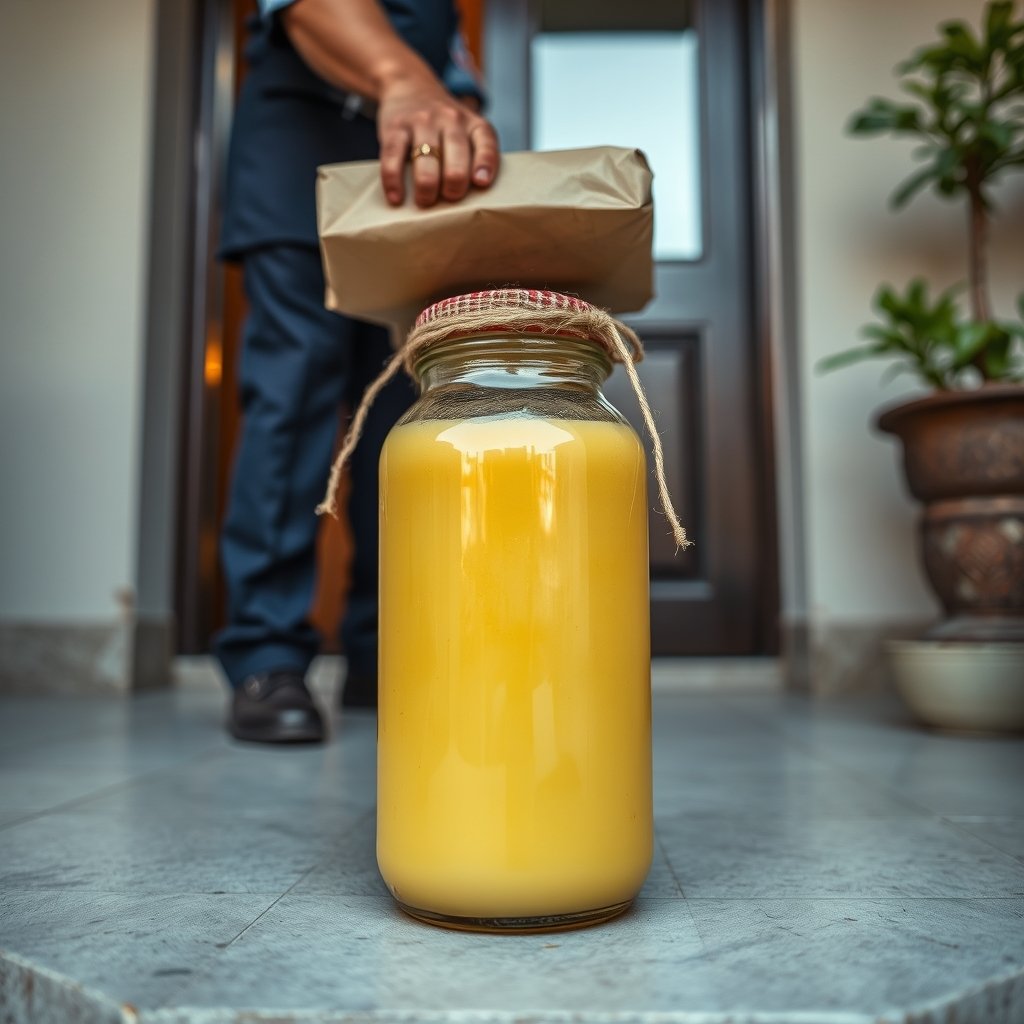 25 Oct 2026
Desi Ghee in Faridabad and Ghaziabad: Fresh Glass Jars
Pure A2 Gir cow bilona ghee reaches Faridabad and Ghaziabad homes in packed glass jars within 24 to 48 hours through direct NCR doorstep courier…
Read this →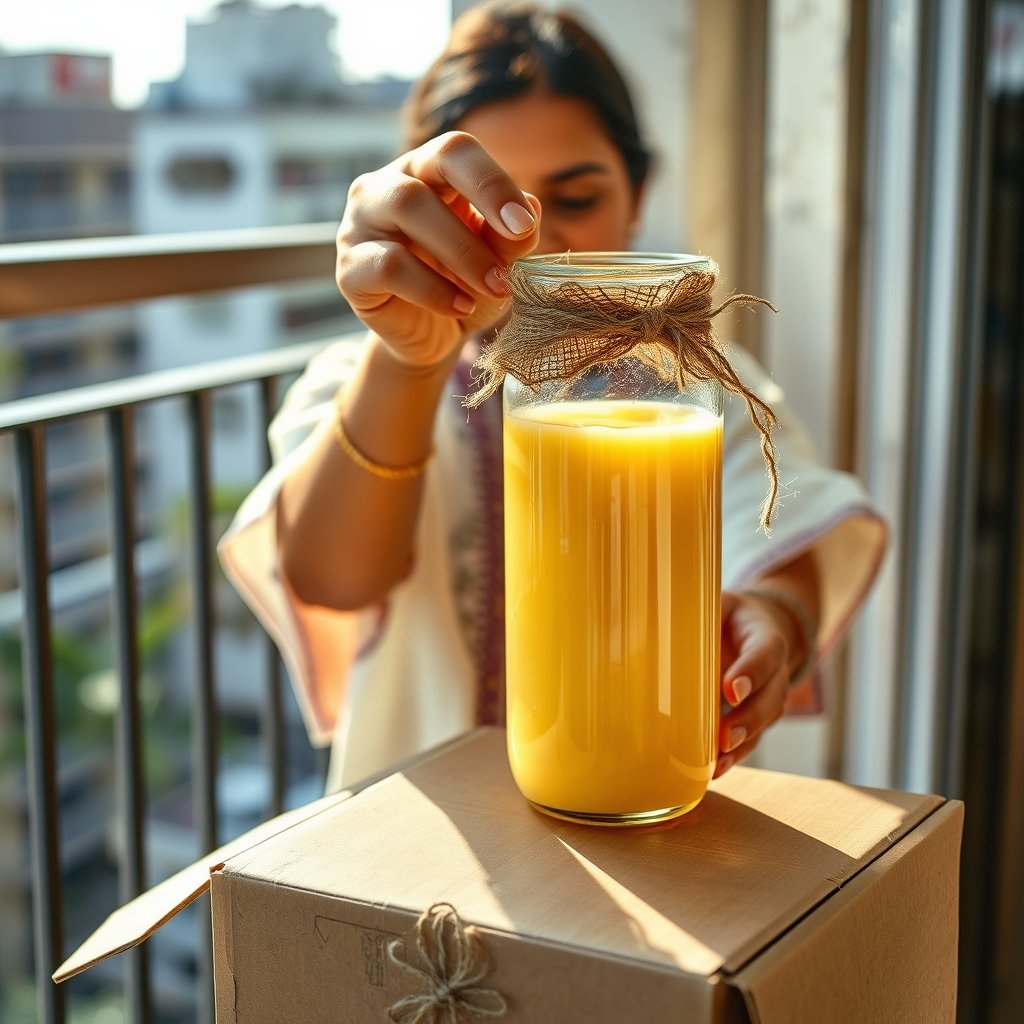 24 Oct 2026
D2C Ghee Brand India: The Work Is Front of House
Launching a D2C ghee brand in India succeeds or fails on customer service, packaging, and brand reach rather than running your own production…
Read this →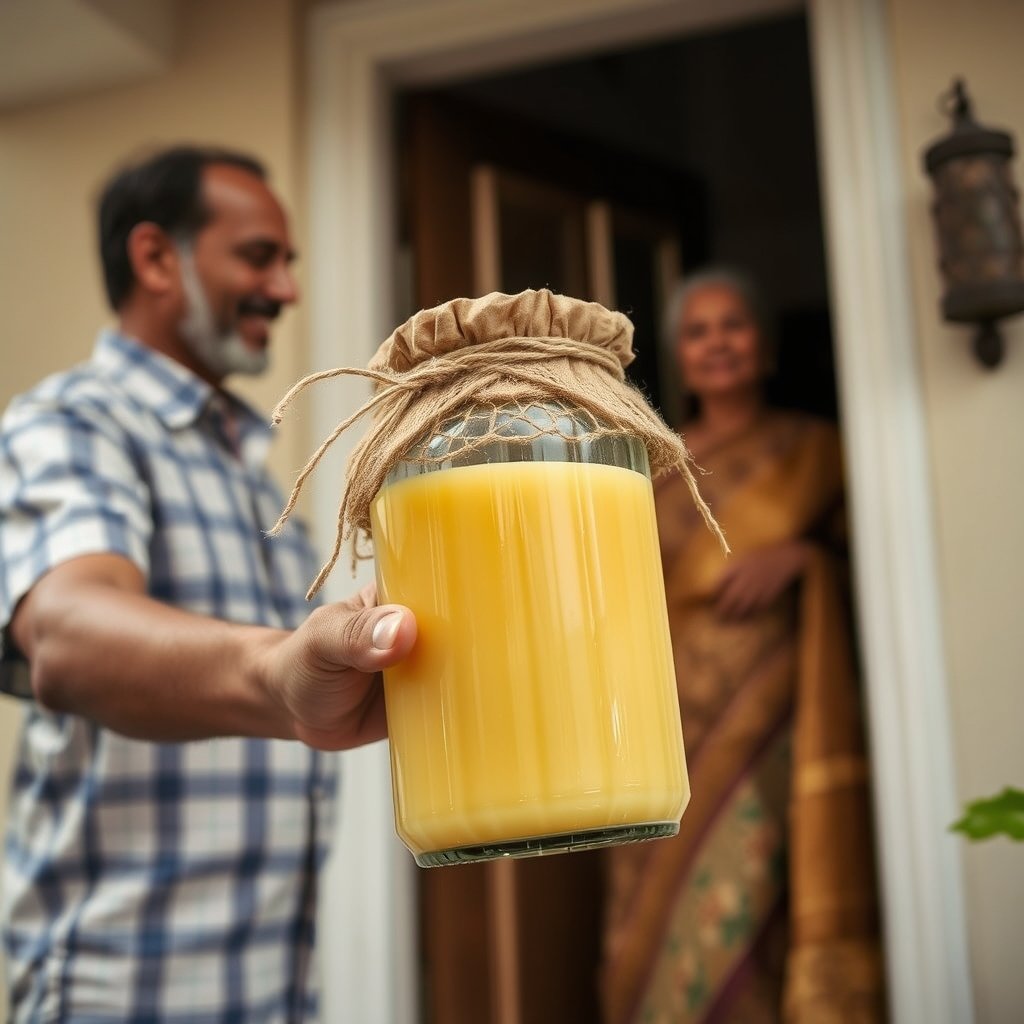 24 Oct 2026
A2 Ghee in Gurgaon: Buy Direct or Pick Retail
To buy A2 ghee in Gurgaon, choose direct maker delivery for fresh bilona batches or high-end retail stores for quick, same-day pantry pickup.
Read this →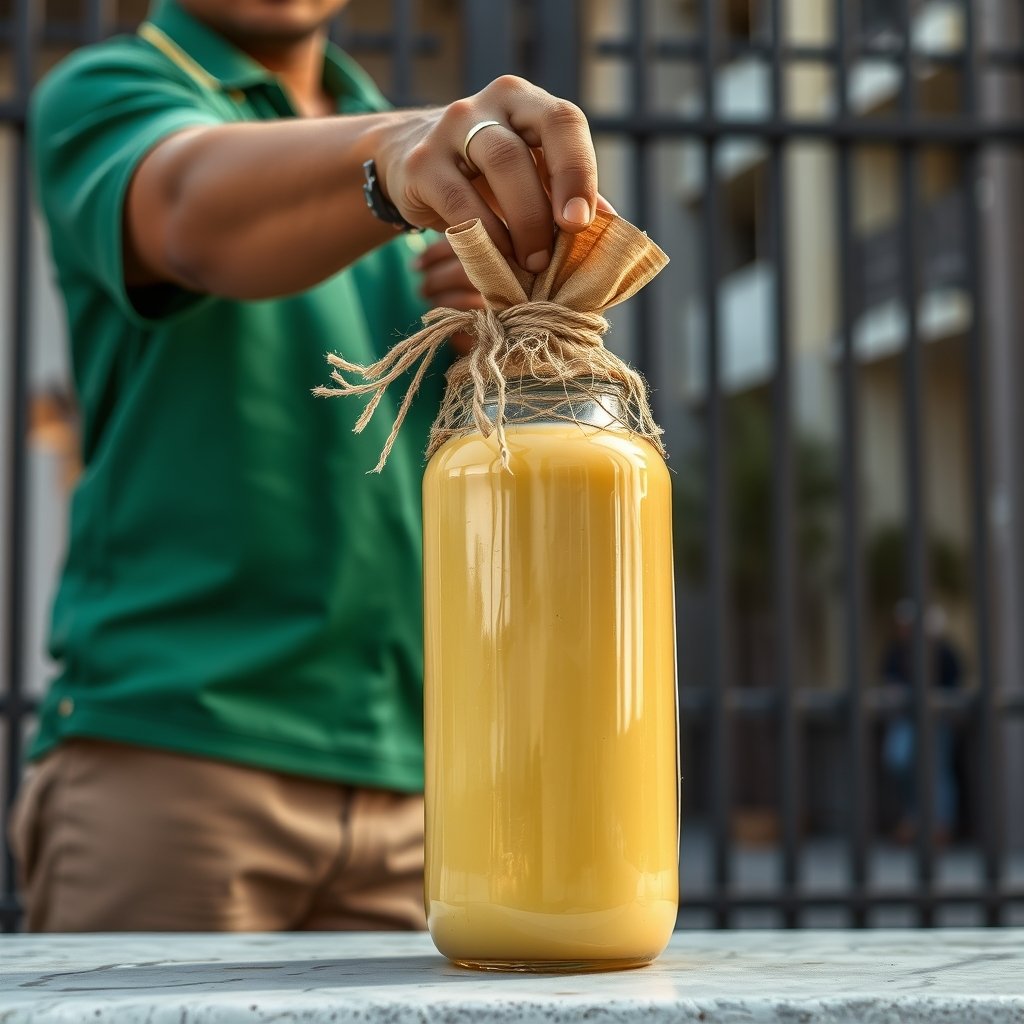 24 Oct 2026
Desi Ghee Noida: Fresh Bilona Jars to Society Gates
Fresh A2 Gir cow bilona ghee delivers directly to Noida sectors and high-rise society gates in protective glass packaging within 24 to 48 hours.
Read this →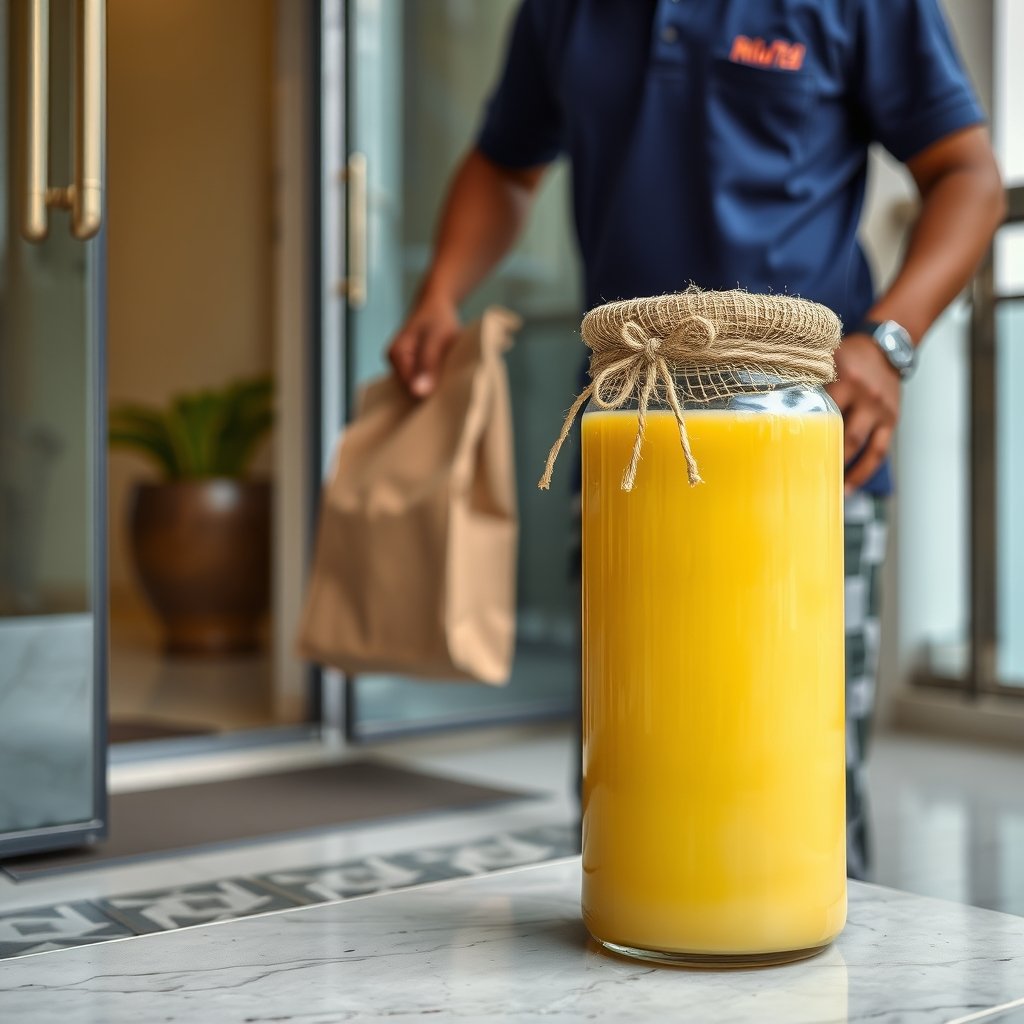 24 Oct 2026
Bilona Ghee in West Delhi: Fresh Glass Jars to Dwarka
Fresh A2 Gir cow bilona ghee is delivered to homes across Dwarka and West Delhi within 24 to 48 hours using secure glass jar courier packaging.
Read this → 24 Oct 2026
A2 Ghee in South Delhi and Saket: Local Delivery Guide
A2 Gir cow bilona ghee is available in South Delhi and Saket via direct delivery from farm-based brands or at specialty organic retailers in GK and…
Read this →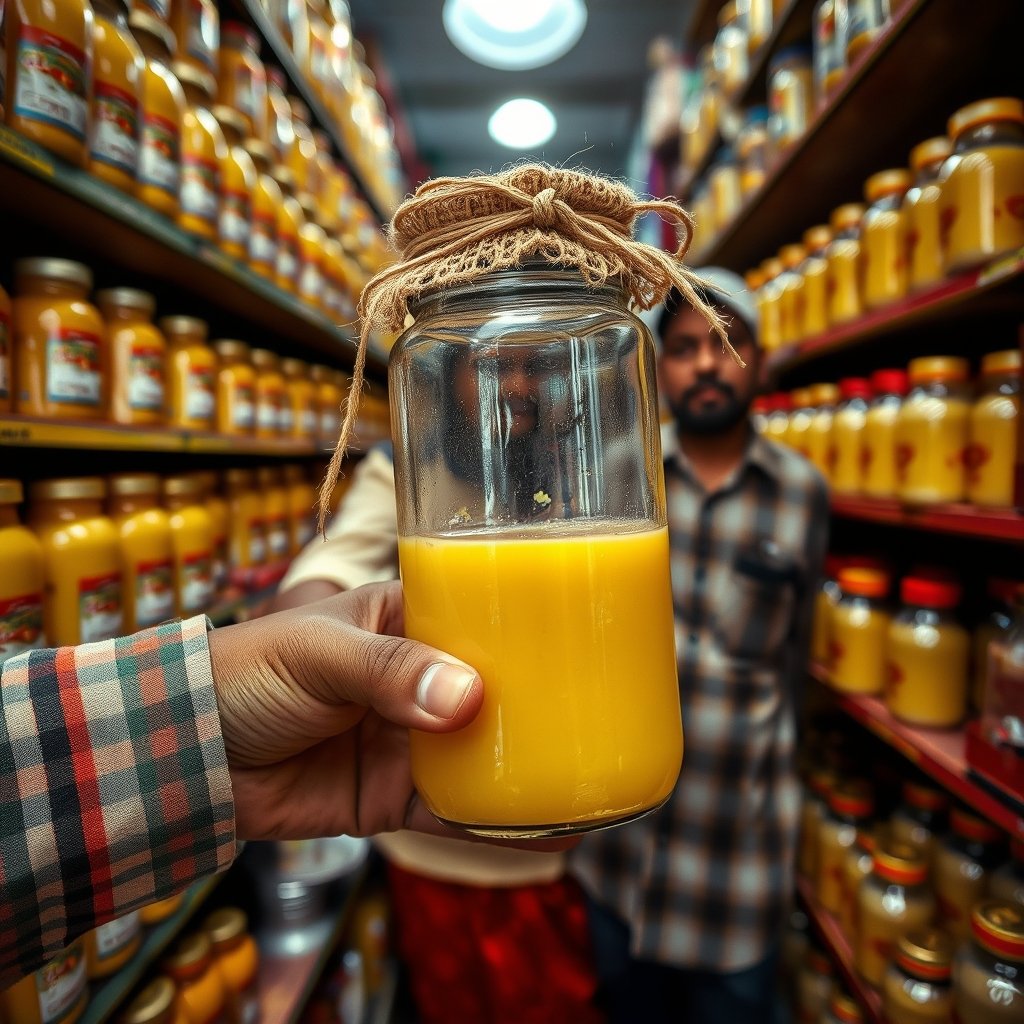 23 Oct 2026
Desi Ghee in Delhi: 5 Options from Kirana to Bilona
Delhi households can buy desi ghee from local kiranas, neighbourhood dairies, wholesale mandis, online apps, or direct traditional bilona makers.
Read this →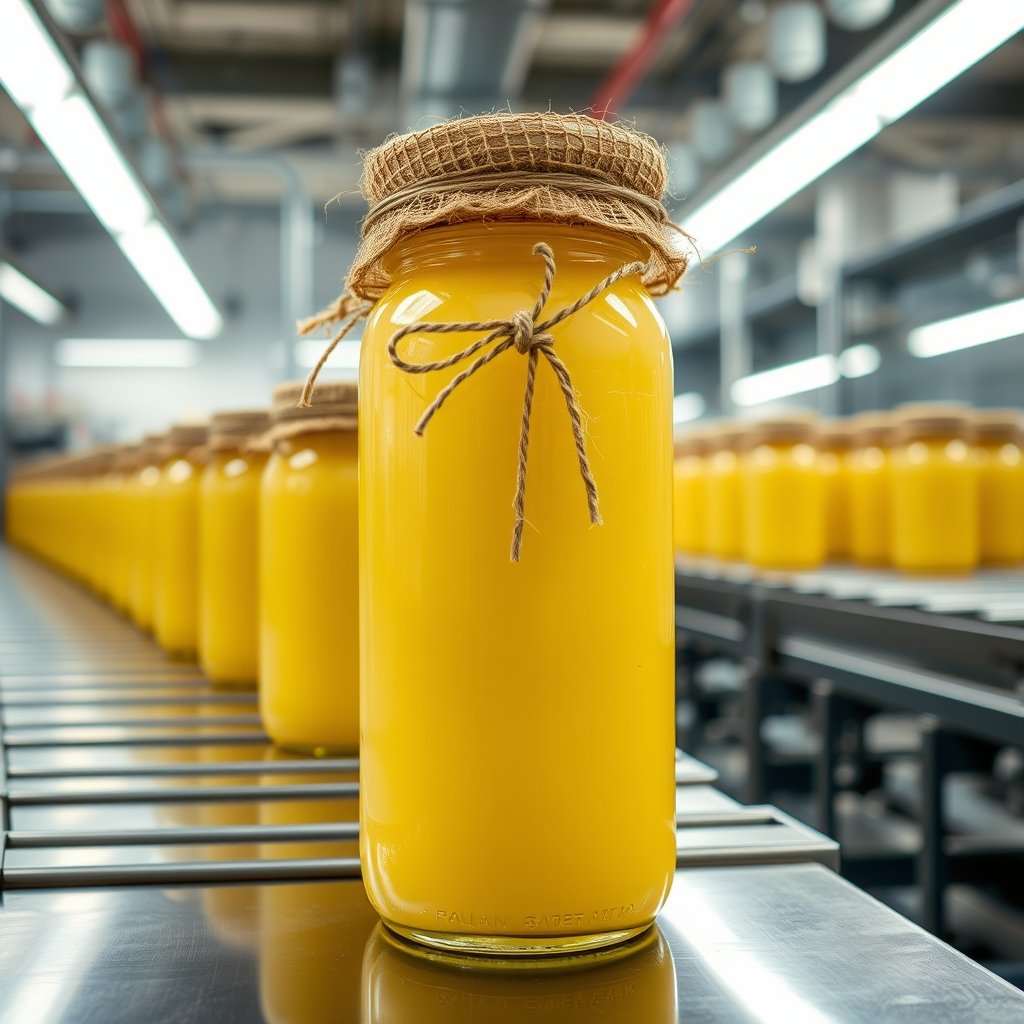 23 Oct 2026
White-Label Ghee Agreement: 7 Essential Clauses
A white-label ghee agreement must define rates, batch volume, artwork rights, glass jar specs, quality rejection rules, and exit terms clearly.
Read this → 23 Oct 2026
When to Reorder Ghee: Buy When Jar Hits One-Quarter
Reorder ghee when your current jar drops to one-quarter full, giving five to seven days for fresh A2 bilona ghee delivery before you run dry.
Read this → 23 Oct 2026
Monthly Grocery List Ghee: Buy 500ml Per Person
Slot ghee into your monthly ration list at 500ml per person for daily cooking, or order 1-litre glass jars quarterly for better pantry management.
Read this → 23 Oct 2026
Ghee Jar Label Artwork Requirements: What to Send
A ghee jar label artwork requires print-ready files, bleed margins for jar curves, heat-resistant legibility, and mandatory FSSAI food safety…
Read this →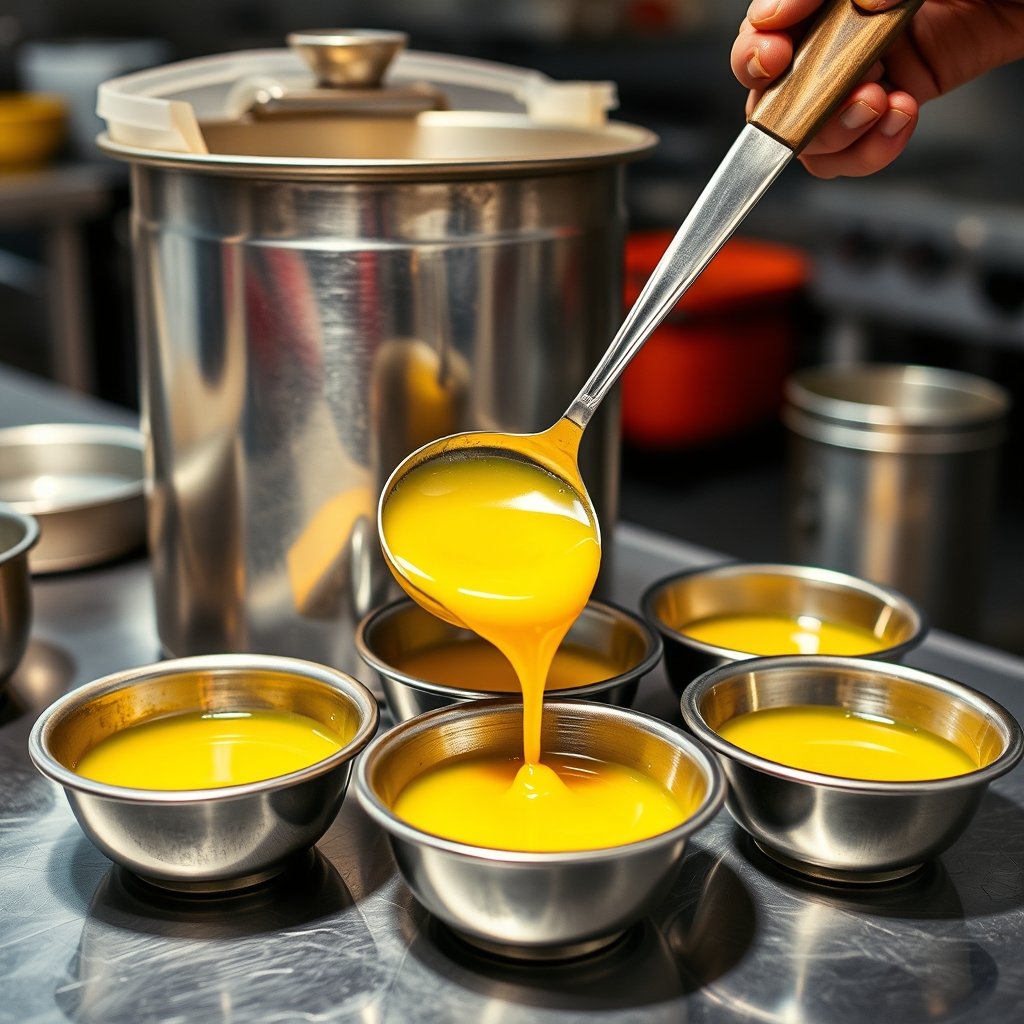 22 Oct 2026
Bulk Ghee for Mess Kitchens: Packaging & Care
Buying bulk ghee for a mess kitchen requires durable wide-mouth packaging, dark storage away from steam, controlled decanting, and consistent batch…
Read this → 22 Oct 2026
Ghee or Butter on the Monthly Grocery Bill: Ghee Lasts Longer
Ghee is the more efficient choice for a monthly grocery budget because its 100% fat content and lack of moisture prevent the spoilage common with…
Read this →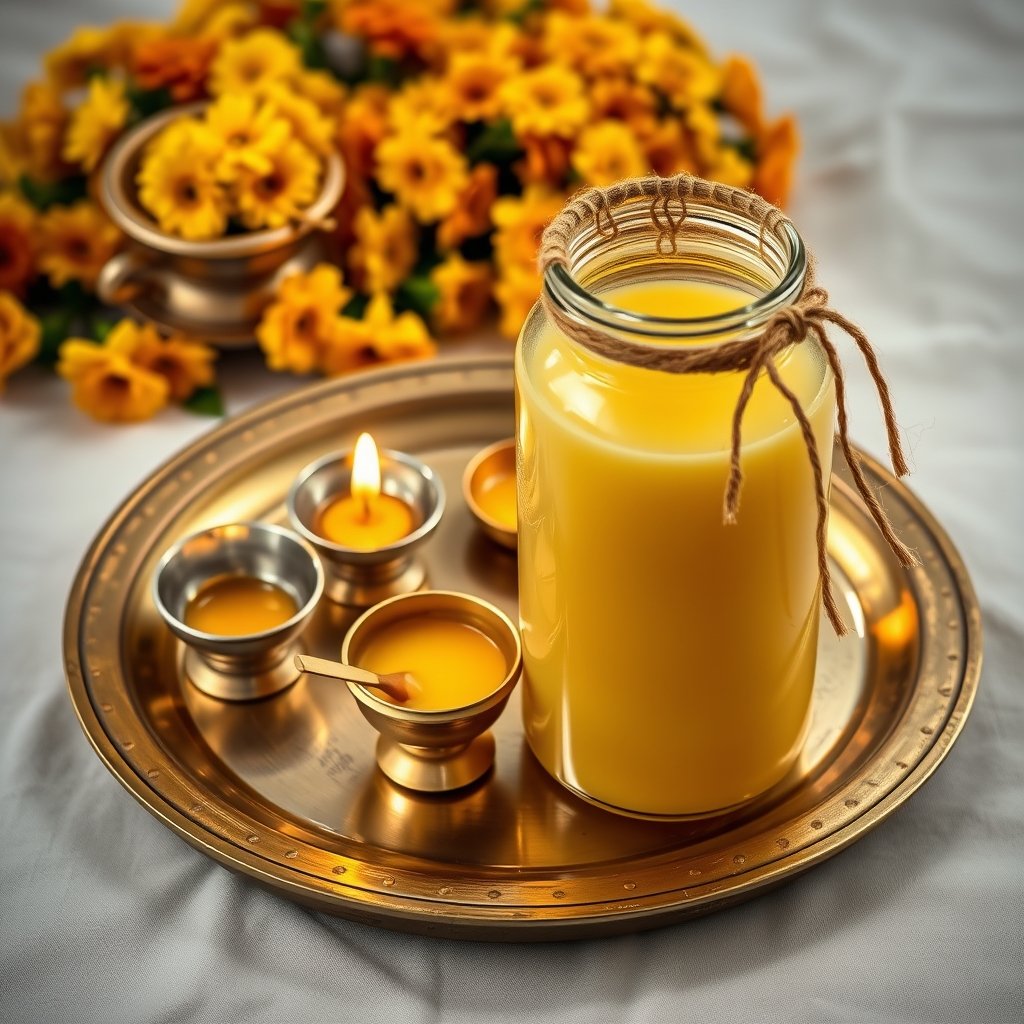 22 Oct 2026
Karva Chauth Shopping List: Why Ghee is Essential
A complete Karva Chauth shopping list includes A2 Gir cow ghee for the pre-dawn Sargi meal, frying mathris, and lighting the traditional evening diya.
Read this → 22 Oct 2026
Gift for Someone Who Cooks Seriously: Choose Pure Fat
An exceptional cooking fat like bilona A2 cow ghee makes the ideal gift for a serious cook because skilled home chefs value ingredients over gadgets.
Read this →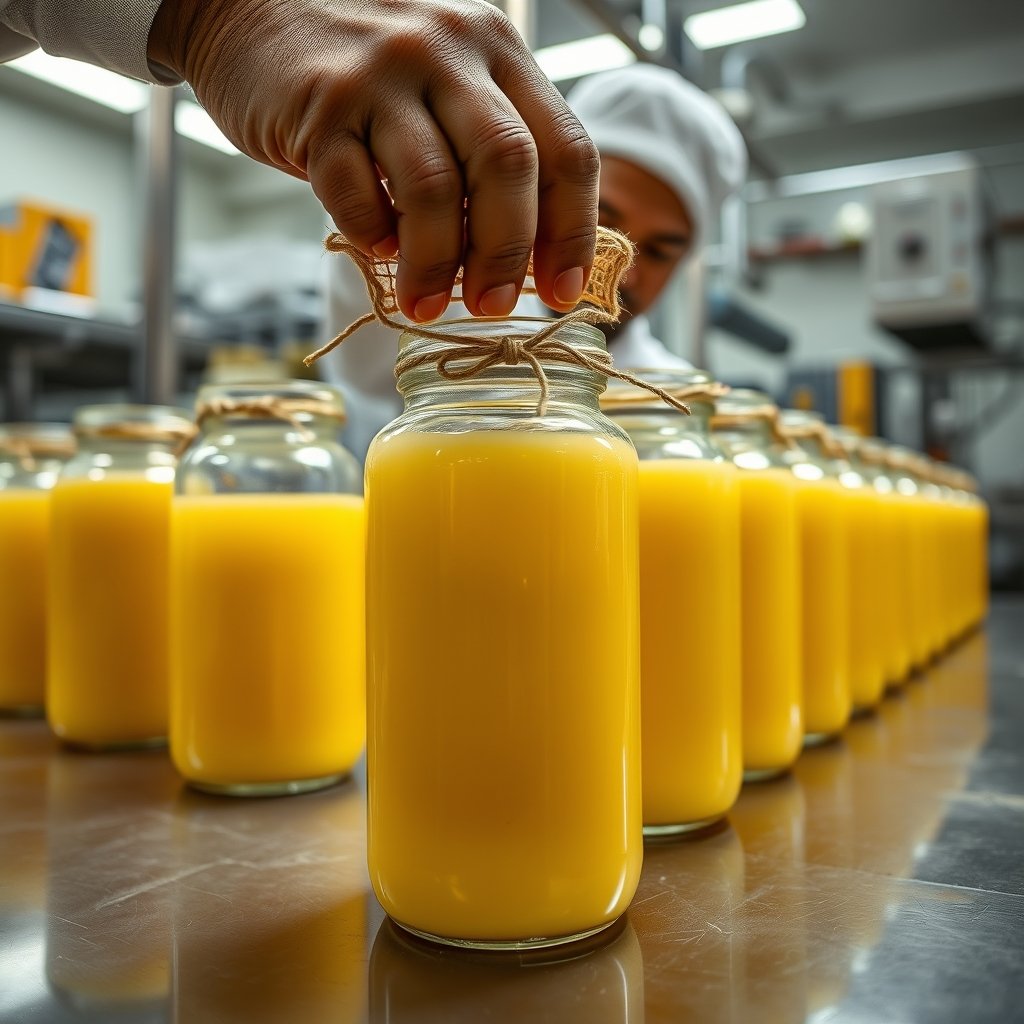 22 Oct 2026
Private Label Ghee: Both FSSAI Numbers Required
A private label ghee jar must show both the brand owner's FSSAI license number and the manufacturer's FSSAI details as required by food safety rules.
Read this →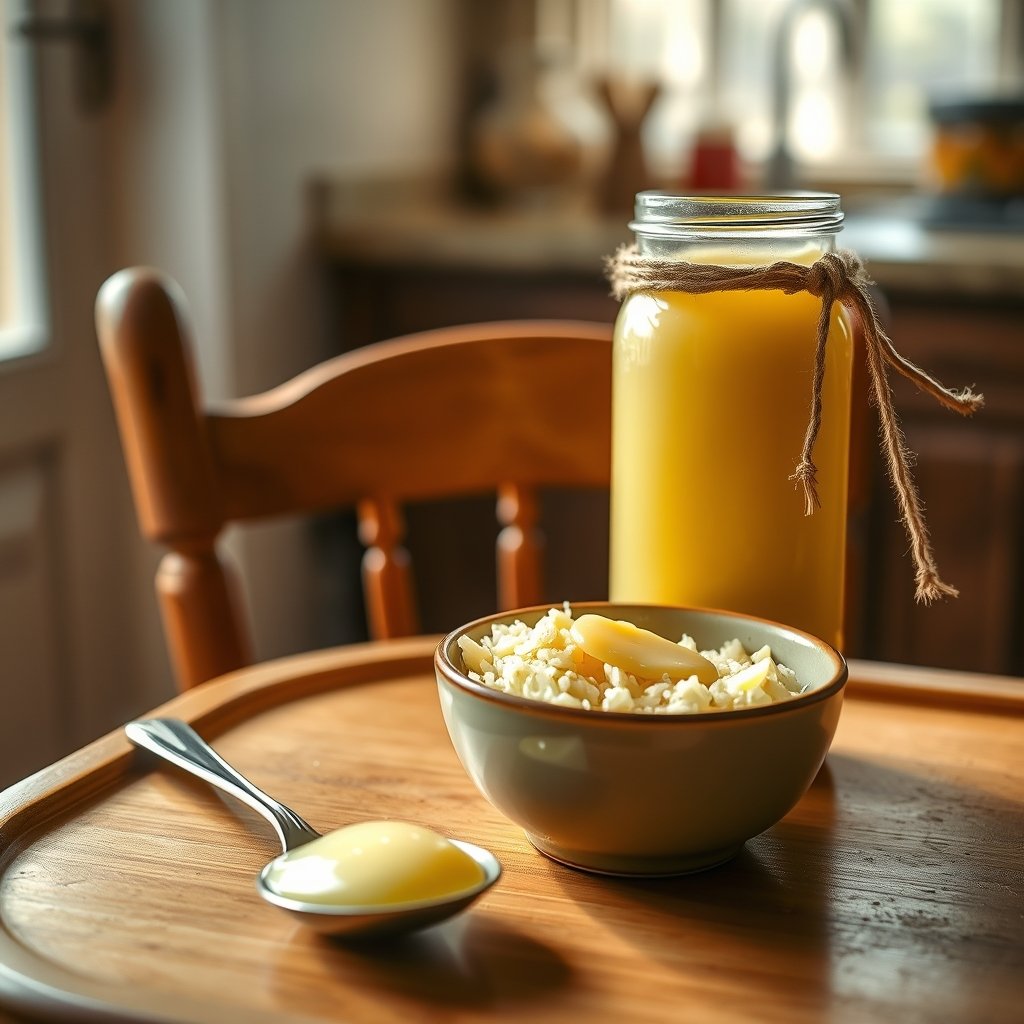 21 Oct 2026
Choosing Ghee for a Toddler: Pick Fresh Bilona
Choose cultured A2 bilona ghee packed in small glass jars for a toddler kitchen to ensure mild sweetness, zero cream carryover, and rapid rotation.
Read this → 21 Oct 2026
Ghee Price Seasonal Variation: Why Summer Costs More
Ghee prices rise in summer because heat reduces milk yields and increases fodder costs, making high-quality bilona ghee more expensive to produce.
Read this →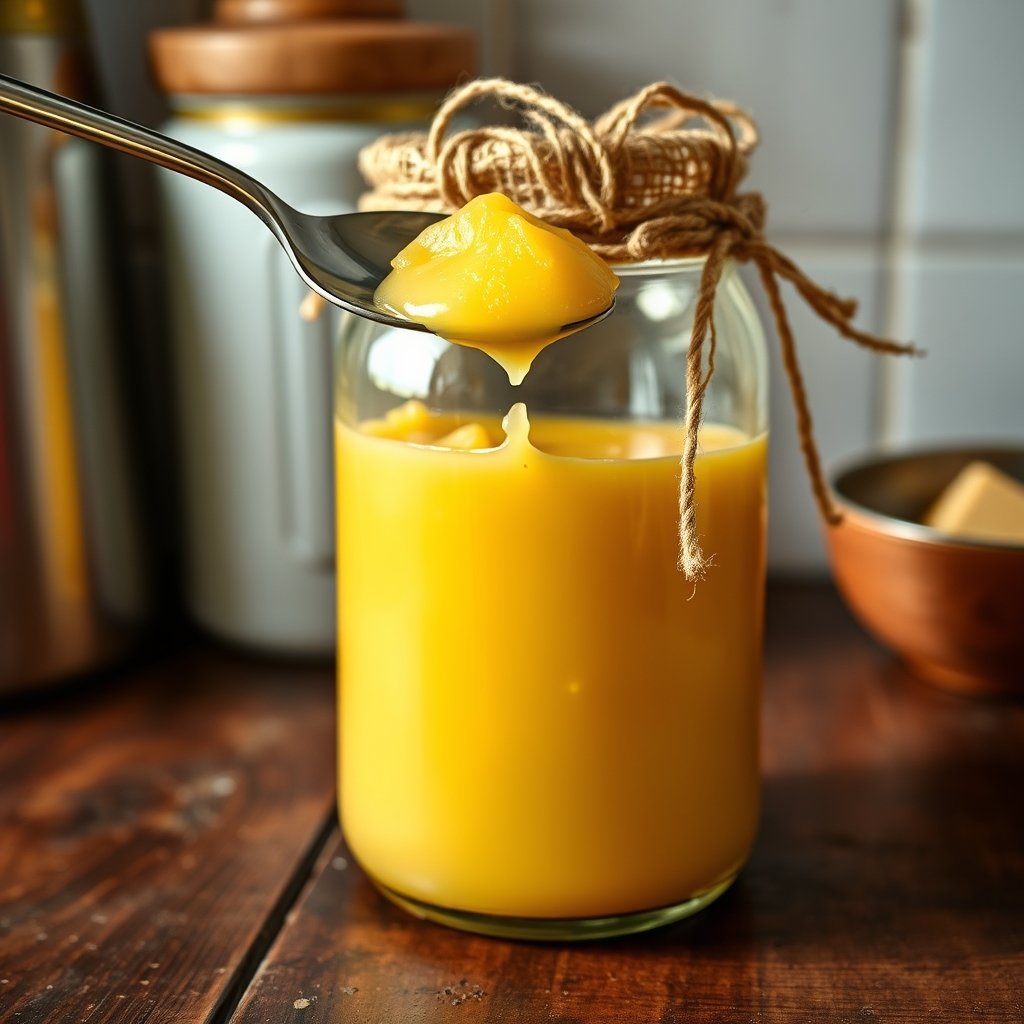 21 Oct 2026
Ghee Reviews Online: Useful Ones Mention Texture
Useful online ghee reviews detail seasonal texture changes, natural grainy settling, and aroma rather than just brief praise or simple star ratings.
Read this →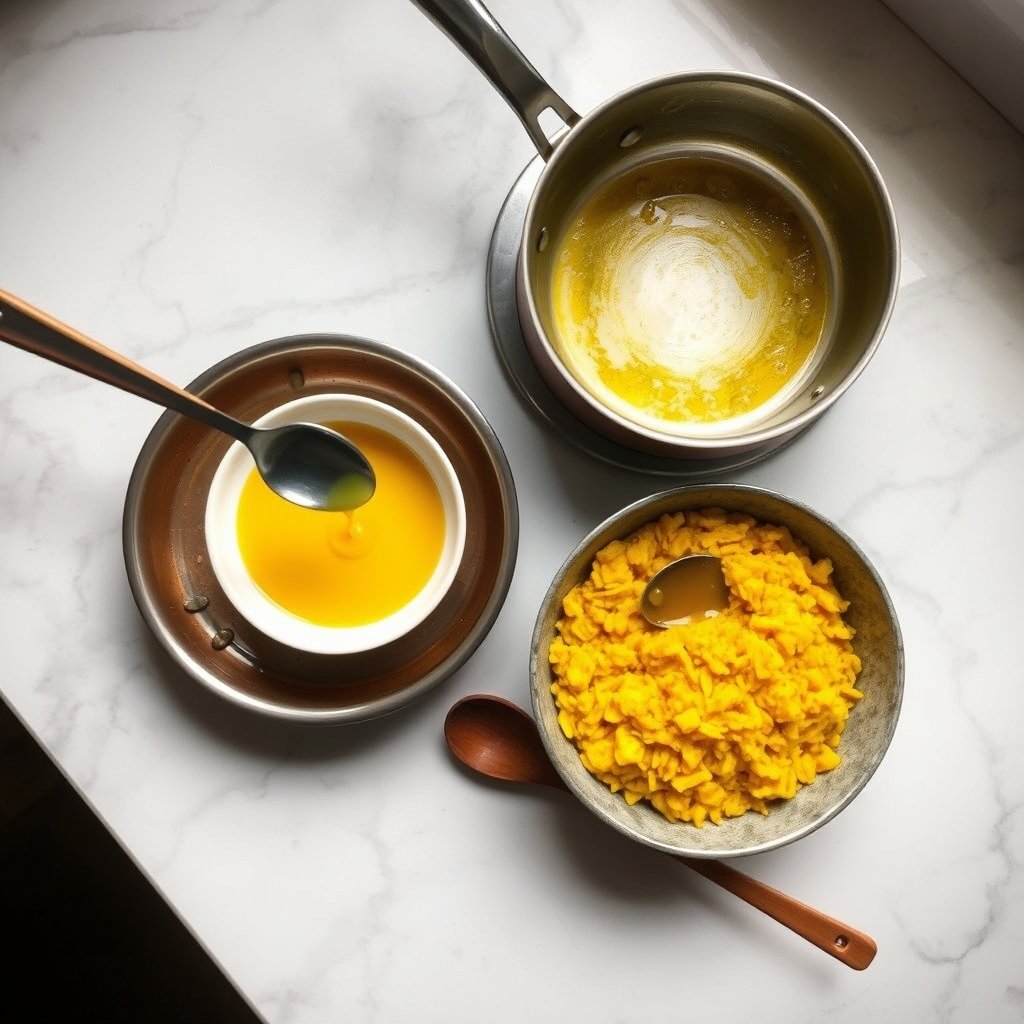 21 Oct 2026
Cooking vs Finishing Ghee: Use One Jar or Two?
Use a single high-quality A2 bilona ghee for both cooking and finishing to ensure consistent flavor, or keep a simpler ghee for deep frying to save…
Read this →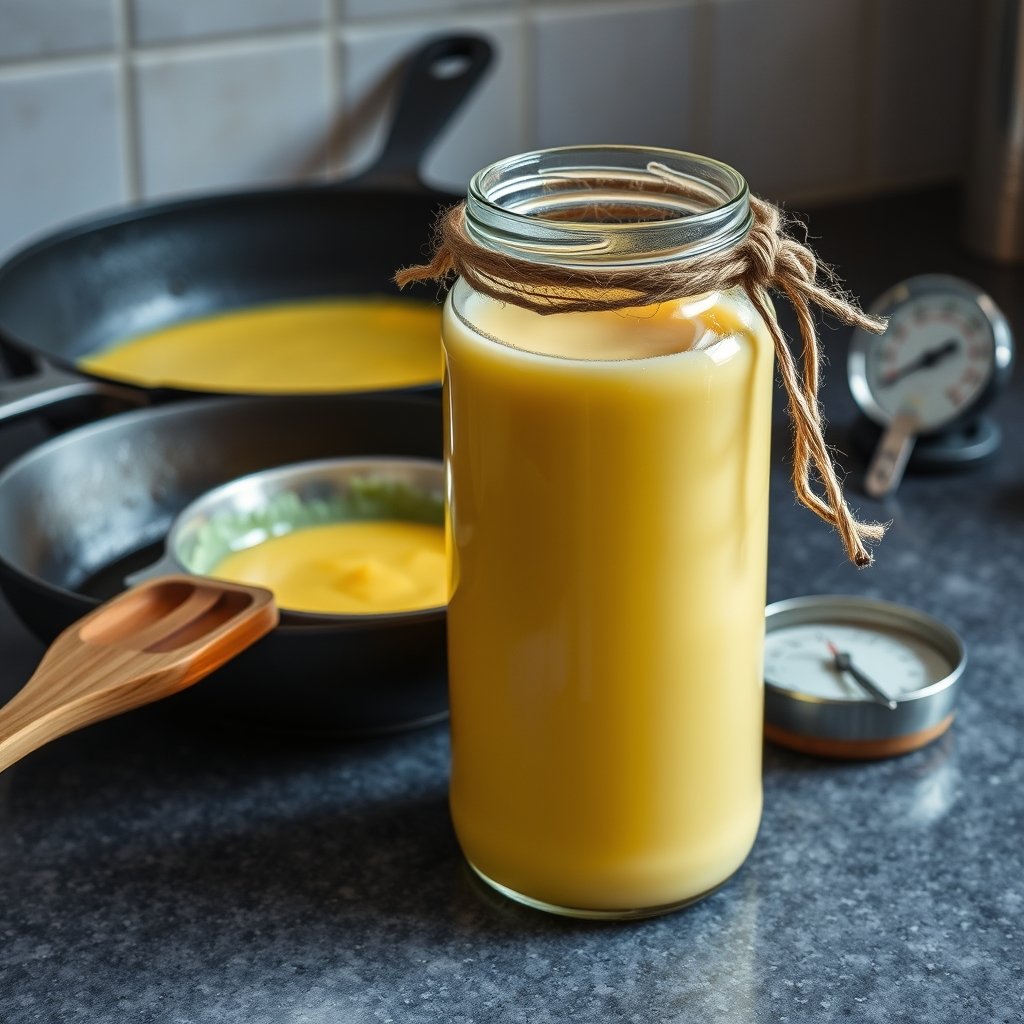 21 Oct 2026
Who Should Not Buy Bilona Ghee: Three Main Reasons
You should not buy bilona ghee if you prefer neutral flavors, need a cheap cooking oil for deep-frying, or require a processed fat with a long shelf…
Read this →