
Bulk Ghee for Mess Kitchens: Packaging & Care
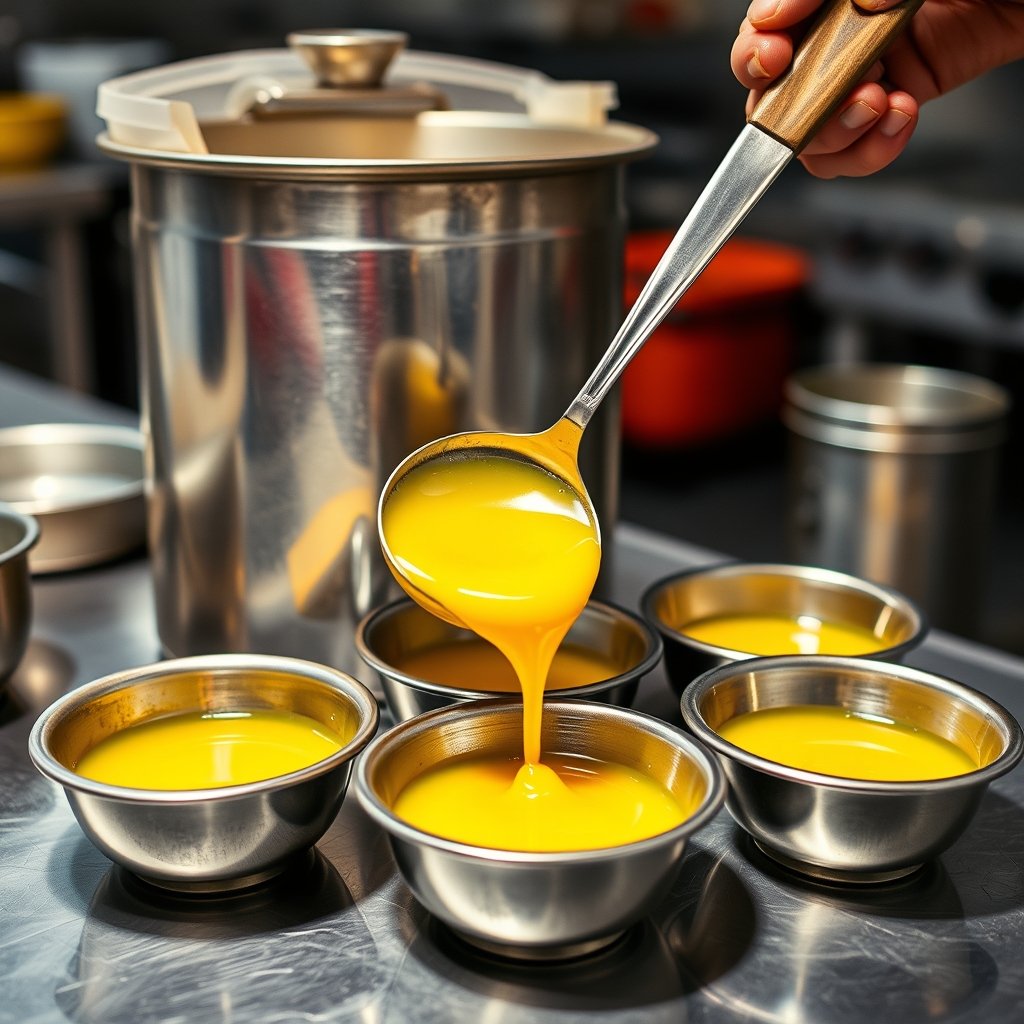
Buying ghee for a hostel or mess kitchen requires focus on pack format, cool storage away from cooking heat, hygienic decanting routines, and strict batch consistency across large food orders. When preparing meals for dozens or hundreds of residents every day, ghee ceases to be a small jar on a dining table. It becomes a foundation ingredient that defines the aroma, mouthfeel, and comfort of daily staples like dal, tadka, khichdi, and phulkas. Managing bulk fats in a high-volume culinary environment demands practical systems to maintain freshness and eliminate waste.
Why Does Pack Format Matter for Large Mess Kitchens?
Large kitchens operate at high speed, making delicate retail containers impractical for daily line cooking. Transitioning to bulk ghee requires sturdy, food-grade packaging like heavy-duty stainless steel drums or wide-mouth tins. Wide openings allow kitchen staff to use heavy long-handled ladles without scraping sides or knocking over containers. Secure, airtight lids prevent steam, moisture, and fine spice dust from entering the primary container during prep hours. Durable packaging also protects the fat from structural damage during transport from the pantry to secondary kitchen areas.
How Should Bulk Ghee Be Stored in a Commercial Kitchen?
Bulk ghee must be stored in a cool, dry pantry away from heat sources like steam jackets, clay tandoors, and deep fryers. High temperatures inside commercial kitchens accelerate oxidation, which degrades the fresh milk aroma and turns deep golden ghee flat over time. Keeping main stock tins on elevated steel shelving keeps them away from floor moisture during routine kitchen washdowns. Keeping the primary container sealed until active decanting ensures that ambient cooking moisture does not settled onto the top layer of fat.
How Does Mess Ghee Handling Compare to Home Kitchens?
Managing fat in a commercial or institutional mess demands distinct operational choices compared to domestic cooking setups.
| Handling Aspect | Home Kitchen Setup | Mess or Hostel Kitchen Setup |
|---|---|---|
| Primary Packaging | 500ml or 1-litre glass jar | Large food-grade tin or steel container |
| Daily Dispensing | Direct spooning from main jar | Decanting into daily stainless working pots |
| Storage Location | Stove-side shelf or counter | Cool, dry pantry away from heat line |
| Moisture Control | Minimal ambient steam exposure | High steam exposure requiring strict decanting rules |
Our cows are not use and throw

A cow that stops giving milk is still our cow. She stays on the farm, with the same feed, the same shed and the same medical care she had when she was milking. We do not sell her on and we do not let her go. That is the whole basis of the ghee we make — you cannot ask an animal for her milk and then abandon her for it.
Our mission goes further than our own herd. There are cows on the street who are injured every day, who eat plastic, who cry through the night with nobody coming. We want to take them in. The plan is a chain of Organic Farmz gaushalas in several places, so that help is not one shed in one city but something a hurt animal can actually reach.
This takes more than we can carry alone — land, fodder, vets, hands. Come and join our initiative. Anything you give goes to feed, treat and shelter these cows.

Scan with any UPI app
Bank transfer
- Account name Organic Farmz
- Bank Indian Bank
- Account number 8133177322
- IFSC code IDIB000K555
- UPI ID organicfarmz@ptaxis
On a phone, the button above opens your UPI app directly — a QR on the screen you are reading cannot be scanned by that same screen. On a laptop, scan the code with your phone instead.
Why Is Decanting Crucial for High-Volume Cooking?
Decanting pure ghee into smaller daily service containers protects the bulk stock from heat and water contamination. Mess cooks frequently work over bubbling cauldrons of rice and dal where steam is constantly rising. If a cook dips a ladle directly into the main bulk tin while working on the line, water droplets and stray food particles transfer into the vessel. Trapped moisture spoils the natural grain texture and introduces stale off-flavors. Establishing a daily habit of pouring or ladling a set quantity into small stainless steel ghee danis keeps the bulk container dry, granular, and aromatic until the last scoop.
How Do You Ensure Batch Consistency Across Bulk Orders?
Consistent aroma and flavor across every consignment build diner trust in institutional mess halls. Kitchen managers should source ghee made through uniform production methods rather than mixed industrial fats. Traditional A2 Gir cow ghee crafted via the bilona method involves churning whole cultured curd into butter before slow-clarification over mild heat. This process yields a distinctive nutty aroma, natural yellow color, and rich grain structure that remains stable from batch to batch. Ensuring your supplier uses slow-churn bilona methods guarantees that every batch brings the same familiar home-cooked aroma to every meal.
Why Choose Traditional A2 Bilona Ghee for Mess Meals?
Communal dining relies on simple, wholesome meals that are comfortable to eat day after day. In traditional Indian culinary thought and Ayurveda, cultured bilona ghee is regarded as a gentle fat that kindles digestive agni without creating heaviness. Drizzling freshly clarified bilona ghee over hot millets, simple lentil stews, or freshly baked rotis enhances the natural flavors of basic grains and spices. Investing in clean, traditional fat elevates standard mess menus into nourishing, satisfying meals for students and residents alike.
Taste the difference
Small-batch A2 Gir cow ghee, hand-churned to order and delivered across India. Read how we make it if you want the detail first.
Order a jarKeep reading
-
 Ghee in a Student Kitchen: Cheap, Simple Uses
Living in a student hostel or shared apartment doesn't mean sacrificing flavour or traditional quality.…
-
 Ghee or Butter on the Monthly Grocery Bill: Ghee Lasts Longer
Ghee is the more efficient choice for a monthly grocery budget because its 100% fat content and lack of…
-
 Choosing Ghee for a Toddler: Pick Fresh Bilona
Choose cultured A2 bilona ghee packed in small glass jars for a toddler kitchen to ensure mild sweetness…
