
Choosing Ghee for a Toddler: Pick Fresh Bilona
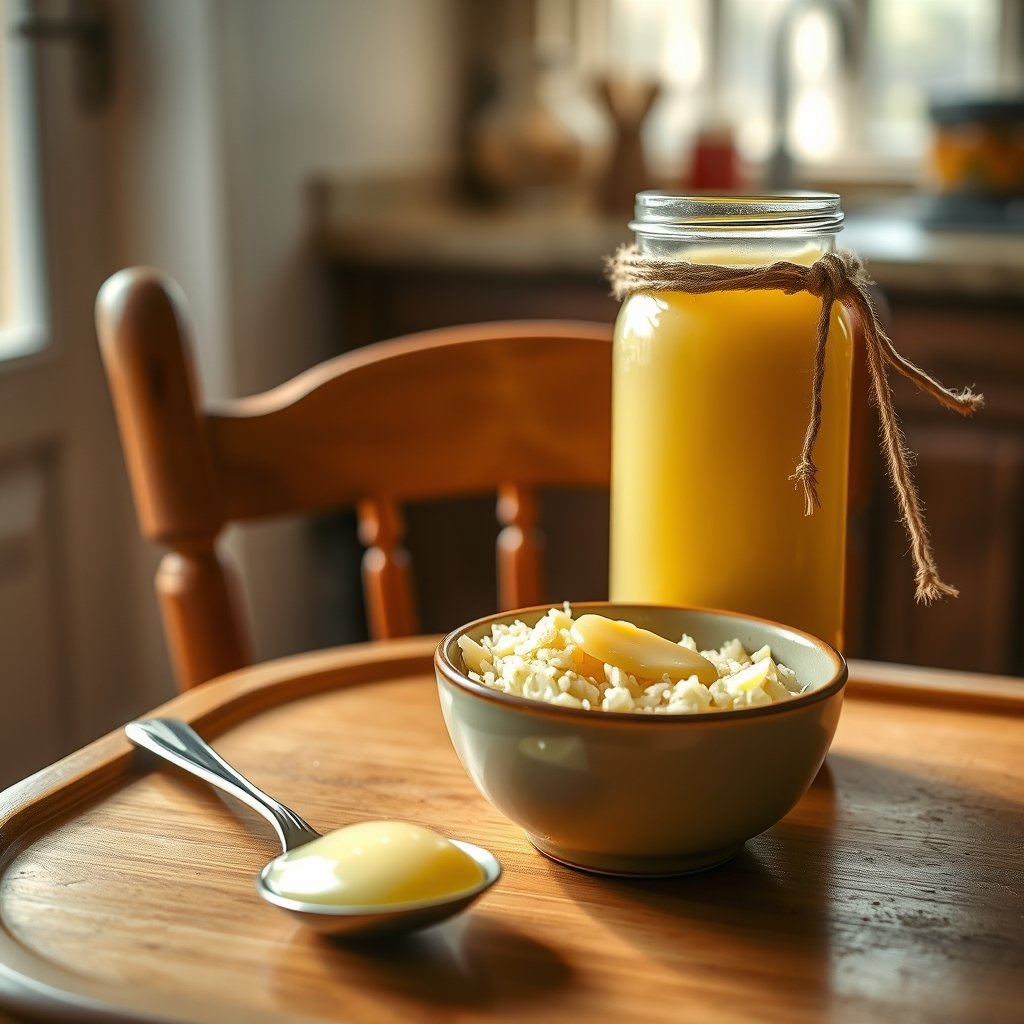
The best ghee for a kitchen that cooks for a toddler is fresh, cultured A2 Gir cow bilona ghee purchased in small jars of 250ml or 500ml that turn over within a few weeks. Before discussing fat selection, remember that your child’s daily dietary requirements, food introductions, and portion sizes are decisions to make with your pediatrician. As a home cook, your responsibility lies in evaluating labels, sourcing cleanly prepared ingredients, and keeping pantry fats fresh.
What should you look for on the ingredient label?
Look for an ingredient list that names exactly one source: cultured whole milk fat from Indian cow milk. Many mass-market brands list cream, milk fat, or simply butterfat on their jars, which indicates that the fat was spun directly out of raw milk using industrial separators rather than churned from fermented curd. In commercial manufacturing, artificial flavour enhancers like ethyl butyrate are sometimes blended into bland butter oil to mimic the smell of aged makhan. An honest jar should list no preservatives, no added colours, and no synthetic aromas.
Check the manufacturing date rather than the expiry date. Toddlers eat very small servings—often just a quarter teaspoon stirred into steamed dal, soft rice, or vegetable puree—which means a family that buys a large container may leave the fat sitting open to kitchen air, steam, and stray breadcrumbs for six months. Choosing a jar packed within the past four to six weeks gives you a fat that retains its natural, gentle aroma rather than the flatter, stale note of aged kitchen stock.
Why does the traditional bilona method matter in a family kitchen?
The traditional bilona process begins by boiling whole milk, cooling it, culturing it into dahi with a natural starter, and slowly churning that curd with a two-way wooden bilona to collect fresh makhan. Simmering this cultured butter over low heat gently drives off moisture and separates the caramelized milk solids from the golden fat. This fermentation step transforms the natural sugars and creates a gentle, rounded lactic aroma rather than the greasy, heavy smell typical of commercial direct-cream ghee.
For a young palate just getting accustomed to plain grains, mild khichdi, and stewed squash, sharp or burnt cooking aromas can be overwhelming. Ghee made from cultured dahi carries a nutty, light fragrance that blends seamlessly into plain food without masking the natural sweetness of boiled rice or mashed carrots. It also gives parents peace of mind that no industrial chemical solvents or extreme heat cycles were used during processing.
Our cows are not use and throw

A cow that stops giving milk is still our cow. She stays on the farm, with the same feed, the same shed and the same medical care she had when she was milking. We do not sell her on and we do not let her go. That is the whole basis of the ghee we make — you cannot ask an animal for her milk and then abandon her for it.
Our mission goes further than our own herd. There are cows on the street who are injured every day, who eat plastic, who cry through the night with nobody coming. We want to take them in. The plan is a chain of Organic Farmz gaushalas in several places, so that help is not one shed in one city but something a hurt animal can actually reach.
This takes more than we can carry alone — land, fodder, vets, hands. Come and join our initiative. Anything you give goes to feed, treat and shelter these cows.

Scan with any UPI app
Bank transfer
- Account name Organic Farmz
- Bank Indian Bank
- Account number 8133177322
- IFSC code IDIB000K555
- UPI ID organicfarmz@ptaxis
On a phone, the button above opens your UPI app directly — a QR on the screen you are reading cannot be scanned by that same screen. On a laptop, scan the code with your phone instead.
How does cultured bilona compare to industrial cream ghee?
When cooking daily meals for young children, the difference between industrial fat and traditionally churned ghee comes down to how the milk fat is handled.
| Feature | Industrial Direct-Cream Ghee | Cultured A2 Bilona Ghee |
|---|---|---|
| Starting Ingredient | Unfermented raw cream (malai) | Whole curd cultured overnight |
| Separation Method | High-speed mechanical centrifuges | Slow two-way wooden churn (bilona) |
| Natural Flavour | Heavy, sometimes flat or greasy | Mild, nutty, and gently lactic |
| Ideal Jar Size | 1-litre to 5-litre bulk tins | 250ml to 500ml glass jars |
| Preservative Need | May include synthetic antioxidants | Naturally shelf-stable with low moisture |
Which jar size makes sense when cooking small portions?
A 250ml or 500ml glass jar is the practical choice for a home preparing toddler meals. Even when parents use the same ghee to temper evening dals or roast weekend rotis, a smaller jar ensures that you finish the contents within thirty to forty-five days. Each time you unseal a jar near a hot stove, ambient steam and light enter the container, slowly degrading the delicate aromatic compounds in the fat.
Glass packaging is particularly suited to toddler kitchens because it is non-reactive and leaves zero plasticizers or chemical taint in the fat. Avoid plastic tubs or thin pouches that sit on warm pantry shelves. Heavy glass also allows you to visually inspect the texture before you buy: you want to see uniform golden crystallization rather than separated layers of liquid oil and sediment.
How can you check ghee freshness before stirring it into food?
Test the fat with your senses using a clean, dry teaspoon before adding it to your child's meal. Fresh A2 bilona ghee should melt instantly on contact with warm skin or warm food, spreading a sweet, pleasant aroma that smells like slow-simmered butter. If the surface smells sour, metallic, or resembles stale oil, the jar has oxidized from excess heat or moisture exposure and should be discarded rather than fed to young household members.
Check the texture as well. While seasonal temperatures affect whether ghee is liquid or solid—settling into fine, soft granules during winter and clearing during summer—the texture should remain uniform throughout the jar. Discard any ghee that shows discolouration, grey speckles, or signs of water droplets resting at the bottom of the container.
How should you store ghee in a busy family kitchen?
Store your working ghee jar inside a dark pantry cupboard situated away from the stovetop, microwave, and dishwasher. Direct radiant heat breaks down fresh milk fats quickly, and moisture from boiling pots can cause micro-spoilage along the rim. Keep the lid tightly screwed on after every use, and always use a dedicated, completely dry spoon to scoop out your child's portion.
Never refrigerate your daily ghee jar. Moving ghee back and forth between a cold refrigerator and a warm, humid Indian kitchen causes condensation to form inside the lid, which introduces water droplets directly into the fat. High-grade bilona ghee with near-zero moisture content stays stable on a dry, cool shelf naturally without any refrigeration.
Taste the difference
Small-batch A2 Gir cow ghee, hand-churned to order and delivered across India. Read how we make it if you want the detail first.
Order a jarKeep reading
-
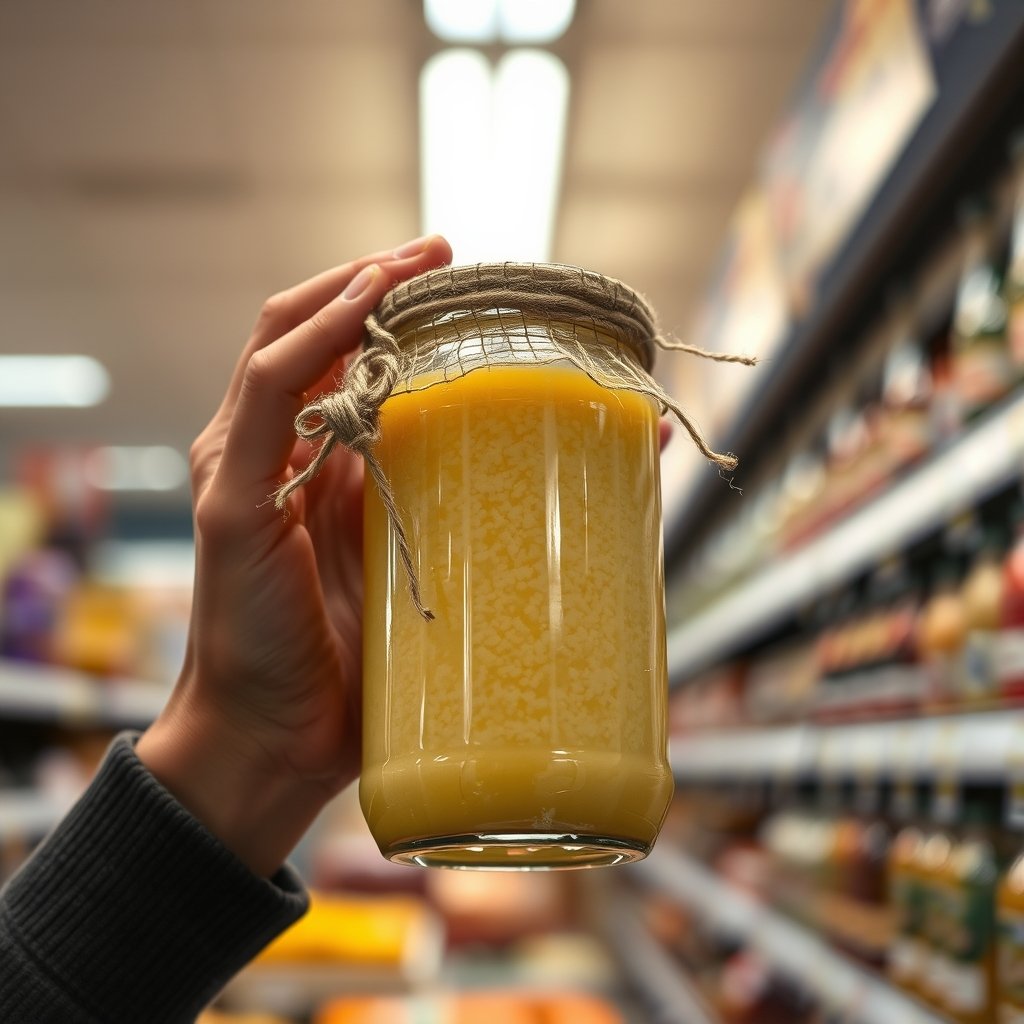 Comparing Ghee Brands in a Shop: Check Method and Aroma
Compare ghee brands by checking the label for the bilona method and observing the grain size and aroma to…
-
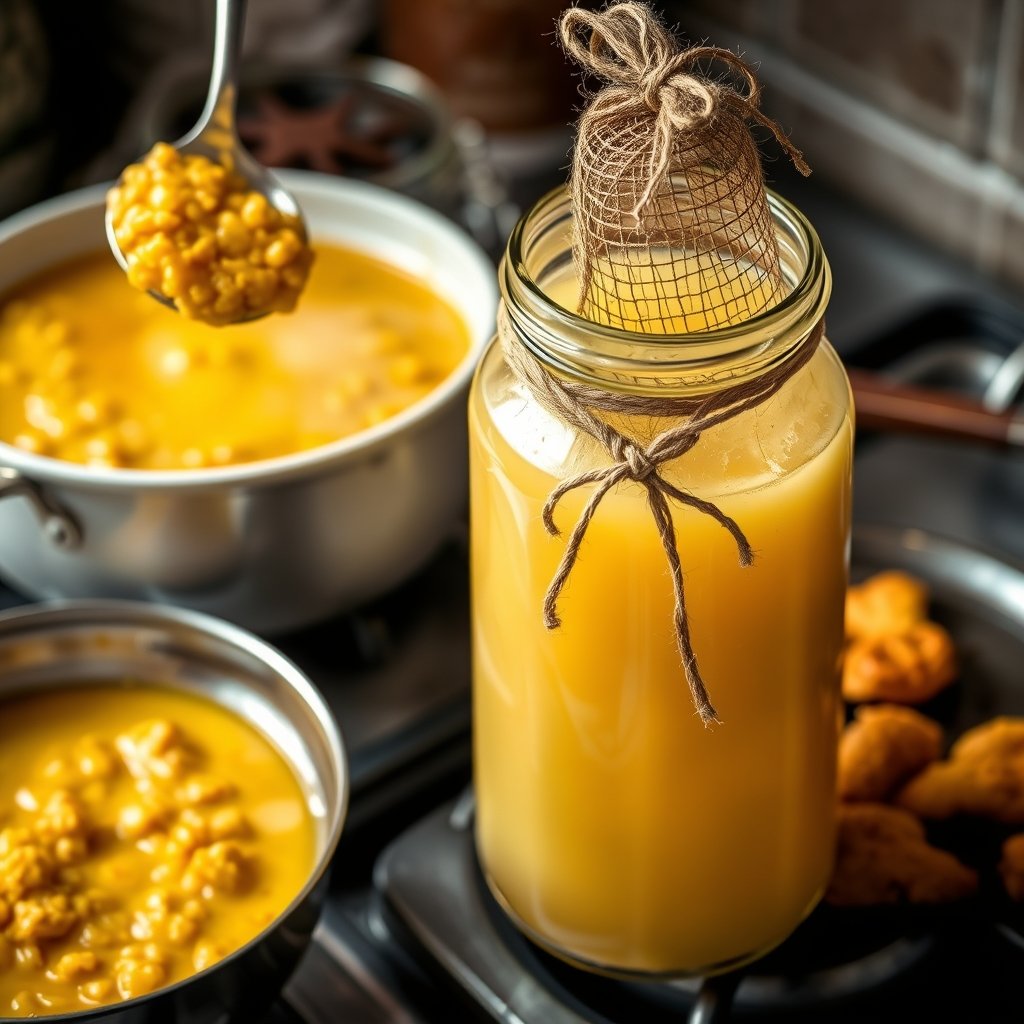 A2 vs Regular Ghee: Buy A2 for Taste, Regular for Frying
Buy A2 bilona ghee if you spoon it over warm dal or roti; standard commercial ghee suits heavy deep-frying…
-
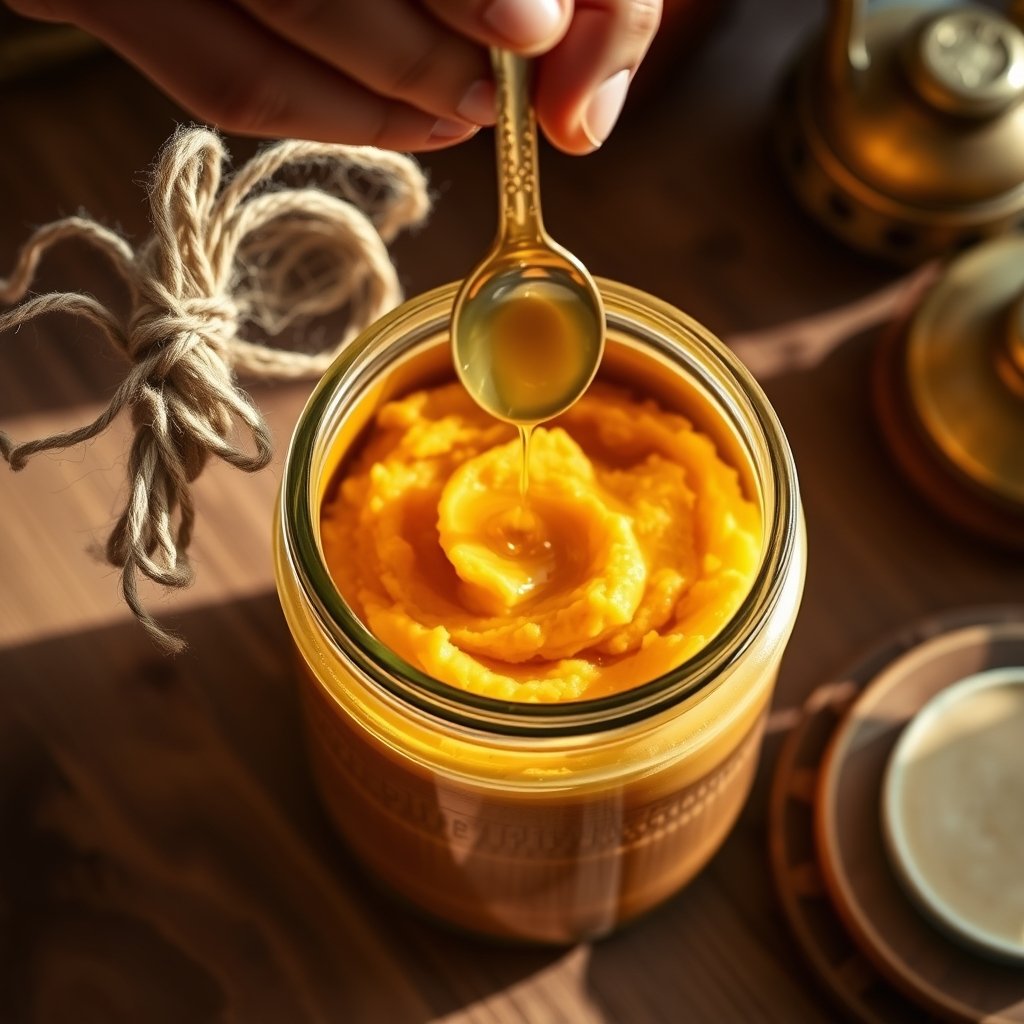 A2 Ghee for Toddlers and Kids
Learn when and how to introduce A2 Gir cow ghee into your toddler's daily diet, with practical serving…
