
A2 vs Regular Ghee: Buy A2 for Taste, Regular for Frying
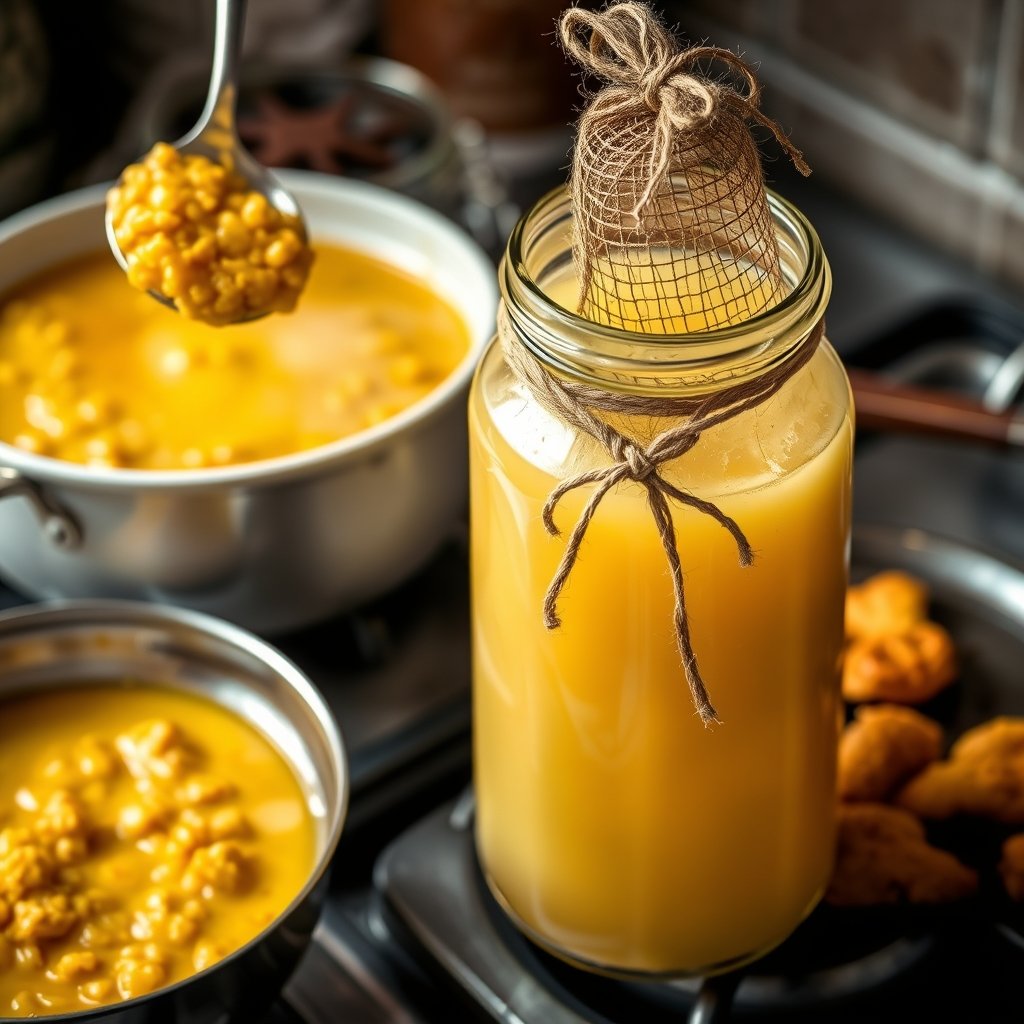
You should buy A2 bilona ghee if you enjoy eating ghee uncooked over hot food or care about traditional cultured aroma, but you should buy regular commercial ghee if you only need an economical, neutral fat for deep frying and heavy frying pans. While both products are clarified butterfats with high smoke points and zero water content, the difference lies in how they taste on the tongue, how they are made, and whether your cooking style allows those distinctions to shine.
What is the practical difference between A2 ghee and regular ghee?
The practical difference between A2 ghee and regular ghee comes down to the breed of the cow and the method used to extract the butterfat. A2 ghee comes from indigenous Indian cows, such as the Gir, Sahiwal, or Tharparkar breeds, whose milk naturally carries the A2 beta-casein protein variant. In contrast, regular commercial ghee is typically sourced from high-yield crossbred cows like Holstein-Friesian or Jersey, mixed with buffalo milk, or collected from aggregated cooperative milk pools where cow breeds are not separated.
The processing method creates an even wider gulf in flavor. True A2 ghee in India is almost always produced through the traditional bilona method: fresh whole milk is boiled, cooled, cultured overnight into curd, and then churned with a two-way wooden beater to separate makkhan (cultured butter), which is slowly simmered on an open flame. Regular commercial ghee is rarely made from curd. Instead, industrial dairies separate raw cream directly from milk using mechanical centrifuges and boil that sweet cream into fat at high temperatures. This creates two distinct pantry items: one is an aromatic, nutty, cultured fat with delicate granular curds, while the other is a standardized, shelf-stable cooking fat with a blander, flat profile.
How do A2 bilona ghee and regular ghee compare side by side?
Here is how authentic A2 bilona ghee stacks up against standard commercial ghee across key kitchen factors:
| Feature | A2 Gir Cow Bilona Ghee | Regular Commercial Ghee |
|---|---|---|
| Milk Source | Desi Indian cows (Gir, Sahiwal) | Crossbred cows, buffaloes, or mixed dairy pools |
| Making Method | Cultured curd churned with wooden bilona | Industrial cream separation and direct boiling |
| Aroma | Warm, mildly sour, deeply nutty and roasted | Mild, sweet, or industrially standardized |
| Texture | Naturally danedaar (fine, soft sand-like grains) | Smooth, waxy, or artificially induced grain |
| Best Kitchen Role | Finishing warm rice, phulkas, khichdi, and sweets | Deep frying, frying pooris, heavy commercial curries |
| Average Price | Higher, reflecting 25–30 litres of milk per litre | Lower, reflecting mechanised economies of scale |
Our cows are not use and throw

A cow that stops giving milk is still our cow. She stays on the farm, with the same feed, the same shed and the same medical care she had when she was milking. We do not sell her on and we do not let her go. That is the whole basis of the ghee we make — you cannot ask an animal for her milk and then abandon her for it.
Our mission goes further than our own herd. There are cows on the street who are injured every day, who eat plastic, who cry through the night with nobody coming. We want to take them in. The plan is a chain of Organic Farmz gaushalas in several places, so that help is not one shed in one city but something a hurt animal can actually reach.
This takes more than we can carry alone — land, fodder, vets, hands. Come and join our initiative. Anything you give goes to feed, treat and shelter these cows.

Scan with any UPI app
Bank transfer
- Account name Organic Farmz
- Bank Indian Bank
- Account number 8133177322
- IFSC code IDIB000K555
- UPI ID organicfarmz@ptaxis
On a phone, the button above opens your UPI app directly — a QR on the screen you are reading cannot be scanned by that same screen. On a laptop, scan the code with your phone instead.
Who is A2 bilona ghee actually worth buying for?
A2 bilona ghee is worth buying if you eat ghee primarily as a table fat, added by the spoonful directly over steaming meals. If your daily routine includes smearing half a teaspoon of ghee over hot phulkas, swirling a golden melt into a bowl of moong dal khichdi, or topping hot rice with salt and ghee, you will immediately taste the difference. The slow simmering of cultured butter leaves caramelized milk solids that impart a rich, nutty depth that mass-manufactured ghee simply lacks.
It is also the right purchase if you make festive Indian sweets at home, such as besan ladoo, pinni, or halwa, where ghee is not merely a cooking medium but the primary flavor carrier. In traditional Indian households and Ayurvedic kitchen routines, cultured ghee (ghrita) holds a specific cultural place because it begins as dahi rather than raw dairy cream. If you value this ancestral link and care about pasture-fed cow welfare, paying the higher price brings genuine culinary pleasure.
Who will not notice the difference and should buy regular ghee?
You will not notice the difference if you use ghee primarily for high-heat pan cooking, tempering robust spices, or deep-frying festive snacks like samosas and puris. When ghee is heated to high frying temperatures alongside assertive whole spices like mustard seeds, dried red chillies, and asafoetida, the delicate top notes of a handcrafted bilona churn are completely overwhelmed. In those dishes, an expensive A2 ghee performs mechanically identical to a decent commercial cow ghee.
Similarly, if you are running a busy household where multiple members cook large volumes of food daily and ghee is consumed in liters every month, standard ghee makes far better financial sense. Buying an artisanal jar simply because of marketing labels will lead to frustration if your recipes bury the flavor under heavy masalas and prolonged boiling.
How can you balance both options in an Indian kitchen?
You can balance both options by adopting the two-jar system used in many traditional Indian homes. Keep a small 500-milliliter jar of authentic A2 Gir cow bilona ghee dedicated entirely to direct table consumption: spooning over dal, spreading across hot rotis, mixing into comforting bowls of rice, or feeding to growing children. Alongside it, keep a standard, budget-friendly commercial ghee or cold-pressed oil for routine sautéing and heavy frying pans.
By splitting your pantry this way, you avoid wasting premium artisanal fat in high-heat frying pans while still enjoying the aroma, natural grain, and authentic comfort of traditional bilona ghee where it matters most.
Taste the difference
Small-batch A2 Gir cow ghee, hand-churned to order and delivered across India. Read how we make it if you want the detail first.
Order a jarKeep reading
-
 Choosing Ghee for a Toddler: Pick Fresh Bilona
Choose cultured A2 bilona ghee packed in small glass jars for a toddler kitchen to ensure mild sweetness…
-
 Who Should Not Buy Bilona Ghee: Three Main Reasons
You should not buy bilona ghee if you prefer neutral flavors, need a cheap cooking oil for deep-frying, or…
-
 How to Choose Bilona Ghee: A Buyer's Checklist
To choose authentic bilona ghee, verify the milk type, churning process, batch size, jar material, and exact…
