
Ghee Guides
Notes on ghee, the bilona method and cooking the slow way — from the people who make A2 Gir cow bilona ghee in Delhi. 208 articles so far.
 16 Sep 2026
Buying Ghee Online in India: What to Check Before You Pay
Looking to buy ghee online in India? Here is a practical guide on what to verify—from A2 Gir cow milk sourcing and the traditional bilona process to…
Read this →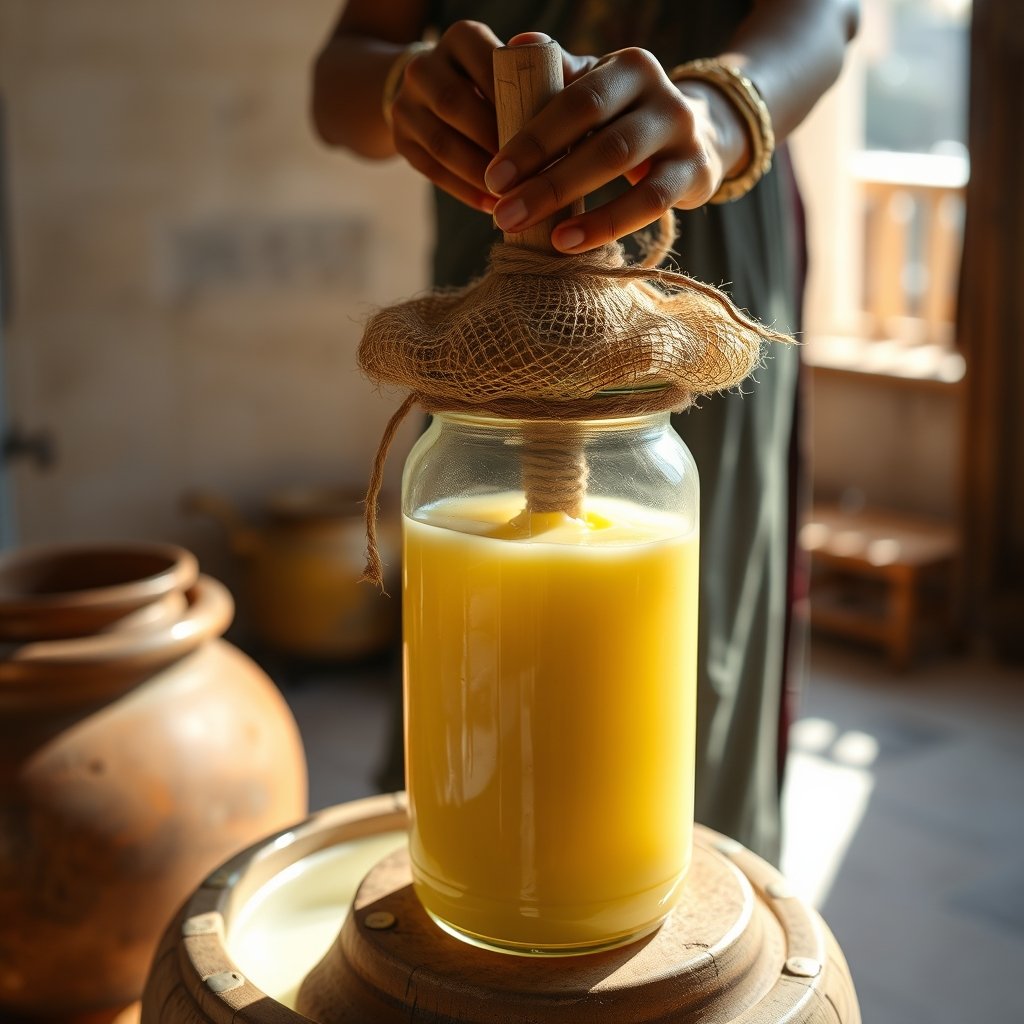 16 Sep 2026
What a Fair Price for Bilona Ghee Looks Like in 2026
Wondering why authentic A2 Gir cow bilona ghee costs what it does? Explore the realistic market price for 2026 based on milk ratios and traditional…
Read this → 16 Sep 2026
Bulk Ghee for Families: Does a Larger Jar Save Money?
Buying A2 Gir cow ghee in bulk can significantly lower your monthly kitchen expenses. We break down the math of 5-liter jars versus smaller units…
Read this →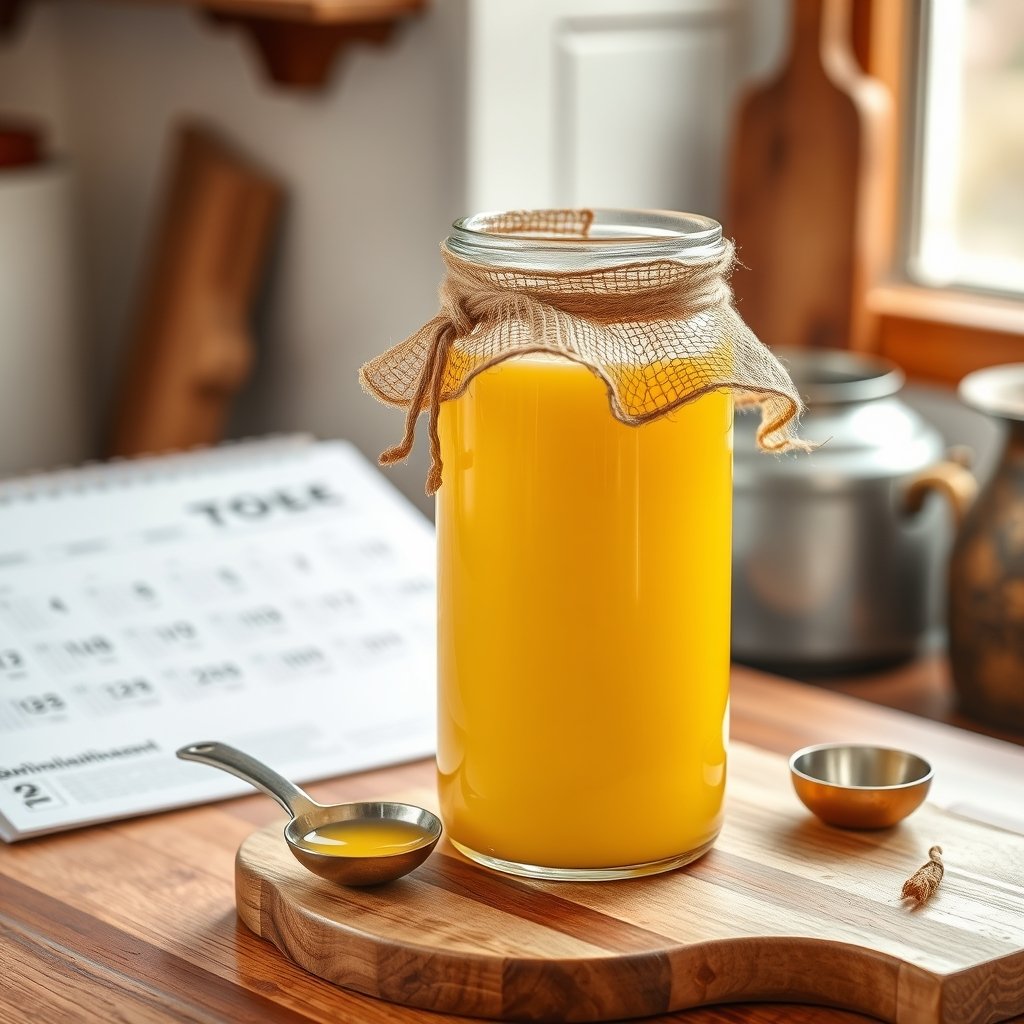 16 Sep 2026
Subscription vs One-Time Ghee Orders: Which Suits You
Deciding between a recurring ghee subscription and buying a single jar depends on your kitchen's daily needs and how you manage your monthly grocery…
Read this →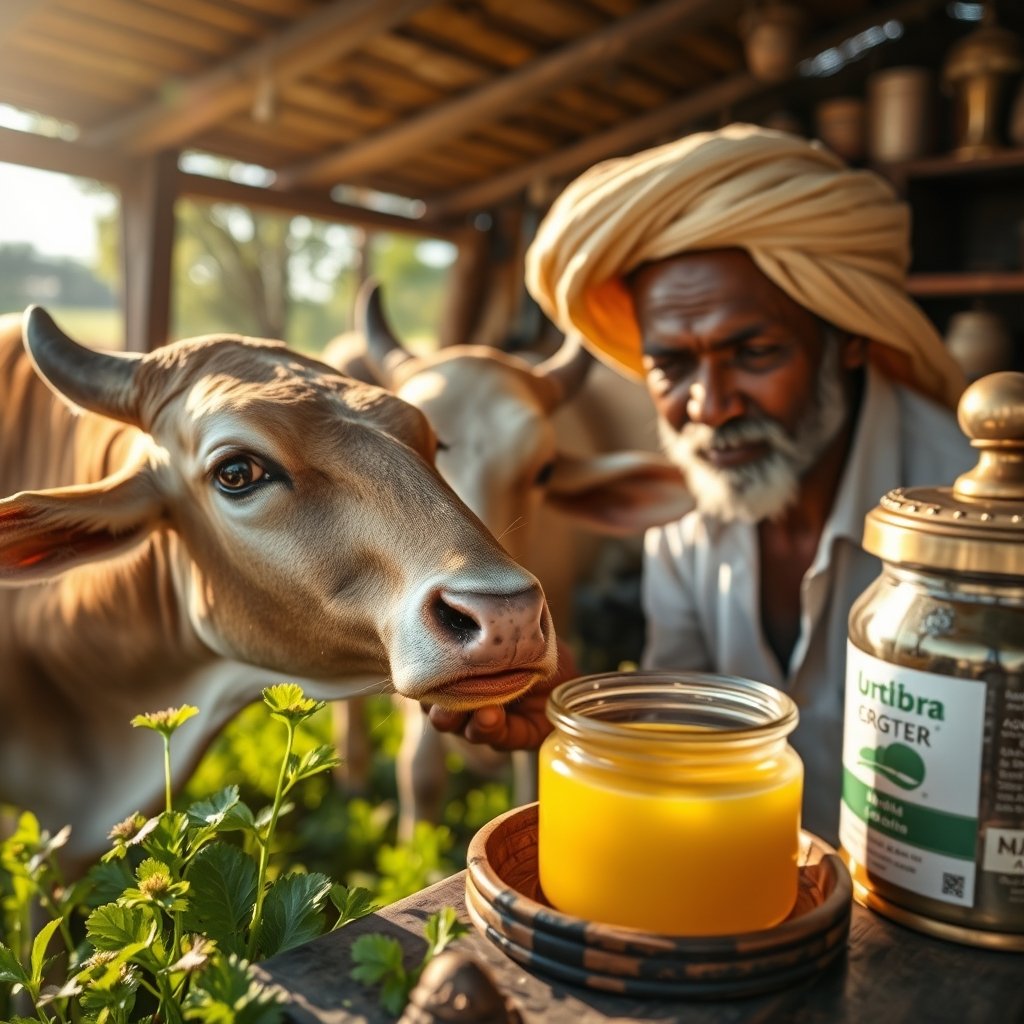 15 Sep 2026
What the Word Organic Means on a Ghee Jar
Learn what the organic label actually means on a ghee jar, how fodder quality affects kitchen flavor, and why traditional A2 bilona churning matters.
Read this →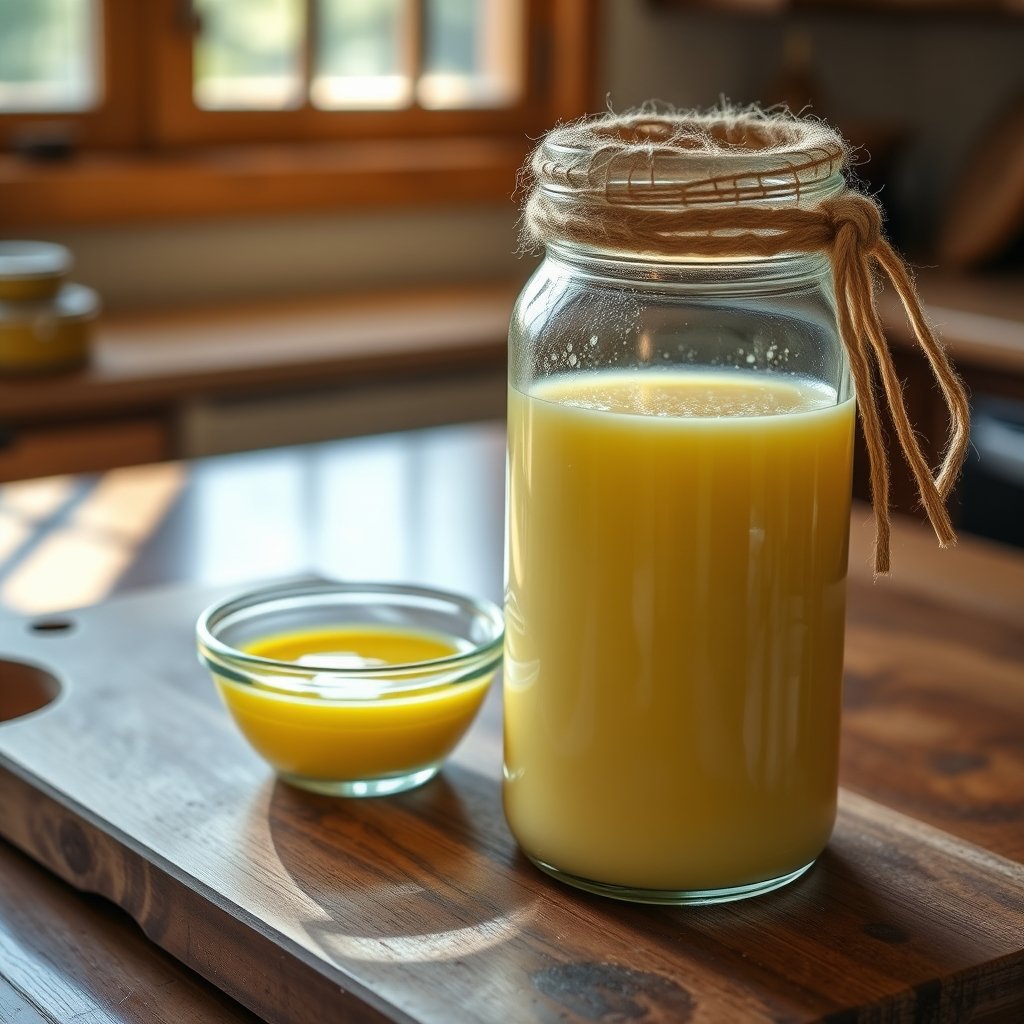 15 Sep 2026
Grass-Fed Ghee vs Grain-Fed: Does It Show in the Jar?
Discover how a cow's natural pasture diet changes the color, aroma, and texture of your ghee, and why the traditional bilona method makes these…
Read this →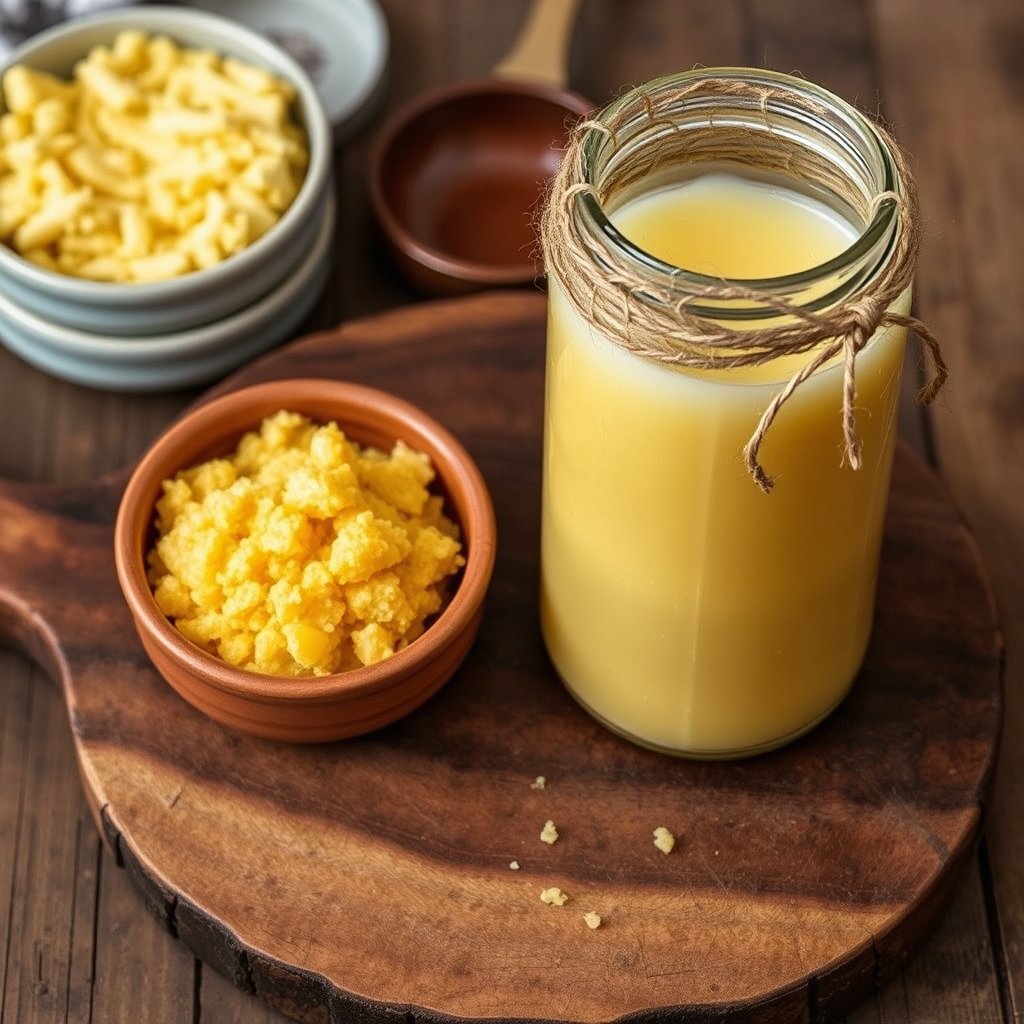 15 Sep 2026
Homemade Ghee vs Store-Bought: An Honest Comparison
A deep dive into the sensory and structural differences between kitchen-made ghee and commercial alternatives, focusing on the traditional bilona…
Read this →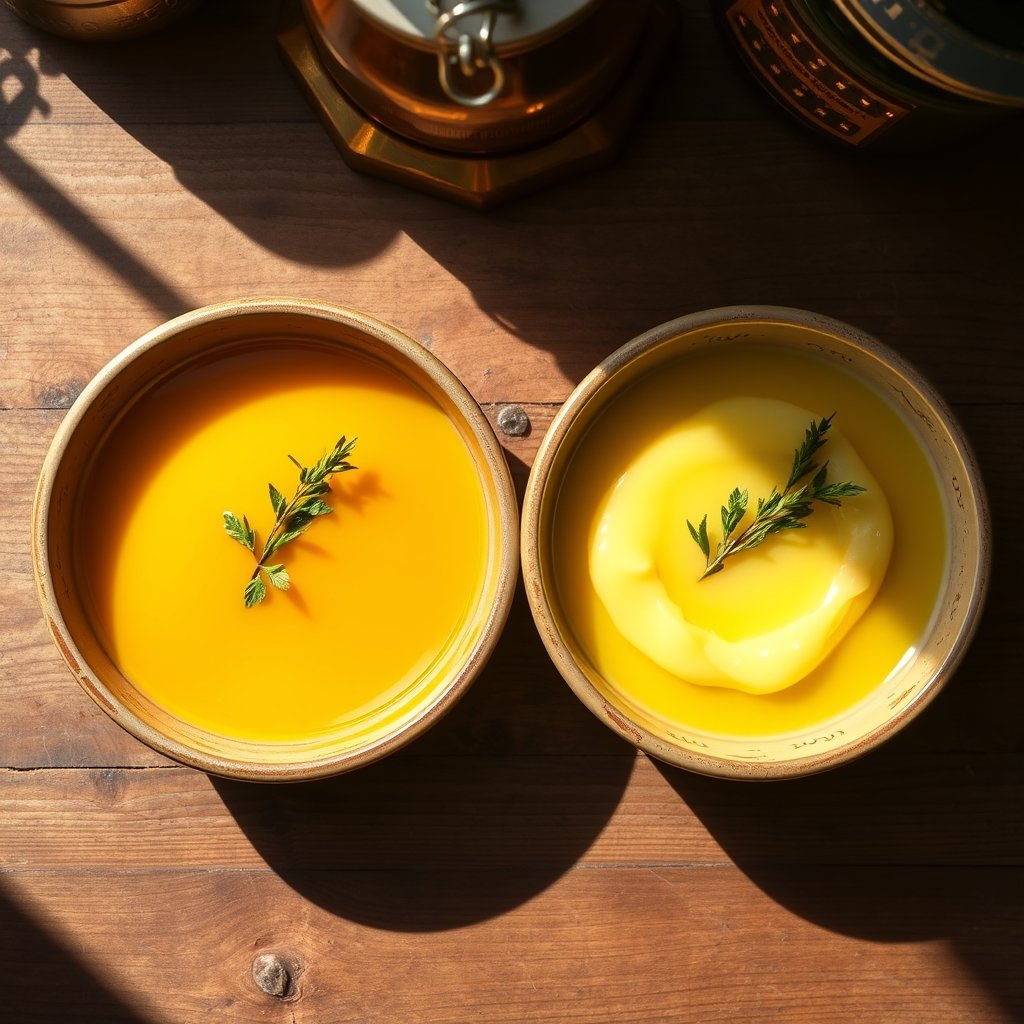 15 Sep 2026
Cow Ghee vs Goat Ghee: Neutral vs Strong and Earthy
Cow ghee is mild and almost neutral, which is why it suits everyday Indian cooking. Goat ghee keeps a strong, earthy, gamey aroma that lingers in a…
Read this →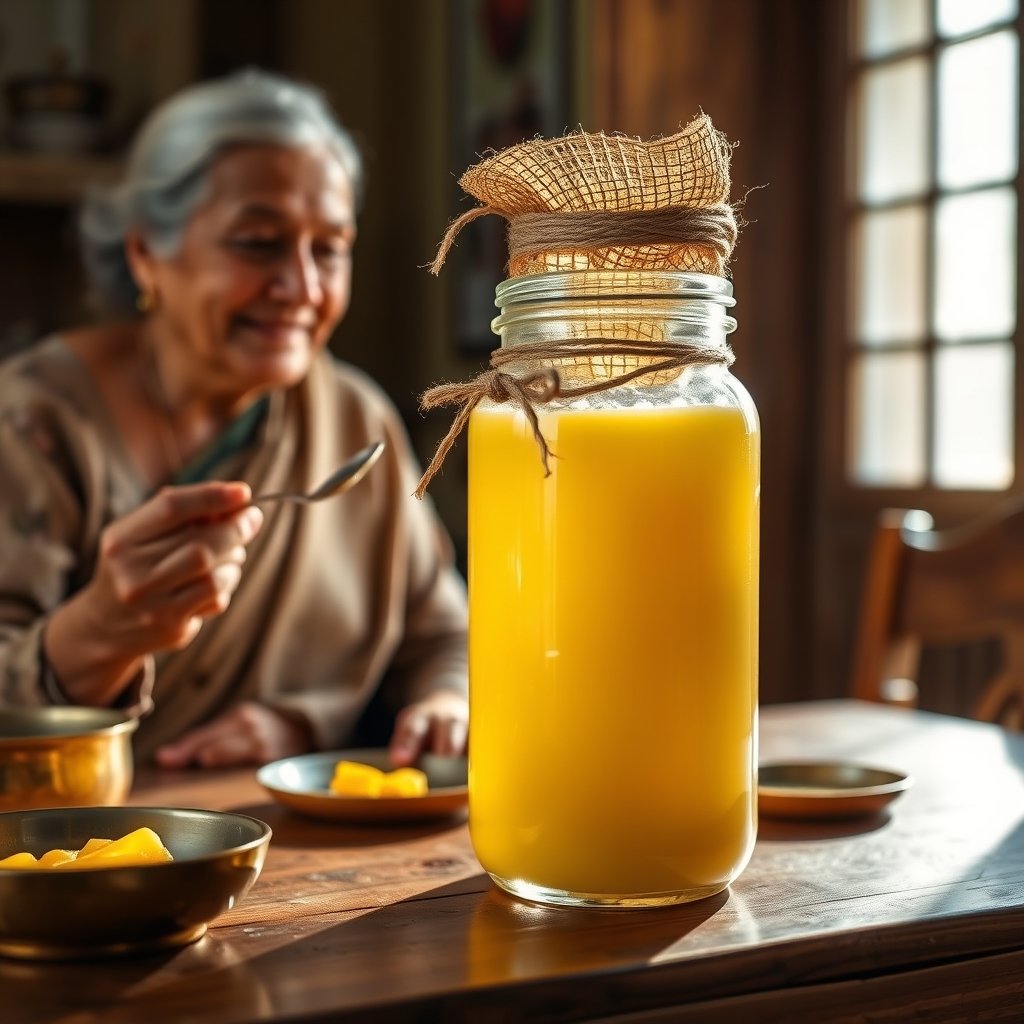 15 Sep 2026
Best Ghee for Babies and Adults
Choosing ghee by use, not hype: what to look for in ghee for a baby's first foods, for everyday dal and for high-heat frying.
Read this → 14 Sep 2026
Cultured vs Uncultured Ghee: What Fermentation Changes
Cultured ghee relies on overnight curd fermentation before churning, while uncultured ghee is boiled directly from sweet cream. Discover how this…
Read this →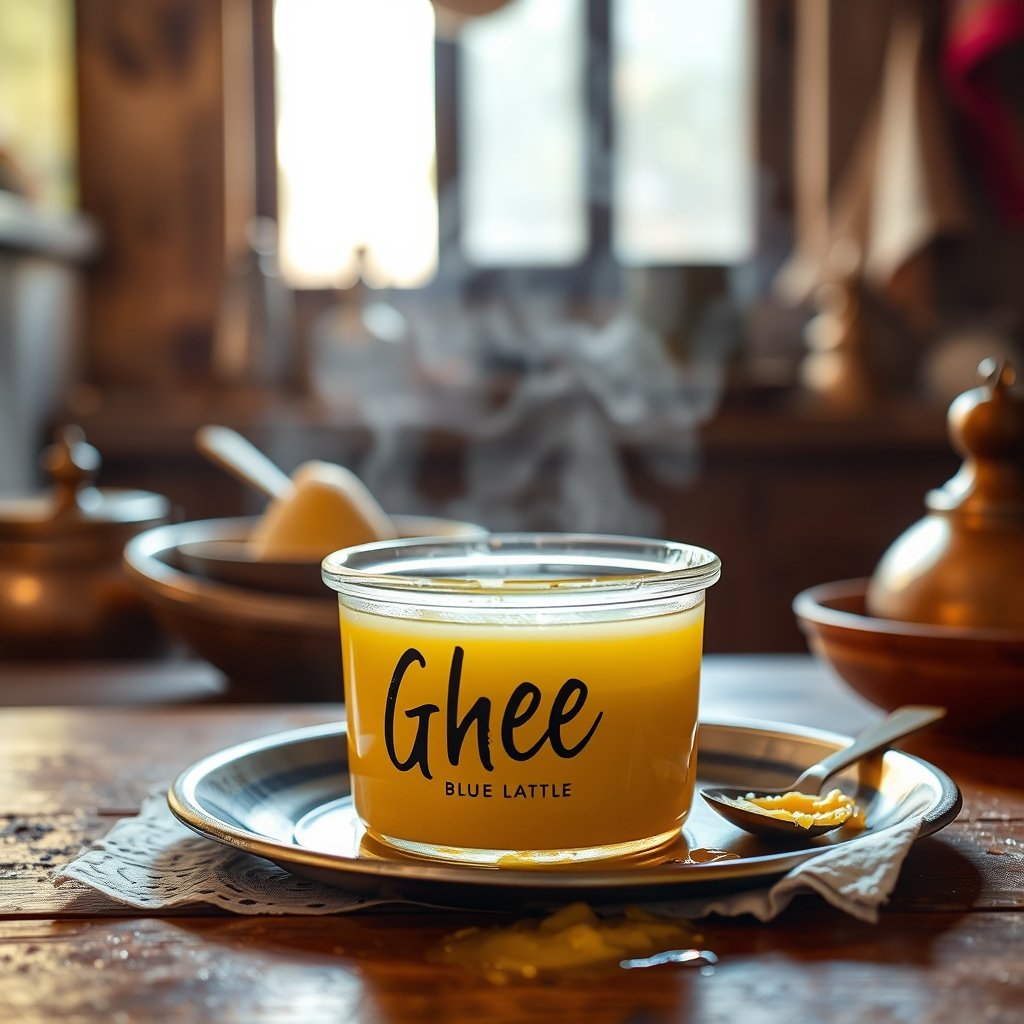 14 Sep 2026
Is All Ghee Lactose Free? What Actually Remains
Discover how much lactose actually remains in ghee, how the traditional bilona method separates milk solids, and what this means for your everyday…
Read this → 14 Sep 2026
Ghee vs Butter: What Actually Changes When You Swap Them
Swapping butter for ghee alters your pan's heat tolerance, moisture balance, and flavor profile. Learn what happens to milk solids, smoke points…
Read this → 14 Sep 2026
Ghee vs Refined Oil for Everyday Indian Cooking
Learn how traditional A2 Gir cow bilona ghee and refined oils compare in heat stability, flavor transfer, processing methods, and daily Indian…
Read this → 14 Sep 2026
Ghee vs Mustard Oil for Cooking
Compare A2 bilona ghee and mustard oil for Indian cooking. Learn their smoke points, flavor profiles, and exact recipe pairings for daily dishes.
Read this → 13 Sep 2026
Ghee vs Olive Oil Smoke Point
Comparing ghee and olive oil for daily cooking? Learn how smoke point, heat stability, and extraction methods change the way these two traditional…
Read this → 13 Sep 2026
Is Expensive Ghee Actually Better? How to Judge Value
Wondering if high-priced ghee is worth it? Learn how to evaluate ingredient quality, traditional bilona methods, and daily kitchen performance to…
Read this → 13 Sep 2026
Five Ways to Check If Your Ghee Is Pure at Home
Five kitchen tests show whether ghee is pure: melt it in a pan, melt it on your palm, drop it in cold water, test for starch with iodine, and judge…
Read this →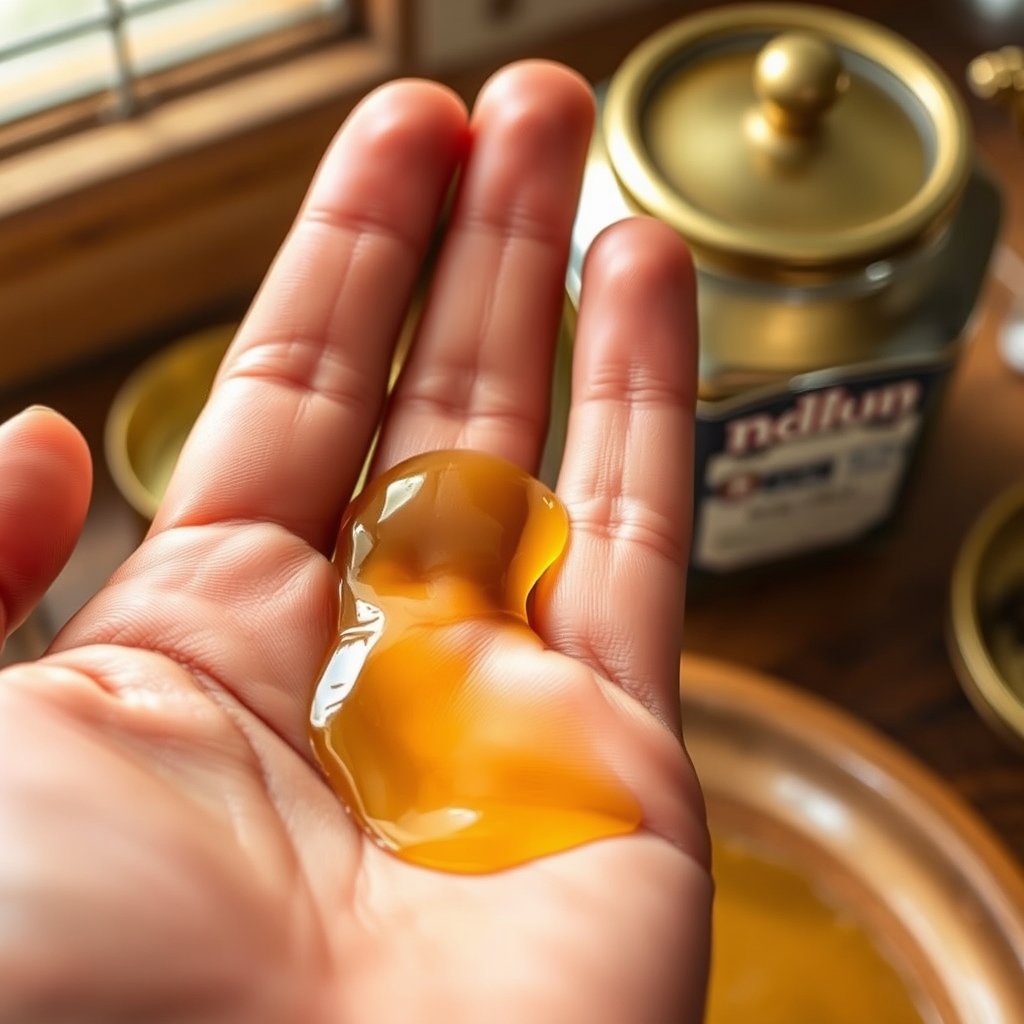 13 Sep 2026
The Palm Test for Ghee: What It Shows and What It Does Not
The palm test for ghee is a traditional sensory method used to check the melting point and solubility of fat, helping to identify the presence of…
Read this →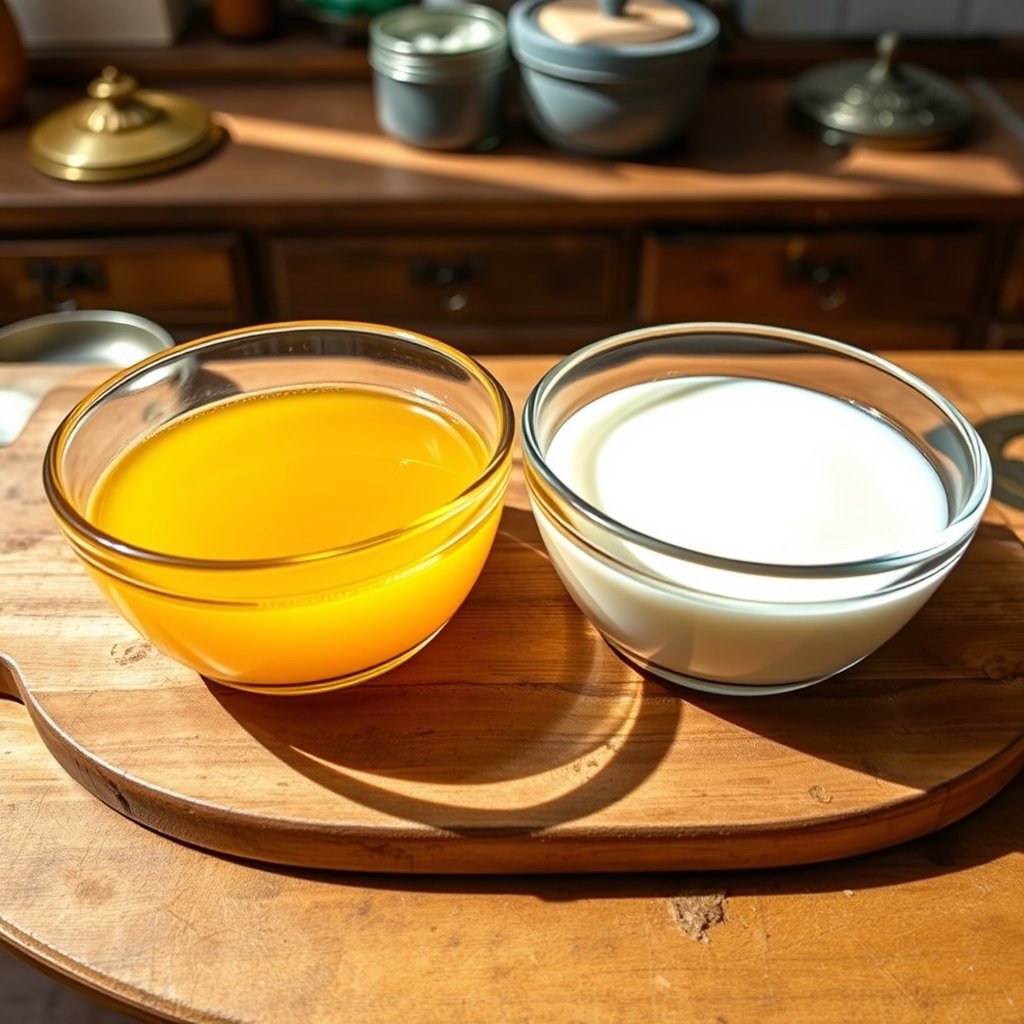 13 Sep 2026
Ghee colour in English: why it differs
Ghee colour in English reflects the animal source and diet. Cow ghee is yellow due to beta-carotene, while buffalo ghee is white as it converts it…
Read this →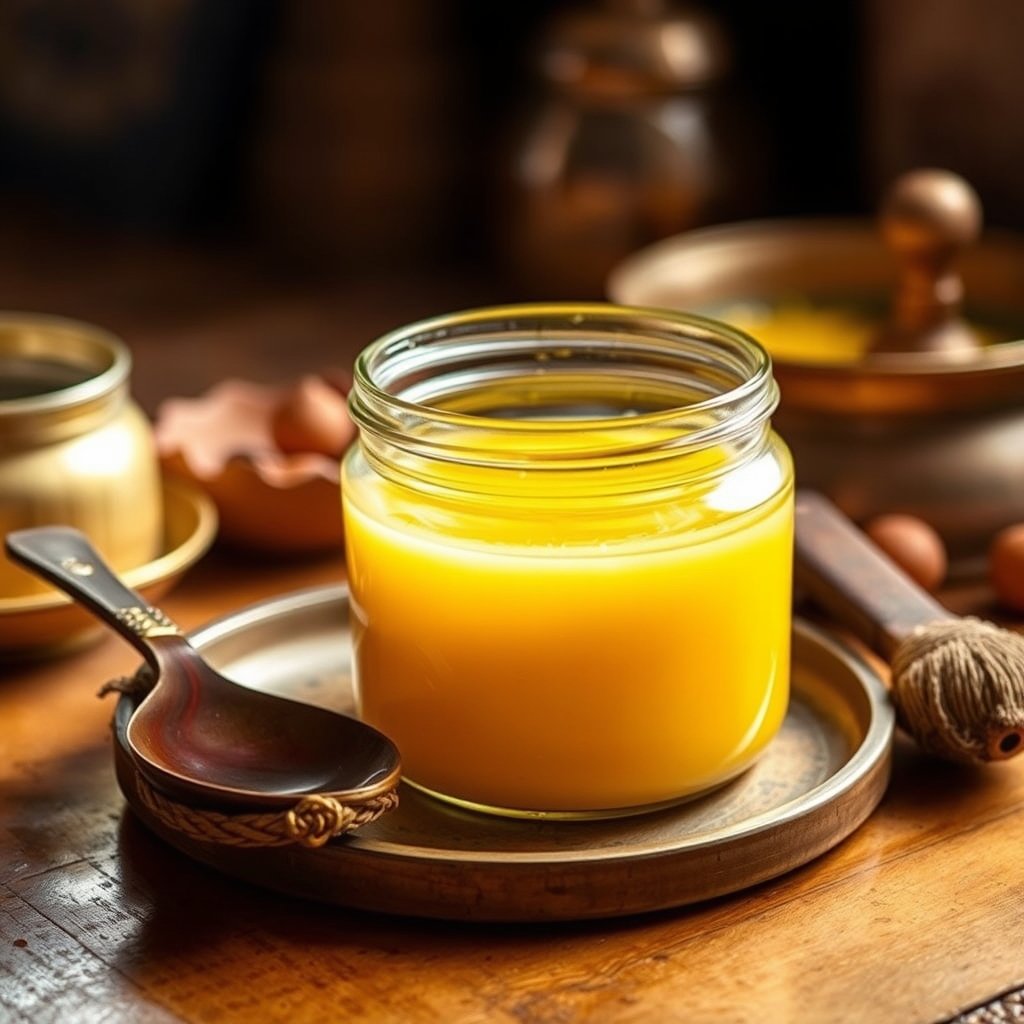 12 Sep 2026
Ghee vs Coconut Oil: Flavour, Heat and Cost
A practical guide comparing A2 Gir cow ghee and cold-pressed coconut oil across flavour profiles, stove heat tolerance, production costs, and…
Read this →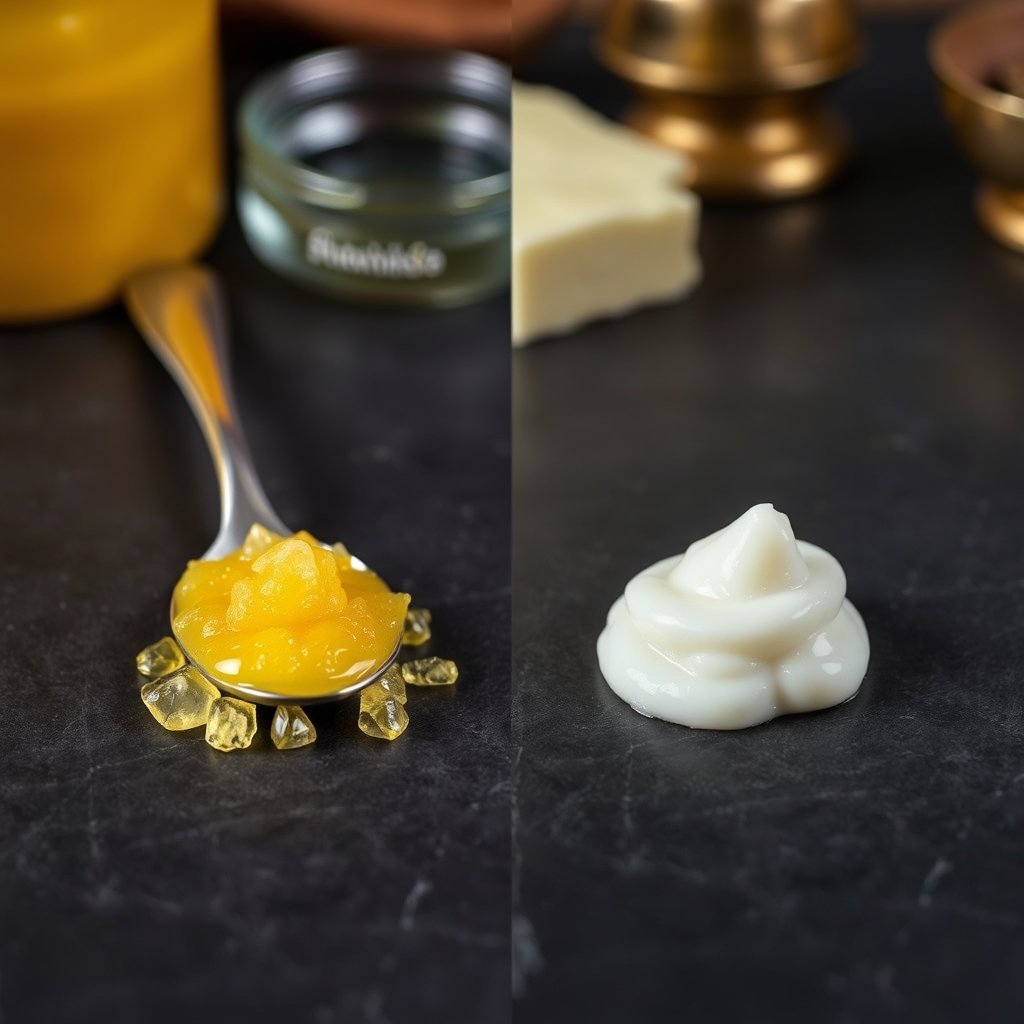 12 Sep 2026
Vanaspati vs Ghee: Key Differences Explained
Learn the differences between ghee and vanaspati. Ghee is dairy fat made via the traditional bilona method, while vanaspati is industrially…
Read this →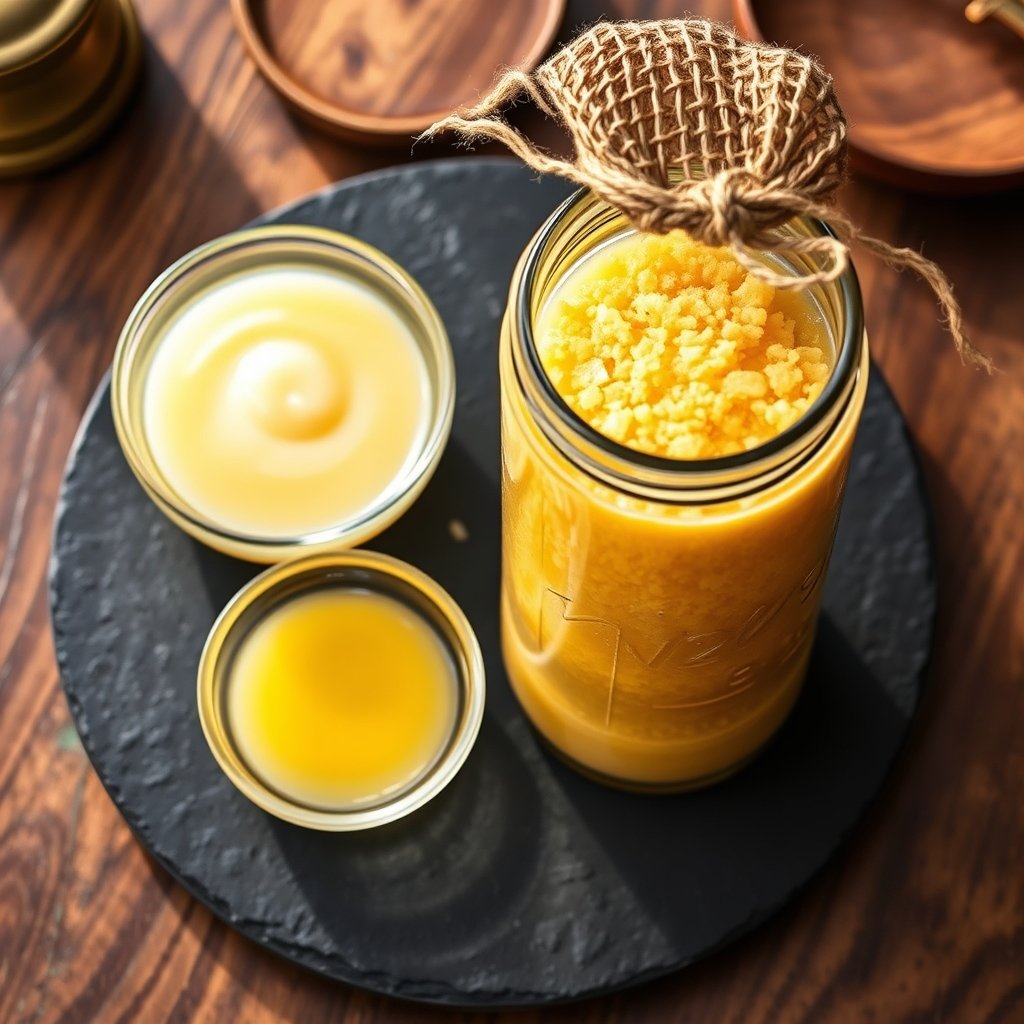 12 Sep 2026
Ghee vs Clarified Butter: Are They the Same?
While both ghee and clarified butter are made by removing moisture and milk solids from butterfat, traditional ghee is simmered longer until the…
Read this →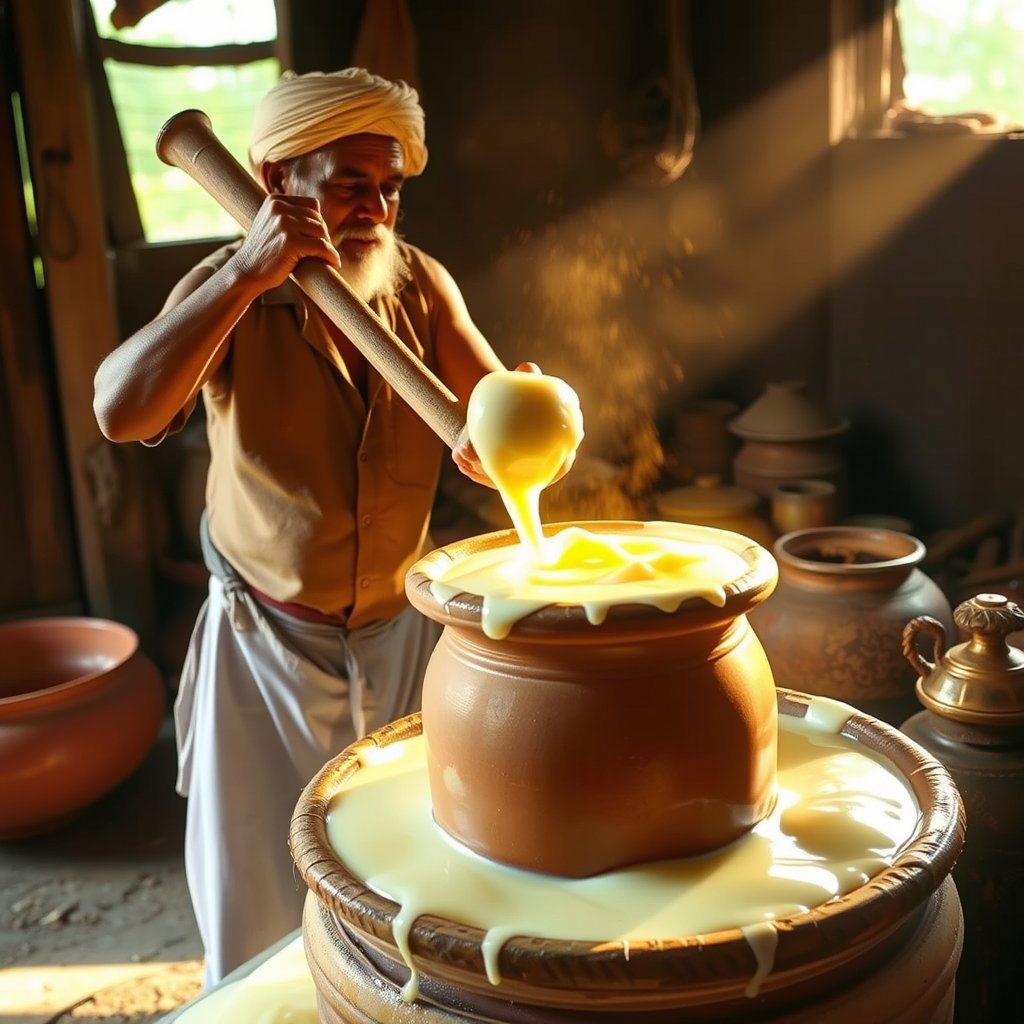 12 Sep 2026
Ghee Price Per Kg in India: What Drives the Range
Curious why ghee price per kg varies so wildly across Indian markets? We break down the real costs—from Gir cow milk yields to the traditional…
Read this →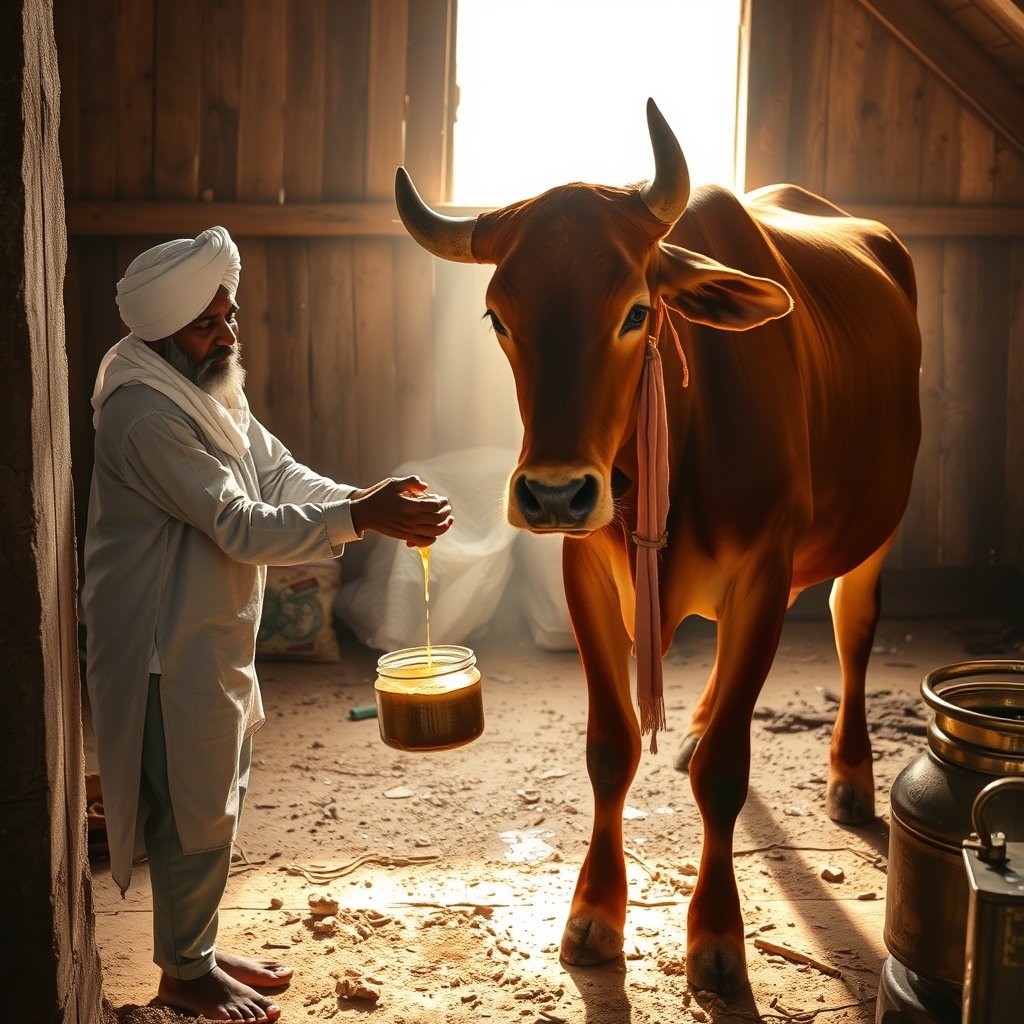 12 Sep 2026
Why A2 Ghee Costs More Than Regular Ghee
Discover the physical reasons behind the A2 ghee price, comparing native Gir cow milk yields and the slow, traditional bilona method to modern…
Read this →