
Ghee vs Butter: What Actually Changes When You Swap Them
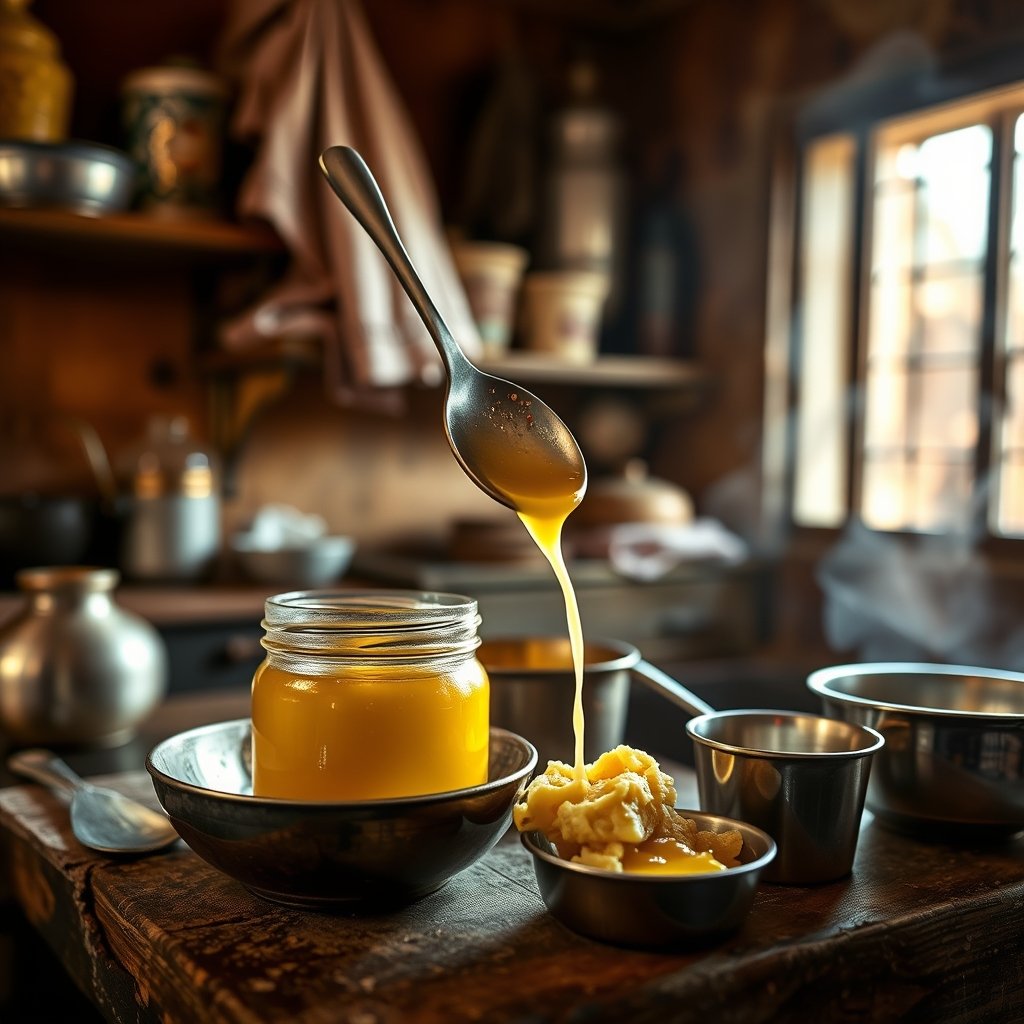
Swapping butter for ghee changes your pan's heat tolerance, liquid balance, and flavor profile, because ghee is butter with all water and milk solids removed. While dairy butter is an emulsion of fat, water, and milk proteins, ghee is pure milk fat that withstands high heat without burning or spluttering. Understanding this structural difference helps you know when to keep butter in the fridge and when a warm jar of traditional A2 Gir cow ghee will transform your cooking.
What Happens to Water and Milk Solids During the Swap?
Commercial butter typically consists of about 80 to 82 percent fat, 16 to 18 percent water, and 1 to 2 percent milk solids like lactose and casein. When you melt butter in a hot skillet, that water bubbles off with a audible splutter while the milk solids melt, turn frothy, and brown. If left over direct heat for even a minute too long, those milk solids scorch, turning the pan black and imparting a sharp, bitter taste to your food.
Ghee, on the other hand, undergoes a patient simmering process that completely evaporates the moisture and allows the milk solids to coagulate at the bottom of the pot. When made using the traditional bilona method—where whole A2 Gir cow milk is cultured into curd and hand-churned before gentle heating—the resulting fat is clean, amber, and virtually free of water. Swapping butter for ghee eliminates pan splutter, prevents scorching, and introduces a deep, caramelized, nutty aroma to your meal.
How Does Heat Performance Differ in Daily Cooking?
The most immediate difference you notice when cooking with ghee instead of butter is how it handles direct stove heat. Butter has a relatively low smoke point of around 175°C (350°F). If you attempt to temper spices like cumin, mustard seeds, or curry leaves in hot butter, the milk solids brown and burn before the spices have a chance to crackle and release their aromatics.
Ghee boasts a significantly higher smoke point of roughly 250°C (482°F). Because there are no milk proteins remaining to scorch, you can heat ghee thoroughly to bloom spices for a tadka, sear vegetables, or pan-fry flatbreads. Instead of smoke and acrid burning, ghee provides smooth heat distribution and glides over herbs and grains to unlock their fullest flavor potential.
How Do Ghee and Butter Compare Side by Side?
To see how these two kitchen staples behave across daily preparation methods, it helps to examine their core properties side by side.
| Property | Dairy Butter | A2 Bilona Ghee |
|---|---|---|
| Fat Content | ~80–82% | ~99.5%+ |
| Moisture Content | ~16–18% | Virtually 0% |
| Smoke Point | ~175°C (350°F) | ~250°C (482°F) |
| Storage Need | Requires refrigeration | Shelf-stable at room temperature |
| Flavor Profile | Sweet, milky, gentle | Deeply nutty, toasted, aromatic |
| Pan Behavior | Foams, splutters, browns quickly | Glides smoothly, high heat stability |
What Happens to Dough and Baked Goods When You Substitute Ghee?
In Western baking, butter serves a dual purpose: providing richness from fat and structure from water, which turns to steam inside a hot oven to create delicate, flaky layers. If a pastry recipe calls for cold butter and you make a direct 1:1 swap with liquid or soft ghee, the lack of water means less steam generation, which can leave Western pastries denser or crumbly unless extra liquid is added.
In traditional Indian cooking, however, the complete absence of water in ghee is a clear advantage. When roasting semolina for sooji halwa, browning chickpea flour for besan laddoos, or tossing grains for winter panjiri, ghee coats every individual particle evenly. It roasts starches cleanly without introducing moisture that could cause clumping or gumminess. On hot parathas, brushing warm bilona ghee straight off the tava seals in internal steam while crisping the outer crust beautifully.
How Does Ayurveda View the Difference Between Ghee and Butter?
In Ayurvedic thought, both butter (navaneeta) and ghee (ghrita) hold honored positions, yet they are used for distinctly different purposes. Freshly churned butter is viewed as cooling, moistening, and gentle, but its unclarified milk solids and raw moisture can feel heavy on sluggish digestive systems.
Ghee is considered a refined transformation (samskara). By slowly simmering churned curd butter, heat transforms it into a light, warming medium that nourishes agni—the digestive fire—without dampening digestive capacity. Because authentic bilona ghee stems from cultured A2 Gir cow milk, the traditional separation of solids makes it comfortable on the stomach and revered for year-round everyday cooking.
When Should You Choose Ghee Over Butter in Your Kitchen?
Reach for butter when you want a quick milky glaze on warm vegetables, or when baking laminated pastries that rely on cold water steam. Reach for traditional A2 Gir cow bilona ghee whenever you are blooming spices, searing, roasting whole grains, stir-frying, preparing festive Indian sweets, or drizzling warm fat over freshly steamed rice and lentils. By swapping butter for ghee in warm preparations, you trade spluttering pans and scorching milk solids for high heat control, rich daana texture, and enduring kitchen aroma.