
Ghee or White Butter: Keep Ghee for Pantry, Makhan Fresh
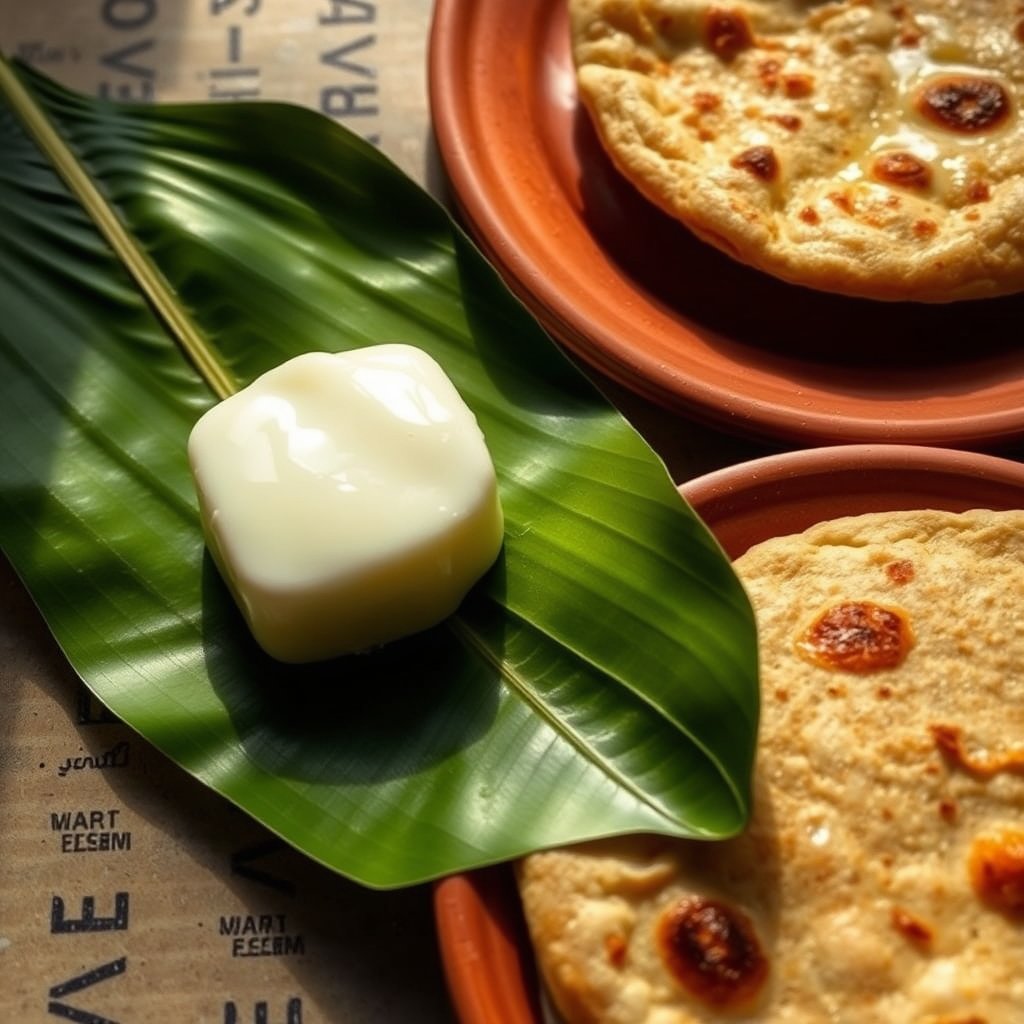
If you must stock only one fat, keep ghee because it lasts for months at room temperature and handles everyday stove heat without scorching, while white butter requires steady refrigeration and spoils within days.
Both fats belong to the Indian culinary rhythm, and understanding their practical differences helps you decide what belongs on your counter, what belongs in your cold storage, and how to use each without waste.
How do ghee and white butter differ in the kitchen?
Ghee and white butter (makhan) differ primarily in their moisture and milk solid content, which completely changes how they react to heat and how long they keep. Fresh cultured makhan contains roughly 80 to 82 percent butterfat, 15 to 18 percent water, and 1 to 2 percent curd solids consisting of lactose and milk proteins. Cultured A2 Gir cow ghee is clarified butterfat: the makhan has been simmered slowly until all moisture evaporates and the milk solids settle, brown, and strain out, leaving behind virtually 100 percent pure fat.
This compositional shift changes both flavor and utility. Makhan tastes light, cooling, and subtly tangy because it carries the cultured moisture of curd. Ghee tastes nutty, rich, and toasted, with a firm, grainy (danedaar) texture when settled at cool room temperatures.
| Kitchen Factor | White Butter (Makhan) | Clarified Bilona Ghee |
|---|---|---|
| Moisture Content | 15% to 18% water | Below 0.5% (nearly zero) |
| Storage Location | Refrigerator (below 4°C) | Pantry shelf at room temperature |
| Shelf Life | 7 to 10 days fresh | 6 to 12 months without spoiling |
| Smoke Point | Approx. 150°C (300°F) | Approx. 250°C (482°F) |
| Best Culinary Role | Melting over hot breads, saag | Tadka, roasting, sautéing, frying |
How do their shelf life and storage needs compare?
Ghee is an exceptionally stable pantry fat that thrives in an airtight glass or steel jar on a dark kitchen shelf, whereas white butter begins deteriorating within a week unless chilled. The moisture in makhan creates an environment where residual lactic cultures continue fermenting, which causes the butter to turn unpleasantly sour, yellow, and eventually moldy if left on the counter for more than a day or two in warm weather.
Because traditional bilona ghee contains almost zero moisture, microorganisms cannot grow in it. You can keep a jar of A2 ghee beside your stove for six months to a year without any refrigeration, provided you always use a clean, bone-dry spoon. For practical kitchen stocking, ghee is the dependable baseline that never demands fridge space, while makhan is a delicate, perishable item that you make or buy in small portions intended for immediate enjoyment.
Our cows are not use and throw

A cow that stops giving milk is still our cow. She stays on the farm, with the same feed, the same shed and the same medical care she had when she was milking. We do not sell her on and we do not let her go. That is the whole basis of the ghee we make — you cannot ask an animal for her milk and then abandon her for it.
Our mission goes further than our own herd. There are cows on the street who are injured every day, who eat plastic, who cry through the night with nobody coming. We want to take them in. The plan is a chain of Organic Farmz gaushalas in several places, so that help is not one shed in one city but something a hurt animal can actually reach.
This takes more than we can carry alone — land, fodder, vets, hands. Come and join our initiative. Anything you give goes to feed, treat and shelter these cows.

Scan with any UPI app
Bank transfer
- Account name Organic Farmz
- Bank Indian Bank
- Account number 8133177322
- IFSC code IDIB000K555
- UPI ID organicfarmz@ptaxis
On a phone, the button above opens your UPI app directly — a QR on the screen you are reading cannot be scanned by that same screen. On a laptop, scan the code with your phone instead.
What happens when you cook with white butter versus ghee?
Cooking with white butter causes foaming, sizzling, and rapid burning if the flame is high, whereas ghee can handle the hottest pan without smoking or breaking down. When makhan hits a heated griddle or kadai, its water content flashes into steam, creating vigorous bubbling. Shortly after, the suspended milk solids drop to the metal and turn bitter black at around 150°C (300°F). For this reason, makhan is unsuited for tempering whole spices (tadka), searing vegetables, or shallow frying.
Ghee, having already lost its water and milk solids during the clarification process, boasts a smoke point near 250°C (482°F). You can bloom mustard seeds, crackle cumin, roast coarse besan, or fry puris in ghee without the oil breaking down or imparting charred off-flavors. Makhan belongs at the very end of cooking—melting over warm khichdi or folded into hot parathas—while ghee does the hard work over active fire.
How does the traditional bilona process connect makhan and ghee?
In the traditional bilona method, makhan is not an alternative to ghee; it is the vital halfway stage in making ghee. The process begins with whole A2 milk from Gir cows, which is boiled, brought to room temperature, and cultured into set curd overnight. That curd is then churned both clockwise and counter-clockwise using a wooden bilona until fresh butterfat gathers on the surface as cultured makhan.
To make bilona ghee, this fresh makhan is gently melted over a low firewood or gas flame in an open vessel. As it simmers, the characteristic curd aroma fills the room, water bubbles away as steam, and the milk solids turn golden at the base of the pot. Skimming and straining this liquid through fine muslin yields finished bilona ghee. When you keep genuine bilona ghee at home, you are keeping the shelf-stable, clarified essence of cultured makhan.
Why do most traditional Indian households keep both?
Most Indian kitchens end up keeping both fats because they perform complementary culinary jobs that cannot be swapped without altering the meal. Makhan provides an irreplaceable fresh, creamy texture when served cold or melting lazily over hot makki ki roti, stuffed aloo parathas, or fresh thalipeeth. Its slight acidity cuts through hearty, dense grain dishes in a way that pure, clarified fat cannot duplicate.
Ghee, meanwhile, remains the foundational cooking medium for daily dal tadka, vegetable sabzis, halwa, and dough preparation. Rather than choosing between them as competitors, the most practical approach is to treat ghee as your permanent, non-perishable pantry workhorse, and bring fresh white butter into the refrigerator in modest, weekly amounts whenever your cooking calendar calls for rustic, slow breakfasts and winter flatbreads.
Taste the difference
Small-batch A2 Gir cow ghee, hand-churned to order and delivered across India. Read how we make it if you want the detail first.
Order a jarKeep reading
-
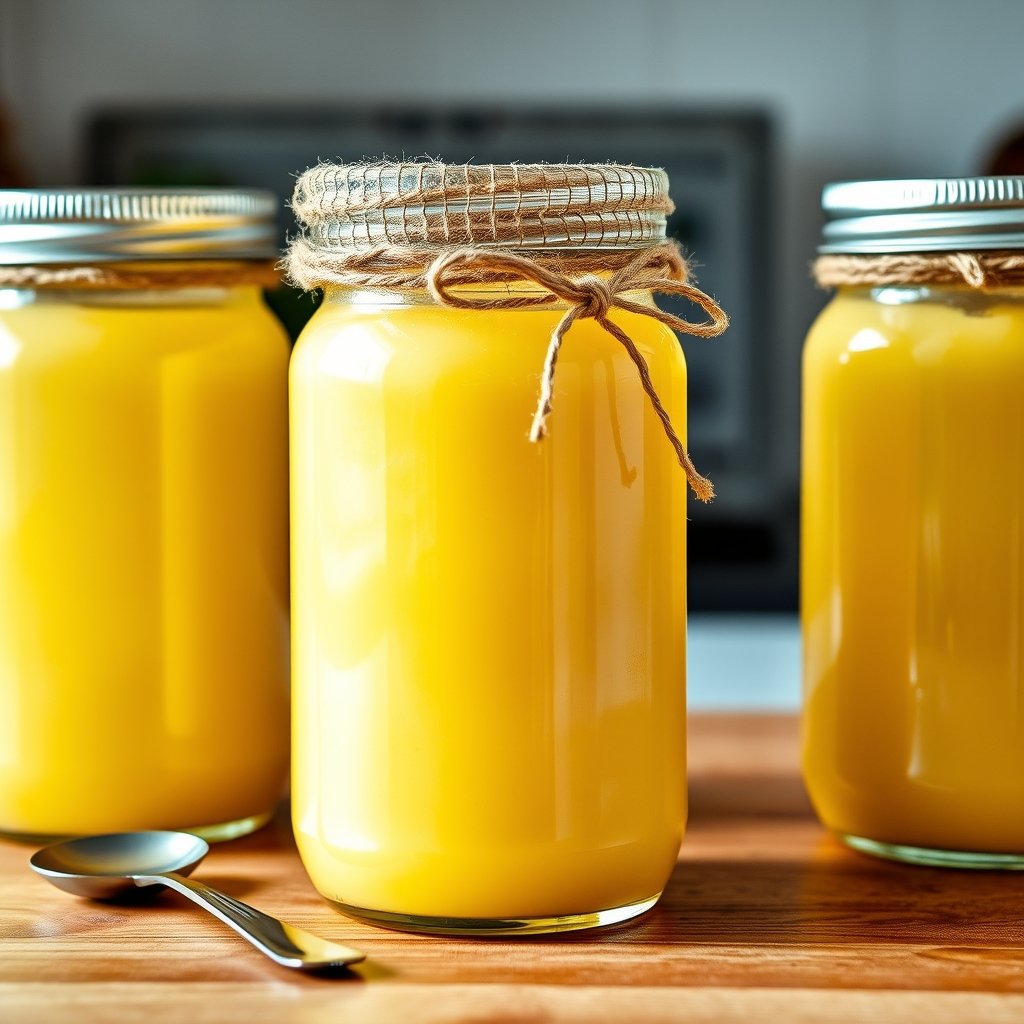 Ghee for Joint Family: Rotate 1-Litre Glass Jars
Buying ghee for a joint family works best with monthly one-litre jars rather than large bulk tins, keeping…
-
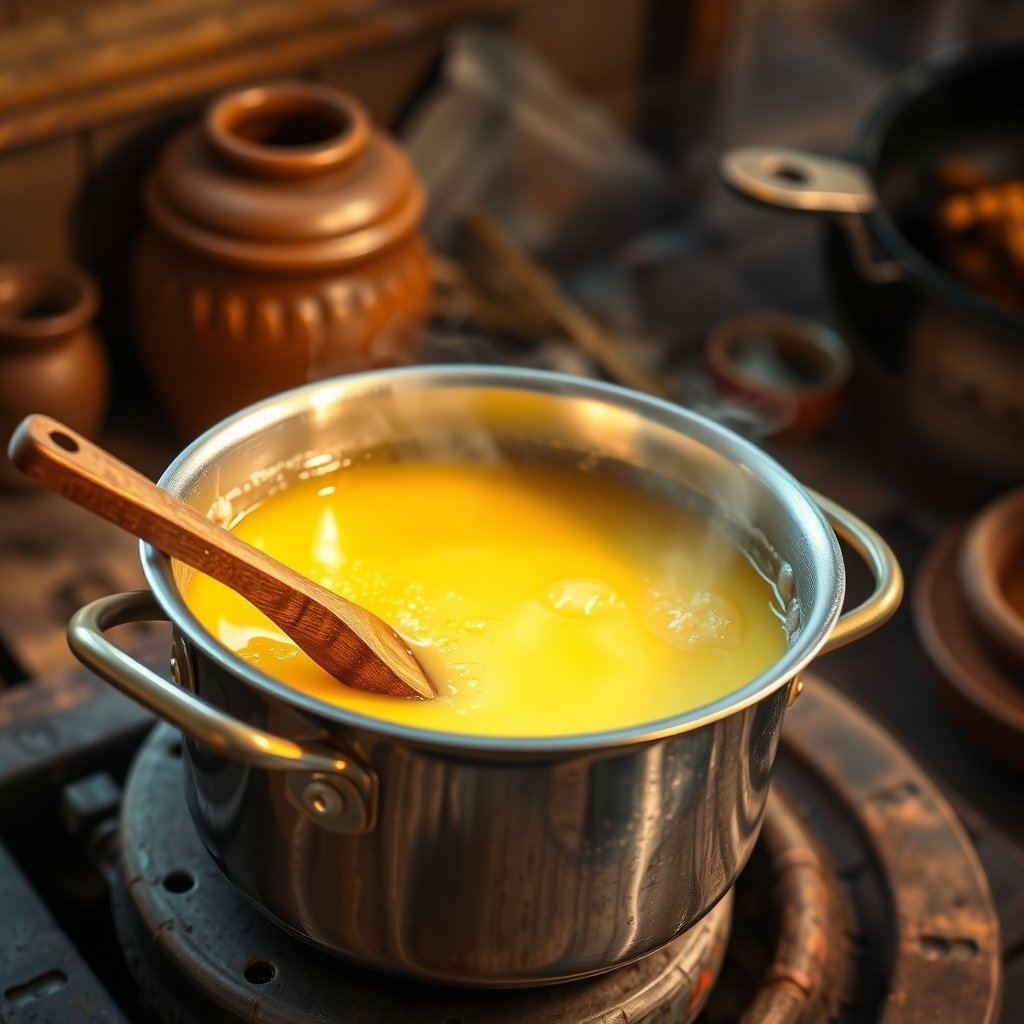 How to Tell When Bilona Ghee is Ready
Discover the ancient kitchen art of listening to your food. Learn how the shifting acoustic patterns of…
-
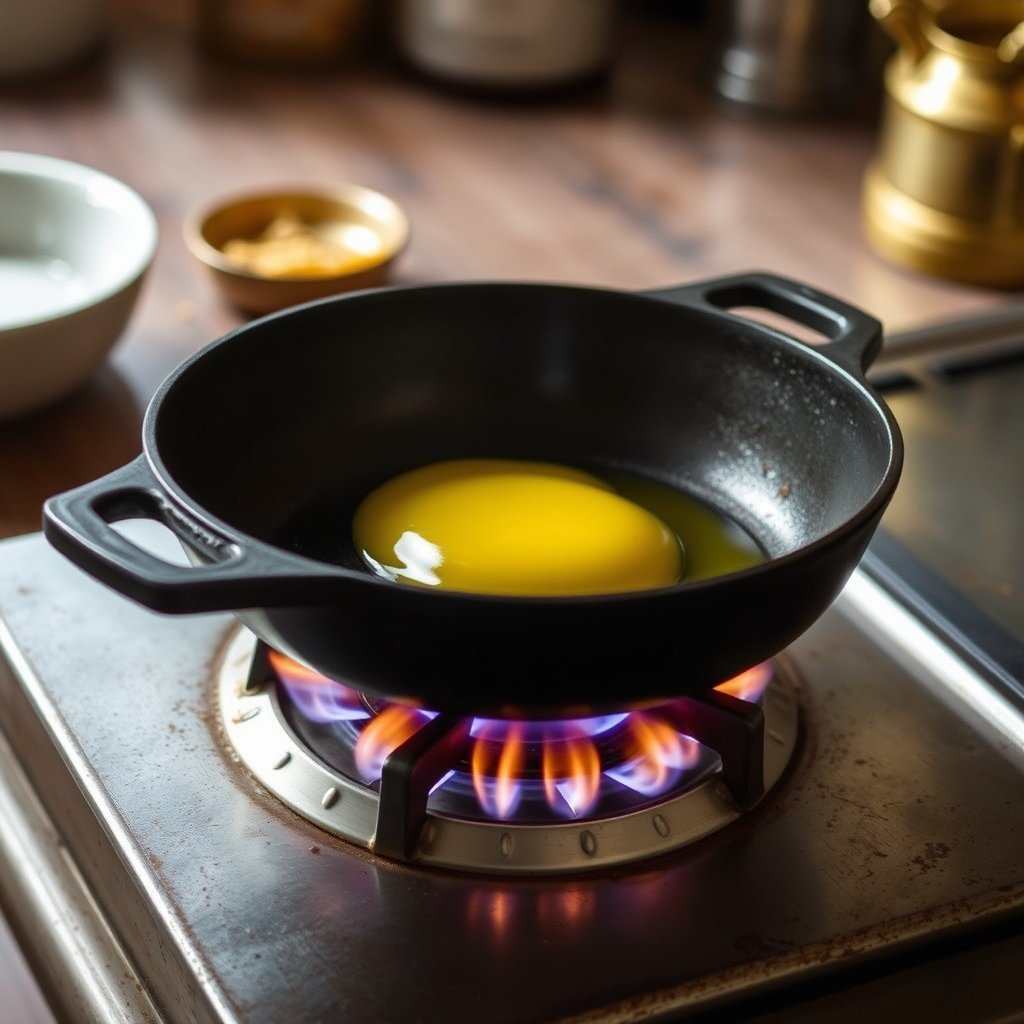 Smoke Point Explained: Choosing a Fat by Temperature
A fat's smoke point determines how hot your pan can get before the fat breaks down, and pure A2 bilona ghee…
