
Ghee for Joint Family: Rotate 1-Litre Glass Jars
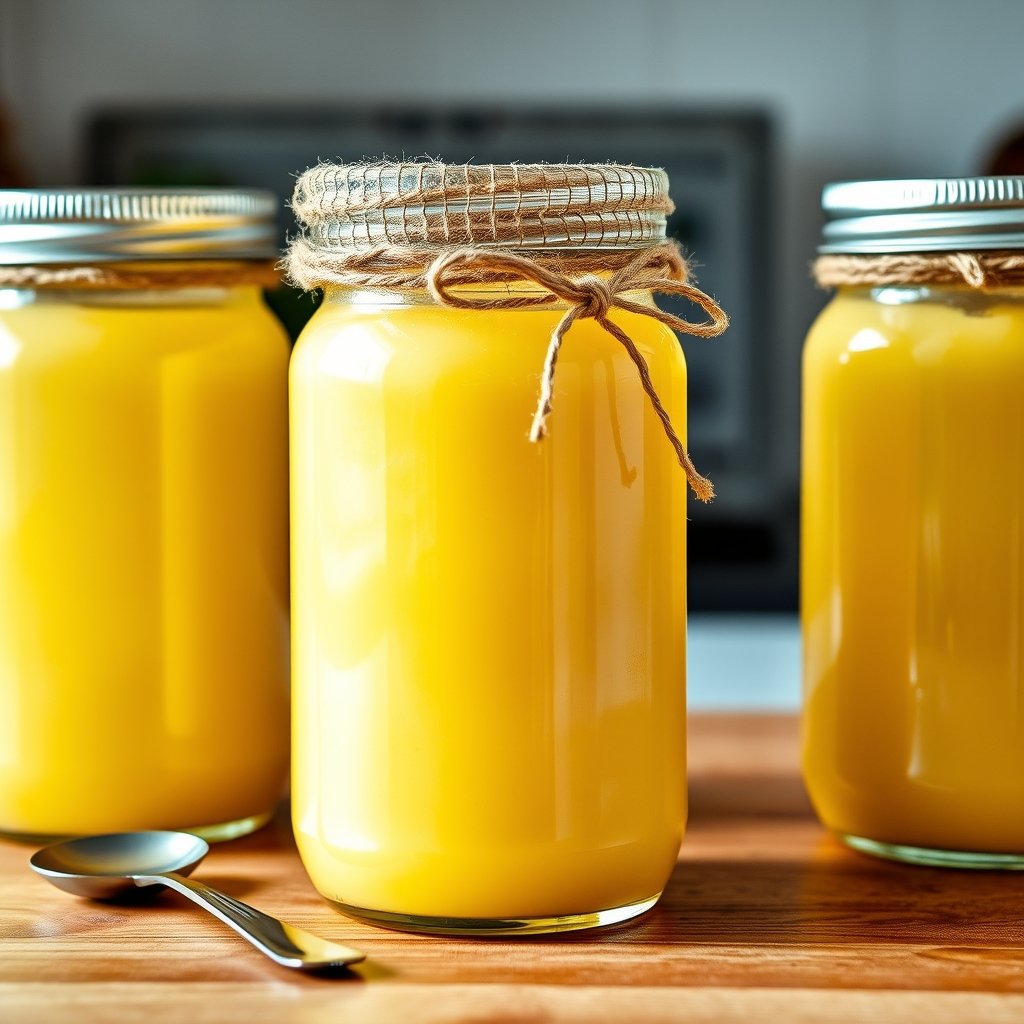
For a joint family, the most practical way to buy ghee is in one-litre glass jars on a recurring monthly cycle rather than an oversized bulk container. In a large household where cooking happens across three meals every day, the natural instinct is often to purchase a five-litre tin or plastic jerrycan to reduce per-unit expense. However, traditional A2 Gir cow ghee made by the bilona method is an aromatic, cultured food that gradually loses its distinct grain and nutty aroma when a single massive vessel is repeatedly opened, dipped into, and left exposed to kitchen heat and steam over many weeks.
Why does jar size matter in a large household?
Jar size matters because repeated exposure to air, ambient humidity, and warm cooking steam degrades the delicate aroma and grainy texture of bilona ghee long before the fat itself spoils. When you purchase multiple smaller jars instead of a single giant vessel, only one jar is actively exposed to the daily chaos of the stove area while the rest remain sealed in a cool, dark pantry. This keeps the butterfat stable and preserves the nutty, caramelized notes achieved from slow simmering over firewood until the very day you break the seal.
What happens when a large ghee container stays open too long?
A ghee container that stays open for months loses its volatile aromatic compounds and faces continuous exposure to moisture from spoons and ladles. Traditional bilona ghee contains microscopic fat crystals that give it its signature danedaar grain, but this structure softens and flattens under persistent ambient heat and air circulation. In addition, an open vessel on a joint family counter is frequently accessed by different cooks, increasing the likelihood that a damp spoon introduces moisture into the jar, which can compromise the shelf stability of unadulterated cultured butterfat.
How should a joint family compare bulk tins to smaller jars?
Comparing bulk containers with multiple smaller glass jars shows distinct trade-offs between unit cost and everyday culinary quality.
| Feature | Single 5-Litre Bulk Tin | Multiple 1-Litre Glass Jars |
|---|---|---|
| Aroma Retention | Fades steadily as headspace air increases | Locked into each jar until opened |
| Texture Integrity | Grains soften under repeated warm openings | Crystalline danedaar texture stays intact |
| Moisture Risk | High risk across weeks of communal use | Limited only to the single active jar |
| Counter Convenience | Cumbersome to pour; requires decanting | Easy to handle directly or pour into a ghee dani |
| Pantry Management | Single point of failure if damaged | Predictable stock rotation as jars empty |
Our cows are not use and throw

A cow that stops giving milk is still our cow. She stays on the farm, with the same feed, the same shed and the same medical care she had when she was milking. We do not sell her on and we do not let her go. That is the whole basis of the ghee we make — you cannot ask an animal for her milk and then abandon her for it.
Our mission goes further than our own herd. There are cows on the street who are injured every day, who eat plastic, who cry through the night with nobody coming. We want to take them in. The plan is a chain of Organic Farmz gaushalas in several places, so that help is not one shed in one city but something a hurt animal can actually reach.
This takes more than we can carry alone — land, fodder, vets, hands. Come and join our initiative. Anything you give goes to feed, treat and shelter these cows.

Scan with any UPI app
Bank transfer
- Account name Organic Farmz
- Bank Indian Bank
- Account number 8133177322
- IFSC code IDIB000K555
- UPI ID organicfarmz@ptaxis
On a phone, the button above opens your UPI app directly — a QR on the screen you are reading cannot be scanned by that same screen. On a laptop, scan the code with your phone instead.
What is the ideal repeat cycle for fresh bilona ghee?
The ideal repeat cycle for a large household is a monthly delivery schedule coordinated around how many one-litre jars the kitchen uses within four to five weeks. In Indian culinary tradition, fresh food is valued for its vitality, and cultured ghee made in small batches carries its best flavor within the first few months of churning. Setting a monthly cycle ensures that the household always receives freshly made bilona ghee rather than storing excess volume that languishes in a back cabinet through humid monsoons or blistering summer heat waves.
How does everyday kitchen handling affect ghee freshness?
Everyday kitchen handling affects freshness through steam contact, fluctuating stove-side temperatures, and communal utensil habits. In a joint family, the kitchen is rarely idle, meaning an open container near the cooking area is continually subjected to frying vapours, boiling dal steam, and temperature swings. To protect the fat, the household should decant an active portion into a small stainless steel or brass ghee dani for the counter, leaving the primary one-litre glass jar tightly closed inside a cupboard away from direct sunlight.
How should a joint family divide and store their ghee supply?
A joint family should keep one small daily container on the counter, one active one-litre jar in the pantry cupboard, and leave any remaining sealed jars in the coolest corner of the dry store. This tiered arrangement prevents family members from reaching into the primary supply during hurried meal preparations, eliminating spoon contamination entirely. By treating traditional A2 Gir cow ghee as a fresh, handcrafted staple rather than an industrial commodity, a large family enjoys the full depth, aroma, and golden grain of bilona craftsmanship from the first roti to the final bowl of dal.
Taste the difference
Small-batch A2 Gir cow ghee, hand-churned to order and delivered across India. Read how we make it if you want the detail first.
Order a jarKeep reading
-
 Ghee Quantity for a Couple: A 500ml Jar Works
A 500ml jar of ghee is the ideal quantity for a couple, lasting about four to six weeks across daily tadkas…
-
 Bilona Ghee in West Delhi: Fresh Glass Jars to Dwarka
Fresh A2 Gir cow bilona ghee is delivered to homes across Dwarka and West Delhi within 24 to 48 hours using…
-
 The Right Jar for Ghee: Glass or Steel, Never Plastic
Glass or food-grade steel is the right jar for ghee: both are inert, so they hold its aroma without…
