
What the Word Organic Means on a Ghee Jar
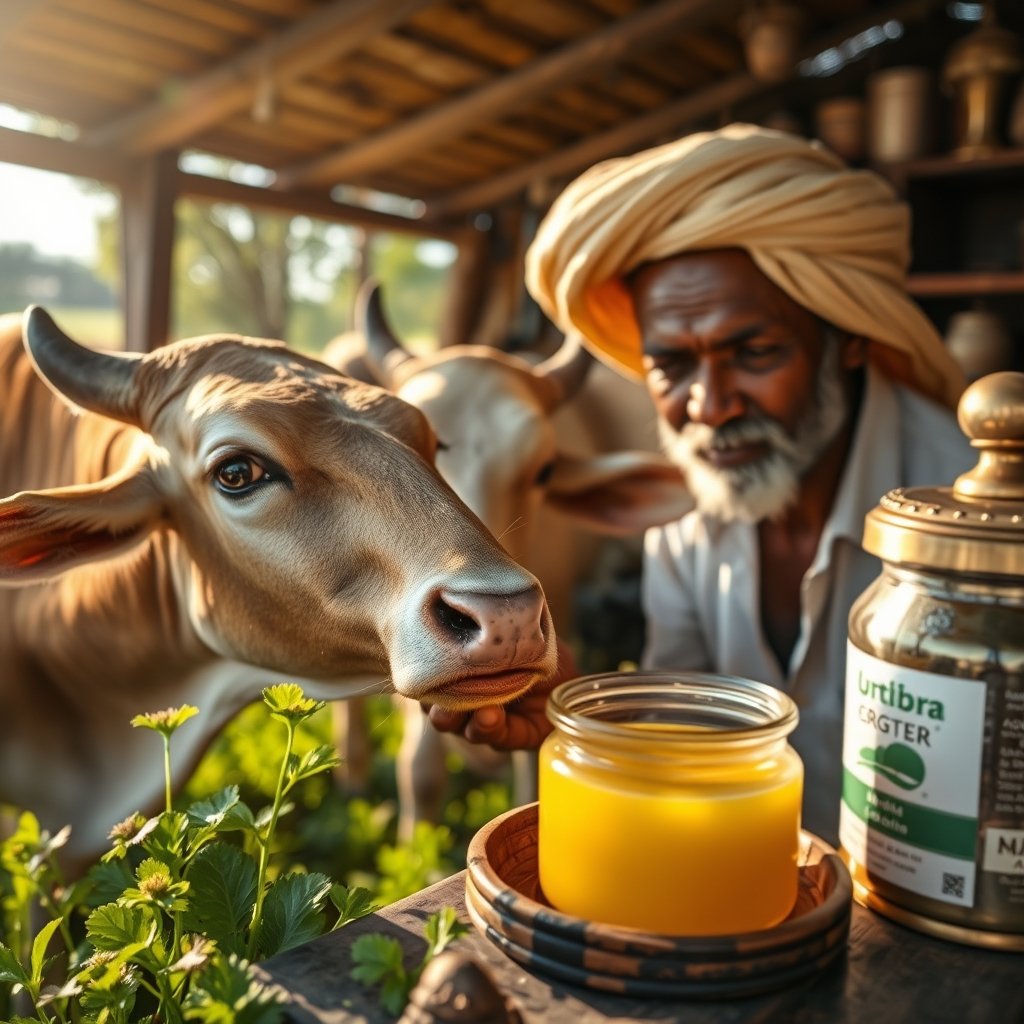
On a ghee jar, the word "organic" means that the milk was sourced from cows fed on natural fodder and pasture grown without synthetic chemical fertilizers, pesticides, or routine synthetic drugs, whereas regular ghee comes from conventional dairy farms where animal feed and agricultural inputs are not strictly bound by these farming restrictions. When you look closely at a label in your kitchen, the term organic describes the entire agricultural environment—from the soil where the grass grows to the daily feed of the cattle—long before the butterfat ever sees a warm cooking vessel. In everyday Indian cooking, this foundation changes how the ghee smells when heated, how its fat grains form during cooling, and how cleanly it carries spices during a daily tadka.
What Is the Difference Between Organic Ghee and Regular Ghee?
While both organic and regular ghee consist of clarified butterfat with water and milk solids removed, their sourcing and production pathways differ in fundamental ways. Regular ghee is usually manufactured on a mass scale using cream separated directly from raw, pooled milk gathered across large commercial dairy networks. In these settings, cattle are often stall-fed on standard grain mixtures and commercial fodder treated with common agricultural sprays. In contrast, certified organic ghee requires that cows graze on pesticide-free pastures or feed on organically grown green fodder. Beyond the feed itself, pure organic ghee from traditional producers is usually processed in small batches using time-honored methods rather than continuous industrial centrifuges.
| Feature | Organic Bilona Ghee | Regular Commercial Ghee |
|---|---|---|
| Fodder & Pasture | Organic green forage, pesticide-free grazing | Standard commercial feeds, conventional crops |
| Milk Processing | Whole milk cultured into curd, then churned | Direct cream separation via high-speed centrifuge |
| Fat Structure | Coarse, natural grain formed by slow cooling | Smooth or uniform paste-like consistency |
| Aroma Profile | Nutty, deeply aromatic, subtle cultured notes | Flat, mild, or standard buttery fat smell |
| Kitchen Behavior | High smoke point, clean heat transfer | Standard heat tolerance, varies by blend |
How Does Cattle Diet Impact the Aroma and Grain in the Pan?
What a cow eats directly shapes the fatty acid structure and subtle aromatic compounds present in its milk. Gir cows that roam open pastures and consume wild grasses, green sorghum, and seasonal herbs absorb naturally occurring carotenoids and fat-soluble aroma notes into their milk. When this milk fat is slowly clarified over a gentle flame, it produces a rich golden color and a fragrant, nutty aroma that blooms immediately when heated. Regular ghee, derived from cattle on uniform, dry grain diets, tends to yield a paler color and a simpler fat aroma. When you temper cumin seeds, crushed ginger, or mustard seeds in organic ghee, the natural fat wraps around the spices without harsh smoke or heavy residue, producing a rounded taste in simple dishes like moong dal or steamed khichdi.
Why Does the Bilona Method Complete the Organic Promise?
An organic label certifies the purity of the agricultural inputs, but the method used to extract the ghee determines its ultimate texture and character. A jar can technically carry an organic seal even if the butterfat was extracted using industrial cream separators that process thousands of liters of raw cream per hour. Traditional bilona preparation honors the full natural cycle of dairy. Fresh A2 Gir cow milk is boiled, allowed to cool, and set overnight into whole curd using a natural starter culture. The following morning, this curd is churned bi-directionally with a wooden bilona spindle to yield fresh butter (makkhan). Clarifying cultured butter over a slow wooden fire allows gentle caramelization of residual cultured solids, creating the signature granular texture (danedaar ghee) that home cooks look for.
How Is Organic Ghee Used in Ayurvedic Cooking?
In traditional Ayurvedic home cooking, ghee is considered a foundational food (snehana) that balances the sharp heat of spices and nourishes the body's internal digestive fire, or agni. According to classic principles, the qualities of ghee are directly tied to the harmony of its source—meaning happy, well-fed cattle living in natural surroundings produce milk that yields more soothing ghee. Ghee made from organic, cultured A2 milk is prized for its gentle nature on the digestive system. Drizzled hot over fresh bajra rotis, stirred into warm lentil soups, or mixed into roasted besan for festival sweets, organic cultured ghee adds depth without feeling greasy or heavy on the palate.
How Should You Store and Enjoy Organic Ghee at Home?
Because authentic organic bilona ghee contains no synthetic preservatives, artificial colorings, or chemical stabilizers, storing it correctly in your kitchen preserves its fresh flavor and coarse texture over long periods. Store your ghee in a dry glass or ceramic jar away from direct sunlight and moisture. Always use a clean, dry spoon when serving, as introducing water droplets into the jar can spoil the butterfat. Over changing seasons, you may notice the ghee softening during warm summer months or solidifying into tight golden grains during winter. This natural shift in consistency is a reassuring sign of pure, unadulterated fat prepared without artificial homogenizers.