
White-Label Ghee Manufacturing: What It Means for Your Brand
What is white-label ghee manufacturing?
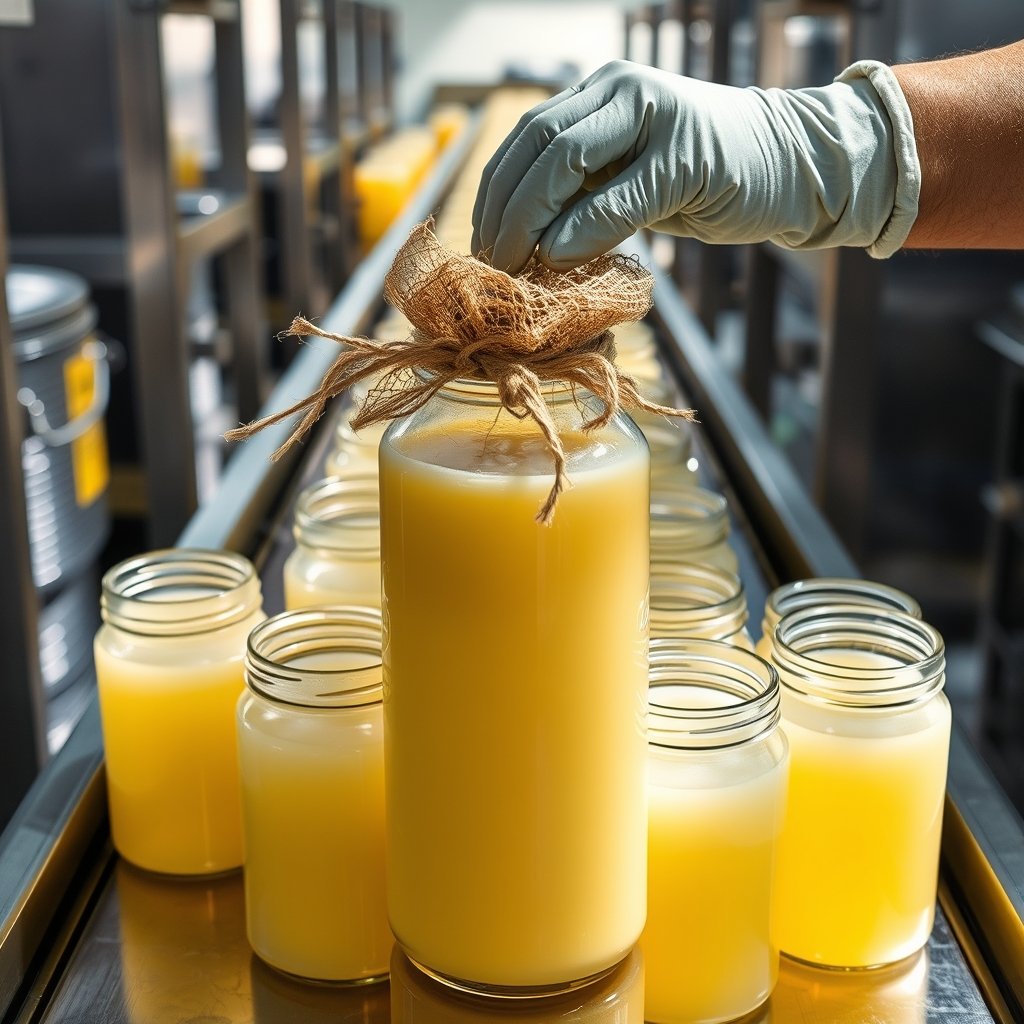
White-label ghee manufacturing is a commercial partnership where a specialist producer makes A2 Gir cow ghee using the traditional bilona method and packages it in containers featuring your company’s own branding, logo, and FSSAI license information. This arrangement allows a business to enter the dairy market or expand its product line without the need to maintain its own herd of cows, manage a churning facility, or oversee daily production logistics. The manufacturer operates the facility, sources the milk, and handles the labor-intensive process of hand-churning curd into butter and then into ghee, while the buyer focuses on the marketing, distribution, and sales of the finished product.
How do you start a white-label partnership for A2 ghee?
The process of starting a white-label partnership begins with a formal enquiry sent via WhatsApp or email to the producer. In this initial communication, the prospective brand owner provides specific details including the name of their brand, the desired jar sizes for the product, the estimated monthly volume they intend to move, and the date they would like the first batch to be ready. At Organic Farmz, we receive these enquiries and move directly to a sampling phase. Before any long-term commitments are made, a sample batch is prepared and agreed upon so that the brand owner can taste the ghee and verify that the texture, aroma, and quality meet their brand standards. Once the sample is approved, both parties move toward a formal written agreement.
What details are included in a private label manufacturing agreement?
A written agreement is essential to define the expectations of both the ghee producer and the brand owner. This document outlines the agreed-upon rate per unit, the total volume of the orders, the specific type of glass jar to be used, and the management of label artwork. It also clearly defines the protocols for quality control, including what steps are taken if either party is dissatisfied with a specific batch. By formalizing these points before production begins, both the manufacturer and the brand have a clear roadmap for the partnership. Because every brand has different needs regarding volume and frequency, these terms are settled individually during the sample stage rather than being offered as fixed public rates.
Who is responsible for the FSSAI license and label artwork?
In a white-label arrangement, the buyer is responsible for providing the print-ready artwork for the labels. This artwork must carry the buyer’s own FSSAI number and all mandatory regulatory declarations required for food packaging in India. While the manufacturer handles the physical crafting of the A2 Gir cow ghee, the brand owner acts as the legally responsible entity for the marketing and sale of the product under their own license. The manufacturer ensures that the product matches the quality standards of the bilona method, but the legal identity of the product on the shelf belongs to the brand owner. The producer then applies these labels to the jars during the packaging process so that the product arrives ready for the market.
Our cows are not use and throw
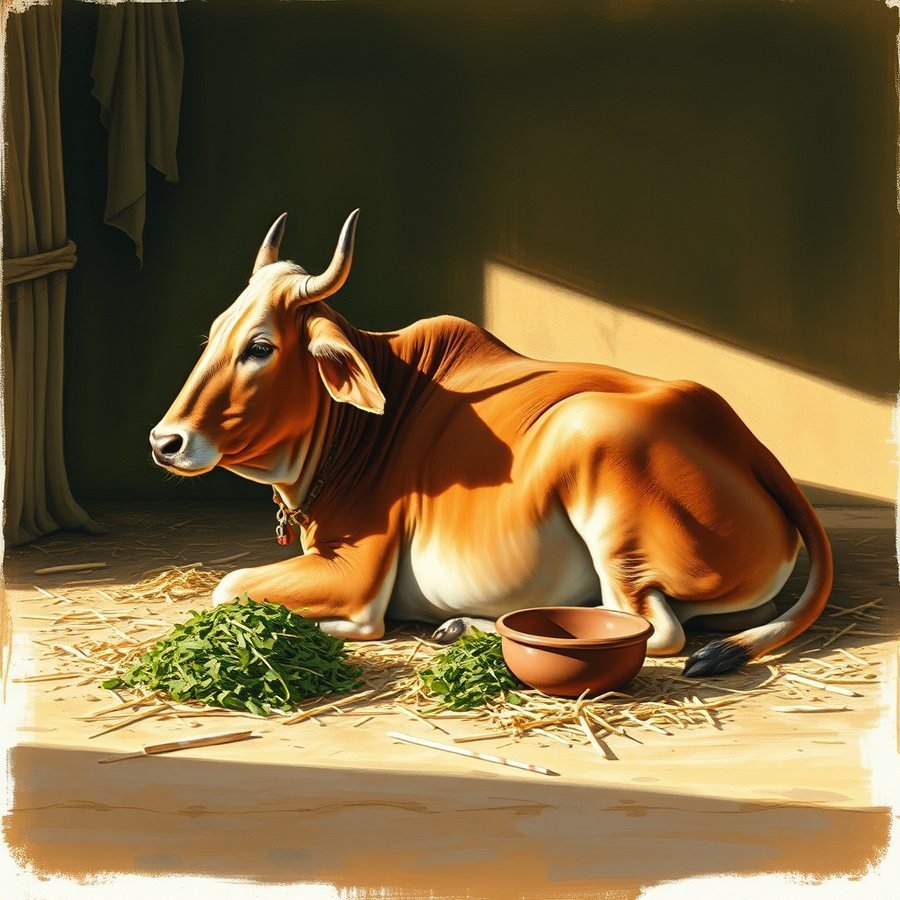
A cow that stops giving milk is still our cow. She stays on the farm, with the same feed, the same shed and the same medical care she had when she was milking. We do not sell her on and we do not let her go. That is the whole basis of the ghee we make — you cannot ask an animal for her milk and then abandon her for it.
Our mission goes further than our own herd. There are cows on the street who are injured every day, who eat plastic, who cry through the night with nobody coming. We want to take them in. The plan is a chain of Organic Farmz gaushalas in several places, so that help is not one shed in one city but something a hurt animal can actually reach.
This takes more than we can carry alone — land, fodder, vets, hands. Come and join our initiative. Anything you give goes to feed, treat and shelter these cows.

Scan with any UPI app
Bank transfer
- Account name Organic Farmz
- Bank Indian Bank
- Account number 8133177322
- IFSC code IDIB000K555
- UPI ID organicfarmz@ptaxis
On a phone, the button above opens your UPI app directly — a QR on the screen you are reading cannot be scanned by that same screen. On a laptop, scan the code with your phone instead.
How does white-labeling compare to building a dairy brand from scratch?
Building an in-house dairy production facility requires significant capital investment and time to manage animal husbandry and traditional churning processes. White-labeling offers a more streamlined path for brands that wish to focus on customer experience and retail reach. Below is a comparison of how these two approaches differ in the context of traditional bilona ghee.
| Feature | In-House Production | White-Label Partnership | |
|---|---|---|---|
| Infrastructure | Requires land, cows, and churning units. | Uses the producer's existing facility. | |
| Expertise | Brand must hire and train bilona artisans. | Brand leverages the producer’s expertise. | |
| Compliance | Brand manages all dairy plant certifications. | Brand provides artwork for their own FSSAI. | |
| Product Focus | Brand manages everything from fodder to jar. | Brand focuses on marketing and sales. |
What determines the price and production lead time?
The cost of manufacturing and the time required to deliver a batch are not fixed figures because they depend entirely on the specifics of the order. Factors such as the current price of A2 Gir cow milk, the complexity of the packaging, the monthly volume requested, and the current production schedule of the bilona churning units all play a role. These specifics—the minimum order quantity, the final rate per jar, and the lead time—are settled with each buyer at the sample stage. This ensures that the brand owner receives a quote that is accurate to their specific business model and current market conditions. The bilona method is inherently a slow, traditional process, so timelines are carefully managed to maintain the quality of the ghee.
How is the ghee packaged and delivered to the brand?
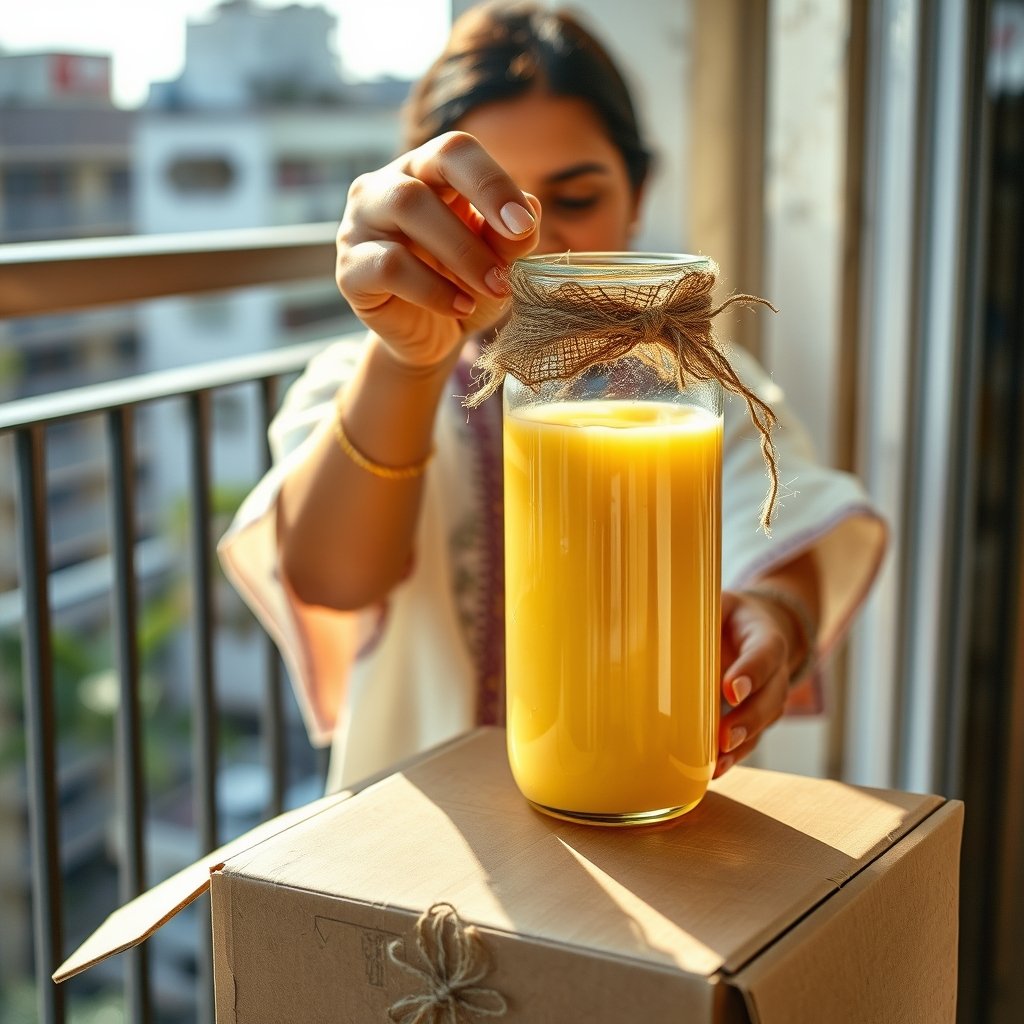
Once the ghee is made to order using the traditional method, it is filled into glass jars that are sealed, labelled with the brand's artwork, and code-stamped with batch information. These jars are prepared at the facility near Delhi and are delivered to the brand owner in a state that is ready to ship to customers. This means the brand owner does not need to repack, label, or handle the bulk ghee themselves, which reduces the risk of contamination and maintains the integrity of the danedaar texture. The final product is a professional, market-ready jar of A2 Gir cow ghee that the brand can immediately place in their inventory. If you are interested in starting this process for your business, you can find more details about our requirements on our white-label partnership page and reach out to us directly.
Taste the difference
Small-batch A2 Gir cow ghee, hand-churned to order and delivered across India. Read how we make it if you want the detail first.
Order a jarKeep reading
-
 Ghee Contract Manufacturing: Who Does What in Production
Ghee contract manufacturing divides duties between cooking and branding: the maker handles milk, churning…
-
 Private Label Ghee Manufacturers in India: How It Works
Private label ghee manufacturing in India works by partnering with a dairy to produce A2 Gir cow ghee under…
-
 D2C Ghee Brand India: The Work Is Front of House
Launching a D2C ghee brand in India succeeds or fails on customer service, packaging, and brand reach rather…
