
Private Label Ghee Manufacturers in India: How It Works
How do you start a private label ghee partnership?
Private label ghee manufacturing in India begins with a formal inquiry that outlines your brand’s specific requirements for A2 Gir cow ghee. At Organic Farmz, we receive these inquiries through WhatsApp or email, where the prospective brand owner provides their brand name, the desired jar size, an estimate of their monthly volume, and the specific date they wish to receive their first batch. This initial stage is crucial for aligning expectations regarding the traditional bilona method, which involves curdling milk and churning it with wooden beaters. Because this process is time-intensive and relies on fresh milk cycles, the initial conversation establishes whether the manufacturer’s current capacity can accommodate the new brand's timeline and volume needs without compromising the handcrafted nature of the product.
What happens during the sample and agreement stage?
Once the initial details are shared, a sample batch is prepared and sent to the brand owner for evaluation. In the world of premium A2 Gir cow ghee, the sensory profile—the aroma, the grainy (danedaar) texture, and the deep yellow color—is the primary measure of quality. The buyer must taste and approve this sample before any formal business commitment is made. Following approval, a written agreement is drafted. This document is the foundation of the partnership, explicitly stating the agreed rate, the monthly or batch volume, the specific glass jar to be used, and the protocols for artwork custody. Importantly, the agreement also outlines the procedures for any batch that either the buyer or the manufacturer feels does not meet the predefined quality standards, ensuring transparency and trust in the supply chain.
Who is responsible for the label artwork and FSSAI?
The brand owner is responsible for providing the print-ready artwork for the labels, which must include their own registered FSSAI number and all legally required declarations. In a private label arrangement, the manufacturer acts as the production unit, while the buyer remains the brand owner and the entity responsible for marketing and compliance under their own license. The artwork must be sized correctly for the chosen glass jars and must arrive at the facility in a format ready for professional printing. This division of labor allows the brand owner to focus on their market positioning and customer service while the manufacturer focuses entirely on the traditional bilona production process and maintaining the integrity of the A2 Gir cow milk sourcing.
How is the ghee manufactured and packaged for your brand?
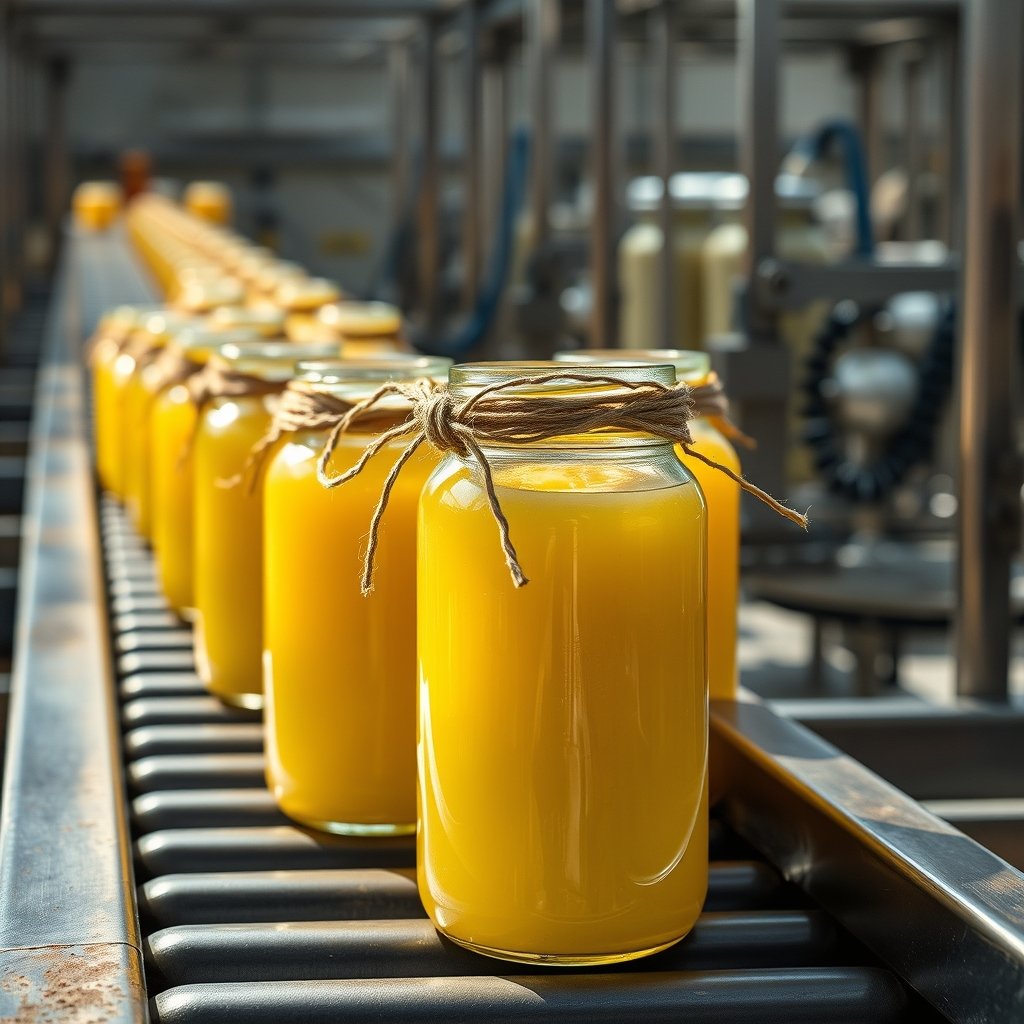
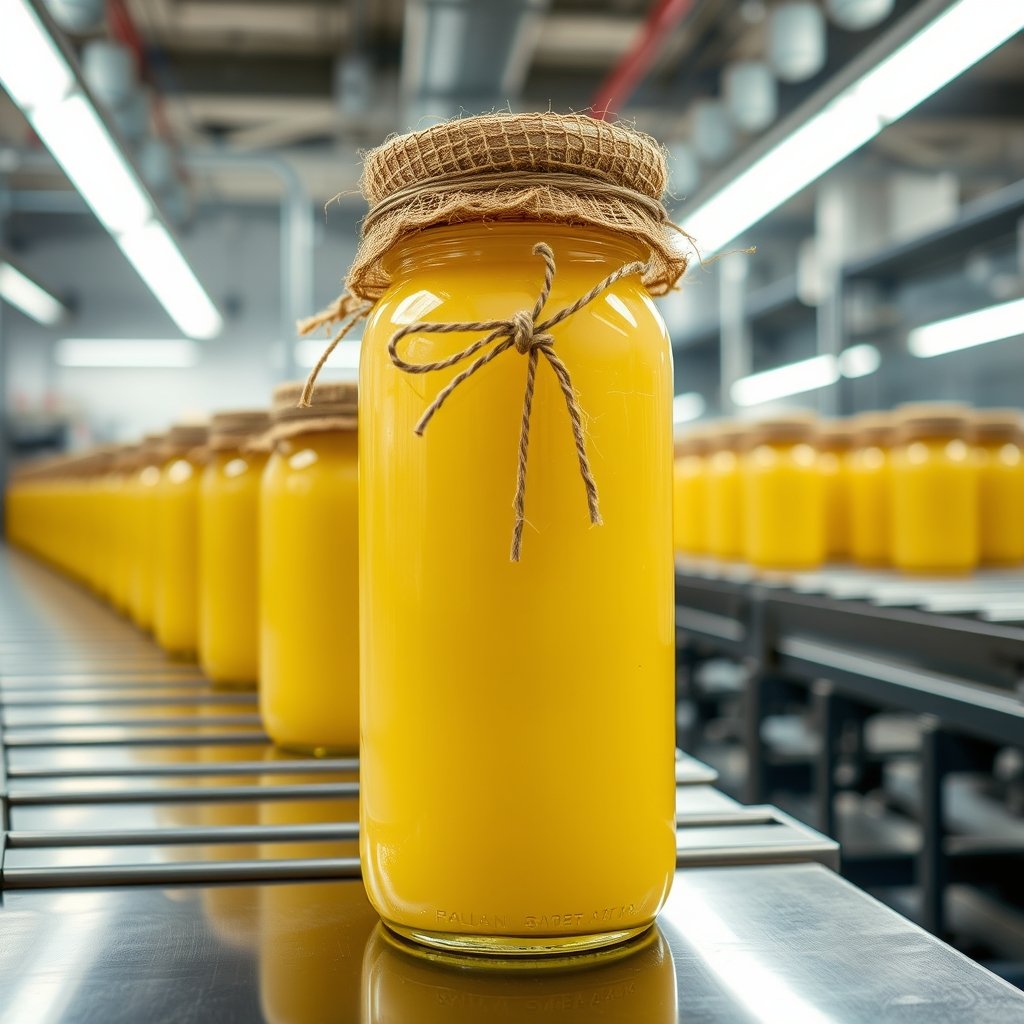
The manufacturing process follows the traditional bilona method, where A2 Gir cow milk is boiled, cooled, and inoculated with curd. Once the curd is set, it is churned using a wooden bilona to separate the makkhan (butter), which is then clarified over a slow flame to produce ghee. Unlike industrial setups that maintain large inventories, we produce ghee specifically for each order to ensure freshness. Once the ghee is ready, it is poured into glass jars, sealed, and labeled with the buyer’s provided artwork. Each jar is code-stamped with batch details and expiry information. This means the product arrives at the buyer’s warehouse as a finished, shelf-ready item. There is no need for the buyer to invest in a secondary repacking facility, as the jars are ready to be shipped directly to the end consumer.
Our cows are not use and throw
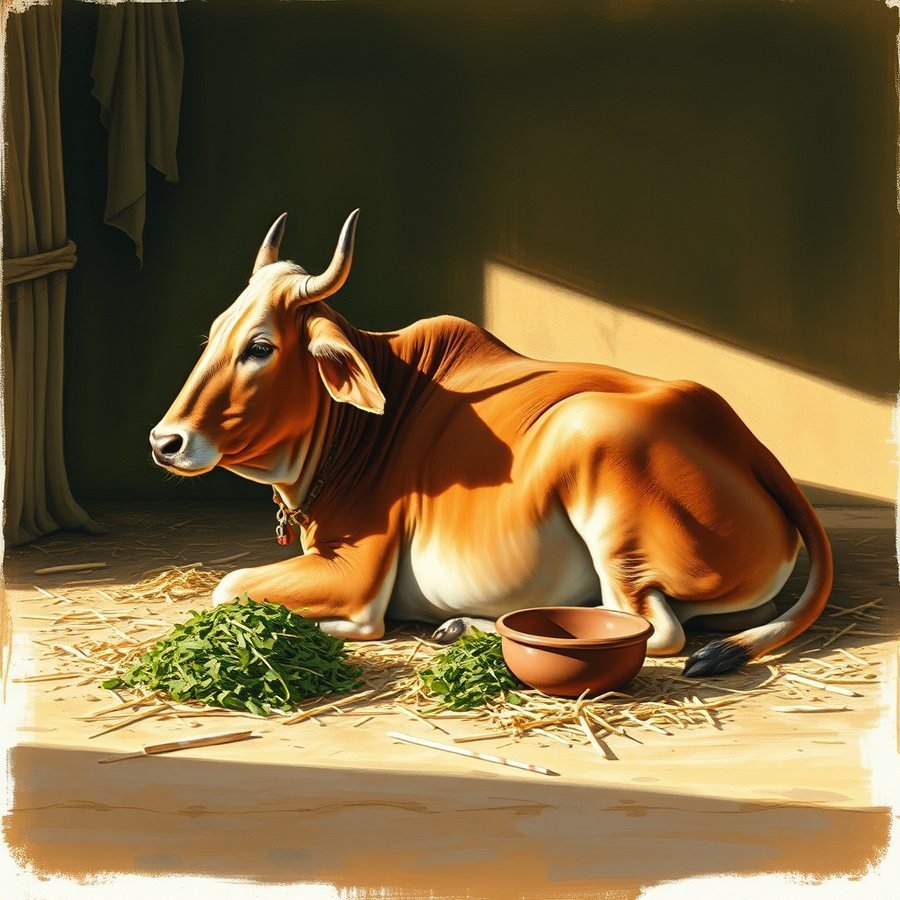
A cow that stops giving milk is still our cow. She stays on the farm, with the same feed, the same shed and the same medical care she had when she was milking. We do not sell her on and we do not let her go. That is the whole basis of the ghee we make — you cannot ask an animal for her milk and then abandon her for it.
Our mission goes further than our own herd. There are cows on the street who are injured every day, who eat plastic, who cry through the night with nobody coming. We want to take them in. The plan is a chain of Organic Farmz gaushalas in several places, so that help is not one shed in one city but something a hurt animal can actually reach.
This takes more than we can carry alone — land, fodder, vets, hands. Come and join our initiative. Anything you give goes to feed, treat and shelter these cows.

Scan with any UPI app
Bank transfer
- Account name Organic Farmz
- Bank Indian Bank
- Account number 8133177322
- IFSC code IDIB000K555
- UPI ID organicfarmz@ptaxis
On a phone, the button above opens your UPI app directly — a QR on the screen you are reading cannot be scanned by that same screen. On a laptop, scan the code with your phone instead.
How does bilona ghee production differ from industrial methods?
When selecting a private label partner, it is important to understand how the production method affects the final product. Industrial ghee is often made through cream separation and high-speed mechanical heating, whereas traditional bilona ghee is a cultured process. This comparison helps brands decide which market segment they wish to target.
| Feature | Bilona Private Label | Industrial Private Label |
|---|---|---|
| Churning Method | Wooden churn (Bilona) | High-speed centrifuges |
| Raw Material | Whole milk curd | Milk cream (Malai) |
| Production Scale | Small-batch, made to order | Mass-produced, continuous |
| Texture | Naturally grainy (Danedaar) | Often smooth or homogenized |
| Packaging | Glass jars (standard) | Plastic or tin containers |
What determines the price and minimum order quantity?
The cost of private label ghee and the minimum order quantity (MOQ) are not fixed; they are determined by several variables that are settled during the inquiry and sample stage. Factors such as the current market price of A2 Gir cow milk, the volume of the order, the frequency of batches, and the specific packaging requirements all influence the final rate per unit. Similarly, the lead time—the duration between placing an order and the product being ready for dispatch—is decided based on the manufacturer’s current production schedule and the specific volume requested. By not publishing fixed rates or MOQs, the manufacturer can provide a customized quote that reflects the real-time costs of high-quality, handcrafted production.
Why is glass packaging preferred for white-label ghee?
Glass packaging is the preferred choice for private label A2 ghee because it preserves the aroma and shelf life of the product without the risk of chemical leaching associated with some plastics. In Indian home cooking and Ayurveda, the purity of the container is considered as important as the purity of the ghee itself. Using heavy glass jars also provides a premium feel for the brand, making it suitable for gifting and high-end retail. For the brand owner, receiving the ghee already bottled in sealed glass jars reduces the risk of contamination and simplifies the logistics of the supply chain, as glass is a stable and inert material for long-term storage of fats.
How can you get a quote for private label bilona ghee?
To begin the process of launching your own brand of A2 Gir cow ghee, you must first define your target jar size and the monthly volume you anticipate moving. Because we prioritize the traditional bilona method, our capacity is aligned with partners who value small-batch quality and authenticity. You can find more details on how we structure these professional arrangements and submit your initial inquiry by visiting our white-label partnership page. This allows us to review your requirements and provide a tailored response regarding the current lead times and rates applicable to your specific project.
Taste the difference
Small-batch A2 Gir cow ghee, hand-churned to order and delivered across India. Read how we make it if you want the detail first.
Order a jarKeep reading
-
 Ghee Manufacturer MOQ: Why We Will Not Publish One
A traditional ghee manufacturer will not publish a minimum order quantity because batch volumes depend on…
-
 White-Label Ghee Manufacturing: What It Means for Your Brand
White-label ghee manufacturing is an arrangement where a producer makes A2 Gir cow bilona ghee and packages…
-
 White-Label Ghee Agreement: 7 Essential Clauses
A white-label ghee agreement must define rates, batch volume, artwork rights, glass jar specs, quality…
