
What "Sattvic Food" Means, and Where Ghee Sits
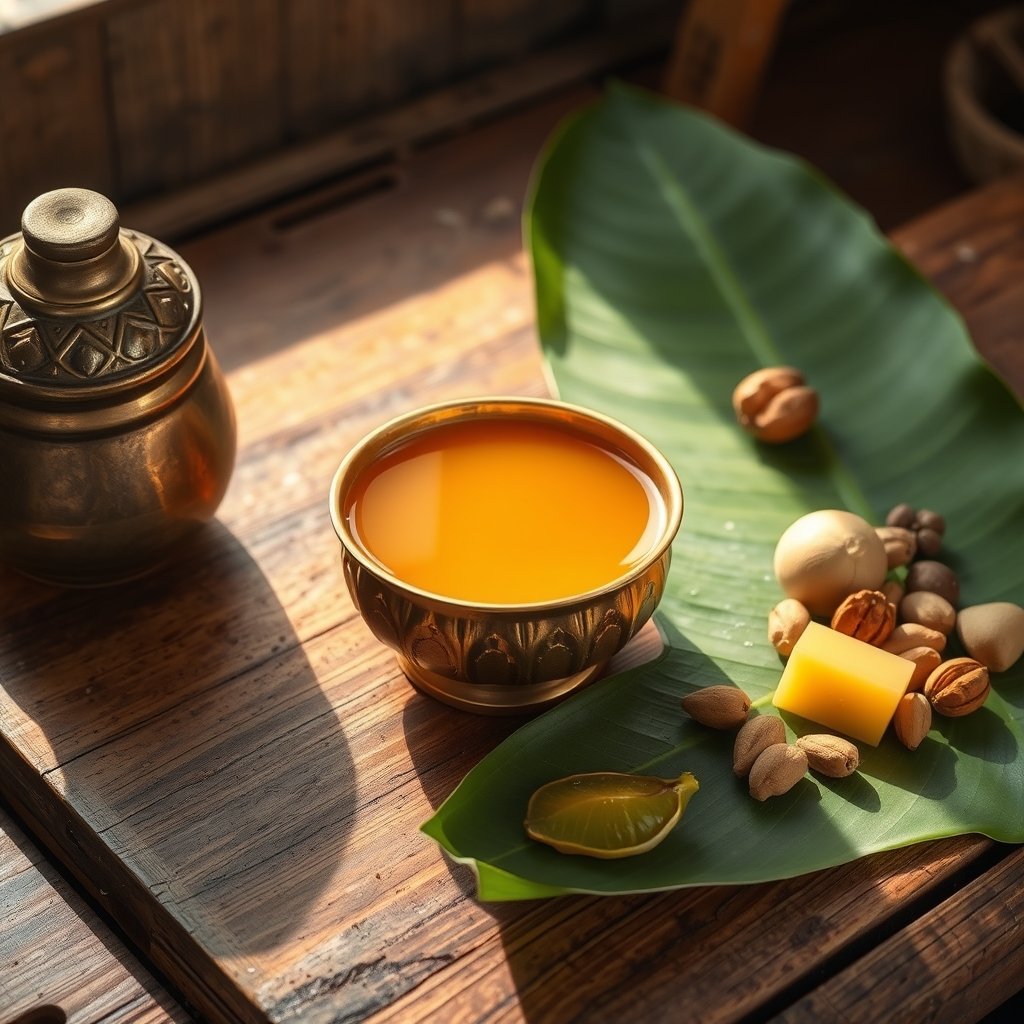
Sattvic food refers to simple, clean, and minimally processed vegetarian food that is fresh, wholesome, and prepared with mindful intent to promote physical vitality, mental clarity, and peace according to traditional Ayurvedic principles.
Rooted in the Sanskrit word sattva—which translates to purity, light, goodness, and harmony—this diet is not just about the nutritional profile of what we eat, but how the food is grown, harvested, cooked, and consumed. In Indian homes, a sattvic lifestyle centers around ingredients that are easy to digest, deeply nourishing, and free from heavy processing or artificial additives. It is food that leaves you feeling light and clear-headed after a meal, rather than sluggish or overly stimulated.
What are the three gunas that define our food?
According to Ayurveda, everything in nature, including the food we put into our bodies, is governed by three subtle qualities or gunas: Sattva (purity and balance), Rajas (activity and passion), and Tamas (inertia and heaviness). These qualities directly influence our state of mind, energy levels, and overall well-being.
Sattvic foods are naturally sweet, juicy, and fresh. They are believed to foster calm, patience, and concentration. Rajasic foods, on the other hand, are overly spicy, salty, sour, or highly stimulating. While they provide quick energy, they can also trigger restlessness or mental agitation. Tamasic foods are stale, overprocessed, reheated, or chemically preserved, which often leads to feelings of lethargy, dullness, and heaviness.
| Food Quality | Common Kitchen Examples | Traditional Effect on the Mind |
|---|---|---|
| Sattvic | Fresh sweet fruits, whole grains, organic vegetables, bilona ghee, fresh milk | Calming, grounding, promotes lightness, clarity, and steady energy |
| Rajasic | Onions, garlic, hot chili peppers, coffee, heavily salted or deeply fried snacks | Stimulating, heating, can cause restlessness, passion, or mental agitation |
Where does ghee sit in a sattvic kitchen?
In the hierarchy of sattvic foods, pure cow's ghee occupies a highly revered position. Ayurveda considers it a yogavahi—a unique catalytic agent that carries the nutritional properties of herbs and spices deep into the body's tissues without losing its own beneficial qualities.
Unlike cold, heavy oils, ghee is gentle on the stomach. In traditional Indian home cooking, it is used to kindle agni, the digestive fire, without overheating or irritating the digestive tract. Because of its sweet natural taste, cooling energy, and nurturing post-digestive effect, ghee grounds the nervous system and brings a sense of physical stability. It is often the first fat introduced to young children and the final finishing touch added to a comforting bowl of evening khichdi.
Why does the bilona method make ghee truly sattvic?
Not all ghee is created equal, especially when viewed through the lens of traditional food preparation. To be truly sattvic, an ingredient must be prepared with patience, respect for the source, and minimal mechanical intervention. This is why the traditional bilona method is so essential to preserving the sattvic nature of ghee.
In modern commercial dairy setups, ghee is often made by spinning raw milk in a high-speed centrifuge to separate the cream, which is then immediately boiled down. This direct-cream method is fast and highly efficient, but it bypasses the natural biological transformation of the milk. The traditional bilona method, by contrast, is a slow, cyclical journey:
- Fresh A2 milk from free-grazing Gir cows is boiled and allowed to cool naturally.
- It is inoculated with a curd culture and left to ferment overnight into whole curd.
- The resulting curd is churned slowly, using a bi-directional wooden bilona, to separate the butter (makhan).
- The butter is washed and gently melted over a low fire to yield golden, aromatic ghee.
This traditional process of turning milk into curd before extracting the butter introduces beneficial lactic cultures and alters the structural qualities of the fat. Because it involves natural fermentation and gentle, low-temperature handling, bilona ghee is considered far more harmonious and easier on the digestive system than industrially processed fats.
How can you use ghee to cook a sattvic meal?
Using ghee in a sattvic manner requires a gentle, respectful touch in the kitchen. The goal is to highlight the natural flavors of seasonal vegetables, grains, and lentils rather than masking them with heavy spices, excessive salt, or high heat.
You can start by using a small spoonful of bilona ghee to temper whole spices like cumin, fennel, or turmeric. This warm, fragrant tadka can be poured over a pot of steaming split mung dal or fresh, sweet vegetables like bottle gourd, pumpkin, or zucchini. Alternatively, simply melting a teaspoon of warm ghee over hot, hand-rolled rotis or freshly steamed basmati rice allows its natural, nutty aroma to shine. This simple act turns a basic everyday meal into a grounding, nourishing experience that satisfies both the body and the senses.