
Ghee During Navratri Fasting
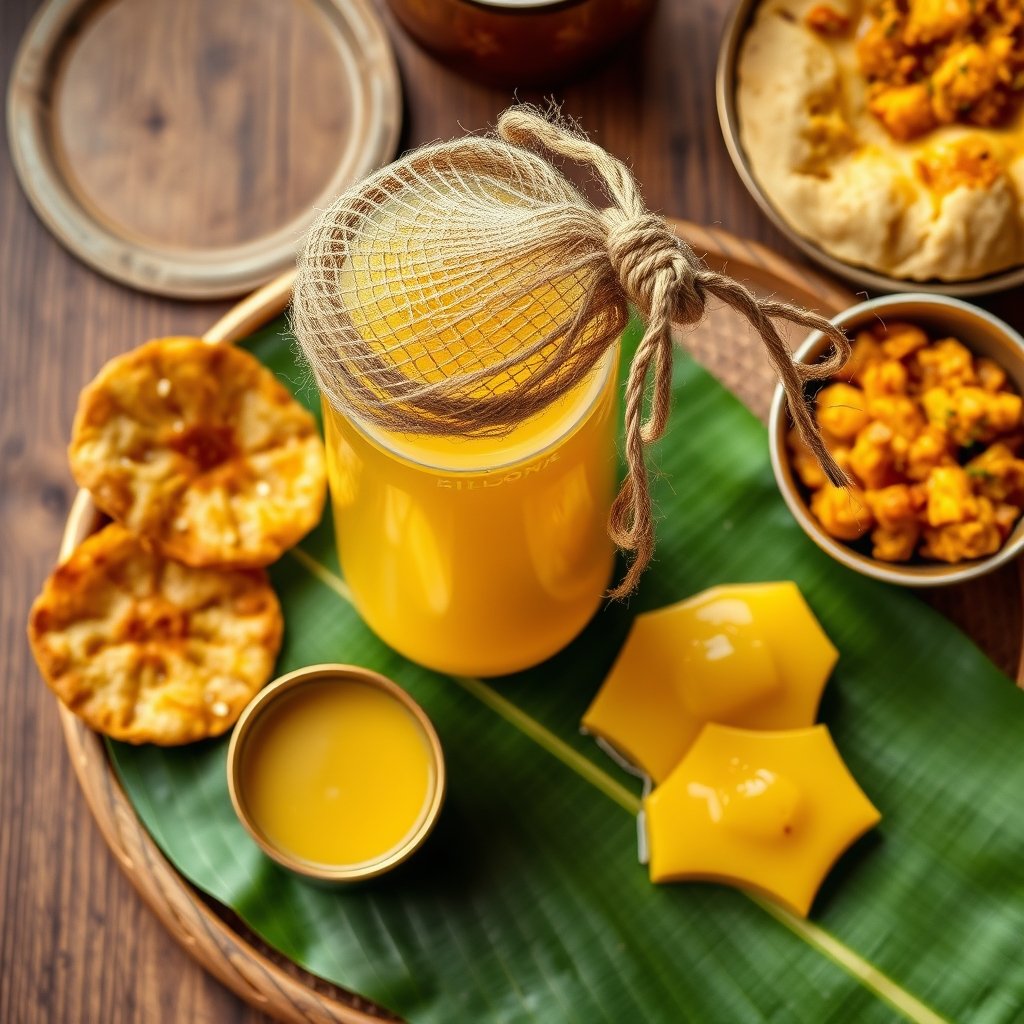
Desi ghee is one of the most essential and widely accepted cooking fats allowed during Navratri fasting (vrat), serving as a clean source of energy and flavor when many regular grains and oils are restricted. For generations, Indian households have relied on pure cow ghee to prepare meals during these nine sacred days. Beyond its rich aroma and ability to elevate simple ingredients, ghee plays a deep functional and spiritual role in the fasting kitchen, aligning with both traditional culinary practices and Ayurvedic wisdom.
Why is ghee preferred over other fats during Navratri?
During Navratri, the daily diet undergoes a significant shift. Common cooking mediums like mustard oil, sunflower oil, and soybean oil are typically avoided because they are processed using modern extraction techniques and are classified as Rajasic or Tamasic in nature. Ayurveda teaches that during seasonal transitions—which is when both Chaitra and Sharad Navratri occur—our body's internal digestive fire, or agni, becomes sensitive and variable.
To support this transition without taxing the digestive system, we turn to Sattvic foods. Pure cow ghee is considered a premier Sattvic food in Indian homes. It is gentle and easily assimilated by the body. Cooking fasting meals in ghee ensures that even simple ingredients like buckwheat (kuttu), water chestnut flour (singhara), and sago (sabudana) do not cause dryness or digestive discomfort, which can sometimes happen when shifting to a restricted diet.
How does traditional bilona ghee differ from regular commercial ghee for fasting?
Not all ghee is prepared the same way, and during a sacred fast like Navratri, purity and preparation methods matter greatly to many families. Most mass-produced commercial ghee is made using industrial cream separators that bypass the natural fermentation process entirely. In contrast, traditional bilona ghee is prepared using the ancient curd-churning method.
This traditional process begins with sourcing whole A2 milk from indigenous Gir cows. The milk is boiled, cooled, and inoculated with curd starter culture to ferment overnight. The resulting curd is then slowly churned using a wooden bilona to separate the butter (makkhan). This butter is then gently melted over a low fire to obtain pure, golden ghee. The fermentation step breaks down milk proteins, making bilona ghee exceptionally gentle on a fasting stomach and wonderfully fragrant.
| Aspect | Bilona Desi Ghee | Refined Seed Oils |
|---|---|---|
| Fasting Suitability | Highly recommended and Sattvic | Generally avoided during vrats |
| Processing Method | Fermented curd churned with a traditional bilona | Heavy chemical extraction and high heat refining |
| Digestive Comfort | Gentle on an empty or sensitive fasting stomach | Can feel heavy and cause acidity during a fast |
| Flavor Impact | Rich, nutty aroma that enhances simple vrat meals | Neutral or flat flavor profile |
How is ghee used in traditional Navratri home cooking?
Fasting food, or vrat ka khana, is simple but deeply satisfying when prepared correctly. Because the ingredient list is limited during a fast, the quality of your cooking fat defines the final taste of the dish. A2 Gir cow ghee brings out the best in classic Navratri recipes without requiring heavy spices.
One of the most popular fasting dishes is Sabudana Khichdi. Sautéing cumin seeds and green chillies in a spoonful of hot ghee before adding the sago pearls creates a protective layer around each pearl, preventing them from turning sticky or clumpy. Similarly, when making Kuttu ki Puri or Singhare ke Parathe, kneading a teaspoon of warm ghee into the gluten-free dough makes it more pliable and easier to roll. Frying these flatbreads in ghee gives them a beautiful golden crust and a melt-in-the-mouth texture.
Ghee is also indispensable for dry potato preparations (Aloo Fry) or roasted taro (Arbi). Simply roasting boiled potatoes in ghee with a sprinkle of rock salt (sendha namak) and black pepper creates a comforting meal that sustains your energy levels through a busy day of prayers and rituals.
Why does the source of your ghee matter during a fast?
Fasting is as much about mental clarity and spiritual mindfulness as it is about physical cleansing. Choosing foods that are prepared with care, respect, and traditional integrity aligns beautifully with the spirit of Navratri. Ghee made from the A2 milk of free-grazing Gir cows using the bilona method contains no additives, synthetic coloring, or artificial preservatives.
When you open a jar of genuine bilona ghee during Navratri, the deep, granular texture and sweet, caramelized aroma tell you that it has been made with patience. It honors the ancient Ayurvedic principles of food preparation, ensuring that what you offer to your family—and use in your kitchen—is as close to nature as possible.