
The Story of Takra: How Traditional Buttermilk and Bilona Ghee Are Born Together

The Morning Churn of the Bilona
In a traditional Indian home, the day often began with a rhythmic, low sound: the steady friction of a wooden rope churn spinning through a deep clay pot. Long before modern dairy factories introduced high-speed industrial separators, kitchens relied on this slow, manual churning process known as the bilona method. This process was never just about extracting fat. It was a daily household ritual that yielded two of the most celebrated substances in Indian culinary history: fresh buttermilk, known in Sanskrit as takra, and the cultured butter that would eventually be clarified into golden ghee.
Today, when we buy a jar of ghee from a supermarket shelf, we rarely think about buttermilk. Modern commercial ghee is almost entirely made by separating cream from raw milk and boiling it down directly. While efficient, this shortcut bypasses the entire fermentation process, leaving behind the rich culinary and wellness traditions that defined the ancient Indian kitchen. Understanding real A2 Gir cow ghee requires us to look back at its sibling, takra, and see how their shared origin shapes the food we eat.
The Twofold Gift of the Bilona Method
The journey of authentic bilona ghee begins not with cream, but with whole milk. Fresh milk from grass-fed Gir cows is boiled slowly over a gentle flame, cooled, and seeded with a curd culture. Over several hours, the milk transforms into a thick, lactic-rich curd. This overnight fermentation is the crucial step that sets traditional ghee apart.
The next morning, this whole curd is churned back and forth using a wooden bilona. As the churn spins, the fat globules slowly cluster together, rising to the surface as pale, aromatic butter, or makhan. What remains beneath the butter is a thin, pale, slightly tart liquid. This is genuine buttermilk, or takra. In the economy of a traditional Indian household, nothing from this process was ever wasted. The fresh buttermilk was spiced with roasted cumin, salt, and ginger to be consumed during the heat of the day, while the butter was slowly heated in a heavy vessel to create clear, granular A2 Gir cow ghee.
Why the Curdling Step Changes Your Ghee
The presence of buttermilk in the production chain is the ultimate indicator of authentic ghee. Because the butter is extracted from cultured curd rather than sweet cream, it undergoes a natural molecular transformation. The lactic acids present during fermentation break down the complex proteins and heavy fats, making the resulting ghee exceptionally light and easy to digest.
This biological change is also what gives bilona ghee its distinctive sensory qualities. When you open a jar of traditionally made A2 Gir cow ghee, you are greeted by a mild, complex, nutty aroma with a subtle hint of yogurt-like sourness. The texture is naturally grainy, a characteristic highly prized in Indian home cooking. Ghee made directly from cream lacks this complexity; it tends to be greasy rather than granular, and its aroma is flatly sweet rather than richly cultured.
The Ayurvedic Balance of Takra and Ghee
In the classical texts of Ayurveda, the relationship between buttermilk and ghee is described with great reverence. There is a famous traditional saying that buttermilk is to humans what nectar is to the gods. It is considered a cooling, light liquid that stimulates the digestive fire, or agni, without overheating the body. It is often recommended as a daily drink to soothe the digestive tract and maintain balance during hot weather.
While buttermilk is light and dry, ghee is rich, warm, and deeply nourishing. Ayurveda views them not as opposites, but as complementary forces that work together to sustain the body. Ghee is seen as a carrier that helps the body absorb fat-soluble nutrients, lubricating the tissues and supporting overall vitality. By keeping both buttermilk and cultured ghee in the daily diet, a household maintained a natural checks-and-balances system for digestion and energy.
Bringing Traditional Harmony to Modern Meals
Modern busy schedules may prevent us from churning our own curd every morning, but we can easily bring the benefits of this traditional harmony back to our tables. In Indian home cooking, the pairing of these two curd-derived ingredients creates highly balanced meals that leave you feeling satisfied rather than heavy.
A simple lunch of soft rice, a bowl of yellow dal tempered with a spoonful of bilona A2 Gir cow ghee, and a cold glass of spiced buttermilk is a perfect example of this ancient wisdom in action. The ghee provides the healthy fats needed to absorb the nutrients from the dal and rice, while the cool, probiotic-rich buttermilk aids digestion and keeps the body light. By choosing ghee made through the honest, traditional bilona method, you are not just buying a cooking fat; you are preserving a complete, time-tested culinary ecosystem that has supported Indian homes for generations.
Taste the difference
Small-batch A2 Gir cow ghee, hand-churned to order and delivered across India. Read how we make it if you want the detail first.
Order a jarKeep reading
-
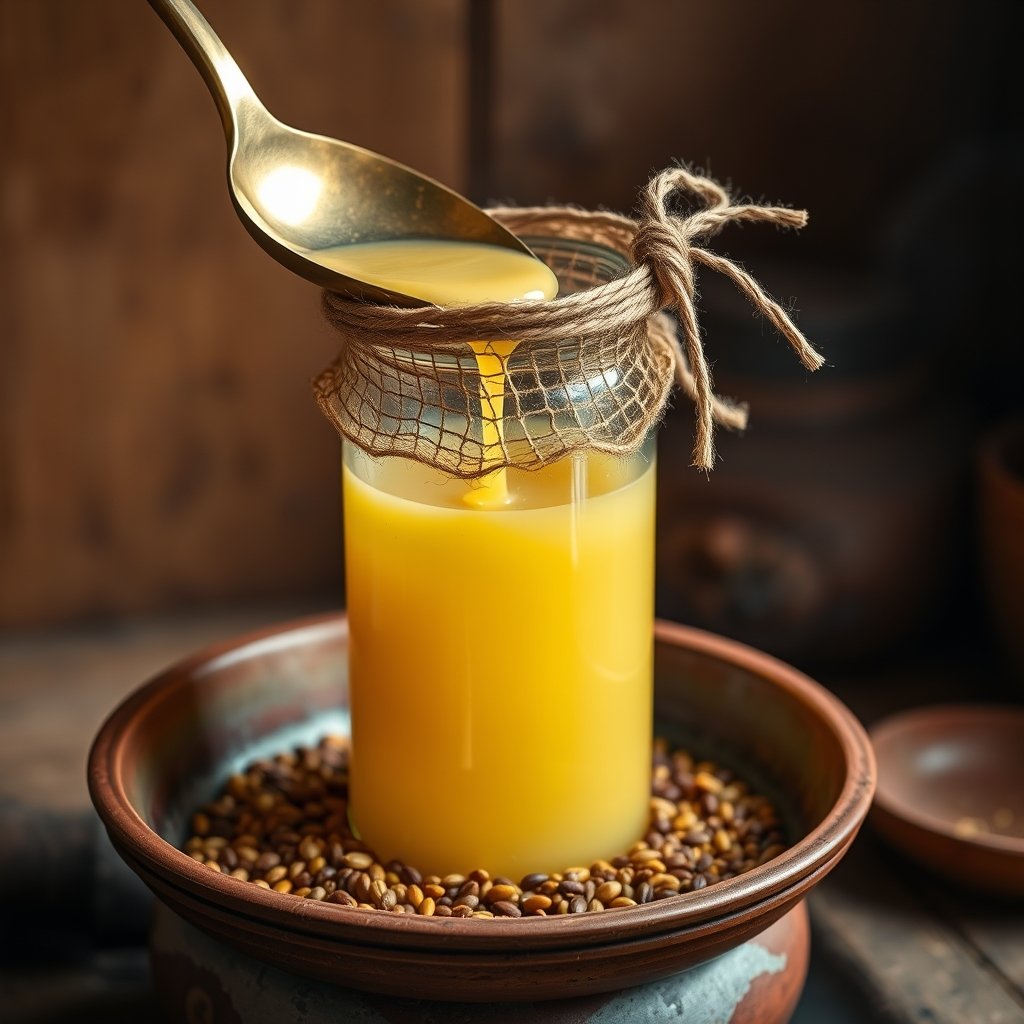 Understanding Sanskara: How Bilona Ghee Carries the Power of Your Kitchen Spices
In classical Indian cooking, ghee is more than just a fat for frying. Discover the traditional concept of…
Understanding Sanskara: How Bilona Ghee Carries the Power of Your Kitchen Spices
In classical Indian cooking, ghee is more than just a fat for frying. Discover the traditional concept of…
-
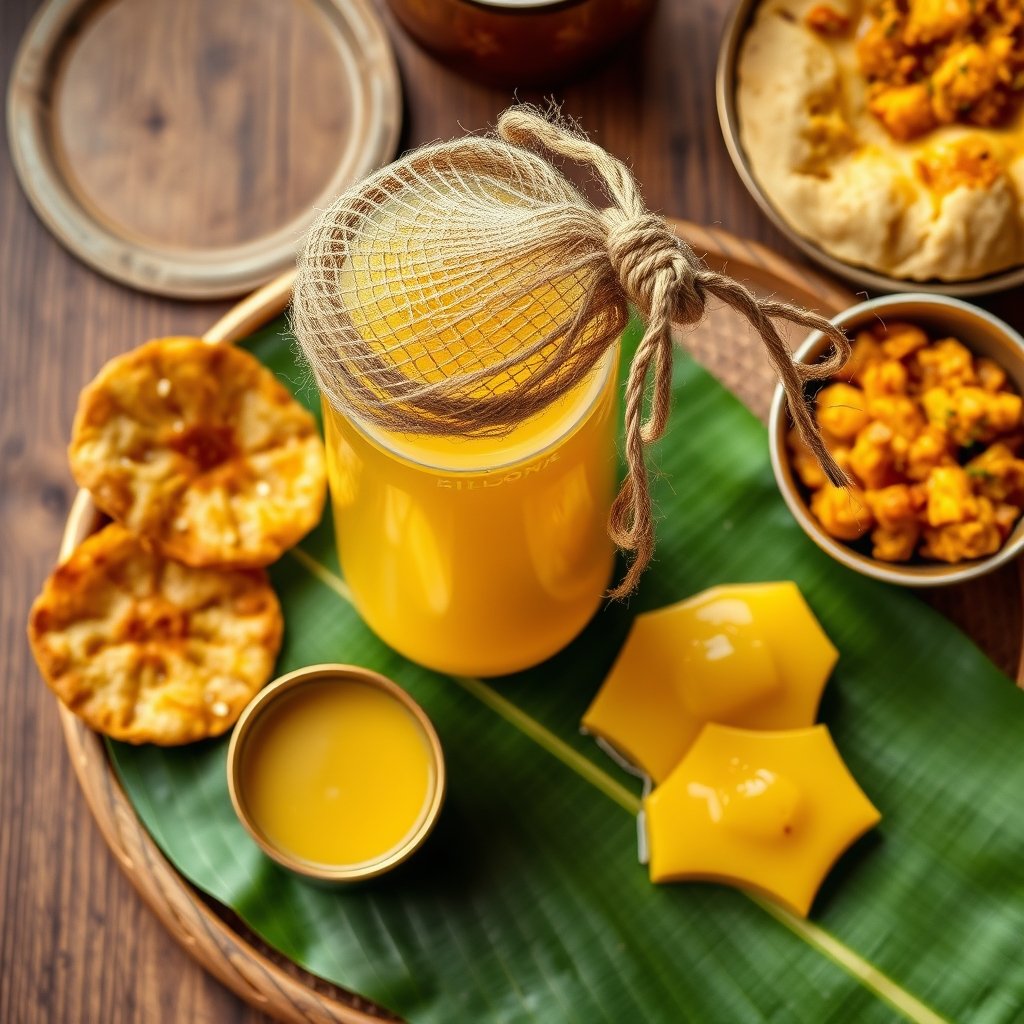 Ghee During Navratri Fasting
Discover why traditional Bilona A2 ghee is the preferred choice for Navratri fasting, how it supports your…
Ghee During Navratri Fasting
Discover why traditional Bilona A2 ghee is the preferred choice for Navratri fasting, how it supports your…
-
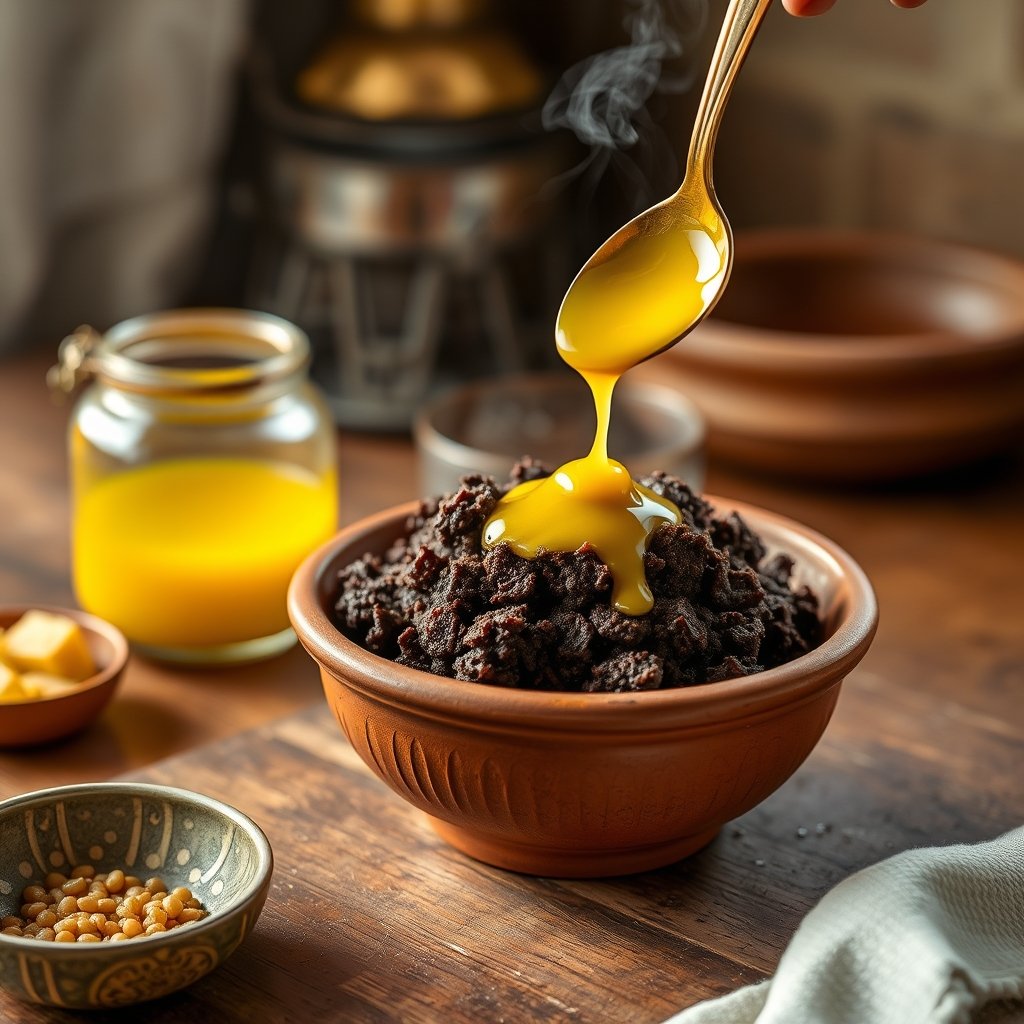 Millets and Bilona Ghee: Why Ancient Grains Need Traditional Fats
Explore why traditional Bilona ghee is the essential companion to ancient Indian millets like Bajra, Jowar…
Millets and Bilona Ghee: Why Ancient Grains Need Traditional Fats
Explore why traditional Bilona ghee is the essential companion to ancient Indian millets like Bajra, Jowar…