
Why Hand Churned Ghee Costs More: Curd Yield Ratios
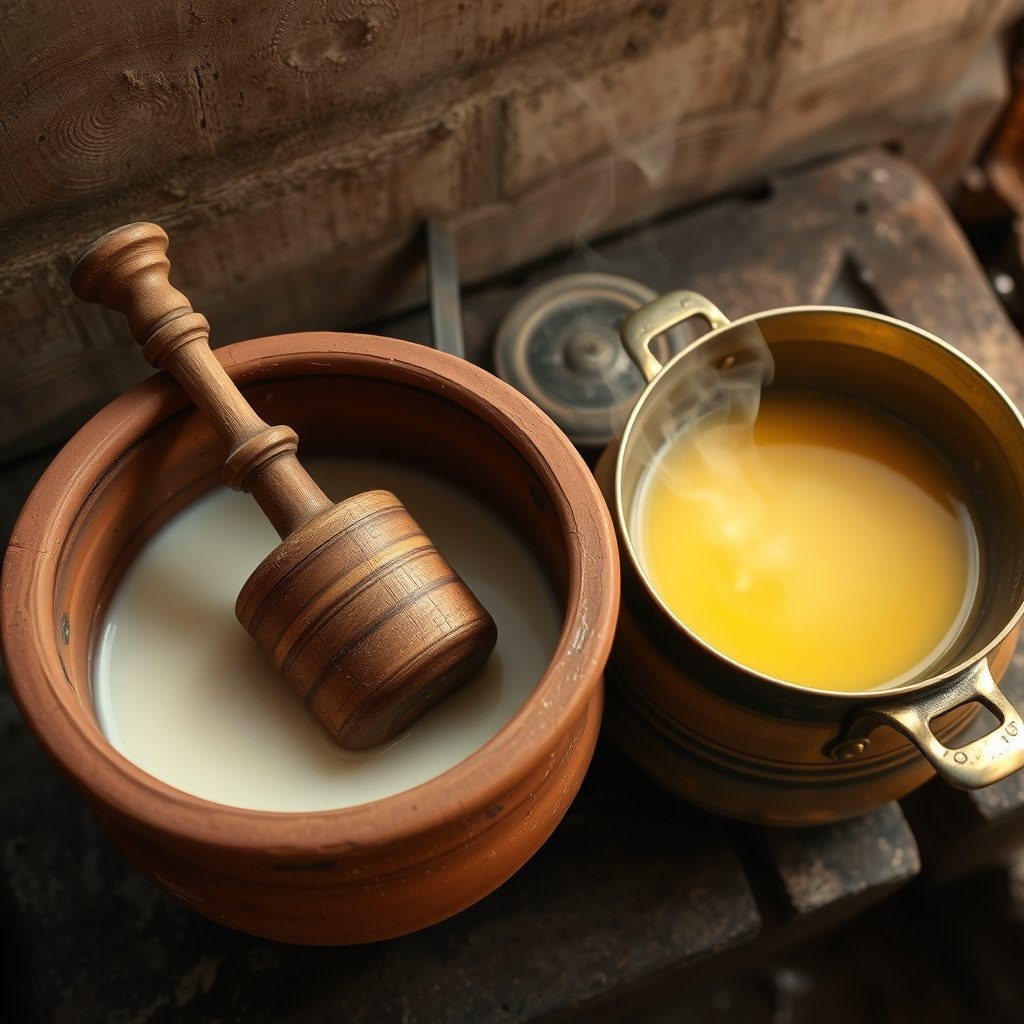
Hand-churned bilona ghee carries a higher cost because it relies on whole milk curdling rather than industrial cream separation, requiring significantly more raw milk for every jar produced. While butterfat pricing and dairy production costs have been in the news recently, understanding the craft behind traditional A2 Gir cow ghee clarifies why small-batch methods command a distinct position in Indian home cooking. Traditional bilona ghee is not made from excess cream harvested during skimmed milk processing; it begins with fresh whole milk that is boiled, cultured into curd, and churned by hand or slow mechanical wooden churners. Every step of this traditional process requires time, manual care, continuous heating fuel, and pure milk fat.
Why does traditional bilona ghee require more raw milk?
The primary reason traditional bilona ghee costs more lies in how fat is separated from the milk. Industrial ghee manufacturing uses mechanical cream separators that spin cold or warm raw milk at high speeds. This machine removes the cream instantly, leaving behind skimmed milk that dairy companies process into milk powder, toned milk, or cottage cheese. In contrast, traditional bilona ghee uses the entire volume of raw milk. Fresh milk from A2 Gir cows is first boiled over low heat, cooled, and mixed with a starter culture to convert the whole batch into curd overnight. The entire pot of curd is then churned bi-directionally to separate fresh white butter, known as makkhan. Because the skimmed buttermilk, or chaas, remains a natural byproduct rather than a high-margin commercial commodity, the full cost of raw milk rests on the butter fat gathered for clarifying.
How does slow heating on low flames affect production costs?
After churning white butter from cultured curd, the next step in the bilona method is slow clarification over low heat. Commercial facilities clarify separated cream in massive steam-jacketed vats within short processing cycles. Traditional kitchens and artisanal units melt white butter slowly in heavy-bottomed brass or stainless steel vessels over wood fires or controlled flames. This gentle heating allows moisture to evaporate gradually while milk solids settle and brown naturally at the bottom of the pot. Stirring the simmering fat requires constant manual attention to prevent scorching and to ensure even grain development. The fuel consumed during hours of slow cooking, combined with the dedicated labor needed to monitor temperature and aroma, adds directly to the cost of making traditional ghee.
Our cows are not use and throw

A cow that stops giving milk is still our cow. She stays on the farm, with the same feed, the same shed and the same medical care she had when she was milking. We do not sell her on and we do not let her go. That is the whole basis of the ghee we make — you cannot ask an animal for her milk and then abandon her for it.
Our mission goes further than our own herd. There are cows on the street who are injured every day, who eat plastic, who cry through the night with nobody coming. We want to take them in. The plan is a chain of Organic Farmz gaushalas in several places, so that help is not one shed in one city but something a hurt animal can actually reach.
This takes more than we can carry alone — land, fodder, vets, hands. Come and join our initiative. Anything you give goes to feed, treat and shelter these cows.

Scan with any UPI app
Bank transfer
- Account name Organic Farmz
- Bank Indian Bank
- Account number 8133177322
- IFSC code IDIB000K555
- UPI ID organicfarmz@ptaxis
On a phone, the button above opens your UPI app directly — a QR on the screen you are reading cannot be scanned by that same screen. On a laptop, scan the code with your phone instead.
What role does seasonal milk fat variation play in supply?
Milk yield and butterfat content in indigenous Gir cows naturally fluctuate throughout the year based on seasonal weather and fodder availability. During lush monsoon and post-monsoon months when green fodder is abundant, cows produce milk with rich fat profiles. During hot summer months, heat stress reduces milk output across dairy regions, which naturally lowers the total butter fat available for churned ghee. Unlike large industrial processors that standardize fat content across high volume production runs, traditional small-batch makers work directly with fresh, unstandardized milk yields. When seasonal raw milk supplies tighten, securing pure A2 Gir cow milk requires higher farm-gate milk prices to support ethical cattle care and green forage feeding.
How can home cooks ensure value when purchasing hand churned ghee?
To get the absolute best value from every jar of hand-churned A2 Gir cow ghee, home cooks should focus on proper selection, storage, and daily kitchen use. Choose glass jars over plastic containers, as glass protects delicate milk fats from ambient moisture and external odours. When ordering online or buying locally, look for small-batch labels that detail the traditional curd-churning method. For optimal shelf life, keep your jar in a dry, dark kitchen cabinet away from direct stove heat, and always use a clean, dry spoon to avoid introducing water droplets. Because authentic bilona ghee carries an intense, nutty aroma and rich granular texture, a small spoonful added to hot lentils, khichdi, or warm rotis provides full flavor without needing excessive amounts. If you want to check local availability and dispatch timelines, exploring fresh options like fresh ghee from local batches helps ensure you receive newly clarified fat with peak aroma.
Why is traditional ghee an ideal choice for cooking and giving?
Beyond daily family meals, traditional bilona ghee holds a special place in Indian culinary heritage and festive gifting. Giving a jar of traditional A2 Gir cow ghee to family, friends, or colleagues during festive occasions or family gatherings represents a thoughtful gesture centered on warmth, care, and home-cooked tradition. Its high smoke point makes it exceptionally stable for traditional Indian cooking techniques like tempering spices, searing vegetables, and roasting flours for home-made sweets. Because bilona ghee retains its distinct golden grains and deep aroma when kept at room temperature, it remains a stable staple in Indian pantries throughout the year. Investing in authentic bilona ghee supports sustainable dairy farming, ethical cow care, and the preservation of age-old culinary techniques in modern homes.
Taste the difference
Small-batch A2 Gir cow ghee, hand-churned to order and delivered across India. Read how we make it if you want the detail first.
Order a jarKeep reading
-
 Ghee Price Seasonal Variation: Why Summer Costs More
Ghee prices rise in summer because heat reduces milk yields and increases fodder costs, making high-quality…
-
 Why Ghee Prices Change: Dairy Yields and Fat Supply
Ghee prices shift when raw milk costs change, as making one litre of traditional bilona fat requires…
-
 Is ghee more expensive than butter?
Ghee is the more efficient choice for a monthly grocery budget because its 100% fat content and lack of…
