
Ghee Price Seasonal Variation: Why Summer Costs More
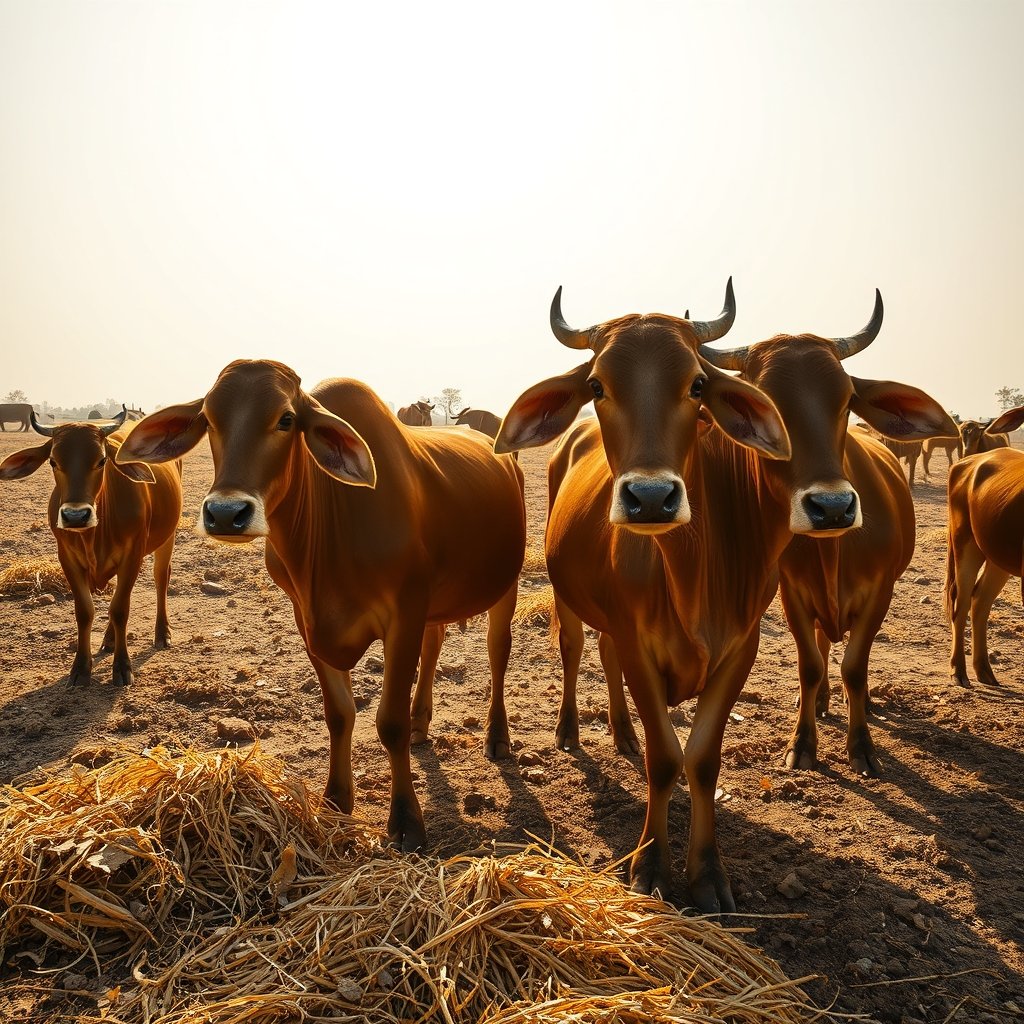
Why do ghee prices rise during the summer months?
Ghee prices rise in the summer because the natural milk yield of Gir cows drops significantly during peak heat, even as the costs for quality green fodder and water management for the herd go up. In the traditional bilona method, we require approximately 25 to 30 litres of milk to produce just one kilogram of ghee. When temperatures soar across India, the cows naturally produce less milk to conserve their own energy and maintain their body temperature. This biological reduction in supply, combined with the increased difficulty in sourcing fresh, hydrating greens for the cattle, creates a higher production cost that is reflected in the final price of the jar.
How does heat stress affect the milk yield of Gir cows?
While the Gir cow is an indigenous breed known for its resilience in the Indian climate, extreme summer heat still impacts their metabolic rate. During the months of May and June, the intense heat leads to a natural decrease in appetite for the herd. Since the cows eat less, the volume of milk they provide during the morning and evening milkings decreases. Because A2 Gir cow ghee is never made from buffalo milk or mixed fats to stabilize the price, the maker is entirely dependent on what the cows provide. When the total volume of available milk drops but the overhead costs of the farm remains the same, the cost per litre of milk increases, which directly pushes up the price of the ghee.
How does fodder scarcity impact the final cost of ghee?
The quality of ghee is a direct reflection of what the cow eats, and in summer, finding high-quality green fodder becomes a logistical challenge. In the winter and monsoon, green grass is abundant and affordable. However, as the ground dries up in the summer, farmers must often purchase fodder from further away or rely on stored nutrition that is more expensive to maintain. To ensure the ghee remains rich in vitamins and the characteristic golden color, the cows must be fed well despite the heat. The expense of transporting and sourcing this premium feed during a drought or a dry spell is a major factor in the seasonal variation of ghee prices.
Why is the bilona method more sensitive to seasonal price shifts?
The bilona method is a labor-intensive, small-batch process that cannot be easily scaled or automated to hide the costs of a bad season. Unlike industrial ghee, which is often made by heating cream at high speeds in a centrifuge, bilona ghee starts with whole milk that is turned into curd. This curd is then churned to extract butter, which is finally simmered. Because this method requires such a massive volume of raw milk, even a slight increase in the price of milk per litre is magnified thirty-fold by the time the ghee is finished. There are no shortcuts or fillers used to bypass the milk shortage, so the price must reflect the reality of the farm.
Our cows are not use and throw

A cow that stops giving milk is still our cow. She stays on the farm, with the same feed, the same shed and the same medical care she had when she was milking. We do not sell her on and we do not let her go. That is the whole basis of the ghee we make — you cannot ask an animal for her milk and then abandon her for it.
Our mission goes further than our own herd. There are cows on the street who are injured every day, who eat plastic, who cry through the night with nobody coming. We want to take them in. The plan is a chain of Organic Farmz gaushalas in several places, so that help is not one shed in one city but something a hurt animal can actually reach.
This takes more than we can carry alone — land, fodder, vets, hands. Come and join our initiative. Anything you give goes to feed, treat and shelter these cows.

Scan with any UPI app
Bank transfer
- Account name Organic Farmz
- Bank Indian Bank
- Account number 8133177322
- IFSC code IDIB000K555
- UPI ID organicfarmz@ptaxis
On a phone, the button above opens your UPI app directly — a QR on the screen you are reading cannot be scanned by that same screen. On a laptop, scan the code with your phone instead.
How do water and farm management add to summer expenses?
Maintaining the health of a herd during an Indian summer requires significant investment in infrastructure and water. Cows require much more water during the heat, not just for drinking, but for maintaining a cool environment. Small-scale traditional dairies often use misting systems or frequent washing to keep the Gir cows comfortable, as a stressed cow will not provide the quality of milk needed for premium ghee. The electricity for these systems and the labor required to manage the herd’s comfort during 40-degree days add layers of cost that are absent during the cooler winter months.
How do summer and winter ghee production factors compare?
| Production Factor | Summer Months (March–June) | Winter Months (November–February) |
|---|---|---|
| Milk Yield per Cow | Lower due to heat and reduced appetite | Higher due to optimal climate |
| Fodder Availability | Scarce; requires expensive sourcing | Abundant; fresh green grass |
| Operational Costs | Higher (Cooling, misting, water) | Lower (Natural climate control) |
| Ghee Texture | Softer, may arrive in liquid state | Granular, firms up naturally |
Does the quality of ghee change during the summer?
The quality and nutritional value of A2 Gir cow ghee remain consistent if the traditional bilona process is followed, though the physical texture may change. In the summer, you might notice your ghee arrives in a more liquid state or has smaller grains than the deep, heavy granules seen in winter. This is a natural reaction to the ambient temperature and does not indicate a loss of quality. In Ayurveda, ghee is considered a 'Pitta-shamak' food, meaning it has a cooling effect on the body. This makes it an essential part of the Indian summer diet for supporting digestion and internal cooling, even if the seasonal squeeze makes it a slightly more expensive purchase during these months.
Why should you avoid 'cheap' ghee during the summer?
When you see ghee prices that stay unusually low or static during a harsh summer, it is often a sign of industrial processing or the blending of different fats. Real A2 bilona ghee is an agricultural product, and like any crop or animal derivative, its price must fluctuate with the environment. A brand that maintains a very low price during a fodder shortage may be using cream sourced from various commercial dairies rather than fresh, whole milk from a dedicated herd. Paying the seasonal price ensures that the farmers can continue to provide the cows with the shade, water, and nutrition they need to stay healthy until the rains arrive.
Taste the difference
Small-batch A2 Gir cow ghee, hand-churned to order and delivered across India. Read how we make it if you want the detail first.
Order a jarKeep reading
-
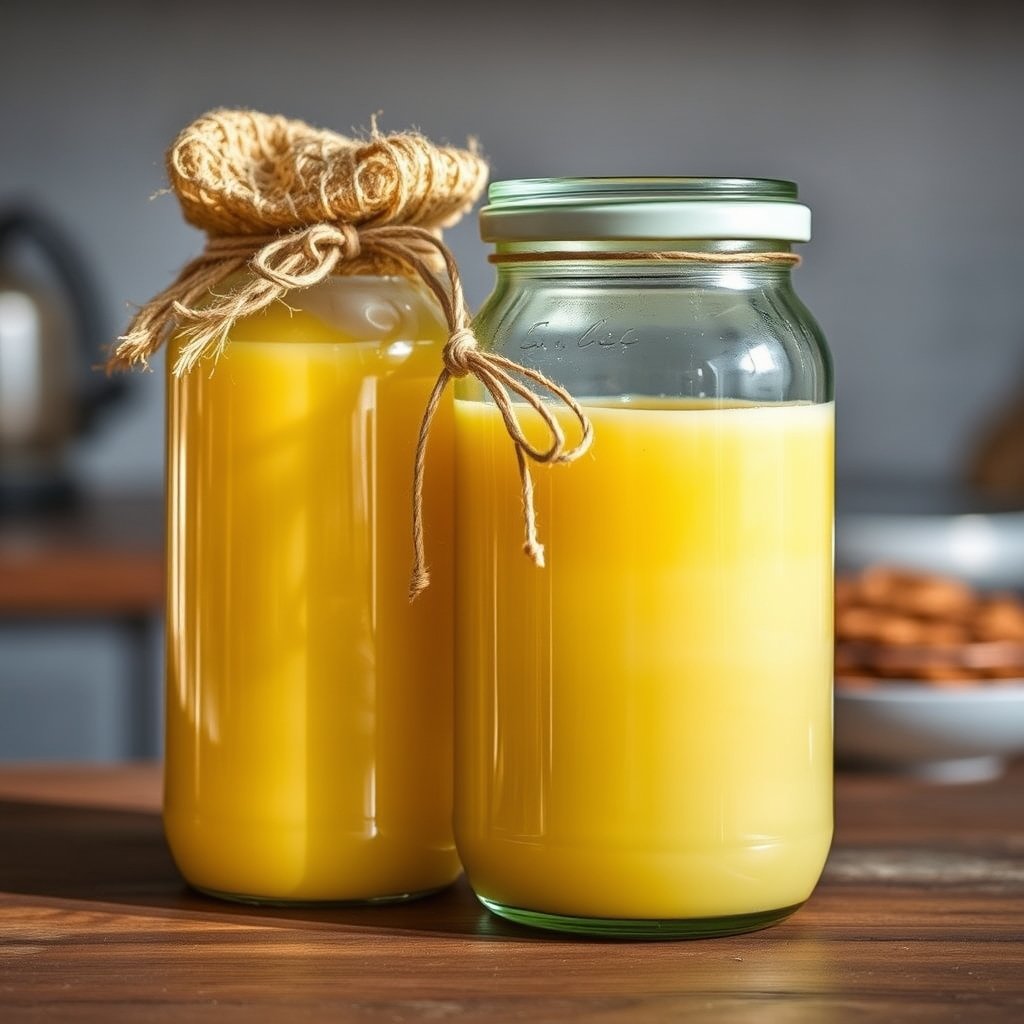 Two Jars, Two Prices: Where the Difference Goes
Ghee varies in price because traditional bilona requires 25 to 30 litres of milk per kilo plus manual curd…
-
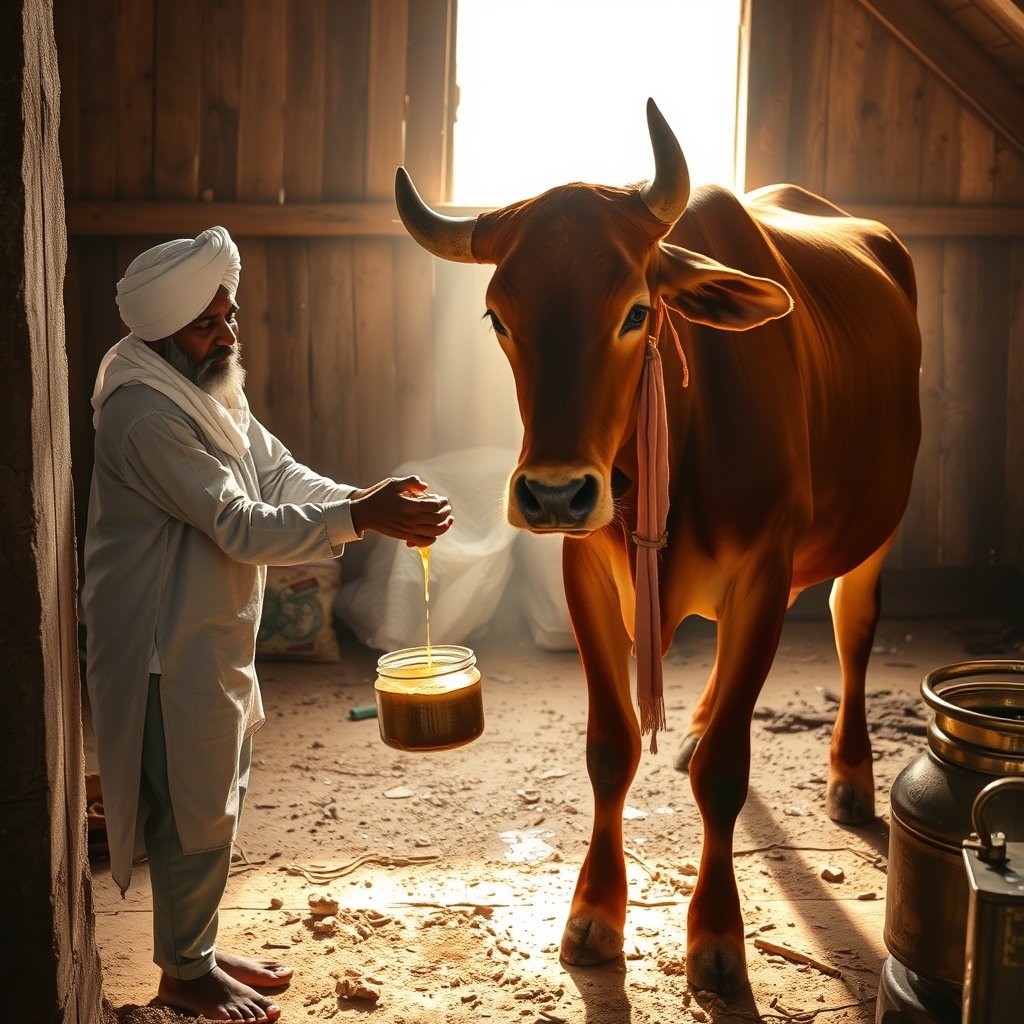 Why A2 Ghee Costs More Than Regular Ghee
Discover the physical reasons behind the A2 ghee price, comparing native Gir cow milk yields and the slow…
-
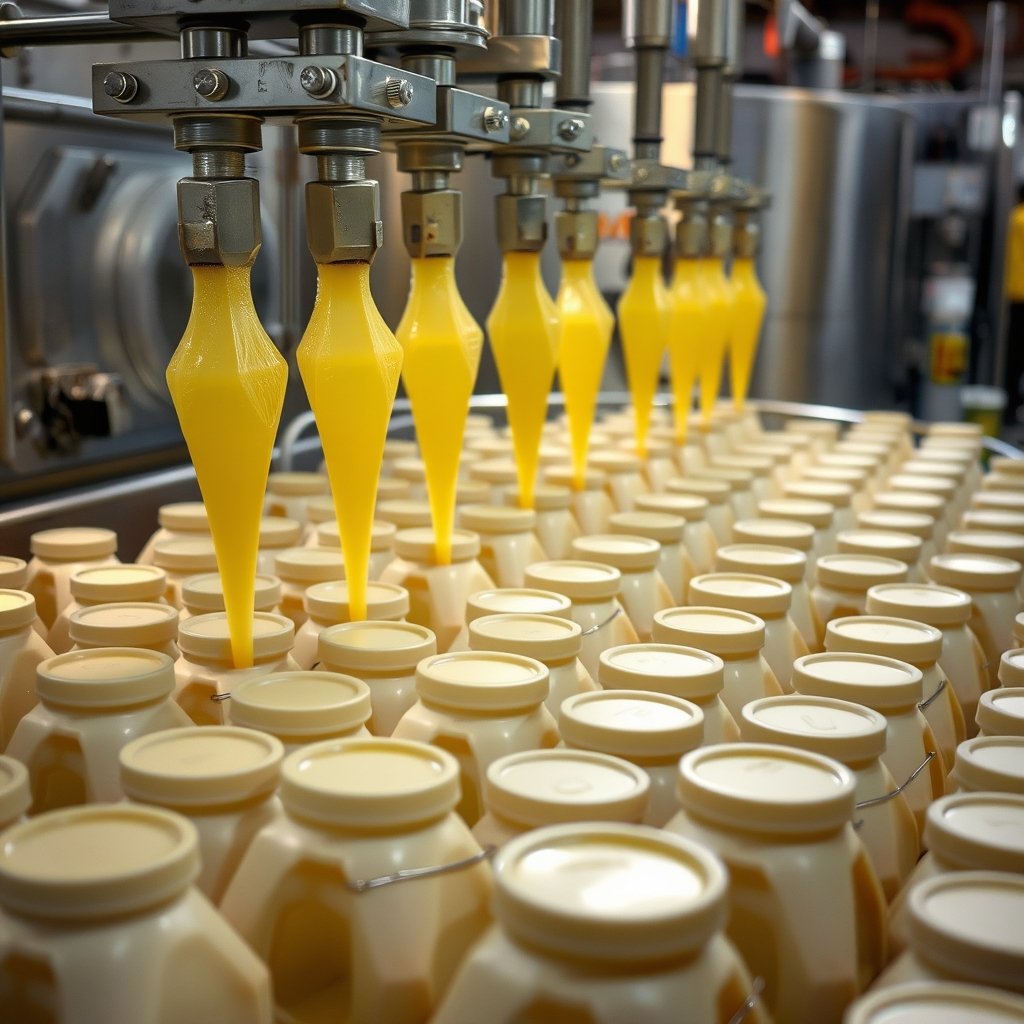 Cheap Desi Ghee India: Low Prices Mean Trade-offs
Cheap desi ghee in India usually sacrifices traditional bilona processing, A2 milk sourcing, and slow…
