
Two Jars, Two Prices: Where the Difference Goes
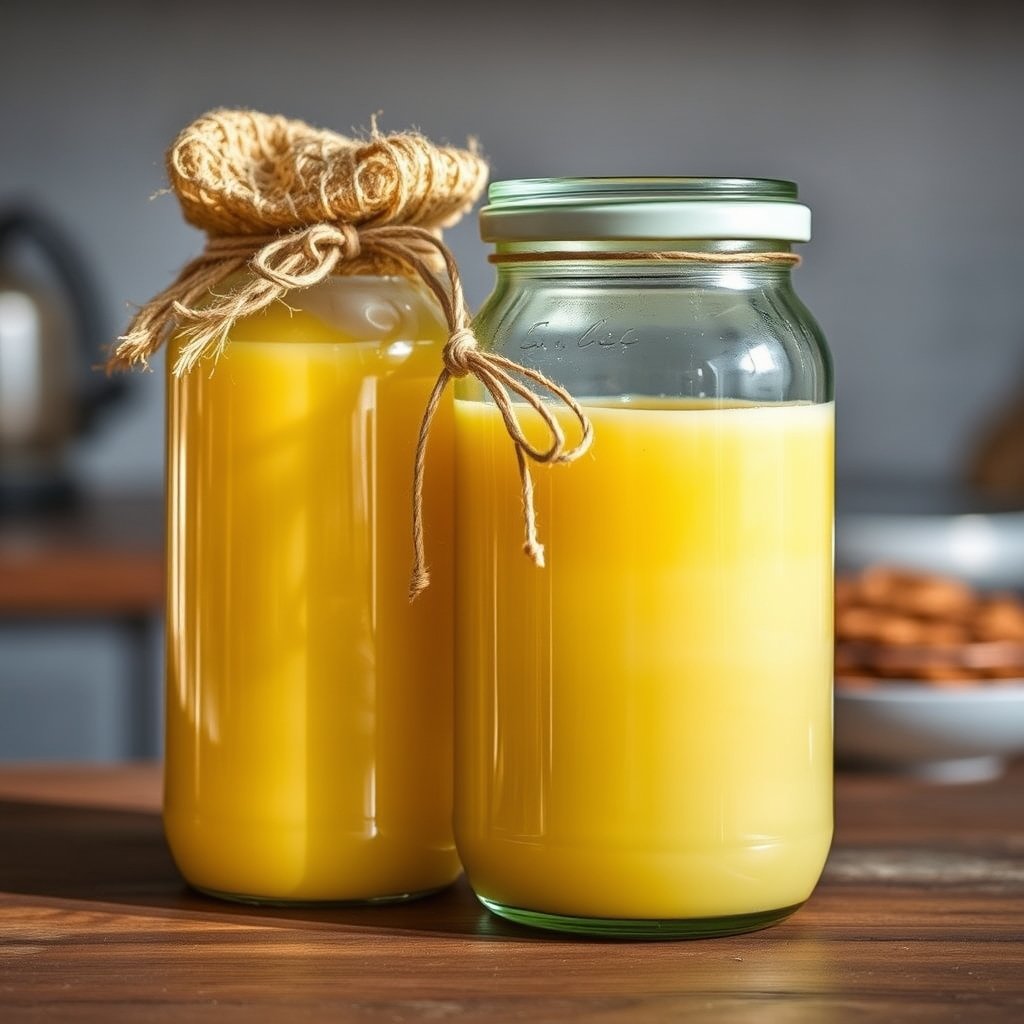
Ghee is more expensive when it is made from whole cultured curd using indigenous cow milk and slow bilona churning, rather than separating raw cream from commodity milk through high-speed industrial centrifuges.
When you stand in a grocery aisle or browse an online store, the price disparity between two jars of ghee can be jarring. One jar costs a modest sum for a full litre, while another jar beside it costs three to four times as much for the same volume. Both sit in similar jars and both bear the name ghee. To understand why this happens, you have to look past the packaging and examine the distinct cost categories involved in bringing each jar to life: the animal, the raw milk volume, the labor-intensive conversion method, and the scale of production.
Why does the milk source create the first price gap?
The foundation of any ghee is raw milk, and the cost of that milk depends directly on the cow breed and how the animals are kept. Commercial dairy operations rely heavily on crossbred or high-yielding cows and buffalos bred specifically for maximum fluid output. These animals can yield anywhere from fifteen to thirty litres of milk every single day, often kept in confined stalls on high-grain diets to maximize production efficiency.
In contrast, indigenous Indian cows such as the Gir produce significantly less milk, typically around six to ten litres per day. When these cows are raised ethically, they are grazed on open pastures, fed green fodder without synthetic stimulants, and the calf is allowed to drink its share first before any milking begins. Because the daily milk yield per cow is modest and the herd care is land-intensive, the baseline cost of raw A2 Gir cow milk is naturally several times higher per litre than mixed dairy milk collected through aggregated collection centers.
How does the making method alter production volume?
The production technique determines how many litres of liquid milk are consumed to create a single jar of finished fat. In commercial manufacturing, dairies bypass curd making altogether. They run chilled milk through a motorized centrifuge to instantly strip out raw cream, pasteurize it, and melt it down in massive steam-jacketed stainless steel tanks. This direct cream method requires roughly twelve to fourteen litres of milk to yield one kilogram of commercial ghee.
Traditional bilona ghee follows an entirely different pathway rooted in Indian home cooking and ayurveda. The raw milk is first gently boiled, cooled, and seeded with a live culture to turn the entire volume into whole curd overnight. Once set, this curd is churned using a two-way wooden paddle—the bilona—to gently separate cultured white butter (makhan) from the buttermilk (takra). Only this cultured butter is then transferred to a pan and simmered over a low flame until the water evaporates and the milk solids lightly brown.
Because the process starts with curd rather than isolated cream, it takes between twenty-five and thirty litres of whole A2 cow milk to yield just one single litre of pure bilona ghee. That raw volume requirement alone doubles the primary material cost before factoring in any fuel, labor, or storage.
Our cows are not use and throw

A cow that stops giving milk is still our cow. She stays on the farm, with the same feed, the same shed and the same medical care she had when she was milking. We do not sell her on and we do not let her go. That is the whole basis of the ghee we make — you cannot ask an animal for her milk and then abandon her for it.
Our mission goes further than our own herd. There are cows on the street who are injured every day, who eat plastic, who cry through the night with nobody coming. We want to take them in. The plan is a chain of Organic Farmz gaushalas in several places, so that help is not one shed in one city but something a hurt animal can actually reach.
This takes more than we can carry alone — land, fodder, vets, hands. Come and join our initiative. Anything you give goes to feed, treat and shelter these cows.

Scan with any UPI app
Bank transfer
- Account name Organic Farmz
- Bank Indian Bank
- Account number 8133177322
- IFSC code IDIB000K555
- UPI ID organicfarmz@ptaxis
On a phone, the button above opens your UPI app directly — a QR on the screen you are reading cannot be scanned by that same screen. On a laptop, scan the code with your phone instead.
How do industrial and traditional cost structures compare?
The difference between an everyday commercial jar and a handcrafted bilona jar comes down to measurable production realities across every phase of the craft.
| Cost Factor | Commercial Factory Ghee | Traditional Bilona Ghee |
|---|---|---|
| Milk Source | Aggregated mixed milk from commercial dairies | Traceable milk from free-grazing indigenous Gir cows |
| Raw Material Need | 12 to 14 litres of milk per kilo (cream extraction) | 25 to 30 litres of whole milk per kilo (cultured curd) |
| Fermentation | None; uses uncultured raw or pasteurized cream | Full-batch overnight culturing into curd |
| Churning Method | Continuous mechanical separator | Slow bi-directional wooden bilona churning |
| Heat Treatment | Rapid high-heat melting in industrial steam kettles | Slow, low-temperature simmering on firewood or gentle flame |
| Batch Scale | Continuous runs in thousands of litres | Small hand-tended batches of ten to twenty litres |
What role does labor and time play in the final cost?
Time is an expensive ingredient, and traditional ghee making cannot be hurried without sacrificing its aroma and texture. An automated dairy plant can process thousands of litres of cream within an hour using automated machinery that requires minimal human oversight. The product moves from raw liquid to sealed container without a single hand touching the vessel.
A bilona maker, by contrast, operates on the natural rhythm of fermentation and manual oversight. Curd must rest until its acidity and structure are right. Churning must happen at a steady, deliberate pace so the butter granules aggregate without heating the fat. The final simmering stage requires the maker to watch the pot constantly, reading the sound of boiling moisture, the changing color of the sediment, and the rising nutty aroma to pull the ghee off the heat at the exact moment before it scorches. This artisan oversight limits batch sizes to small, manageable quantities, resulting in higher hands-on labor costs per unit produced.
Does packaging and batch integrity add to the shelf price?
Packaging and distribution choices also account for a meaningful portion of the shelf difference. Low-cost commodity ghee is frequently packed in plastic pouches, lined cartons, or lightweight plastic containers designed for mass transportation and long warehouse storage. These materials are cheap to manufacture and inexpensive to ship in bulk freight.
Makers of traditional bilona ghee typically bottle their batches in heavy food-grade glass jars. Glass is chemically inert, meaning it will not leach odors or compounds into warm fat, preserving the delicate, nutty aroma of cultured ghee. However, glass is costlier to purchase, heavier to ship, and requires individual protective packaging to prevent breakage during transit. Furthermore, small makers churn on demand or in limited seasonal batches, meaning they do not benefit from the massive volume discounts enjoyed by industrial conglomerates.
How can you tell if a premium price is justified?
A higher price tag is only worthwhile if it reflects genuine farming and kitchen integrity rather than inflated lifestyle marketing. When evaluating a jar that carries a premium price, look for complete transparency about the process. A maker should clearly specify that the ghee is made from whole curd rather than direct cream, churned with a bilona, and sourced from traceable indigenous cows such as the Gir breed.
When these steps are genuinely followed, the premium is not an arbitrary markup. It is the direct mathematical consequence of using thirty litres of pasture-raised cow milk, patient culturing, and careful manual work to produce a single jar of aromatic, golden, danedaar ghee.
Taste the difference
Small-batch A2 Gir cow ghee, hand-churned to order and delivered across India. Read how we make it if you want the detail first.
Order a jarKeep reading
-
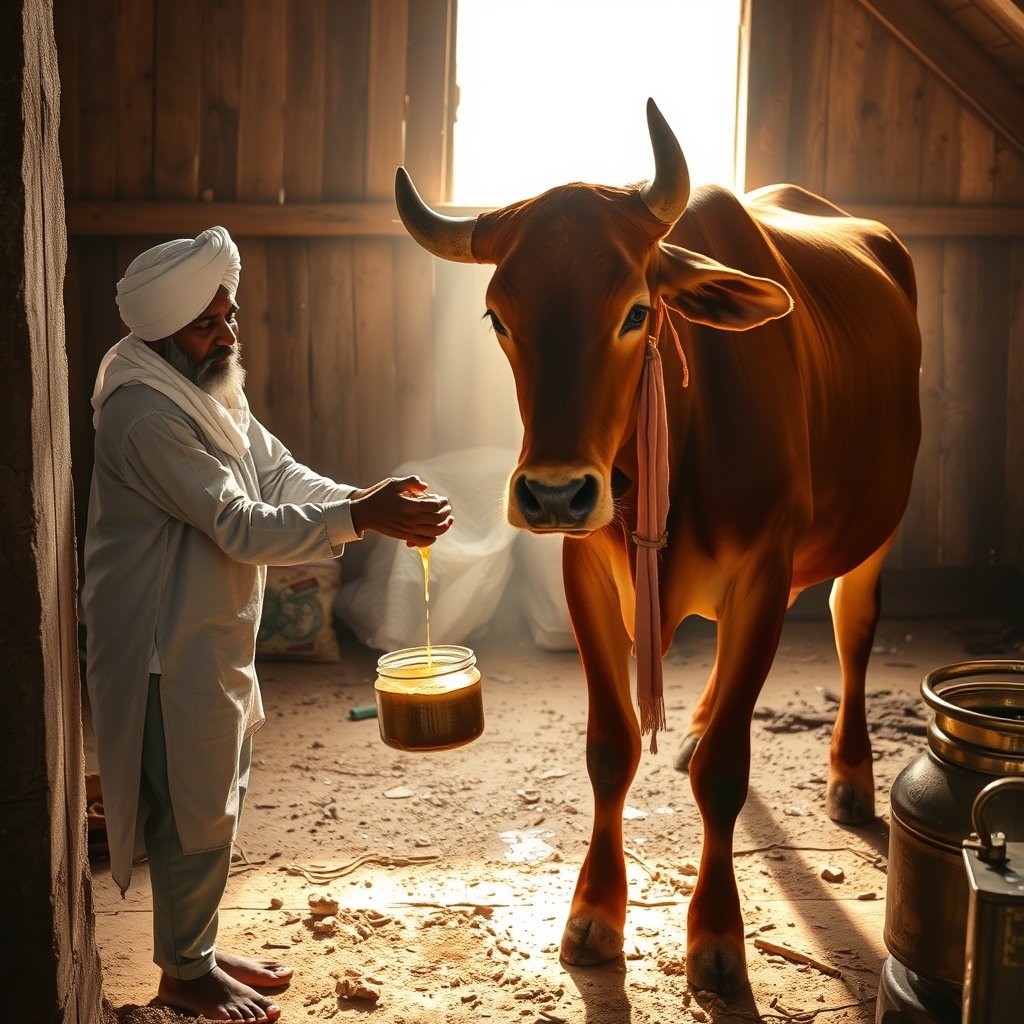 Why A2 Ghee Costs More Than Regular Ghee
Discover the physical reasons behind the A2 ghee price, comparing native Gir cow milk yields and the slow…
-
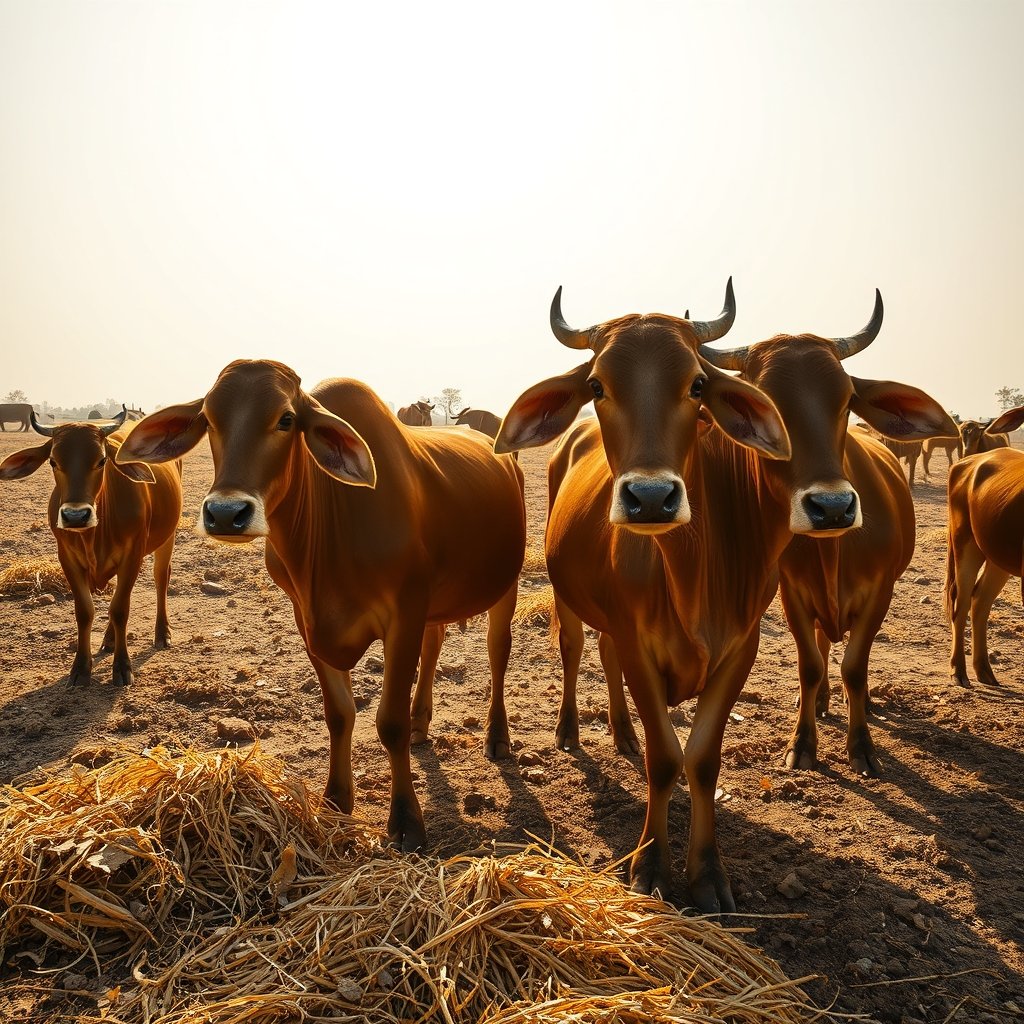 Ghee Price Seasonal Variation: Why Summer Costs More
Ghee prices rise in summer because heat reduces milk yields and increases fodder costs, making high-quality…
-
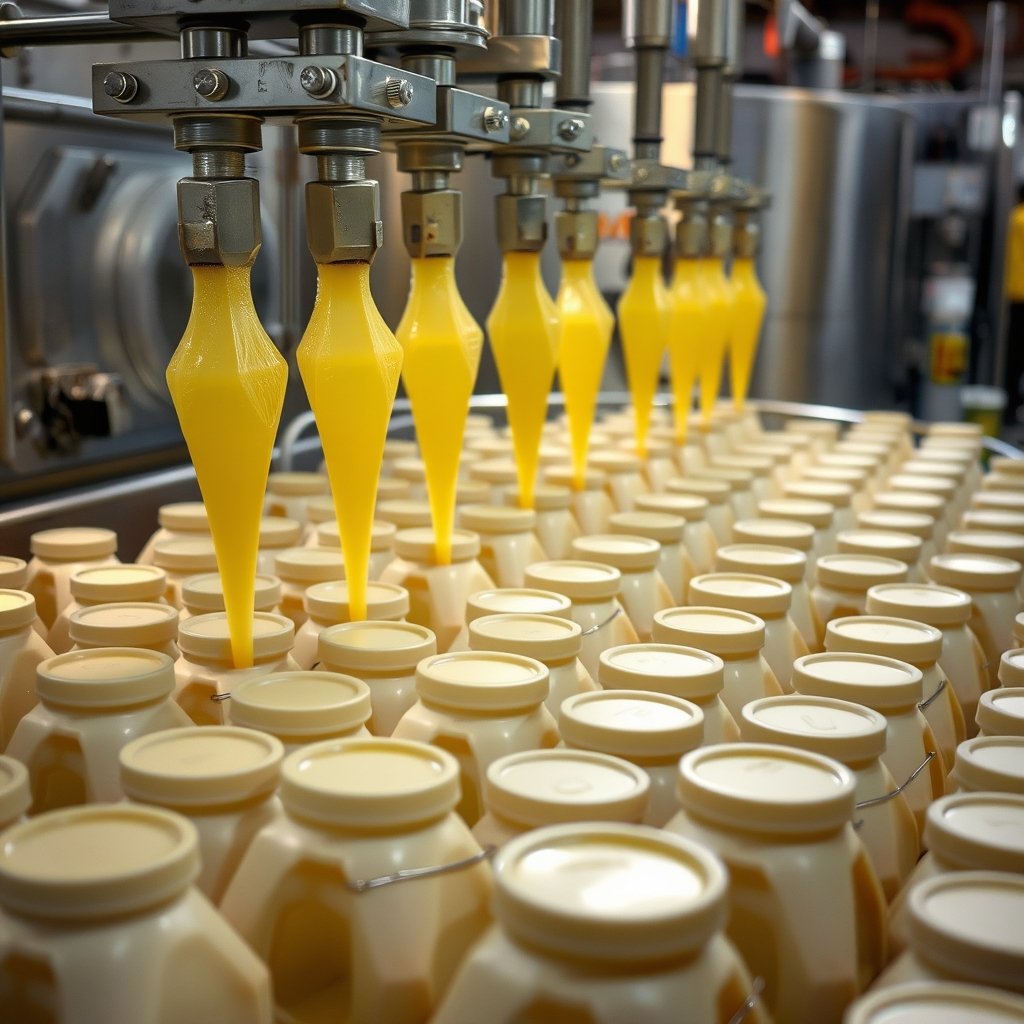 Cheap Desi Ghee India: Low Prices Mean Trade-offs
Cheap desi ghee in India usually sacrifices traditional bilona processing, A2 milk sourcing, and slow…
