
Cheap Desi Ghee India: Low Prices Mean Trade-offs
Why is the price of ghee so different across Indian brands?
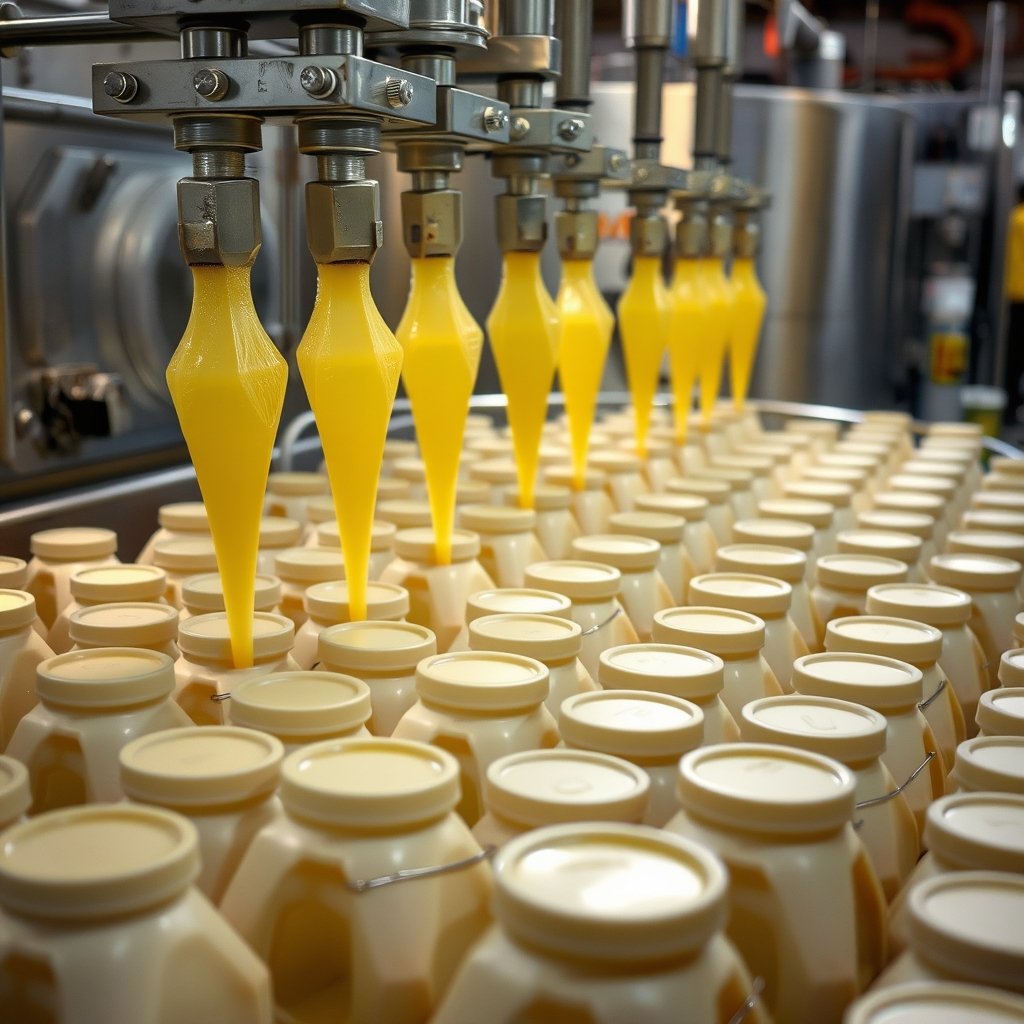
Cheap desi ghee in India hits a low price point by replacing the labor-intensive bilona process with machine-made cream separation and using high-yield milk from crossbred cows. To understand why some jars cost three times as much as others, one must look at the math of milk. In the traditional bilona method, it takes approximately 25 to 30 liters of whole milk to produce just one kilogram of ghee. If the price of quality milk in India ranges from ₹60 to ₹100 per liter, the raw material cost alone for a single kilogram of authentic ghee exceeds ₹1,500. When a brand sells ghee for ₹500 or ₹600, they are often using industrial bypasses or sourcing milk from mass-scale dairies where the cost of production is minimized through volume and automation.
How does the bilona method affect the final cost?
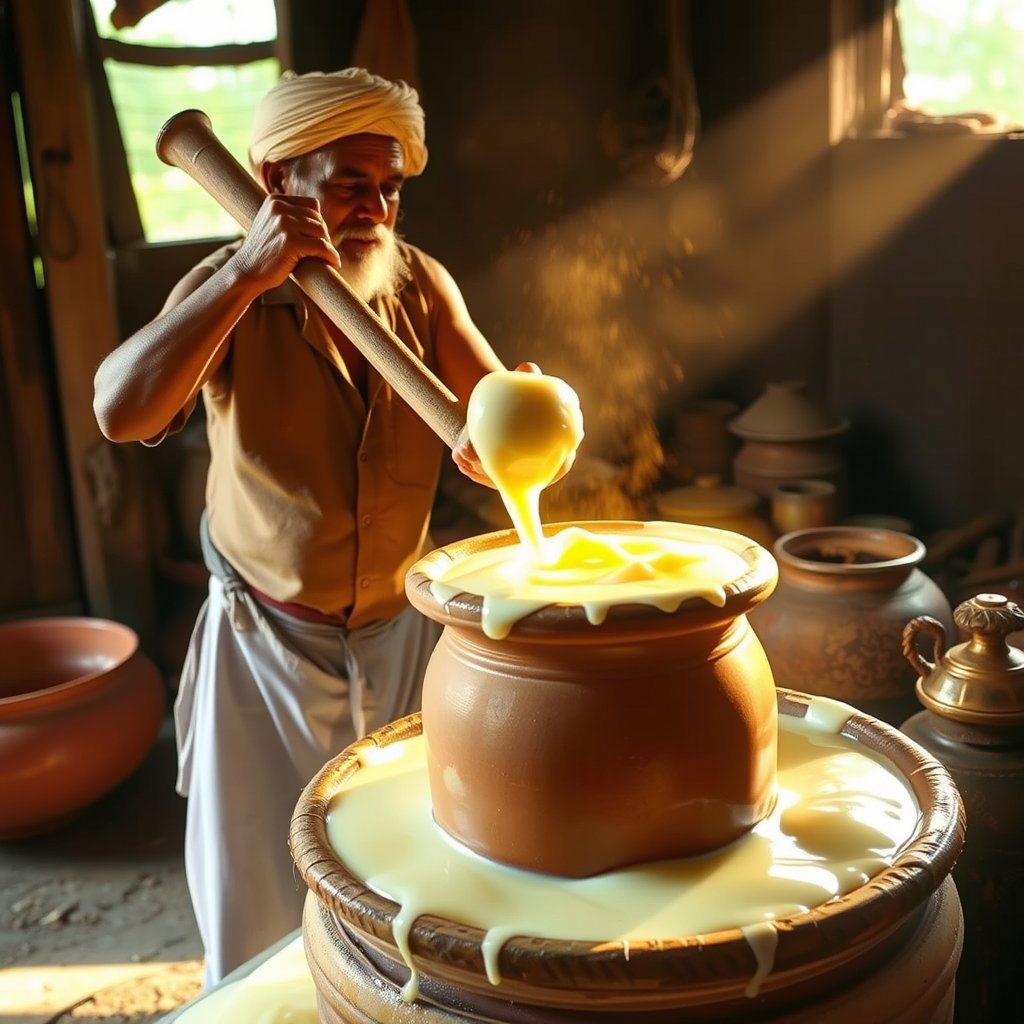
The traditional bilona method is a multi-step process that requires time, which is the first thing removed to create a cheaper product. In this method, milk is first boiled, cooled, and then turned into curd. This curd is then churned using a wooden stirrer to separate the butter. This 'makhana' is then washed and slowly simmered to extract the ghee. Industrial ghee manufacturing skips the curdling and churning phases entirely. Instead, they use a centrifugal separator to pull the cream directly out of the raw milk. This cream is then boiled at high temperatures to produce 'cream-ghee.' This process is much faster and allows the factory to sell the remaining skimmed milk, which significantly lowers the final price of the ghee on the shelf.
What role does the breed of cow play in pricing?
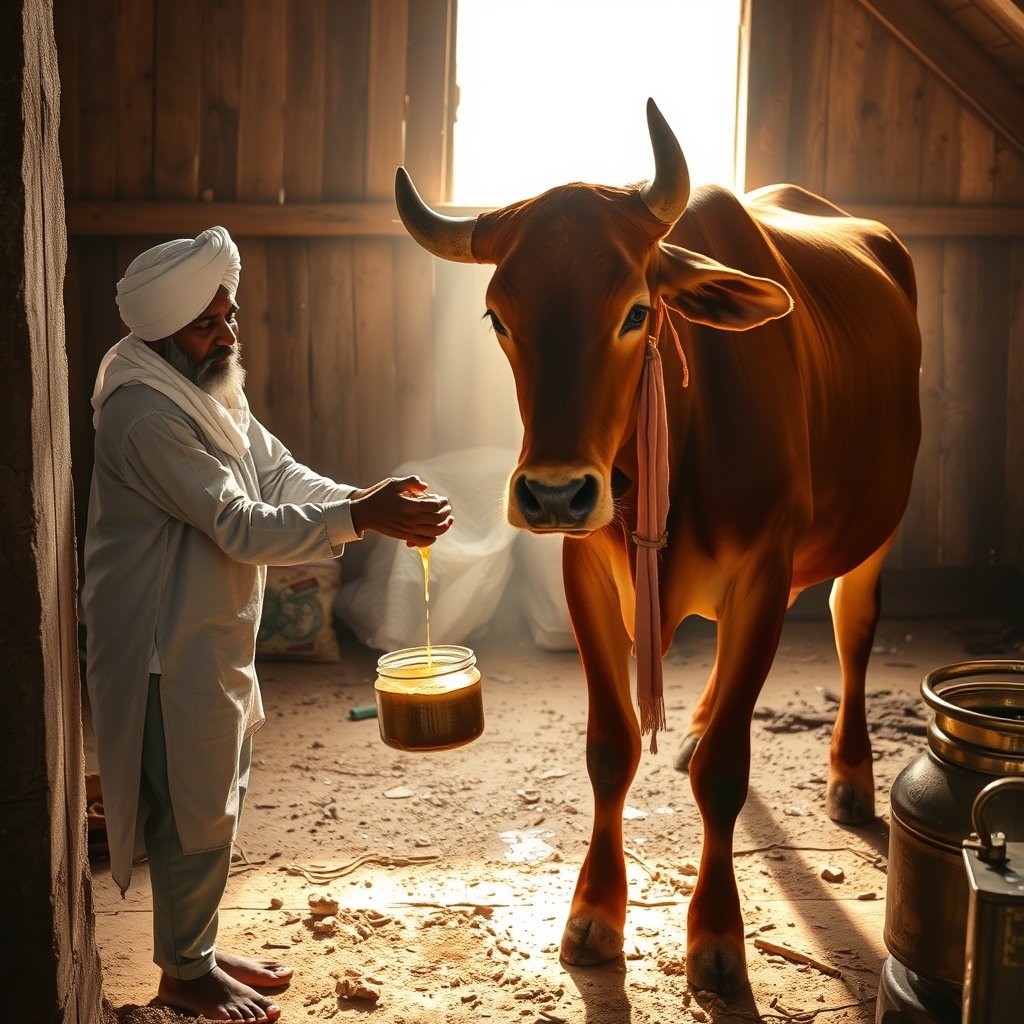
The source of the milk is the most significant factor in the pricing of desi ghee in India. Most affordable ghee is sourced from a mix of buffalo milk and milk from crossbred cows like the Jersey or Holstein Friesian. These breeds are designed for high milk yield but lack the specific A2 beta-casein protein found in indigenous Indian breeds. Gir cows, an indigenous breed, produce much less milk per day than their Western counterparts. Because the supply of pure A2 Gir cow milk is limited and the cost to maintain these cows is higher relative to their output, the ghee produced from their milk naturally carries a premium price. When you find cheap ghee, it is almost certainly made from high-yield, mixed-breed milk.
How do industrial and traditional ghee compare?
When comparing mass-produced ghee to traditional bilona ghee, the differences are evident in the processing steps and the final characteristics of the product. The following table highlights the key areas where budget ghee deviates from traditional standards.
| Feature | Cheap Industrial Ghee | Traditional Bilona Ghee |
|---|---|---|
| Primary Ingredient | Milk Cream (Malai) | Whole Milk Curd (Dahi) |
| Separation Method | Mechanical Centrifuge | Wooden Churn (Bilona) |
| Cow Breed | Mixed or Crossbred (A1/A2) | Indigenous Gir Cows (A2) |
| Cooking Speed | High-Heat Rapid Boiling | Low-Flame Slow Simmering |
| Texture | Smooth or Waxy | Naturally Danedaar (Grainy) |
Our cows are not use and throw

A cow that stops giving milk is still our cow. She stays on the farm, with the same feed, the same shed and the same medical care she had when she was milking. We do not sell her on and we do not let her go. That is the whole basis of the ghee we make — you cannot ask an animal for her milk and then abandon her for it.
Our mission goes further than our own herd. There are cows on the street who are injured every day, who eat plastic, who cry through the night with nobody coming. We want to take them in. The plan is a chain of Organic Farmz gaushalas in several places, so that help is not one shed in one city but something a hurt animal can actually reach.
This takes more than we can carry alone — land, fodder, vets, hands. Come and join our initiative. Anything you give goes to feed, treat and shelter these cows.

Scan with any UPI app
Bank transfer
- Account name Organic Farmz
- Bank Indian Bank
- Account number 8133177322
- IFSC code IDIB000K555
- UPI ID organicfarmz@ptaxis
On a phone, the button above opens your UPI app directly — a QR on the screen you are reading cannot be scanned by that same screen. On a laptop, scan the code with your phone instead.
Does mass production change the aroma and texture?
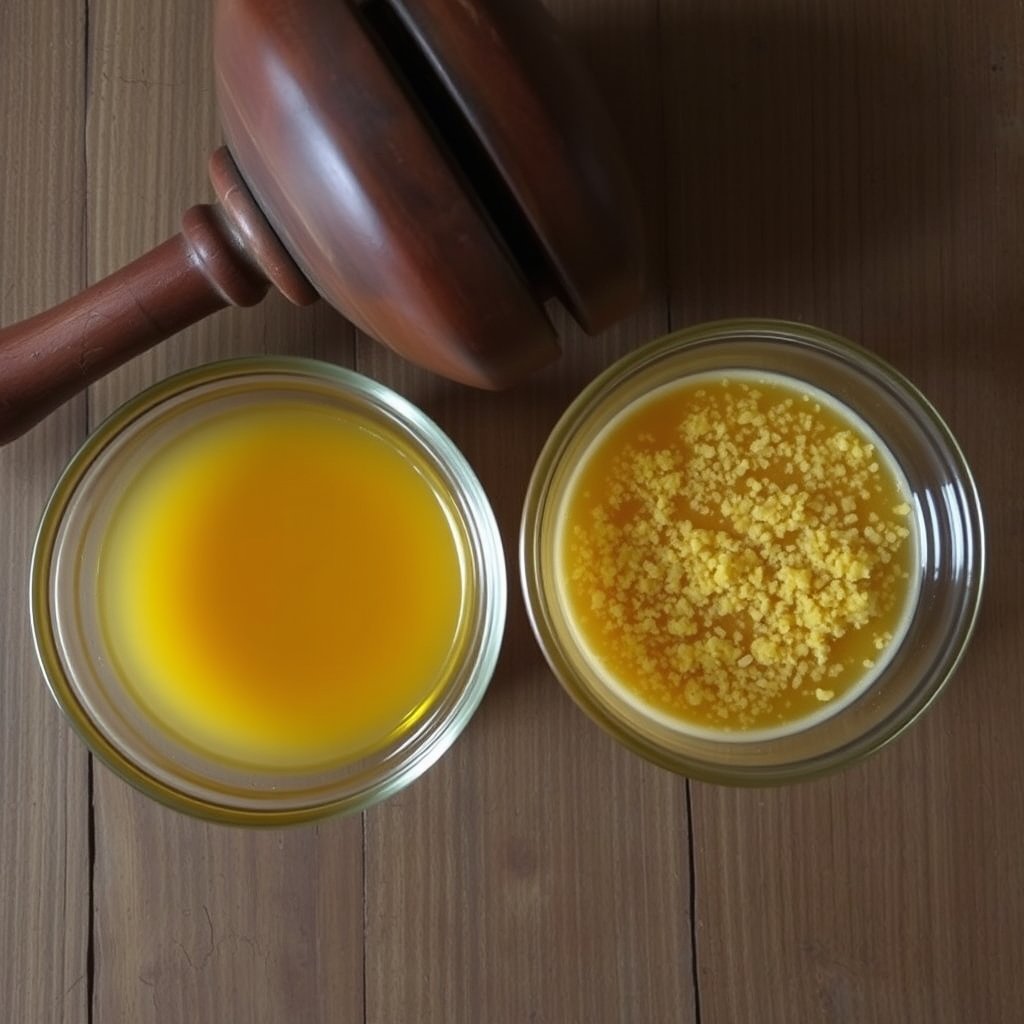
Mass production often results in a flatter aroma and a different texture because high-heat boiling is designed for speed rather than flavor development. In a traditional bilona setup, the butter is simmered over a low flame, often using cow dung cakes or slow gas burners, until the milk solids caramelize slightly. This slow process is what creates the deep, nutty aroma and the 'danedaar' or grainy texture that Indian households have prized for generations. Cheap ghee often lacks these distinct grains because the rapid cooling and heating cycles used in factories prevent the fat crystals from forming naturally. To compensate for this, some budget brands may use specific cooling techniques to force a grainy appearance, but the natural aroma is difficult to replicate without the fermentation of the curd.
What happens to the nutrients in budget-friendly ghee?
In the quest for a lower price, the nutritional integrity of the ghee can be affected by the heat used during processing. Traditional bilona ghee is prepared at lower temperatures, which helps preserve the fat-soluble vitamins like A, D, E, and K, as well as the butyric acid content. Industrial methods that use extremely high heat to speed up the separation of fat can degrade these sensitive compounds. Furthermore, the fermentation process in bilona ghee—where milk is turned into curd—breaks down certain components and develops a profile of fatty acids that is absent in ghee made directly from cream. While both products are technically ghee, the traditional version retains more of the qualities described in ancient Ayurvedic texts.
Why are additives sometimes found in budget ghee?
To maintain a consistent look, smell, and shelf life at a low price point, budget brands may rely on standardization. Traditional bilona ghee is a seasonal product; its color and aroma change depending on what the cows are eating. In the monsoon, when the grass is lush and green, the ghee may appear more yellow. In the dry summer months, it may be lighter. Cheap, mass-market ghee is expected to look and smell identical in every jar across the country, all year round. This level of consistency often requires the use of stabilizers or specific industrial refining processes that strip away the natural variations. When you choose a handcrafted product, you are accepting the natural fluctuations of a farm-based food rather than a factory-standardized chemical profile.
Is the packaging a factor in the final price?
Packaging is a hidden cost that significantly impacts whether a ghee can be sold cheaply. Most budget-friendly ghee in India is sold in plastic pouches, plastic jars, or tin containers. These materials are lightweight and inexpensive to ship, but they do not provide the best environment for long-term storage of fats. High-quality bilona ghee is almost always packed in glass jars with secure lids. Glass is non-reactive and preserves the aroma and purity of the ghee without the risk of leaching chemicals from the container. However, glass is heavy and fragile, which increases the cost of logistics and the final price for the consumer. When a brand chooses glass, it is an investment in maintaining the quality of the product from the dairy to your kitchen.
Taste the difference
Small-batch A2 Gir cow ghee, hand-churned to order and delivered across India. Read how we make it if you want the detail first.
Order a jarKeep reading
-
 Ghee Price Per Kg in India: What Drives the Range
Curious why ghee price per kg varies so wildly across Indian markets? We break down the real costs—from Gir…
-
 Ghee Prices in India: Why Costs Vary by Method
Ghee prices in India vary based on the cow breed, the volume of milk used per litre of ghee, and whether it…
-
 Why A2 Ghee Costs More Than Regular Ghee
Discover the physical reasons behind the A2 ghee price, comparing native Gir cow milk yields and the slow…
