
Ghee Prices in India: Why Costs Vary by Method
Why does the price of ghee differ so much across brands?
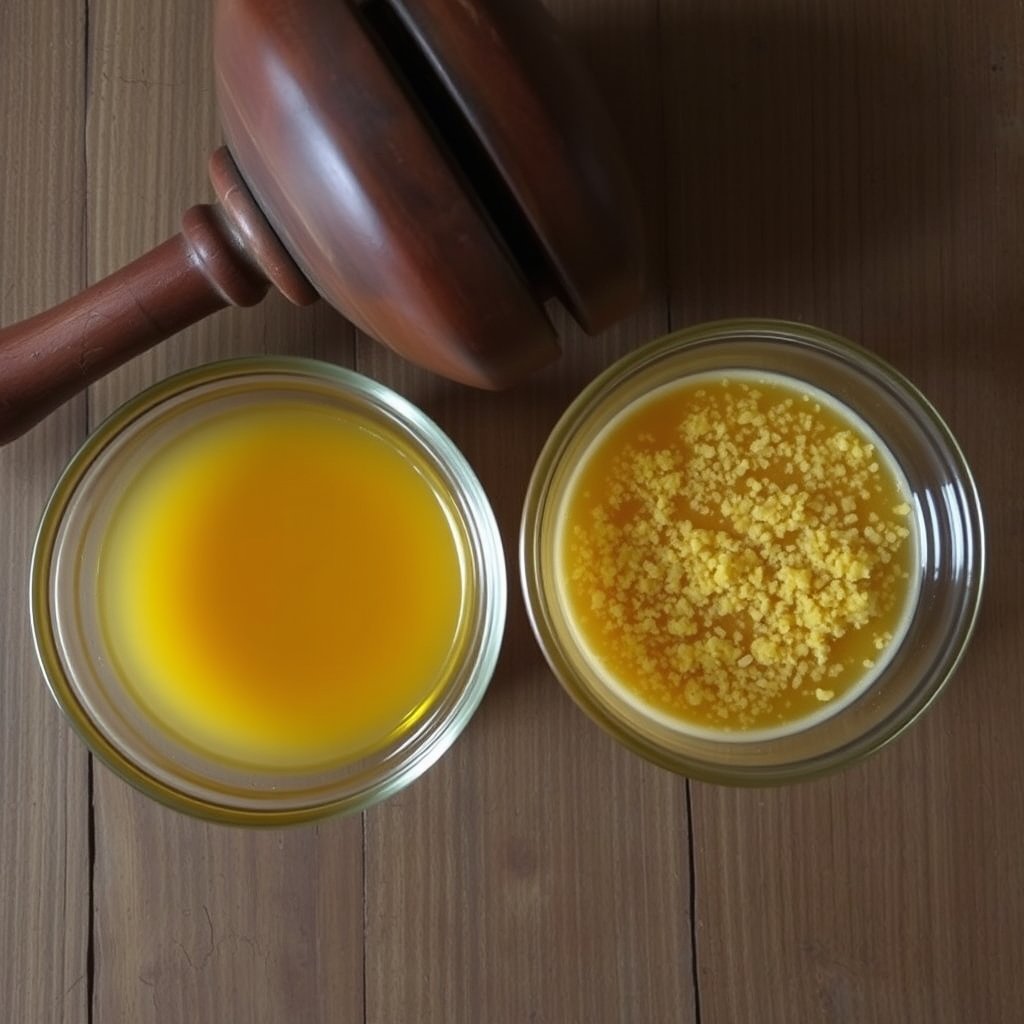
Ghee prices in India vary primarily because of the source of the milk, the specific breed of the cow, the volume of milk required to produce a single jar, and the method of extraction used by the maker. While one jar might be produced in a high-speed industrial setting using cream separators, another is the result of days of labor-intensive work involving curdling milk and hand-churning butter. These differences in inputs and processes create a wide range in the final cost you see on the shelf.
How does the breed of the cow influence the price?
The breed of the cow is the first major factor in determining the price of the ghee. In India, most mass-produced ghee comes from crossbred or high-yield cattle that produce large volumes of milk daily. In contrast, indigenous Indian breeds like the Gir cow produce a significantly smaller amount of milk, but that milk is characterized by the A2 protein. Because the daily yield per cow is lower for Gir cows compared to industrial breeds, the raw material cost is naturally higher for those who choose to work exclusively with A2 milk from native breeds.
Why does the quantity of milk used matter?
The sheer volume of milk needed to make one litre of ghee is the most significant cost driver. In the traditional bilona method, we do not simply separate the cream from the milk. Instead, the whole milk is boiled, cooled, and set into curd. This curd is then churned to extract makkhan (butter). It typically takes between 25 to 30 litres of A2 Gir cow milk to produce just one litre of bilona ghee. When you consider the cost of purchasing 30 litres of high-quality milk versus the cost of one litre of the finished product, the pricing becomes a matter of simple mathematics. Commercial ghee often uses cream-skimming methods that require less raw milk and less time, which allows for a lower price point.
How does the extraction method affect the cost?
The method used to turn milk into fat determines the labor cost and the final quality. Industrial ghee is often made by heating cream at high temperatures in large vats. This is a fast, automated process that can produce thousands of litres an hour. The bilona method, however, follows the ancient Ayurvedic tradition of churning curd with a wooden stirrer. This process is slow and cannot be easily rushed by machines without losing the traditional texture and aroma. The manual labor involved in curdling, churning, and slow-heating the butter over a low flame adds to the operational costs of the farm.
Our cows are not use and throw

A cow that stops giving milk is still our cow. She stays on the farm, with the same feed, the same shed and the same medical care she had when she was milking. We do not sell her on and we do not let her go. That is the whole basis of the ghee we make — you cannot ask an animal for her milk and then abandon her for it.
Our mission goes further than our own herd. There are cows on the street who are injured every day, who eat plastic, who cry through the night with nobody coming. We want to take them in. The plan is a chain of Organic Farmz gaushalas in several places, so that help is not one shed in one city but something a hurt animal can actually reach.
This takes more than we can carry alone — land, fodder, vets, hands. Come and join our initiative. Anything you give goes to feed, treat and shelter these cows.

Scan with any UPI app
Bank transfer
- Account name Organic Farmz
- Bank Indian Bank
- Account number 8133177322
- IFSC code IDIB000K555
- UPI ID organicfarmz@ptaxis
On a phone, the button above opens your UPI app directly — a QR on the screen you are reading cannot be scanned by that same screen. On a laptop, scan the code with your phone instead.
Comparison: Industrial Ghee vs. Traditional Bilona Ghee
| Feature | Industrial Cream Ghee | Traditional Bilona Ghee |
|---|---|---|
| Raw Material | Separated Milk Cream | Whole Milk Curd |
| Milk Required | Approx. 12-15 Litres | Approx. 25-30 Litres |
| Processing Time | A few hours | 24 to 48 hours |
| Heat Source | High-pressure Steam | Slow Flame (Chulha) |
Does the ethics of calf-rearing impact the price?
In many commercial dairy operations, the primary goal is maximum milk extraction, often at the expense of the calf. In traditional Indian farming practices, particularly those following Ayurvedic principles, the calf has the first right to the mother’s milk. We ensure the calf is well-fed before the remaining milk is collected for ghee-making. This ethical approach reduces the total amount of milk available for sale, which increases the cost per litre. Supporting farms that prioritize the welfare of the animal and its offspring is a choice that is reflected in the price of the final product.
How does packaging and storage influence the final cost?
The container that brings the ghee to your kitchen also plays a role in the pricing. Plastic containers are inexpensive, lightweight, and easy to ship, but they are not the traditional choice for storing fats. Glass jars are the preferred medium for ghee because they are non-reactive and preserve the aroma and grain (danedaar texture) of the ghee over time. However, glass is more expensive to source, significantly heavier, and requires specialized protective packaging to ensure it reaches you without breaking. These logistics and material costs are factored into the price of a high-quality jar of ghee.
Why does distance and logistics add to the expense?
Shipping a heavy, fragile glass jar from a rural farm to a city like Delhi, Mumbai, or Bangalore involves significant logistics costs. Unlike industrial ghee that is distributed in bulk through massive supply chains and stored in warehouses for months, traditional bilona ghee is often made in smaller batches and shipped directly or through smaller channels to ensure freshness. The cost of reliable, breakage-free transit across the diverse geography of India ensures that the product reaches your doorstep in its original, grainy state, but it does contribute to the overall price you pay for a single litre.
Is the price of ghee seasonal?
Milk production in cows is naturally seasonal. In the winter months, cows often produce more milk, while the yield may drop during the hot Indian summers. Additionally, the diet of the cows changes with the seasons—from green fodder in the monsoon to dry fodder in the summer. These fluctuations affect the availability of milk and the cost of maintaining the herd. While large companies might use additives or large cold-storage stocks to keep prices flat year-round, small-batch producers are more susceptible to these natural cycles of the land and the livestock.
Taste the difference
Small-batch A2 Gir cow ghee, hand-churned to order and delivered across India. Read how we make it if you want the detail first.
Order a jarKeep reading
-
 Cheap Desi Ghee India: Low Prices Mean Trade-offs
Cheap desi ghee in India usually sacrifices traditional bilona processing, A2 milk sourcing, and slow…
-
 Ghee Price Seasonal Variation: Why Summer Costs More
Ghee prices rise in summer because heat reduces milk yields and increases fodder costs, making high-quality…
-
 Two Jars, Two Prices: Where the Difference Goes
Ghee varies in price because traditional bilona requires 25 to 30 litres of milk per kilo plus manual curd…
