
Why Ghee Prices Change: Dairy Yields and Fat Supply
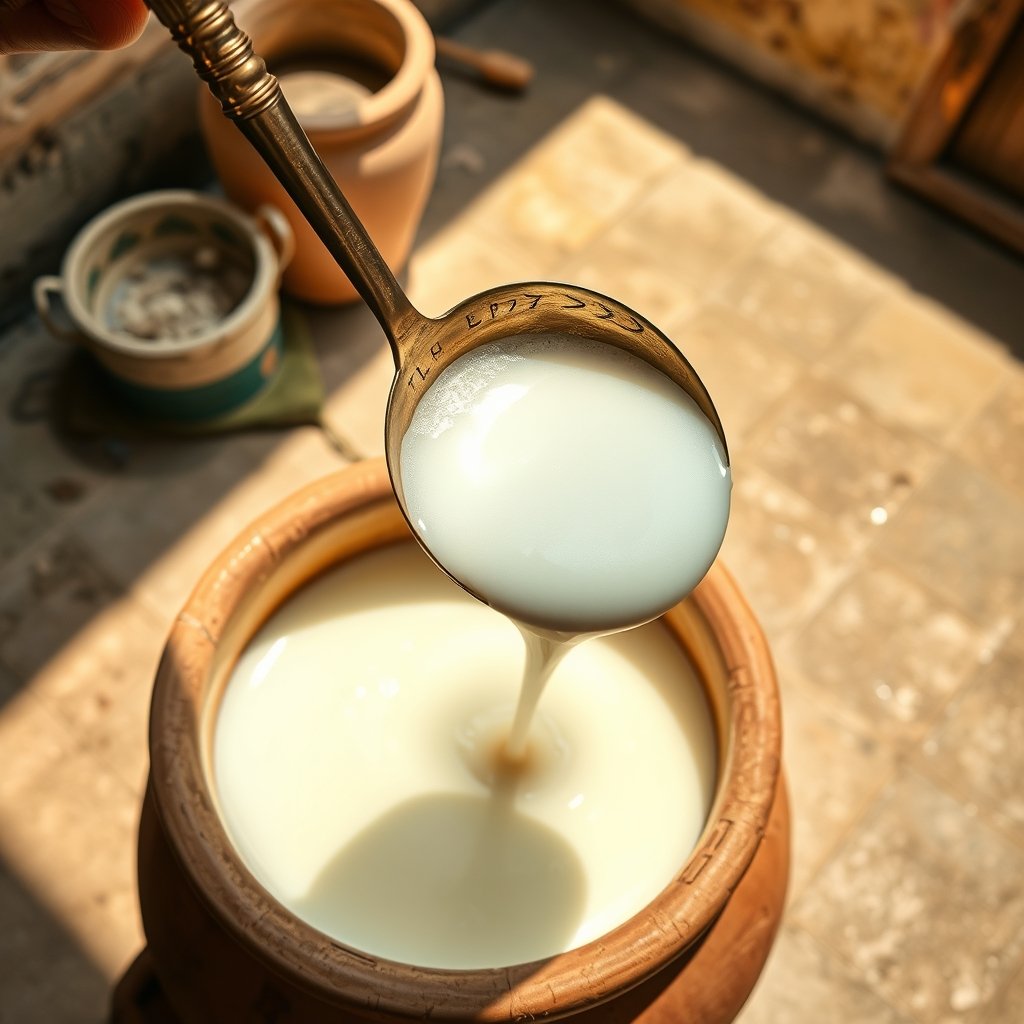
Why does the market price of ghee fluctuate?
Raw milk is the single largest cost component in preparing pure ghee, making the price of finished dairy fat directly dependent on farm-gate milk rates. Dairy fat pricing has been in the news recently as rising costs for cattle feed, transportation, and farm maintenance push procurement prices higher across regional markets. Because ghee consists of concentrated milk fat, any price adjustment in raw milk is magnified in the finished jar. Producing one litre of traditional bilona ghee requires between twenty-five and thirty litres of whole milk, which means shifts in raw milk valuation instantly alter the production expenses of small-batch producers and large creameries alike.
How does seasonal milk yield affect butter and ghee production?
Milk output across Indian farms naturally cycles between a flush season in winter and a lean season in summer. During cold months, cattle consume fresh green fodder, producing higher daily milk volumes with elevated butterfat percentages. In the summer heat, cattle drink more water and yield less milk with lower fat concentration. To produce the same weight of cultured butter during warmer months, dairies must purchase larger total volumes of raw milk. This seasonal shift in fat yield creates natural upward pressure on dairy fat costs before winter production resumes.
Why is traditional bilona ghee priced differently from creamery fat?
Commercial creamery ghee relies on mechanical separators that pull raw cream directly out of fresh milk, which is then boiled in industrial kettles for fast output. The traditional bilona process requires culturing whole milk into whole curd overnight, churned with a bi-directional wooden spindle to yield traditional white butter before gentle simmering over a slow flame. This traditional method extracts fat only from fermented curd rather than concentrated raw cream, resulting in a lower fat extraction yield per litre of raw milk. The extra steps of boiling, culturing, churn operation, and small-pot clarify simmering add significant time and manual labor to every batch, accounting for the cost structure of genuine bilona jars.
Our cows are not use and throw

A cow that stops giving milk is still our cow. She stays on the farm, with the same feed, the same shed and the same medical care she had when she was milking. We do not sell her on and we do not let her go. That is the whole basis of the ghee we make — you cannot ask an animal for her milk and then abandon her for it.
Our mission goes further than our own herd. There are cows on the street who are injured every day, who eat plastic, who cry through the night with nobody coming. We want to take them in. The plan is a chain of Organic Farmz gaushalas in several places, so that help is not one shed in one city but something a hurt animal can actually reach.
This takes more than we can carry alone — land, fodder, vets, hands. Come and join our initiative. Anything you give goes to feed, treat and shelter these cows.

Scan with any UPI app
Bank transfer
- Account name Organic Farmz
- Bank Indian Bank
- Account number 8133177322
- IFSC code IDIB000K555
- UPI ID organicfarmz@ptaxis
On a phone, the button above opens your UPI app directly — a QR on the screen you are reading cannot be scanned by that same screen. On a laptop, scan the code with your phone instead.
What factors determine the raw milk costs for small farms?
The daily cost of feeding, housing, and caring for cattle directly sets the base price of raw milk. Green grass, dry straw, oil cakes, and balanced grain mixtures form the daily diet of dairy cows, and changes in agricultural harvests or transport fuel rates directly affect fodder prices. Indigenous A2 Gir cows yield smaller volumes of milk each day compared to high-yield crossbred cattle, so maintaining an ethical herd requires higher feed and shelter inputs per litre produced. When small farms commit to lifetime care for non-milking cows and calves, those ongoing husbandry costs are borne entirely by the active milk yield of the farm.
How does milk fat processing differ between butter and ghee?
Butter and ghee are both made from milk fat, but their moisture content and processing methods create different yield ratios. Creamery butter retains roughly sixteen percent water along with milk solids, whereas ghee is simmered until virtually all water evaporates, leaving behind clarified fat grains. Because moisture is completely driven off during clarification, one kilogram of butter yields less than eight hundred and fifty grams of finished ghee. This evaporative loss during boiling means ghee always requires more starting milk fat by weight than butter, reflecting the extra milk volume needed to create a stable, room-temperature fat for home kitchens.
How can buyers manage home kitchen ghee expenses throughout the year?
Understanding seasonal fat variations helps household buyers plan pantry restocking effectively. Ordering larger 1-litre glass jars for regular cooking rather than smaller weekly trial jars reduces overall packaging and shipping costs per hundred grams. Stored in a dry, dark pantry away from water drops and direct stove heat, unopened jars of pure ghee maintain their aroma and grainy texture for many months without refrigeration. Keeping a clean, dry spoon reserved exclusively for serving fat prevents premature spoilage, allowing households to use every gram of butterfat without waste.
Taste the difference
Small-batch A2 Gir cow ghee, hand-churned to order and delivered across India. Read how we make it if you want the detail first.
Order a jarKeep reading
-
 Dairy Farms Near Delhi: Milk Comes From Haryana and UP
Most Delhi NCR milk is sourced from Haryana, western Uttar Pradesh, and Rajasthan through large collection…
-
 How Seasons Change the Milk, and the Ghee
Milk quality, fat profile, and the resulting ghee shift throughout the year as an indigenous cow's forage…
-
 Is Ghee Vegan?
No, ghee is not vegan because it is an animal-derived dairy product made entirely from cow milk fat. Learn…
