
How Seasons Change the Milk, and the Ghee

Milk quality and the ghee made from it change naturally across the year because a cow's diet, water intake, and natural metabolism shift with the passing seasons. When dairy cattle graze outdoors on open pasture, their milk reflects the exact plants, grasses, and weather they experience each month, creating noticeable shifts in milk richness, butterfat percentage, aroma, and the final colour of traditional bilona ghee.
Why Does Seasonal Weather Affect Cow Milk Quality?
In traditional dairy farming with native Gir cows, feed is never identical from January to July. During the monsoon and the immediate post-monsoon months, pastures flourish with lush green grass, wild legumes, and succulent fodder rich in natural beta-carotene and moisture. In contrast, during the dry, scorching summer months, grazing shifts toward dry grasses, sorghum stalks, dried hay, and supplementary feed mixes to maintain energy.
These dietary shifts directly alter the composition of milk solids. Green forage introduces higher levels of natural pigments and specific fatty acid profiles into the cream. Summer heat also prompts cows to drink significantly more water while eating slightly less dry matter during the hottest midday hours, resulting in milk with a lighter feel and different fat-to-protein proportions.
How Do Summer and Winter Milk Compare?
The contrast between milk produced during peak winter and dry summer is evident to anyone working with raw, unstandardised dairy. Standardised commercial milk masks these shifts through mechanical blending, skimming, and homogenisation, but authentic small-batch bilona ghee retains the fingerprint of the season in which it was churned.
| Factor | Winter & Monsoon Milk | Peak Summer Milk |
|---|---|---|
| Primary Cow Diet | Fresh green pasture grasses, seasonal herbs, lush silage | Dry fodder, hay, straw, and concentrated oil cakes |
| Milk Fat Content | Naturally higher fat and total solids percentage | Moderately lighter fat yield per litre |
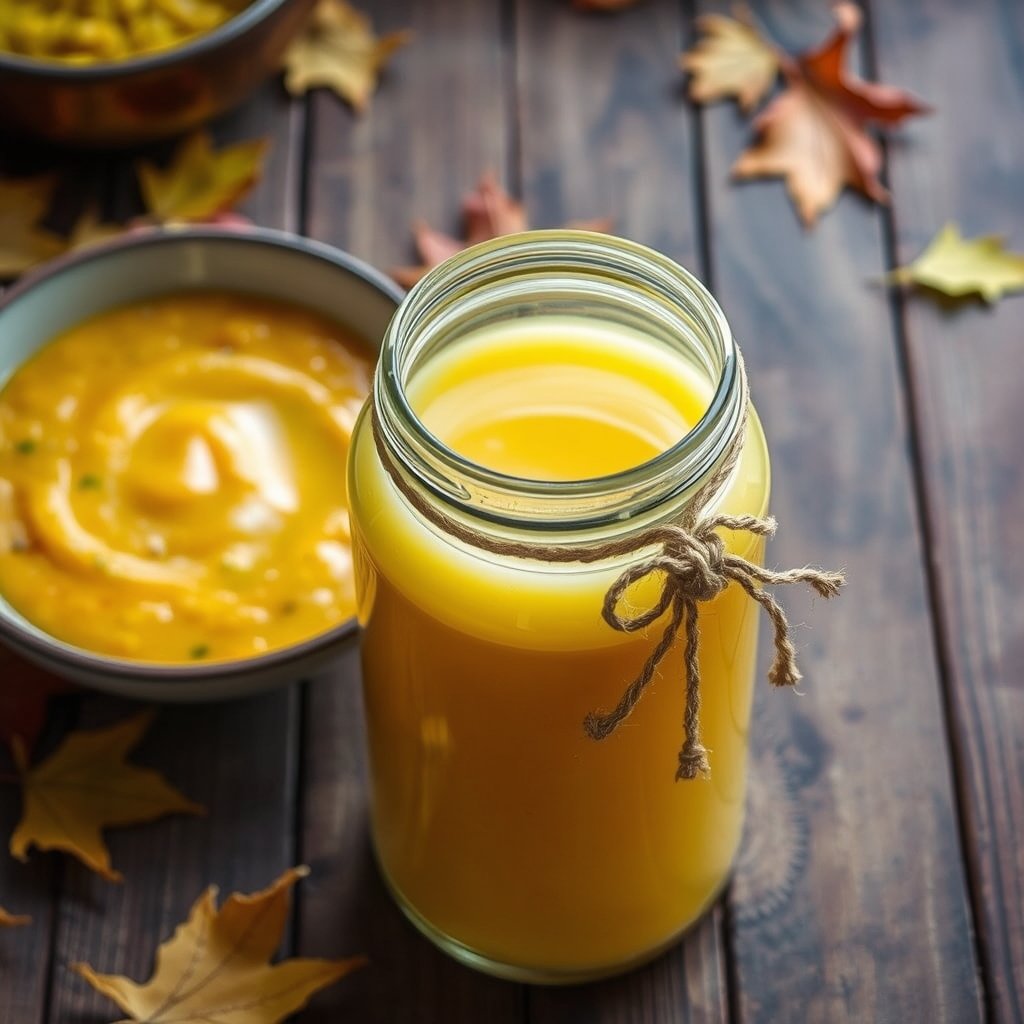
| Ghee Colour | Warm golden yellow due to fresh green beta-carotene | Pale cream to light buttercup yellow |
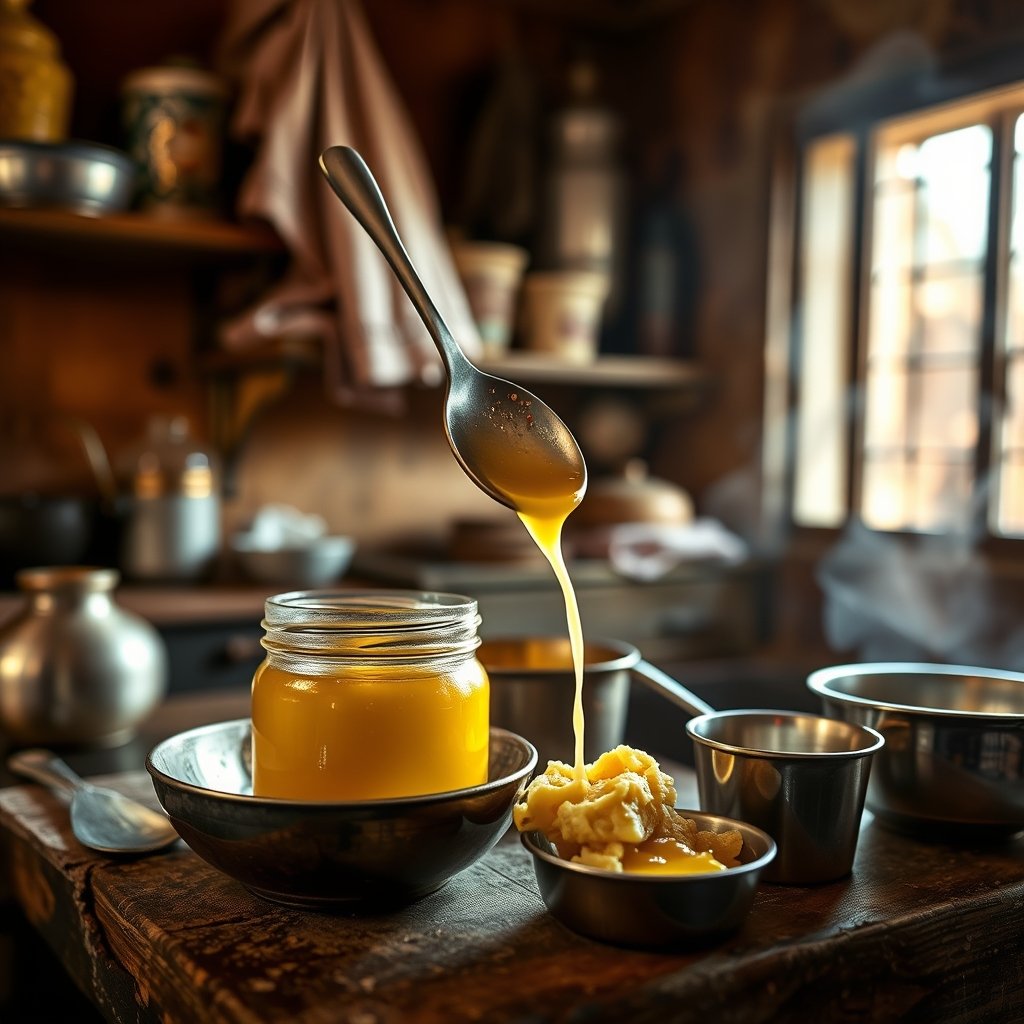
| Ghee Grain (Danedar) | Firm, well-defined grains that set easily at room temperature | Softer, fine grains that stay semi-liquid in warm rooms |
| Aroma Profile | Rich, nutty, and sweet with deep toasted notes | Mild, gentle, and clean milk notes |
Why Does Bilona Ghee Look and Smell Different in Monsoon?
The monsoon brings a sudden surge in grazing availability. When Gir cows graze on fresh monsoon vegetation, their milk yield often increases, and the cream contains an abundance of plant-derived carotene compounds. When this milk is cultured into curd and hand-churned using the traditional wooden bilona, the extracted makkhan carries a deep golden hue.
When that butter is gently simmered over a low firewood or gas flame, the natural sugars and milk solids brown cleanly, yielding ghee with an intensely fragrant, earthy aroma. Many home cooks in India observe that ghee prepared in late monsoon and early winter smells the richest in dal, khichdi, and festive laddoos.
Why Does Ghee Texture Shift With the Weather?
The physical texture of real ghee depends on two things: the ratio of saturated to unsaturated fatty acids in the milk, and the ambient temperature of your kitchen. Ghee is not a single uniform fat; it is a complex mixture of different fatty acids, each with its own melting point.
During cooler winter months, the fats with higher melting points crystallise slowly and evenly, creating the prized grainy or danedar texture that settles at the bottom of the glass jar. In the peak of summer, ambient temperatures in many Indian homes rise above the melting point of these natural fats, causing the ghee to turn partially or fully liquid. This is a completely natural physical reaction to room temperature and does not indicate any drop in quality or freshness.
How Does Ayurveda View Seasonal Milk and Ghee?
In Ayurvedic ritucharya, or seasonal lifestyle principles, food is understood to interact directly with environmental shifts. Classical texts recognise that milk and ghee vary throughout the year depending on the pasture and the seasons. Winter milk is traditionally considered heavier and grounding, ideal for cold weather when the digestive fire (agni) is considered naturally strong.
During the dry summer and rainy seasons, ghee made from light, naturally cultured A2 milk remains a steady staple in Indian home cooking because it adds pure cooking fat without the heavy burden of unclarified dairy solids or unfermented cream.
How Should You Handle Ghee as the Seasons Turn?
Because pure bilona ghee contains almost zero moisture, it does not spoil easily with changing weather. However, simple kitchen habits keep it at its best. Keep the jar in a cool, dry cupboard away from direct sunlight, and always use a clean, dry spoon to prevent introducing moisture. If you prefer a granular texture during hot summer months, placing the jar in a slightly cooler spot or briefly chilling it will encourage the natural fat crystals to form.
Taste the difference
Small-batch A2 Gir cow ghee, hand-churned to order and delivered across India. Read how we make it if you want the detail first.
Order a jarKeep reading
-
 Ghee in Ritucharya: Eating With the Seasons
Discover how the traditional practice of Ritucharya uses A2 Gir cow bilona ghee to balance the body through…
Ghee in Ritucharya: Eating With the Seasons
Discover how the traditional practice of Ritucharya uses A2 Gir cow bilona ghee to balance the body through…
-
 Ghee vs Butter: What Actually Changes When You Swap Them
Swapping butter for ghee alters your pan's heat tolerance, moisture balance, and flavor profile. Learn what…
Ghee vs Butter: What Actually Changes When You Swap Them
Swapping butter for ghee alters your pan's heat tolerance, moisture balance, and flavor profile. Learn what…
-
 Ghee or Oil for Tadka? What Actually Changes in the Pan
Ghee smokes at around 250°C and carries flavour that oil does not. What that means for tempering spices…
Ghee or Oil for Tadka? What Actually Changes in the Pan
Ghee smokes at around 250°C and carries flavour that oil does not. What that means for tempering spices…