
Dairy Farms Near Delhi: Milk Comes From Haryana and UP
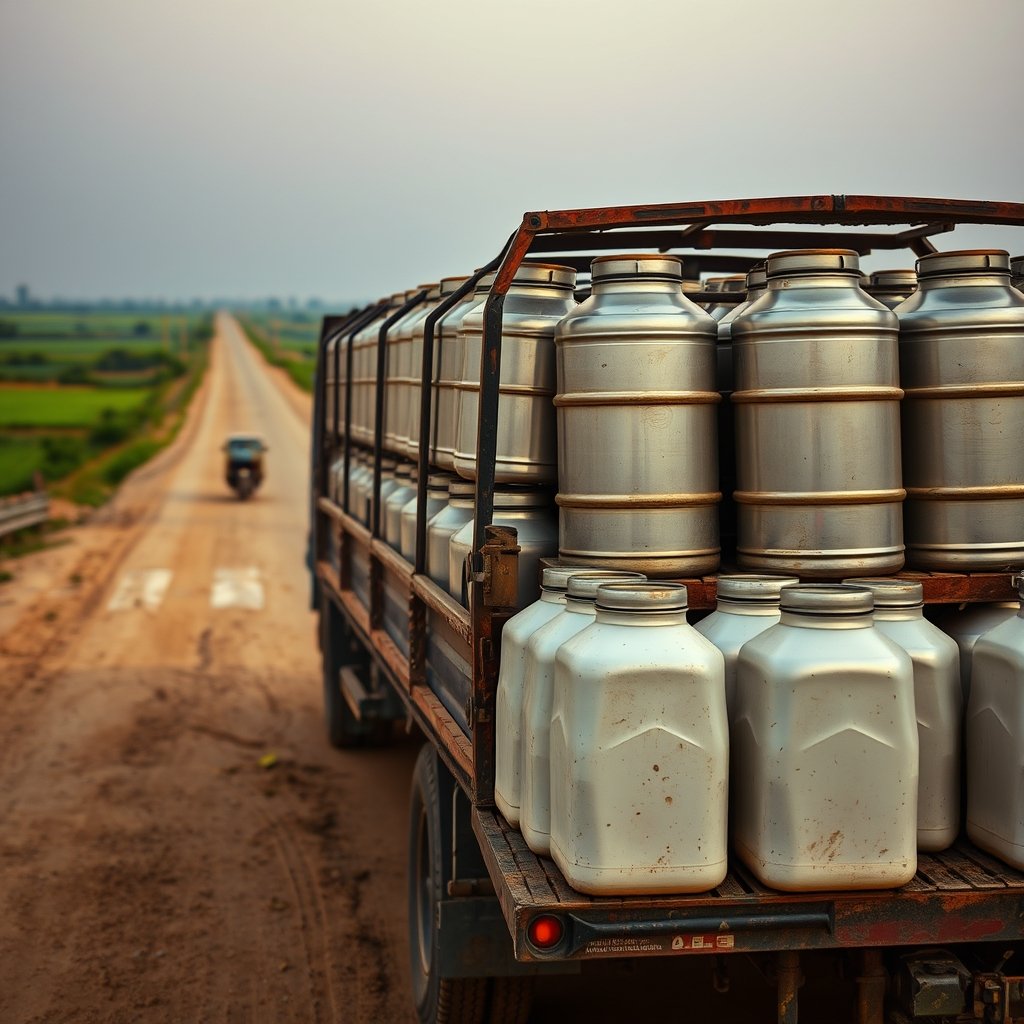
Most of the milk supplied to Delhi and the NCR comes from the vast milk sheds of Haryana, western Uttar Pradesh, and the northern fringes of Rajasthan. This region forms the National Capital Region milk shed, one of the most productive dairy zones in India. While you see white tankers moving along the Western Peripheral Expressway or the DND Flyway every morning, the milk inside usually follows one of two distinct paths: a multi-farm collection route where milk from hundreds of smallholders is pooled, or a single-source farm where one specific herd is managed under one roof. For those specifically looking for A2 Gir cow ghee, knowing which of these two paths the milk took is the first step in understanding the quality of the jar in your kitchen.
Which regions are the primary sources of Delhi's milk?
Haryana contributes a massive portion of the city's daily requirement, particularly from districts like Rohtak, Jind, and Sonipat. These areas have a long history of cattle rearing and are home to both high-yield buffaloes and indigenous cow breeds. Western Uttar Pradesh, including the agricultural belts of Meerut, Baghpat, and Bulandshahr, is another heavy hitter, supplying both fresh liquid milk and the raw material for traditional dairy products like paneer and khoa. Additionally, the arid borders of Rajasthan, specifically the Alwar and Bharatpur belts, feed into the NCR market, often providing the cow milk that is diverted for ghee production. These three states create a 300-kilometer radius of dairy production that keeps the capital running.
What is the difference between a collection route and a single herd?
A collection route is the standard model for most large-scale dairy brands. In this system, a company sets up collection centers in various villages. Small farmers bring 5 or 10 liters of milk every morning and evening. This milk is tested for fat content, poured into a common tank, and then transported to a large processing plant. A single-herd farm, like the one we use for Organic Farmz, maintains its own cows on a single property. This allows for total control over the cows' diet, their living conditions, and the hygiene of the milking process. When making traditional Bilona ghee, having a single herd of Gir cows is vital because it ensures the A2 protein profile is never diluted by milk from other breeds.
How do collection routes and single-herd farms compare?
Understanding how your milk is sourced helps you understand the price and quality of the final product. Here is how the two main supply models for Delhi's dairy differ:
| Feature | Collection Route (Mass Market) | Single-Herd Farm (Bilona) |
|---|---|---|
| Source | Hundreds of different small farmers | One dedicated facility and herd |
| Traceability | Difficult to track to a specific cow | Fully transparent and verifiable |
| Feed Control | Varies by each farmer's resources | Standardized green fodder and grain |
| Consistency | Varies batch by batch | Highly uniform taste and aroma |
Our cows are not use and throw

A cow that stops giving milk is still our cow. She stays on the farm, with the same feed, the same shed and the same medical care she had when she was milking. We do not sell her on and we do not let her go. That is the whole basis of the ghee we make — you cannot ask an animal for her milk and then abandon her for it.
Our mission goes further than our own herd. There are cows on the street who are injured every day, who eat plastic, who cry through the night with nobody coming. We want to take them in. The plan is a chain of Organic Farmz gaushalas in several places, so that help is not one shed in one city but something a hurt animal can actually reach.
This takes more than we can carry alone — land, fodder, vets, hands. Come and join our initiative. Anything you give goes to feed, treat and shelter these cows.

Scan with any UPI app
Bank transfer
- Account name Organic Farmz
- Bank Indian Bank
- Account number 8133177322
- IFSC code IDIB000K555
- UPI ID organicfarmz@ptaxis
On a phone, the button above opens your UPI app directly — a QR on the screen you are reading cannot be scanned by that same screen. On a laptop, scan the code with your phone instead.
Why is the "milk shed" location important for ghee quality?
The geography of the dairies around Delhi directly affects what the cows eat, which in turn affects the flavor of the ghee. In the plains of Haryana and UP, the soil is fertile and allows for a variety of seasonal fodder. During the winter, cows might graze on mustard stalks or berseem, while summer brings different grasses. A dairy farm near Delhi that focuses on A2 Gir cows must ensure the herd gets the right balance of green fodder to maintain the golden color and grainy texture of the ghee. Since Bilona ghee is made by curdling whole milk, the milk must be processed very close to the source. If the milk travels too far in a tanker before being turned into curd, the delicate fats can begin to break down, affecting the final aroma.
How does the milk travel from the farm to the city?
For most commercial milk, the journey involves chilling centers, large tankers, and pasteurization plants in industrial areas like Okhla, Sahibabad, or Bahadurgarh. The milk is homogenized to ensure the cream doesn't separate. However, for traditional A2 Gir cow ghee, we skip these industrial steps. The milk stays at the farm, where it is boiled in large kadhais and set into curd using a starter culture. By keeping the production at the source, we ensure that the milk never enters the high-pressure world of commercial tankers. The only thing that travels to Delhi is the finished glass jar of ghee, which is shelf-stable and retains all the characteristics of the farm.
Can you visit dairy farms near Delhi to see the process?
Many modern dairy farms near Delhi now offer a level of transparency that was missing twenty years ago. While mass-collection networks are invisible to the consumer, single-herd farms often welcome visitors who want to see the Gir cows and the Bilona churning process. This transparency is a hallmark of the new wave of A2 ghee brands. It allows families in Delhi and Gurgaon to see that the cows are treated well and that the "Bilona" label isn't just a marketing term but a physical reality involving wooden churners and clay pots. Seeing the scale of the farm and the source of the milk provides a level of confidence that a generic supermarket carton cannot match.
Does the distance from Delhi affect the freshness of A2 ghee?
Because ghee is a clarified fat with all moisture removed, it is naturally shelf-stable and doesn't "spoil" like milk. However, the freshness of the *milk* used to make the ghee is what matters. In the dairies around Delhi, the best ghee is made when the milk is turned into curd within hours of milking. Having farms located within a few hours of the NCR allows for a tight production cycle. It means the ghee on your kitchen shelf was likely produced from milk that was in the udder just a few days prior. This is the difference between buying fresh Bilona ghee and buying mass-market ghee that may have been sitting as bulk butter fat in a cold storage facility for months before being melted down and packaged.
Taste the difference
Small-batch A2 Gir cow ghee, hand-churned to order and delivered across India. Read how we make it if you want the detail first.
Order a jarKeep reading
-
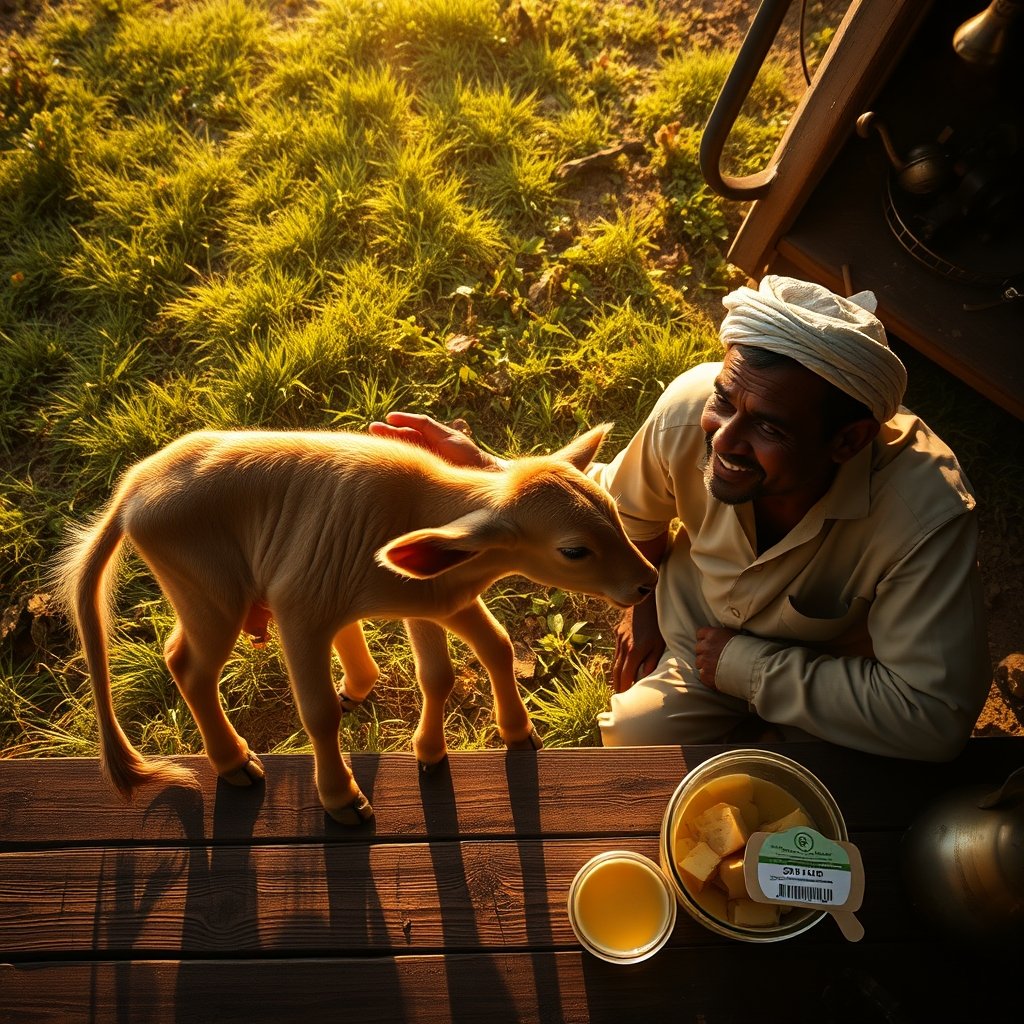 Why We Let Calves Drink First
Discover why allowing the calf to feed first is the cornerstone of ethical A2 dairy. Learn how this…
-
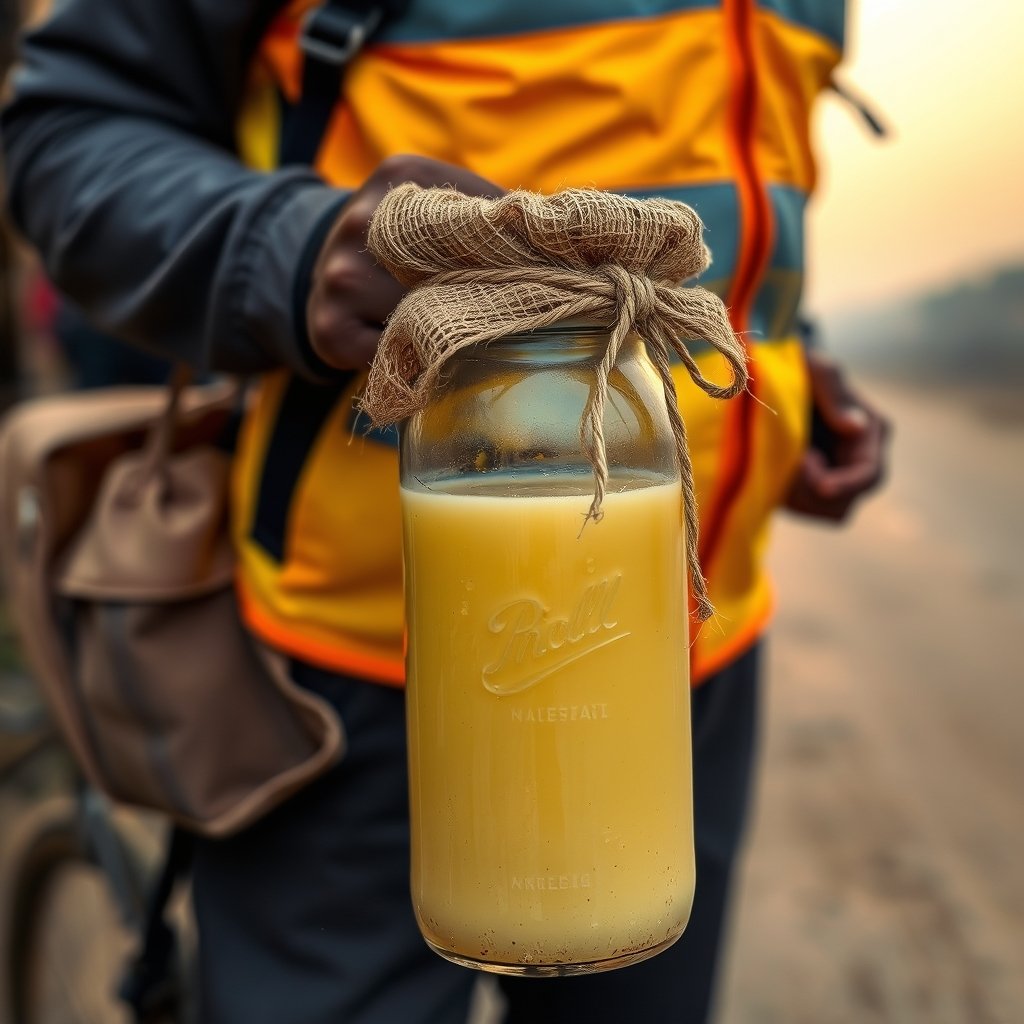 Ghee Delivery in Delhi NCR: From Churn to Doorstep
Ghee home delivery in Delhi NCR moves fresh bilona glass jars directly from rural farm fulfillment points to…
-
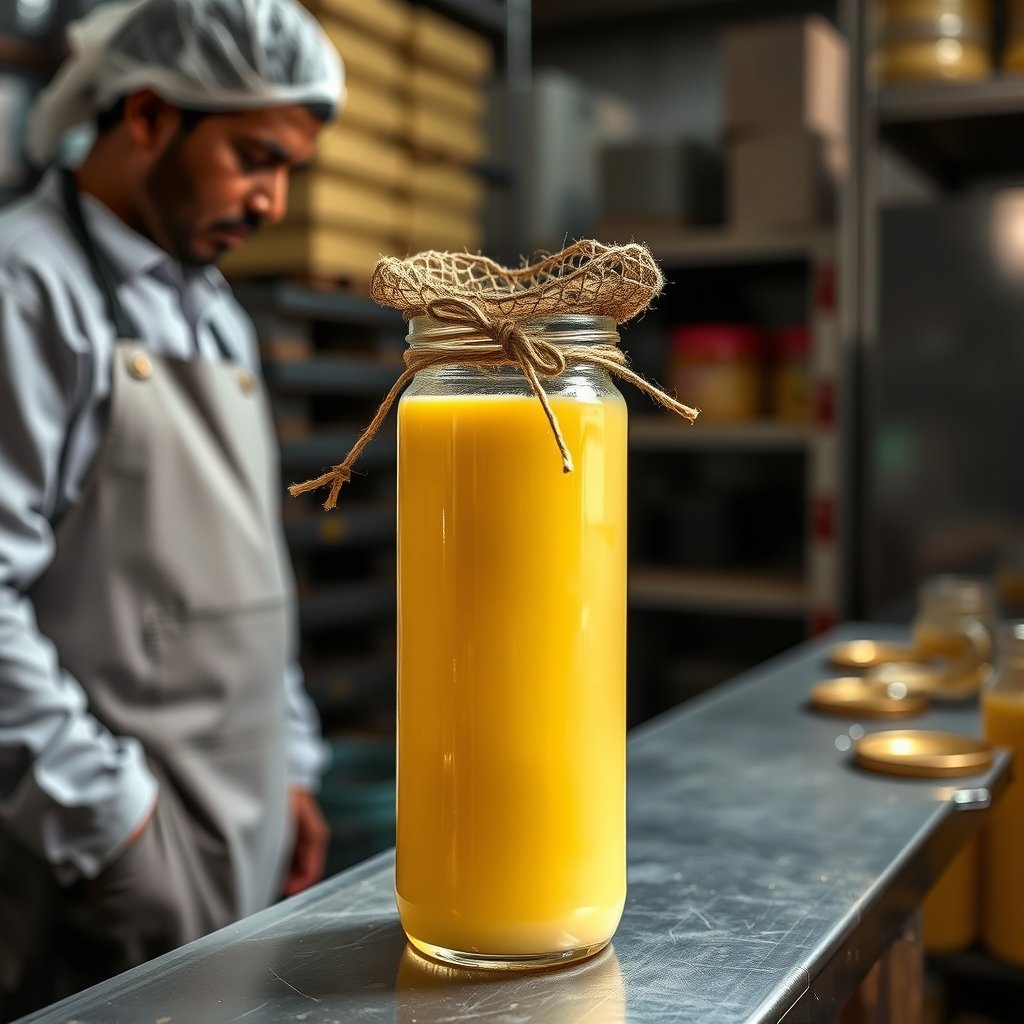 Bulk A2 Ghee Supplier in Delhi: What to Ask First
Before hiring a bulk A2 ghee supplier in Delhi, ask how cows are maintained, how butter is churned, how jars…
