
Ghee vs Olive Oil: Why Smoke Point Matters More Than You Think
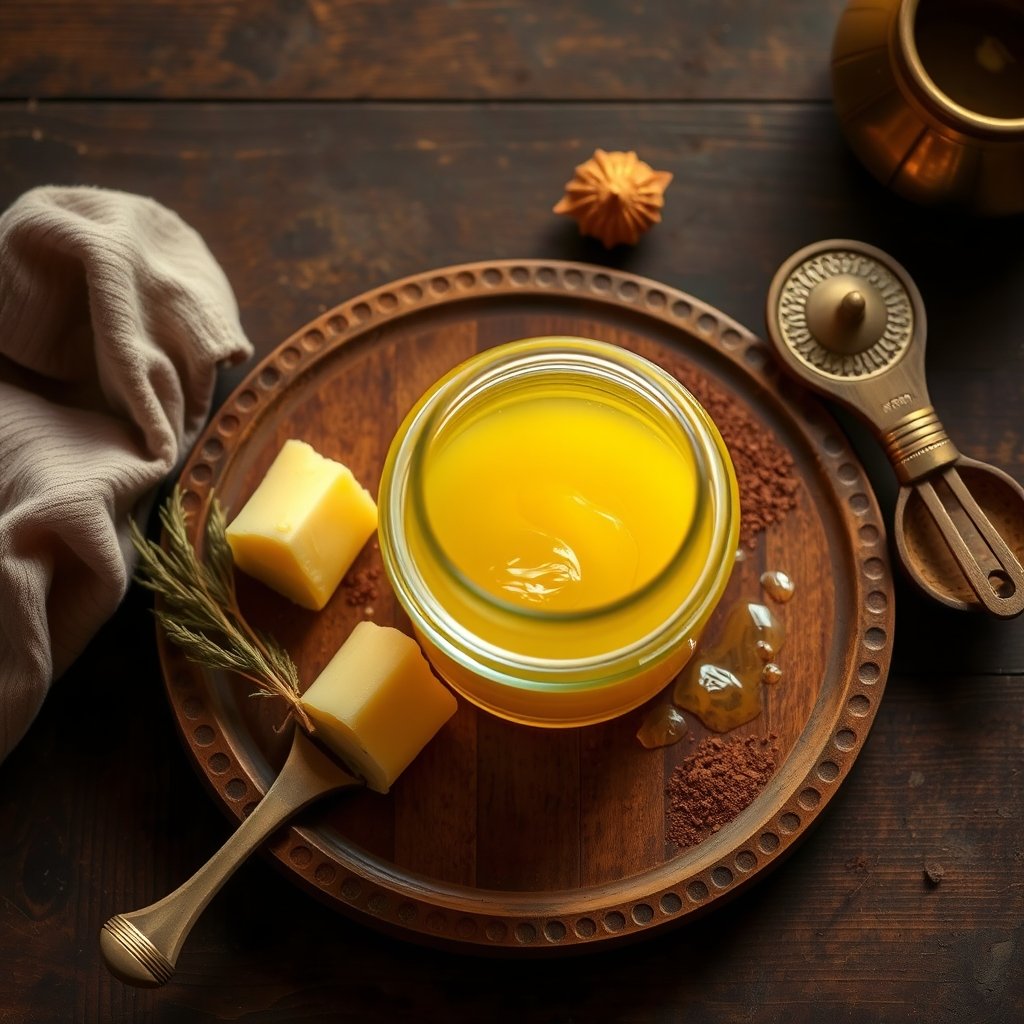
When comparing ghee and olive oil for kitchen use, ghee is best suited for high-heat cooking like pan-frying, roasting, and Indian tadka due to its high smoke point of approximately 250°C (482°F), while olive oil—particularly extra virgin olive oil—has a lower smoke point around 190°C (375°F) and performs best in gentle sautéing, raw dressings, and finishing dishes.
Choosing between these two prized fats often comes down to how you plan to apply heat in your skillet or handi. While both fats hold an honored place in regional culinary histories—ghee across the Indian subcontinent and olive oil across the Mediterranean—their physical behavior on a hot stove is fundamentally different. Understanding these differences helps you preserve the natural flavor, aroma, and integrity of your ingredients every time you cook.
What Is Smoke Point and Why Does It Matter in Your Kitchen?
The smoke point of a cooking fat is the exact temperature at which it stops shimmering and begins to visibly burn and break down. When fat passes its smoke point, it releases volatile smoke and compounds that impart a harsh, burnt aroma to your kitchen and a bitter flavor to your food. Beyond altering the taste of a meal, burning fat causes its natural structure to degrade, stripping away the fresh qualities that made the fat appealing in the first place.
In daily Indian cooking, heat plays a central role. Seeds crackle, spices bloom, and flours slowly toast over direct stovetop flames. Using a fat with an inadequate smoke point during these intense heat applications leads to acrid smoke in the kitchen and scorched spices in your pan. Paying attention to smoke points is not a minor technical detail; it directly governs how spices release their natural oils and how your final dish tastes at the dining table.
2>How Do Ghee and Olive Oil Compare Under High Heat?Ghee achieves its high heat resistance through its clarification process. When pure whole milk from A2 Gir cows is cultured into curd and hand-churned using the traditional bilona method, the resulting butter contains milk fats, water, and tiny milk solids. As this butter is slowly simmered over a gentle flame, all residual moisture evaporates, and the milk solids settle to the bottom where they caramelize and are strained away. What remains is a clear, deep golden fat comprised almost entirely of heat-stable lipids. Because there are no lingering moisture droplets or delicate protein solids left to scorch, bilona ghee comfortably withstands high stovetop temperatures without smoking or breaking down.
Extra virgin olive oil, by contrast, is cold-pressed directly from fresh olives without heat or chemical refining. This gentle extraction retains tiny plant particles, natural water, and subtle compounds that give olive oil its signature fruity, peppery profile. However, these delicate organic elements scorch quickly when subjected to high skillet heat. While olive oil excels when drizzled cold over salads, tossed with warm vegetables, or used for low-heat cooking, it is ill-suited for high-heat roasting, deep frying, or hot oil tempering.
What Are the Key Differences Between Ghee and Olive Oil?
To help you decide which fat to reach for during meal preparation, here is a quick side-by-side comparison of their physical properties and culinary roles:
| Property | A2 Gir Cow Bilona Ghee | Extra Virgin Olive Oil |
|---|---|---|
| Smoke Point | High (~250°C / 482°F) | Medium-Low (~190°C / 375°F) |
| Best Cooking Uses | Tadka, high-heat roasting, searing, frying, baking | Salad dressings, cold drizzling, light sautéing |
| Flavor Profile | Nutty, rich, deeply aromatic curd-churned notes | Fruity, grassy, peppery, slightly bitter |
| Water & Solid Content | Virtually zero moisture or milk protein solids | Contains trace plant particles and natural water |
| Culinary Heritage | Ayurvedic traditions and Indian home cooking | Mediterranean traditional coastal cuisine |
When Should You Choose Ghee Over Olive Oil in Everyday Meals?
Reach for A2 Gir cow ghee whenever your cooking involves direct high heat or traditional spice blooming. When tempering whole cumin, mustard seeds, curry leaves, and dried red chillies for a lentil dal or vegetable sabzi, ghee acts as a stable fat medium. It absorbs the aroma from the spices without burning, carrying those warm flavors evenly throughout the dish. Ghee is also ideal when roasting root vegetables, searing paneer to a golden finish, or slowly toasting semolina and besan for traditional sweets.
Reserve extra virgin olive oil for cold or low-heat applications where its raw olive flavor can shine without thermal damage. Drizzling over warm lentil soups just before serving, whisking into simple dressings, or lightly tossing with steamed green vegetables allows you to enjoy olive oil at its best without exposing it to high stovetop temperatures.
How Does Ayurveda View Fat Choice in Daily Meals?
In Ayurvedic traditions, fat is considered an essential dietary element (snehana) that carries spice qualities into foods and supports steady digestion (agni). Ayurveda places special emphasis on traditionally prepared ghee—specifically fat derived from cultured curd of indigenous A2 Gir cows. Because cultured bilona ghee is prepared through gentle fermentation and slow simmering, it is regarded in Ayurvedic thought as a soothing, balancing element suitable for daily home meals.
While olive oil is widely appreciated as a wholesome plant fat, traditional Indian kitchen wisdom relies on ghee because of its unique capacity to anchor warming spices like turmeric, ginger, black pepper, and asafoetida. By pairing these vibrant spices with a heat-stable fat, cultured bilona ghee brings balance, rich mouthfeel, and deep aroma to every home-cooked meal.