
Can You Deep Fry in Ghee?
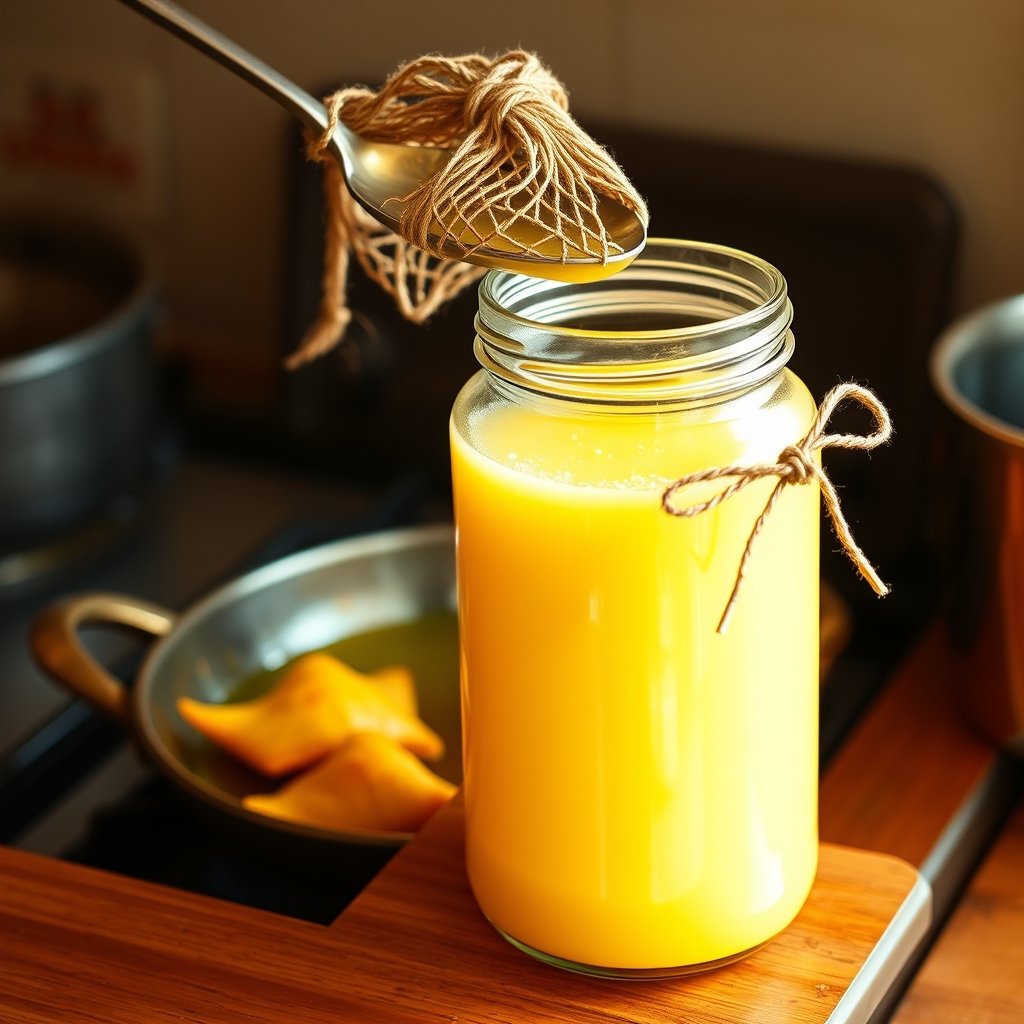
Yes, you can deep fry in ghee because its high smoke point—around 250°C (482°F)—allows it to handle high frying temperatures without burning, smoking prematurely, or breaking down easily. Long before refined vegetable oils became widespread in modern Indian kitchens, traditional halwais and home cooks used ghee to fry everything from festive puris and kachoris to rich sweets like gulab jamun and gujiya.
Why Does Ghee Work So Well for Deep Frying?
The main reason ghee handles high heat so effectively lies in how it is made. During the traditional bilona process, milk from A2 Gir cows is cultured into curd and hand-churned to yield butter. As this butter is gently melted and simmered over a low flame, all the moisture evaporates, and the milk solids settle to the bottom and caramelize. Once these solids are strained out, what remains is pure milk fat.
Because the moisture and loose proteins are removed during clarification, there is nothing left in the jar to burn at moderate temperatures. Butter, by contrast, contains water and milk solids that turn dark and bitter at around 150°C. Ghee’s elevated smoke point makes it one of the most heat-stable fats available in Indian kitchens, providing a steady medium for crisping doughs and frying batters.
How Does Deep Frying in Ghee Compare to Refined Oil?
Choosing between ghee and refined oil for deep frying comes down to flavour, heat stability, and the type of dish you are preparing. Refined oils are neutral, whereas cultured A2 bilona ghee imparts a deep, nutty aroma and a rich golden shade to fried foods.
| Feature | A2 Bilona Ghee | Refined Cooking Oil |
|---|---|---|
| Smoke Point | Around 250°C (482°F) | Around 200°C–230°C (390°F–446°F) |
| Flavour Profile | Rich, nutty, traditionally aromatic | Neutral, thin, flat |
| Texture Effect | Crisp crust with tender interior | Crisp, but can feel oily if heat drops |
| Storage After Frying | Solidifies at room temperature | Remains liquid |
| Best For | Festival sweets, puris, kachoris | Everyday quick frying, neutral batters |
In Ayurvedic culinary traditions, ghee is valued for its warm, grounding nature and its ability to balance spices during the cooking process. When dough or batter hits hot ghee, the surface seals quickly, creating a crisp outer shell while keeping the inside tender and moist without soaking up excess fat.
Which Indian Dishes Taste Best Deep Fried in Ghee?
While you can technical fry any dish in ghee, it is especially suited for classic Indian preparations where the flavour of the frying fat plays a central role in the final dish:
Festival Sweets: Sweets like gulab jamun, balushahi, gujiya, malpua, and imarti rely heavily on ghee for their signature aroma. Frying them in refined oil often leaves a pale, greasy taste that masks the subtle flavours of cardamom, saffron, and sugar syrup.
Festive Savouries: Halwai-style puris, khasta kachoris, mathris, and shakarpara cooked in ghee retain their crisp texture longer and carry a distinct, rich fragrance that oil simply cannot replicate.
Festive Snacks: During festivals like Diwali or Holi, frying doughs in pure bilona ghee gives snacks an authentic taste that recalls traditional village kitchens where large iron kadhais were kept hot on wood fires.
How Should You Reuse Ghee After Deep Frying?
Because ghee is stable at high temperatures, you do not have to discard it after a single round of frying. However, proper care is required to keep your remaining ghee clean and sweet for future cooking.
First, allow the hot ghee in your kadhai to cool down until it is warm but still liquid. Pass it through a fine mesh strainer lined with a clean muslin cloth or cheesecloth into a clean glass jar. This step removes stray dough particles, flour dust, or sweet crumbs that could char and ruin the fat if reheated later.
Store this strained, used ghee in a separate glass jar rather than pouring it back into your primary jar of fresh ghee. Use it within a few weeks for everyday cooking, such as tempering dals, searing roti, or sauteing vegetables. If you notice any burnt odor, dark discoloration, or sharp sourness, it is time to discard that batch.
What Best Practices Keep Your Ghee Clean During Frying?
To get the best results when deep frying with Organic Farmz A2 Gir Cow Ghee, keep your flame medium to medium-high. Avoid letting the kadhai smoke heavily, as extreme temperature over long periods will eventually degrade even stable fats. Dust off excess raw flour from doughs like puris or kachoris before slipping them into the hot ghee, as loose flour settles at the bottom and burns quickly. Frying in smaller batches also helps maintain a constant temperature, ensuring your food cooks evenly and absorbs minimal fat.