
Ghee vs Coconut Oil: Flavour, Heat and Cost
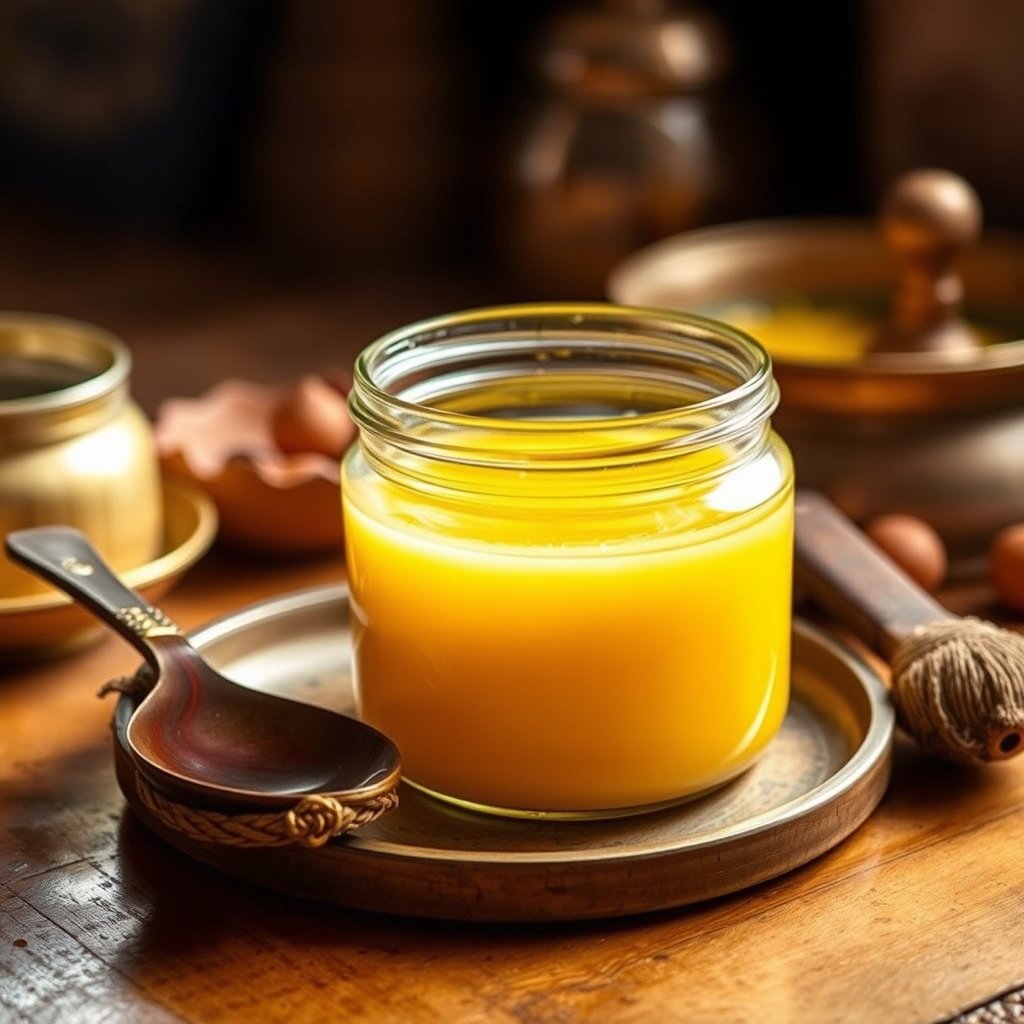
Choosing between ghee and coconut oil comes down to how their distinct natural flavours interact with spices, how much heat they can tolerate during cooking, and the stark difference in how each fat is extracted.
While both are staples in traditional Indian kitchens, they behave differently in the pan. A2 Gir cow ghee offers a deep, nutty warmth that melds quietly into pulses, grains, and spices. Cold-pressed coconut oil brings a pronounced sweet, tropical aroma that defines coastal cooking. Understanding how flavour, heat tolerance, and production methods set them apart helps you decide when to reach for the jar of ghee and when to pour the coconut oil.
How Do Their Flavours Compare in Daily Cooking?
The primary difference you notice on the plate is how each fat interacts with your ingredients. Traditional bilona ghee, made from cultured curd of A2 Gir cow milk, carries a nutty, slightly sweet aroma with subtle caramelized notes. Because its curd-derived solids are gently toasted and strained away during slow heating, ghee enhances spices without overwhelming them. When you bloom cumin seeds or dry red chillies in warmed ghee for a dal tadka, the ghee absorbs the essential oils of the spices and distributes them evenly throughout the dish.
Cold-pressed virgin coconut oil, by contrast, retains the strong, fresh aroma of raw coconut meat. In regional coastal dishes—such as a Kerala thoran, a spicy fish curry, or vegetable stew—this bold coconut scent is an essential part of the dish identity. It pairs beautifully with mustard seeds, fresh curry leaves, and green chillies. However, if used in delicate North Indian dishes, sweet halwas, or light vegetable sautés, coconut oil distinct aroma can easily dominate the gentle spices you are trying to highlight. For dishes where you want a rich background warmth rather than a coconut note, ghee is usually the preferred choice.
Which Fat Handles Heat Better on the Stove?
Heat tolerance is an important factor when selecting a cooking fat, especially for traditional Indian techniques like tempering, deep frying, and high-heat roasting. Ghee has one of the highest smoke points among natural cooking fats, reaching approximately 250°C (482°F). This high thermal stability comes from the traditional clarification process: by churning butter from curd and slowly simmering it, water evaporates and milk solids separate completely. The clear fat left behind can withstand high stove temperatures without scorching, smoking, or developing bitter off-flavours.
Unrefined or cold-pressed coconut oil has a lower smoke point of around 177°C (350°F). It is well-suited for medium-heat cooking, gentle simmering, quick vegetable stir-fries, and baking. If heated to high temperatures required for deep frying or intense spice tempering, unrefined coconut oil can begin to smoke quickly. Refined coconut oil handles higher heat, but the refining process removes its characteristic coconut aroma. For high-heat frying, searing, or crisping flatbreads like parathas, A2 Gir cow ghee remains much more stable on the flame.
Why Is There a Difference in Cost Between Ghee and Coconut Oil?
If you have compared prices on kitchen shelves, you will notice that traditional A2 Gir cow bilona ghee costs significantly more per jar than coconut oil. This price difference stems directly from the raw materials and labor required for production.
Making one litre of authentic bilona ghee requires approximately 25 to 30 litres of pure A2 milk from indigenous Gir cows. The process is labor-intensive and steeped in time: whole milk is boiled, set into curd overnight, churned bi-directionally with a wooden bilona to yield makkhan, and then gently melted over low heat until golden clear fat separates. Gir cows yield modest amounts of milk compared to commercial crossbred cattle, making A2 milk a precious resource.
Coconut oil production, while demanding in its own right, has a higher natural fat yield per raw material. Pressing dried coconut meat (copra) or extracting fat from fresh coconut milk requires fewer processing steps than converting liquid dairy milk through fermentation and churning. The lower cost of raw coconut meat combined with direct pressing techniques makes coconut oil more economical to produce in volume.
How Are They Used in Traditional Cooking and Ayurveda?
Both ghee and coconut oil hold respected places in Indian culinary history and Ayurvedic traditions, though their applications reflect different energetic qualities and regional geography.
Ayurveda classifies A2 cow ghee (ghrita) as a nourishing fat that balances Pitta and Vata doshas. It is prized as an anupana—a traditional vehicle that carries the qualities of herbs and spices deep into food. Because of its sweet (madhura) post-digestive nature, ghee has been used for centuries to warm grain dishes, enrich lentil soups, and grease handmade flatbreads across the subcontinent.
Coconut oil is traditionally viewed as cooling (sheeta) in nature, making it ideal for hot coastal environments where coconut palms flourish natively. In southern and western coastal regions of India, coconut oil forms the foundation of daily cooking, valued for its soothing quality and rich mouthfeel.
How Do Ghee and Coconut Oil Compare at a Glance?
Here is a quick overview of how these two traditional fats compare across core kitchen criteria:
| Feature | A2 Gir Cow Bilona Ghee | Cold-Pressed Coconut Oil |
|---|---|---|
| Flavour Profile | Nutty, rich, subtle caramelized notes; blends seamlessly with all spices. | Strong coconut aroma and sweet nuttiness; distinct coastal character. |
| Smoke Point | High (approx. 250°C / 482°F); ideal for high-heat cooking and tadka. | Moderate (approx. 177°C / 350°F); best for low to medium heat. |
| Production Process | Milk turned to curd, hand-churned bilona makkhan, slow-simmered over low flame. | Cold-pressing dried coconut meat (copra) or fresh coconut milk. |
| Ayurvedic Quality | Warming, nourishing, Pitta-Vata balancing, prized vehicle for spices. | Cooling (sheeta), soothing, naturally suited for warm, coastal regions. |
| Relative Cost | Higher; requires 25–30L of A2 Gir cow milk per litre of ghee. | Moderate; direct oil extraction from fat-rich coconut flesh. |
Which Should You Keep in Your Pantry?
Rather than choosing one exclusively, many Indian homes keep both fats in their kitchen for different purposes. Use A2 Gir cow ghee for daily lentil temperings, spooning over warm khichdi or rice, searing rotis, roasting festive sweets, and dishes where you want spices to take center stage. Reach for cold-pressed coconut oil when preparing traditional coastal curries, vegetable stir-fries with fresh curry leaves, or recipes where coconut flavour naturally belongs.