
New Kitchen Essentials: Ghee Replaces Cooking Oils
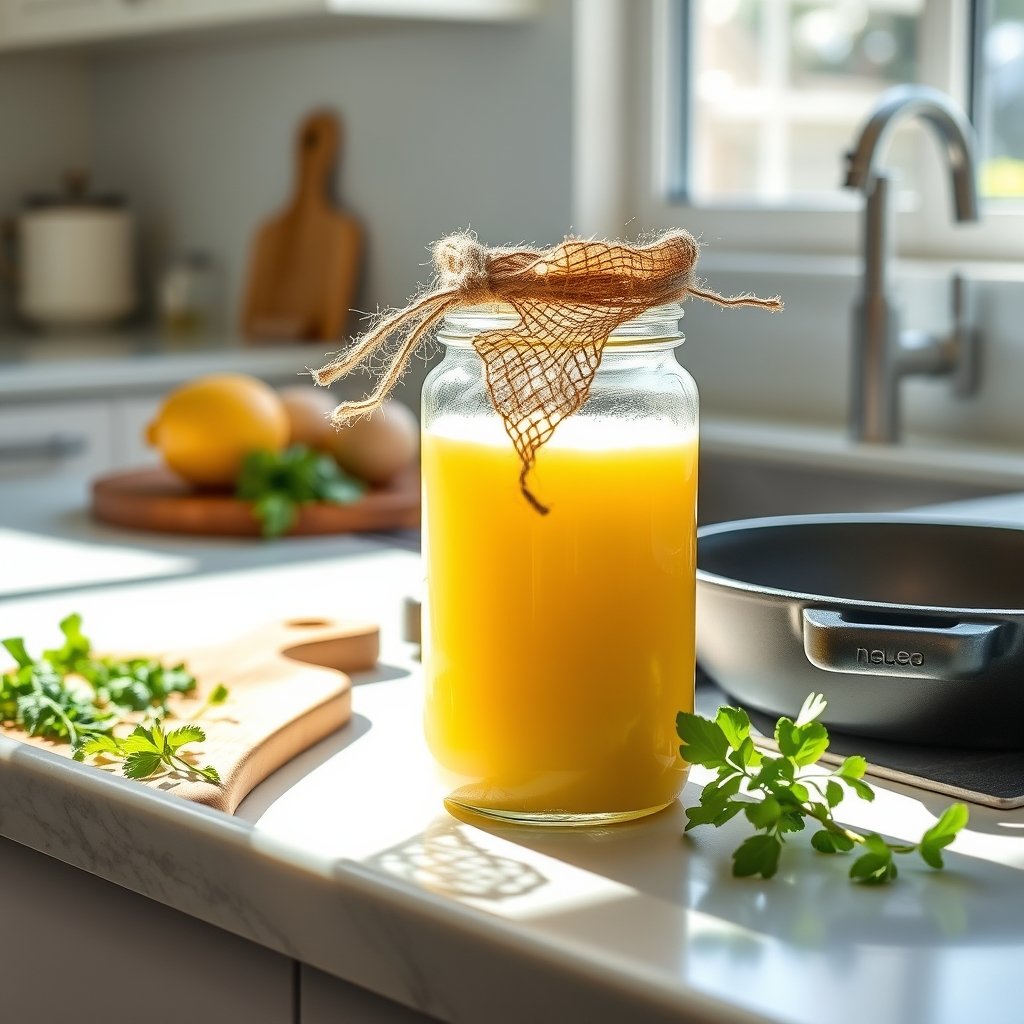
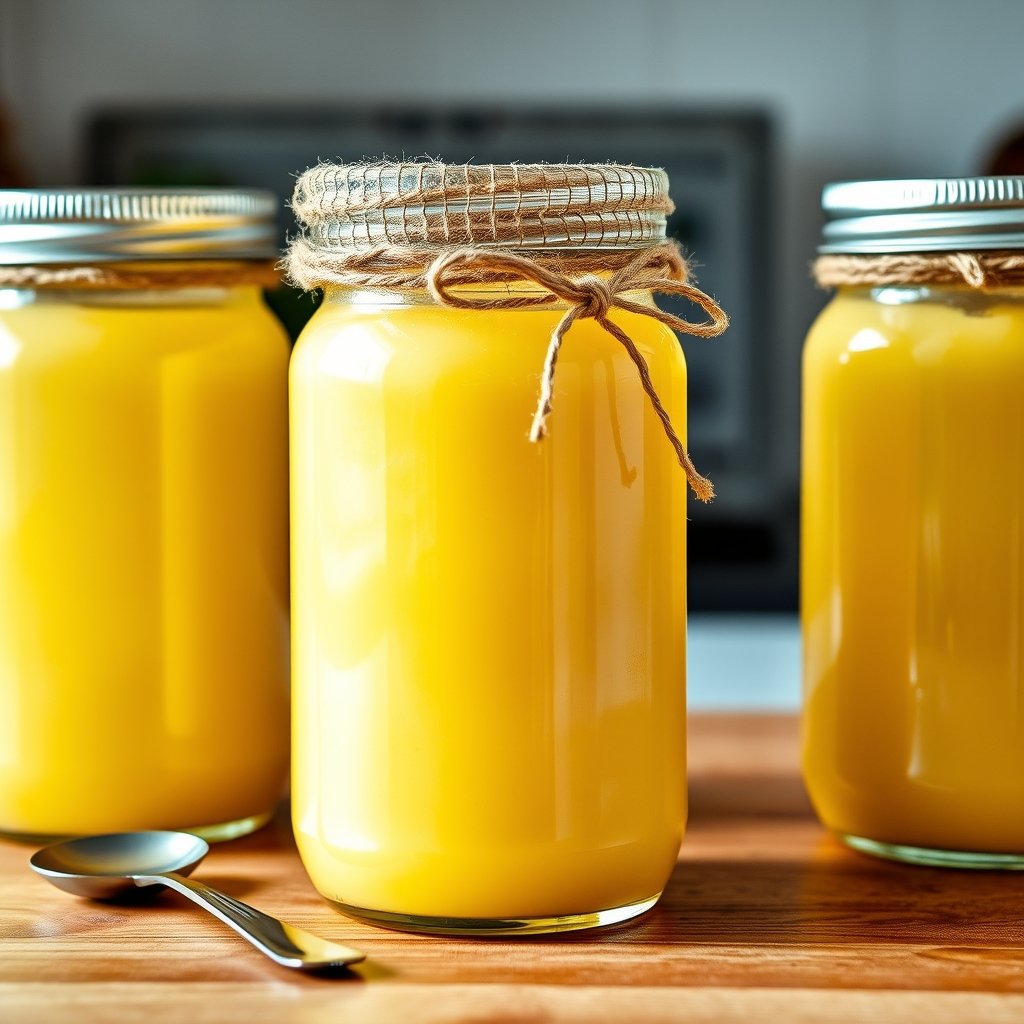
A single jar of traditional A2 Gir cow bilona ghee belongs on your countertop alongside essential spices because it serves as both an everyday cooking fat and a finishing condiment. Setting up a new kitchen often leads to over-purchasing specialized oils, spreads, and baking fats that sit half-used in cabinets. When you start with a minimalistic Indian pantry, a well-made cultured ghee handles high-heat tempering, light pan-roasting, grain topping, and dough kneading without requiring four separate bottles.
What fat should you buy first for a new kitchen?
When stocking a kitchen from scratch, you should purchase one stable cooking oil for heavy pan-frying alongside one 500ml glass jar of cultured A2 bilona ghee for daily home meals. Before buying specialized condiments or secondary baking fats, your primary pantry core requires coarse salt, ground turmeric, whole cumin, red chili powder, mustard seeds, and a resilient fat that does not spoil at ambient room temperatures. A2 Gir cow ghee, prepared using the traditional bilona method of culturing whole milk into curd, churning it slowly with a wooden churner, and gently heating the solid butter fat, provides deep aroma and long-term stability. It offers immediate utility for morning parathas, lunch dal tempering, and evening rice bowls without taking up precious refrigerator space or cluttering small counters.
How does a single jar of bilona ghee replace multiple products?
A jar of authentic bilona ghee replaces table butter, processed spreads, finishing drizzle oils, and specialized high-heat frying fats in your initial kitchen setup. Because the curd-churning process removes liquid buttermilk and milk solids, cultured ghee possesses a naturally high smoke point near 250°C (482°F), making it far more stable on a hot stovetop than raw butter or unrefined finishing oils. A single half-teaspoon dollop enriches hot khichdi, lentils, or steamed millets, eliminating any need for commercial butter blocks. When roasting rava for halwa, besan for ladoos, or whole spices for a fresh garam masala, bilona ghee coats grains evenly and imparts a distinct grainy texture and warm nutty fragrance. In sweet and savory baking, it acts as a shortening agent, producing flaky mathris and tender nankhatai biscuits without requiring hydrogenated vegetable fats.
Our cows are not use and throw
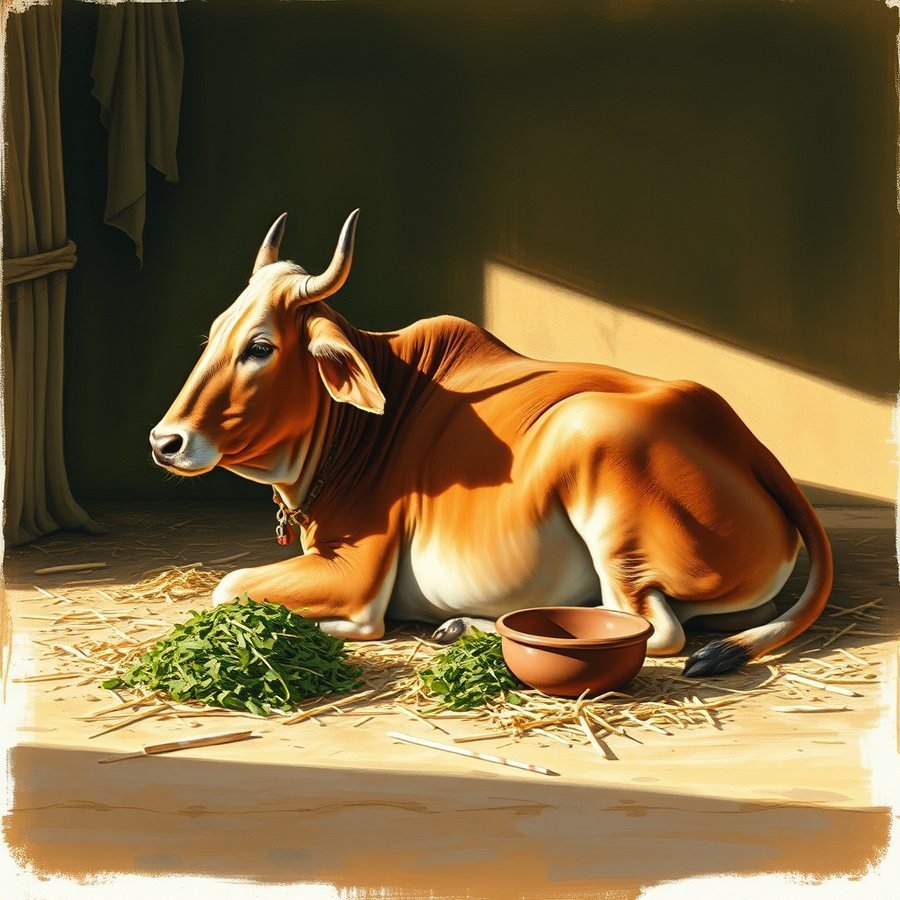
A cow that stops giving milk is still our cow. She stays on the farm, with the same feed, the same shed and the same medical care she had when she was milking. We do not sell her on and we do not let her go. That is the whole basis of the ghee we make — you cannot ask an animal for her milk and then abandon her for it.
Our mission goes further than our own herd. There are cows on the street who are injured every day, who eat plastic, who cry through the night with nobody coming. We want to take them in. The plan is a chain of Organic Farmz gaushalas in several places, so that help is not one shed in one city but something a hurt animal can actually reach.
This takes more than we can carry alone — land, fodder, vets, hands. Come and join our initiative. Anything you give goes to feed, treat and shelter these cows.

Scan with any UPI app
Bank transfer
- Account name Organic Farmz
- Bank Indian Bank
- Account number 8133177322
- IFSC code IDIB000K555
- UPI ID organicfarmz@ptaxis
On a phone, the button above opens your UPI app directly — a QR on the screen you are reading cannot be scanned by that same screen. On a laptop, scan the code with your phone instead.
What is the difference between bilona ghee and regular cooking oils in a new kitchen?
Understanding how traditional bilona ghee compares to conventional refined seed oils helps you organize your new kitchen cabinets efficiently.
| Feature | Traditional A2 Bilona Ghee | Refined Commercial Seed Oils |
|---|---|---|
| Preparation Method | Cultured curd churned with wooden bilona and melted slowly | Chemical solvent extraction and high-heat refining |
| Smoke Point | High (~250°C / 482°F), resistant to burning | Variable, degrades quickly under repeat heating |
| Storage Requirement | Pantry shelf in dry glass or stainless steel | Pantry shelf, sensitive to oxidation once opened |
| Culinary Role | Tempering fat, condiment, grain roaster, dough binder | Neutral frying medium, minimal distinct aroma |
What kitchen items should you avoid over-buying at the start?
You should avoid buying giant 5-litre plastic tins of oil, multiple flavored boutique oils, hydrogenated margarine spreads, and excessive pre-mixed spice sauces during your first month. Large containers of oil undergo gradual oxidation every time the seal is opened, especially in warm, humid Indian kitchens. Similarly, soft dairy butter blocks require continuous cold refrigeration and spoil quickly if left on the counter during hot afternoons. Buying smaller, versatile portions—such as a 500ml glass jar of hand-churned A2 Gir cow ghee—allows you to observe your household's true cooking volume before committing to bulk storage. By avoiding unnecessary single-purpose kitchen products, you keep your workspace clear, save pantry shelf space, and reduce hidden food waste.
How should you store your primary ghee jar on the counter?
Store your daily ghee in a clean stainless steel ghee dani or a heavy glass jar kept away from stove steam and direct sunlight. Traditional bilona ghee remains completely shelf-stable at room temperature for up to a year because the traditional simmering process eliminates all moisture and residual milk proteins. To maintain its granular texture and sweet aroma, always use a completely dry metal spoon whenever scooping fat from the jar. Introducing even a drop of tap water or stray wet food particles can trigger spoilage in natural fats. Keeping a smaller 200ml container right beside your spice box (masala dani) allows quick access for morning phulkas and evening tadkas, while keeping the main reservoir sealed in a dark, cool pantry cupboard.
Taste the difference
Small-batch A2 Gir cow ghee, hand-churned to order and delivered across India. Read how we make it if you want the detail first.
Order a jarKeep reading
-
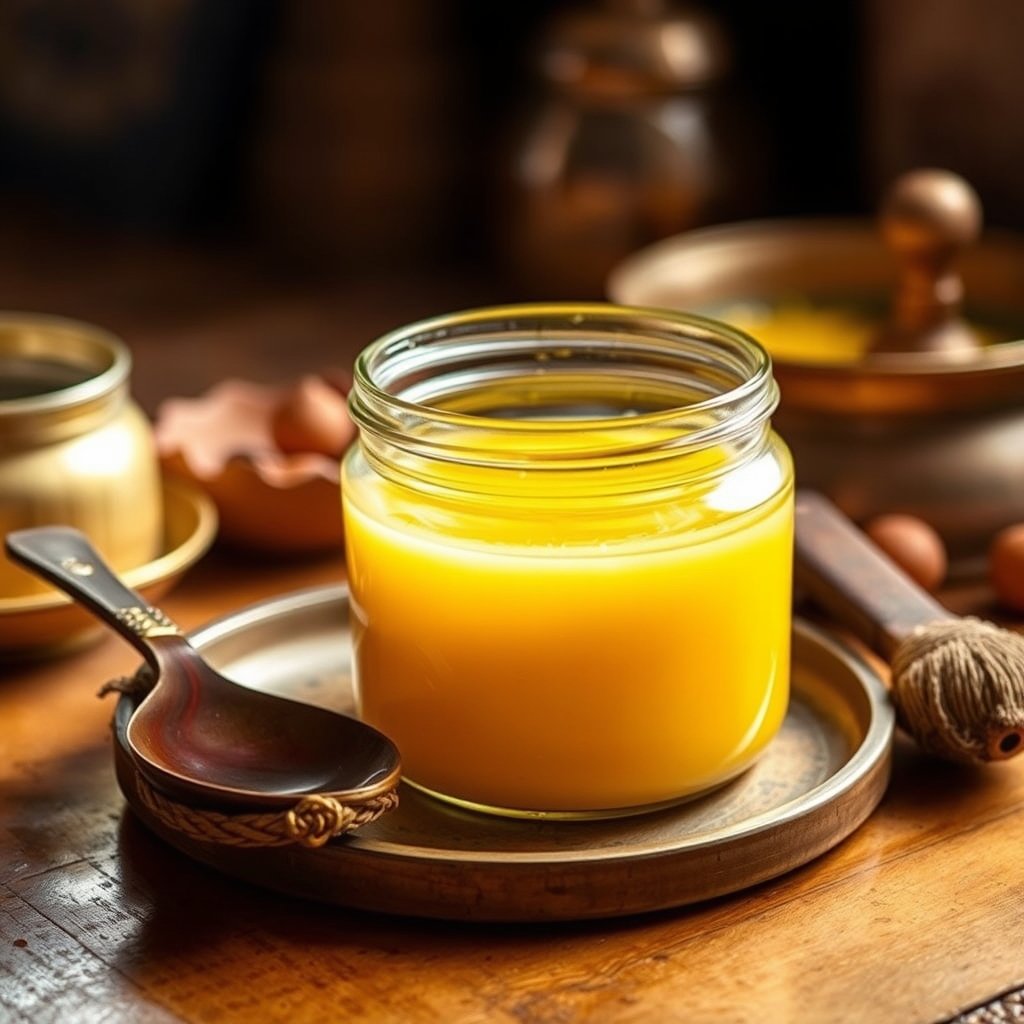 Ghee vs Coconut Oil: Flavour, Heat and Cost
A practical guide comparing A2 Gir cow ghee and cold-pressed coconut oil across flavour profiles, stove heat…
-
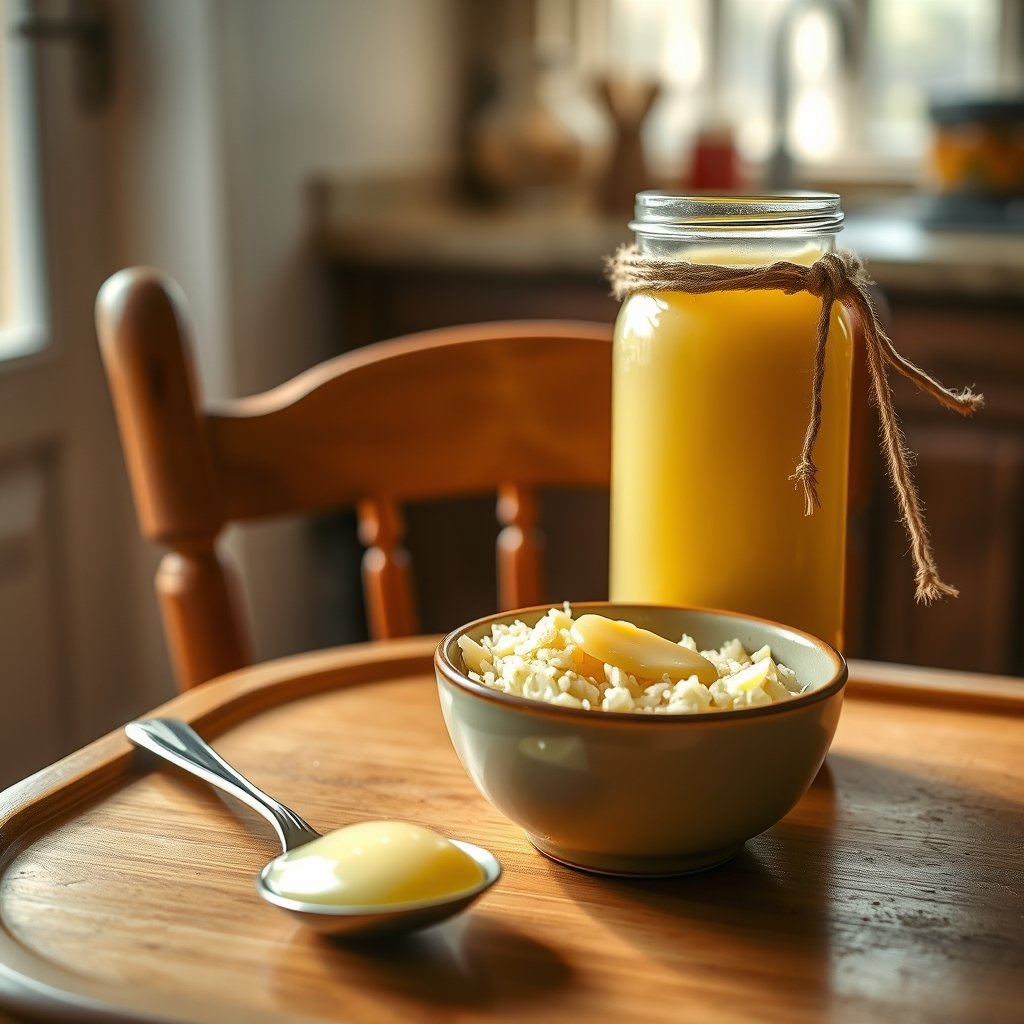 Choosing Ghee for a Toddler: Pick Fresh Bilona
Choose cultured A2 bilona ghee packed in small glass jars for a toddler kitchen to ensure mild sweetness…
-
 Ghee for Joint Family: Rotate 1-Litre Glass Jars
Buying ghee for a joint family works best with monthly one-litre jars rather than large bulk tins, keeping…
