
Ghee vs Mustard Oil: Which for Which Dish
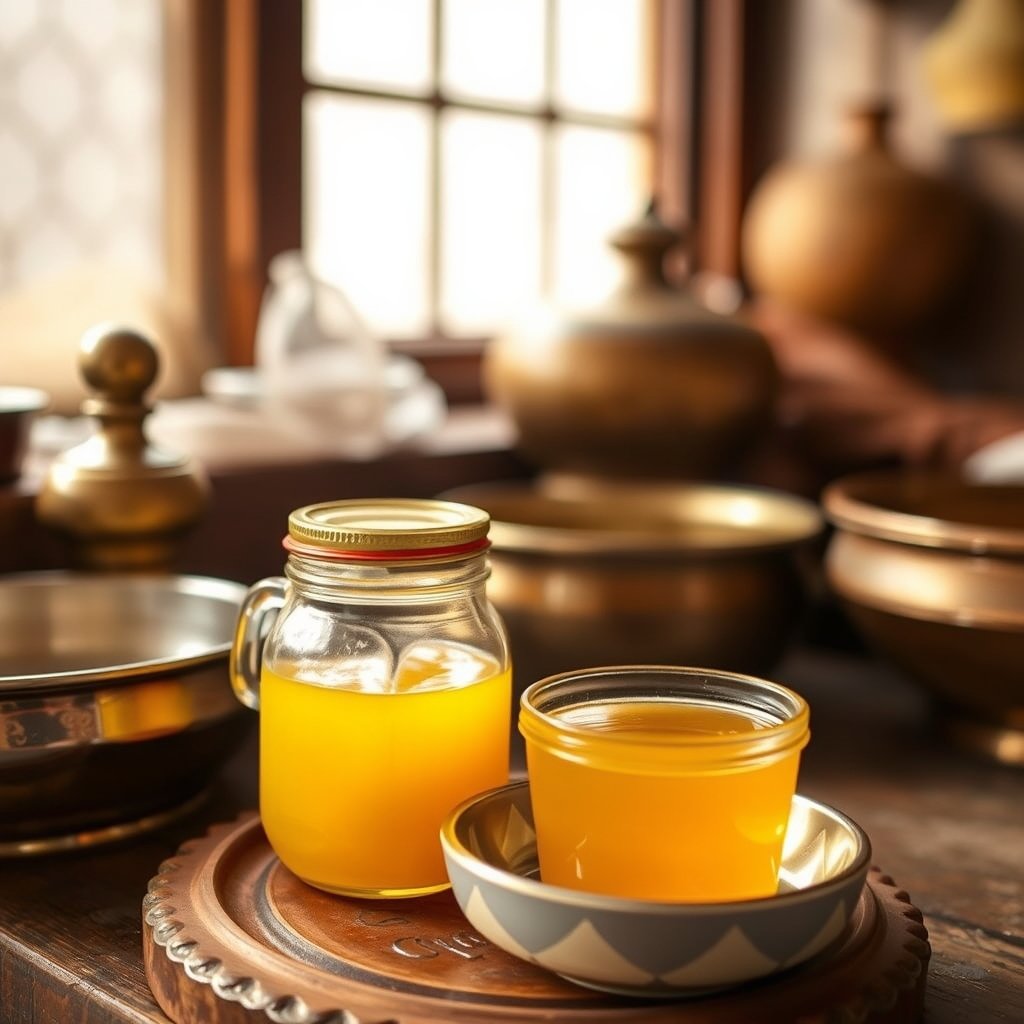
Ghee is ideal for sweet dishes, mild dals, fragrant rice, and delicate tempering, whereas mustard oil is best suited for pungent regional curries, mustard-paste preparations, high-heat vegetable stir-fries, and traditional pickles.
In Indian kitchens, choosing between ghee and mustard oil is rarely about finding a single universal cooking fat. Instead, home cooks rely on how each fat interacts with heat, spice powders, and raw ingredients. A2 Gir cow ghee made through the traditional bilona method brings a rich, nutty sweetness with gentle caramel undertones. Raw, cold-pressed mustard oil offers a sharp, peppery bite that cuts through heavy gravies and dense root vegetables. Understanding where each fat excels helps you build balanced flavor layers in daily cooking.
How Do Their Flavor Profiles and Cooking Properties Differ?
The primary difference between ghee and mustard oil lies in their chemistry and flavor intensity. Pure A2 Gir cow bilona ghee is crafted by boiling whole milk, setting curd, churning it with a two-way wooden bilona to collect butter, and slowly simmering that butter into ghee. This traditional process removes water and milk solids while preserving a soft, roasted aroma. Ghee handles high cooking temperatures gracefully without burning, making it steady and dependable in hot pans.
Mustard oil, pressed directly from mustard seeds, contains volatile compounds that give it a characteristic sharp aroma and lingering pungency. Unlike ghee, which can be added directly into a lukewarm dish or stirred raw over steaming rice, cold-pressed mustard oil usually needs to be heated in the pan until it reaches a gentle smoke point. Heating mellows its harsh bite into a rich, complex, peppery undertone that grounds dark gravies and earthy legumes.
Which Cooking Fat Belongs in Which Dish?
To choose the right option quickly while cooking, consider this quick comparison of their physical traits and best culinary uses:
| Property / Best Use | A2 Gir Cow Bilona Ghee | Cold-Pressed Mustard Oil |
|---|---|---|
| Flavor Profile | Nutty, gentle, sweet-smelling, comforting | Sharp, pungent, earthy, bold peppery bite |
| Heat Behavior | Ready to use immediately; does not scorch easily | Best heated to smoking point first to soften raw pungency |
| Classic Dish Pairings | Dal tadka, khichdi, sooji halwa, paratha finishing, biryani rice | Sarson ka saag, mustard fish curry, bharta, achari gravies, pickles |
| Seasonal Fit in Ayurveda | Cooling and soothing; balanced year-round for all doshas | Warming and active; particularly suited for cold seasons and Kapha balancing |
When Should You Reach for Mustard Oil?
Mustard oil is the foundation of many regional cuisines across Eastern, Northern, and North-Eastern India. Its natural sharpness pairs exceptionally well with ingredients that need structure or a fiery background note. For instance, Bengali fish preparations like Shorshe Ilish or Machher Jhol rely on the pungent synergy between raw mustard paste and warm mustard oil.
In North Indian winter cooking, mustard oil is irreplaceable when preparing sarson ka saag (mustard greens) or baingan bharta (roasted eggplant mash). The earthy bitterness of leafy greens and the smoky char of roasted eggplant absorb the oil's heat, turning sharp notes into a savory depth. Mustard oil is also essential for Indian pickling because its natural compounds help preserve sun-dried mangoes, lime, and chili over months without spoiling.
When Does A2 Gir Cow Bilona Ghee Shine Best?
A2 Gir cow bilona ghee excels wherever you want to highlight subtle floral spice notes, rich grain textures, or gentle sweetness. Because bilona ghee is prepared from curd-churned butter, it carries a deep milk flavor that rounds off harsh spices without overpowering them. When poured over a hot bowl of arhar dal or mixed into steaming khichdi, ghee releases aroma instantly through warm steam.
Ghee is also mandatory for traditional sweets. Festive dishes like besan laddoos, wheat flour halwa, and panjiri require flour to toast slowly over low heat. Bilona ghee conducts heat evenly across the pan, preventing flour from scorching while coaxing out a golden, roasted color. Beyond sweets, ghee is the preferred choice for finishing griddle breads like roti and paratha, keeping dough tender long after cooking.
How Does Ayurveda View Ghee and Mustard Oil?
In Ayurvedic principles, foods are chosen based on their energy (virya) and their effect on internal balance. Ghee is considered sheeta (cooling in energy) and deeply soothing. It is held in high regard because it supports smooth digestion without fanning excessive heat in the stomach, making it suitable for year-round use across Vata and Pitta constitutional types.
Mustard oil is categorized as ushna (heating in energy) and tikshna (sharp). It stimulates sluggish digestive fire and helps clear dampness, making it particularly valued during cold, humid winter months or early spring. In rustic home cooking, pairing mustard oil with heavy, winter-harvested vegetables helps warm the body, while finishing those same meals with a spoonful of A2 Gir cow ghee balances heat with smooth nourishment.
Can Ghee and Mustard Oil Be Used Together?
While you rarely combine ghee and mustard oil simultaneously in the same frying pan, they frequently work together across the stages of a single meal. A classic example is a North Indian winter spread: mustard greens cooked low and slow in smoky mustard oil, served alongside bajra rotis brushed generously with fresh A2 Gir cow ghee. The mustard oil builds robust heat in the main dish, while the golden bilona ghee softens the coarse grain of the bread, bringing harmony to your dinner table.