
A Delhi Winter Kitchen: What Gets Cooked in Ghee
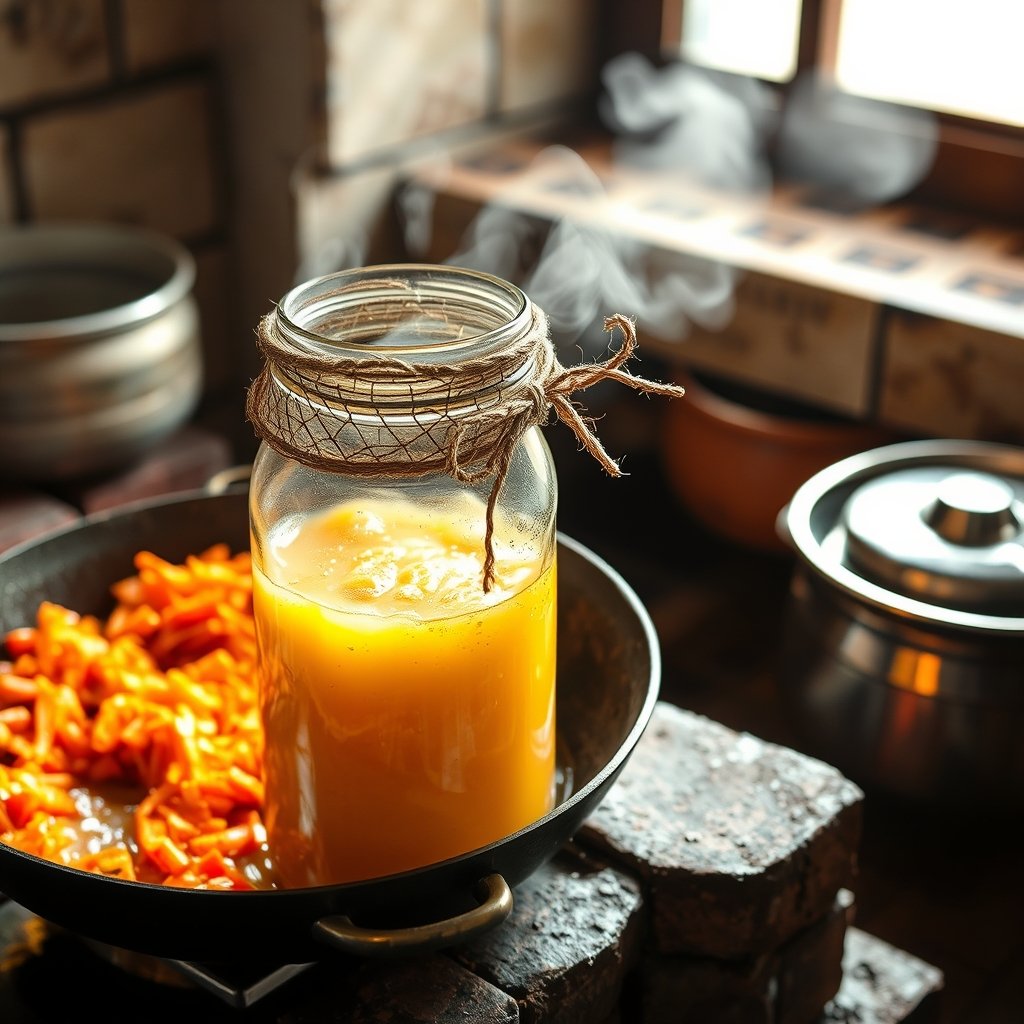
Delhi winter cooking centers on rich, slow-cooked dishes like sarson ka saag, gajar halwa, gond ke ladoo, and stuffed parathas, all of which depend on A2 Gir cow bilona ghee for deep roasting, moisture, and traditional kitchen warmth. As temperatures drop in northern India during December and January, home kitchens shift from light summer meals to dense, nourishing preparations. The high smoke point and granular texture of traditionally churned bilona ghee make it the primary fat used for both slow-roasting winter sweets and topping heavy hearth flatbreads.
Why Does Delhi Winter Cooking Rely So Heavily on Ghee?
During the cold months, traditional Indian culinary practices align closely with Ayurvedic principles, which recommend unctuous, grounding foods (snigdha ahara) to balance the cool, dry Vata quality of the season. Pure A2 cow ghee acts as a natural carrier for nutrients in heavy root vegetables and coarse winter grains like bajra (pearl millet) and makki (cornmeal). Unlike cold-pressed oils that can feel heavy when raw, ghee provides a clean, aromatic heat that carries spices like ginger, cloves, and cardamom deep into dishes. Furthermore, bilona ghee—made by churning cultured curd rather than boiling raw cream—possesses a distinct nutty aroma and coarse grain structure that holds up exceptionally well during hours of low-heat simmer in heavy iron kadhais.
Which Traditional Delhi Winter Sweets Need Bilona Ghee for Deep Roasting?
Winter in Delhi is incomplete without halwas and panjiris that demand generous amounts of pure fat for proper roasting. Gajar ka halwa, prepared with sweet red winter carrots, requires bilona ghee to brown the grated carrots and milk solids evenly without scorching. Cooking five kilograms of carrots typically uses 250 to 300 grams of ghee, creating a rich glossy finish that binds the sugar and condensed milk.
Similarly, winter sweets like gond ke ladoo and atta pinni rely on ghee as both the cooking medium and binding agent. Edible gum (gond) must be fried in warm ghee until each crystal puffs up completely into a crisp, pale ball; if the fat quality or heat distribution is inconsistent, the gond becomes sticky and dense. Whole wheat flour (atta) or coarse besan is then slow-roasted in the remaining melted ghee for 35 to 45 minutes until it turns dark golden and fragrant. Using traditional A2 Gir cow ghee ensures the sweets stay fresh for weeks at room temperature without developing a stale or rancid aftertaste.
Our cows are not use and throw
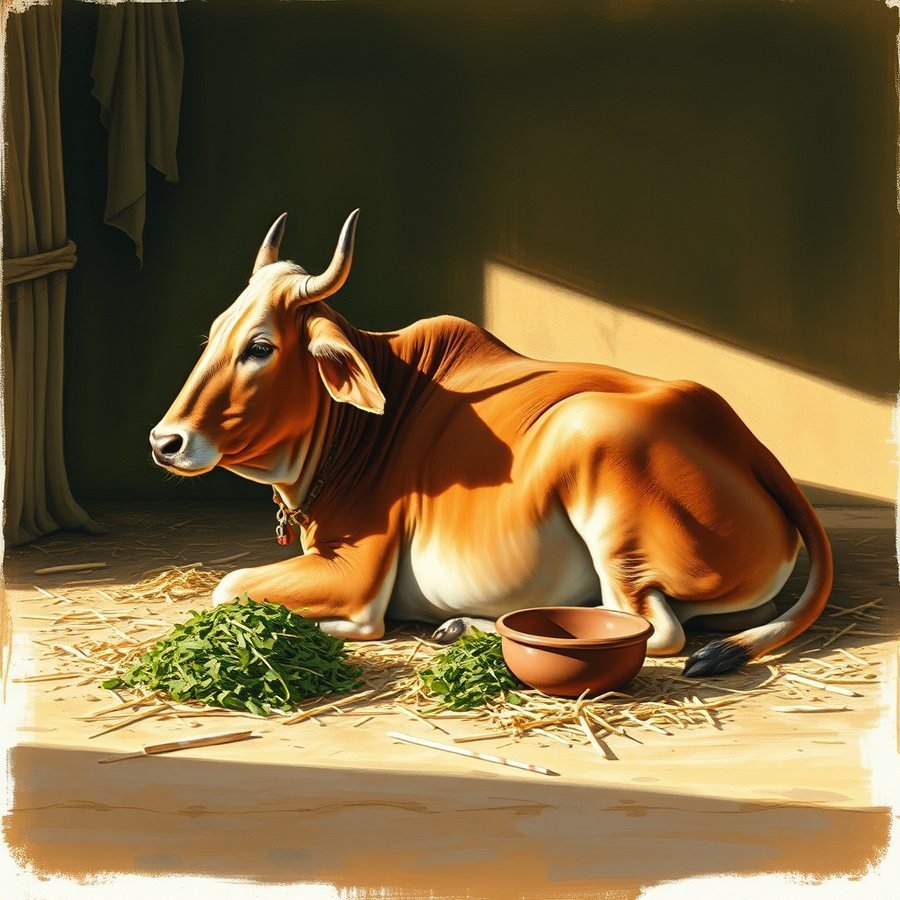
A cow that stops giving milk is still our cow. She stays on the farm, with the same feed, the same shed and the same medical care she had when she was milking. We do not sell her on and we do not let her go. That is the whole basis of the ghee we make — you cannot ask an animal for her milk and then abandon her for it.
Our mission goes further than our own herd. There are cows on the street who are injured every day, who eat plastic, who cry through the night with nobody coming. We want to take them in. The plan is a chain of Organic Farmz gaushalas in several places, so that help is not one shed in one city but something a hurt animal can actually reach.
This takes more than we can carry alone — land, fodder, vets, hands. Come and join our initiative. Anything you give goes to feed, treat and shelter these cows.

Scan with any UPI app
Bank transfer
- Account name Organic Farmz
- Bank Indian Bank
- Account number 8133177322
- IFSC code IDIB000K555
- UPI ID organicfarmz@ptaxis
On a phone, the button above opens your UPI app directly — a QR on the screen you are reading cannot be scanned by that same screen. On a laptop, scan the code with your phone instead.
How Is Ghee Used in Winter Greens and Daily Flatbreads?
Winter greens such as sarson (mustard leaves), bathua (goosefoot), and methi (fenugreek) are naturally bitter and astringent. Slow-cooking these greens in a clay pot or heavy pan requires a final tempering—a tadka—of ghee, finely chopped garlic, dry red chillies, and ginger. A spoonful of hot A2 ghee mellows the bite of raw mustard greens and balances their heat. When served, a fresh dollop of un-melted ghee is placed over the hot saag and allowed to pool across the top.
Coarse winter rotis made from makki, bajra, or jowar lack the gluten found in refined flour, making them dry and brittle if left bare. Brushing hot flatbreads with melted bilona ghee as soon as they come off the tawa softens the crust and keeps them pliable. Stuffed parathas—loaded with winter radish (mooli), spiced cauliflower (gobhi), or grated potatoes—are cooked on iron griddles with ghee drizzled around the edges, producing a golden crisp exterior while keeping the inner stuffing moist.
How Does A2 Bilona Ghee Compare to Refined Oil for Winter Cooking?
Choosing the right fat affects the texture, shelf life, and aroma of heavy winter dishes.
| Cooking Characteristic | A2 Gir Cow Bilona Ghee | Refined Seed Cooking Oils |
|---|---|---|
| Slow Roasting (Halwa/Pinni) | Imparts deep nutty aroma; browns milk solids evenly without burning. | Neutral taste; prone to smoking or sticking during prolonged pan-roasting. |
| Winter Flatbread Texture | Softens coarse grains like makki; retains moisture for hours. | Dries quickly; leaves a greasy coating on cold flatbreads. |
| Pantry Shelf Life at Room Temp | Naturally shelf-stable for months due to low moisture content. | May oxidize over time when exposed to winter air or moisture. |
How Much Ghee Does a Delhi Family Need During Peak Winter?
A typical Delhi household of four consumes significantly more ghee in December and January than in peak summer. While a monthly requirement of 500ml per person (2 litres for the household) is standard for daily cooking, winter sweet-making and daily saag temperings often increase usage to 3 or 4 litres across the two coldest months. Preparing a single batch of winter panjiri or gond ladoos usually takes 750ml to 1 litre of pure ghee alone. Stocking fresh glass jars of A2 bilona ghee directly from the churn ensures your kitchen has the aroma, grain, and warmth needed to carry your family through the coldest weeks of the season.
Taste the difference
Small-batch A2 Gir cow ghee, hand-churned to order and delivered across India. Read how we make it if you want the detail first.
Order a jarKeep reading
-
 Why Winter Saag Needs Ghee
Leafy greens are packed with nutrients, but traditional Indian cooking rarely serves them dry or plain.…
-
 Ghee for a Delhi PG Kitchen: Why One Jar Is Enough
A 500ml jar of A2 bilona ghee is the ideal size for a Delhi PG kitchen because it replaces refined oils and…
-
 Ghee in a Student Kitchen: Cheap, Simple Uses
Living in a student hostel or shared apartment doesn't mean sacrificing flavour or traditional quality.…
