
Why Winter Saag Needs Ghee
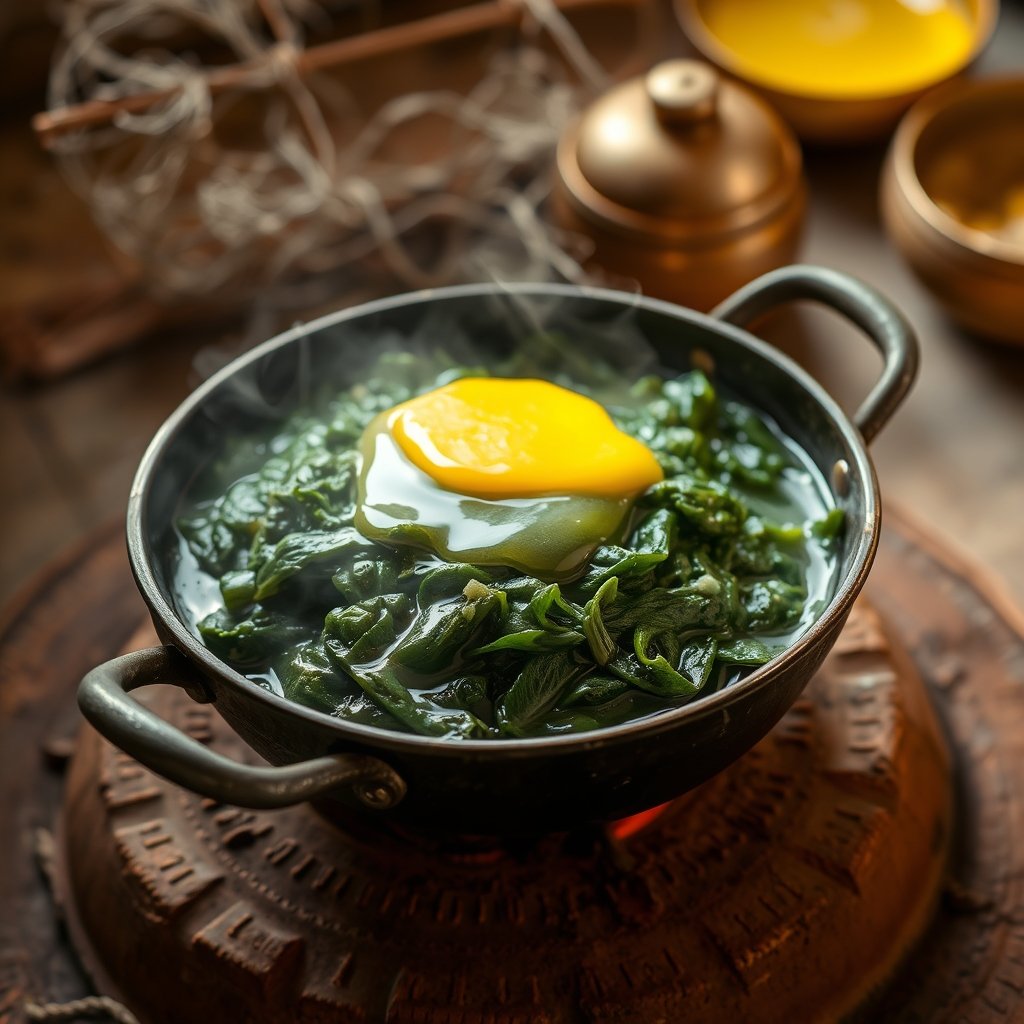
The Arrival of the Winter Greens
As the winter chill settles over the Indian plains, local markets transform into vibrant landscapes of deep green. Stalls overflow with tightly bound sheaves of mustard greens (sarson), earthy bathua, bitter fenugreek (methi), and tender spinach (palak). It is a season of abundance, yet if you step into any traditional Indian kitchen, you will notice a consistent pattern: these nutrient-dense greens are never served raw, dry, or steamed in isolation. They are always cooked slowly, often bruised and pureed, and invariably finished with a generous spoonful of warm, hand-churned A2 Gir cow ghee.
This is not merely a choice of taste or regional comfort. It is a deeply intuitive culinary practice rooted in a profound understanding of how our bodies interact with the food we harvest during the colder months of the year.
The Balance of Dry and Oily: Ruksha and Snigdha
To understand why traditional kitchens insist on pairing greens with ghee, we have to look at the inherent qualities of the ingredients themselves. Traditional Indian food philosophy categorizes foods by their physical attributes and their subsequent effects on our internal balance. Leafy greens are naturally packed with minerals and fiber, but they are also classified as possessing qualities of dryness (ruksha) and lightness (laghu).
When eaten in large quantities without proper preparation, their high fiber and dry nature can sometimes tax the digestive system, leading to bloating or seasonal dryness in the digestive tract—especially during the dry, windy winter season. To counter this, traditional home cooks introduce the ultimate balancing force: the quality of unctuousness, lubrication, and warmth, known as snigdha.
A2 Gir cow ghee, crafted using the ancient bilona method of churning whole milk curd rather than processing raw cream, is the quintessential source of this lubricating quality. When you stir a dollop of this golden, cultured ghee into a simmering pot of saag, you are physically softening the rough edges of the greens. The ghee coats the dietary fibers, rendering them smooth and gentle as they pass through the digestive tract.
Enhancing the Worth of the Green Leaves
Beyond digestive comfort, there is a very practical nutritional synergy at play in this pairing. Many of the vital compounds locked within the cell walls of leafy greens are fat-soluble. When we consume greens that have been boiled or steamed without any accompanying fat, our digestive systems struggle to extract and fully assimilate these valuable elements.
By tempering your greens in A2 Gir cow ghee, you create a natural delivery system. The warmth of the ghee breaks down the tough plant walls, while the natural fats bind to the nutrients, helping the body recognize and absorb them more efficiently. Furthermore, slow-churned bilona ghee carries a complex, nutty aroma born from the natural fermentation of curd. When spices like asafoetida (hing), cumin, and finely chopped garlic are spluttered in this hot ghee before being poured over the cooked greens, the fat absorbs the active oils of the spices, distributing their digestive benefits evenly throughout the dish.
Our cows are not use and throw
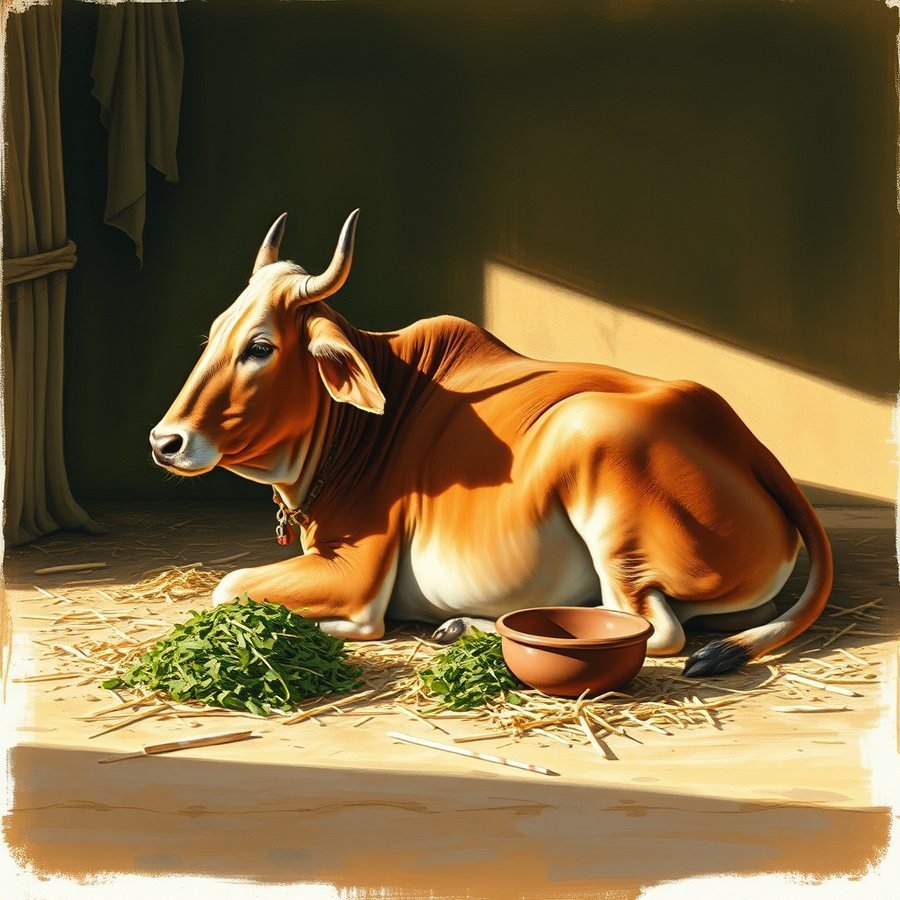
A cow that stops giving milk is still our cow. She stays on the farm, with the same feed, the same shed and the same medical care she had when she was milking. We do not sell her on and we do not let her go. That is the whole basis of the ghee we make — you cannot ask an animal for her milk and then abandon her for it.
Our mission goes further than our own herd. There are cows on the street who are injured every day, who eat plastic, who cry through the night with nobody coming. We want to take them in. The plan is a chain of Organic Farmz gaushalas in several places, so that help is not one shed in one city but something a hurt animal can actually reach.
This takes more than we can carry alone — land, fodder, vets, hands. Come and join our initiative. Anything you give goes to feed, treat and shelter these cows.

Scan with any UPI app
Bank transfer
- Account name Organic Farmz
- Bank Indian Bank
- Account number 8133177322
- IFSC code IDIB000K555
- UPI ID organicfarmz@ptaxis
On a phone, the button above opens your UPI app directly — a QR on the screen you are reading cannot be scanned by that same screen. On a laptop, scan the code with your phone instead.
Traditional Combinations in the Home Kitchen
This partnership shows up in various regional forms across the subcontinent. Consider the classic Punjabi Sarson ka Saag. The mustard leaves are naturally bitter and slightly pungent. They are boiled down for hours in clay pots, continuously mashed, and then seasoned with a luxurious tempering of bilona ghee, ginger, and green chillies. The rich fat of the ghee rounds out the sharp bitterness of the mustard leaves, transforming a rustic, astringent green into a velvety, comforting dish.
In western India, tender methi leaves are often sautéed with potatoes or chopped finely to be kneaded into wheat dough for theple. Here too, the addition of A2 Gir cow ghee is traditional. The sweetness of the cultured ghee cuts through the intense bitterness of the fenugreek, making it palatable and soothing. Similarly, in southern households, a quick stir-fry of amaranth leaves (keerai) is finished with grated coconut and a final drizzle of warm ghee to balance its astringent qualities.
Why the Bilona Difference Matters for Your Greens
Not all fats can perform this delicate balancing act with the same grace. Mass-produced, industrial ghee is often stripped of its natural cultured aroma because it is made by heating raw cream at high speeds. In contrast, traditional bilona ghee is made from the milk of grass-fed Gir cows, cultured into curd overnight, and churned using two-way wooden beaters. This process retains the natural cultures that give the ghee its distinct, slightly sour, and deeply nutty profile.
When you add this handcrafted ghee to your winter greens, it doesn't just sit on top as a heavy layer of grease. Because it is a cultured fat, it integrates beautifully with the natural moisture of the vegetables, emulsifying into a smooth, cohesive sauce that clings to every leaf, ensuring that every bite is as nourishing as it is delicious.
Bringing the Tradition Home
Preparing food according to these ancient principles is a quiet act of mindfulness. It teaches us that nutrition is not just about what we put onto our plates, but how we prepare those ingredients to be welcomed by our bodies. This winter, as you bring home fresh bundles of vibrant greens, remember to honor their nature. Let them simmer slowly, spice them gently, and always invite a dollop of golden, traditional bilona ghee to complete the journey from the hearth to your table.
Taste the difference
Small-batch A2 Gir cow ghee, hand-churned to order and delivered across India. Read how we make it if you want the detail first.
Order a jarKeep reading
-
 Makar Sankranti, Til and Ghee
Discover why sesame seeds, jaggery, and A2 Gir cow ghee are the cornerstones of traditional Makar Sankranti…
-
 Ghee on Khichdi: The Traditional Ratio for Comfort Meals
One teaspoon of bilona ghee per bowl of khichdi provides the fats needed to balance the grains. This…
-
 Ghee in Monsoon Cooking: Balancing Dampness and Digestion
Bilona ghee supports the digestive fire during the high humidity of the rainy season by providing steady…
