
Makar Sankranti, Til and Ghee
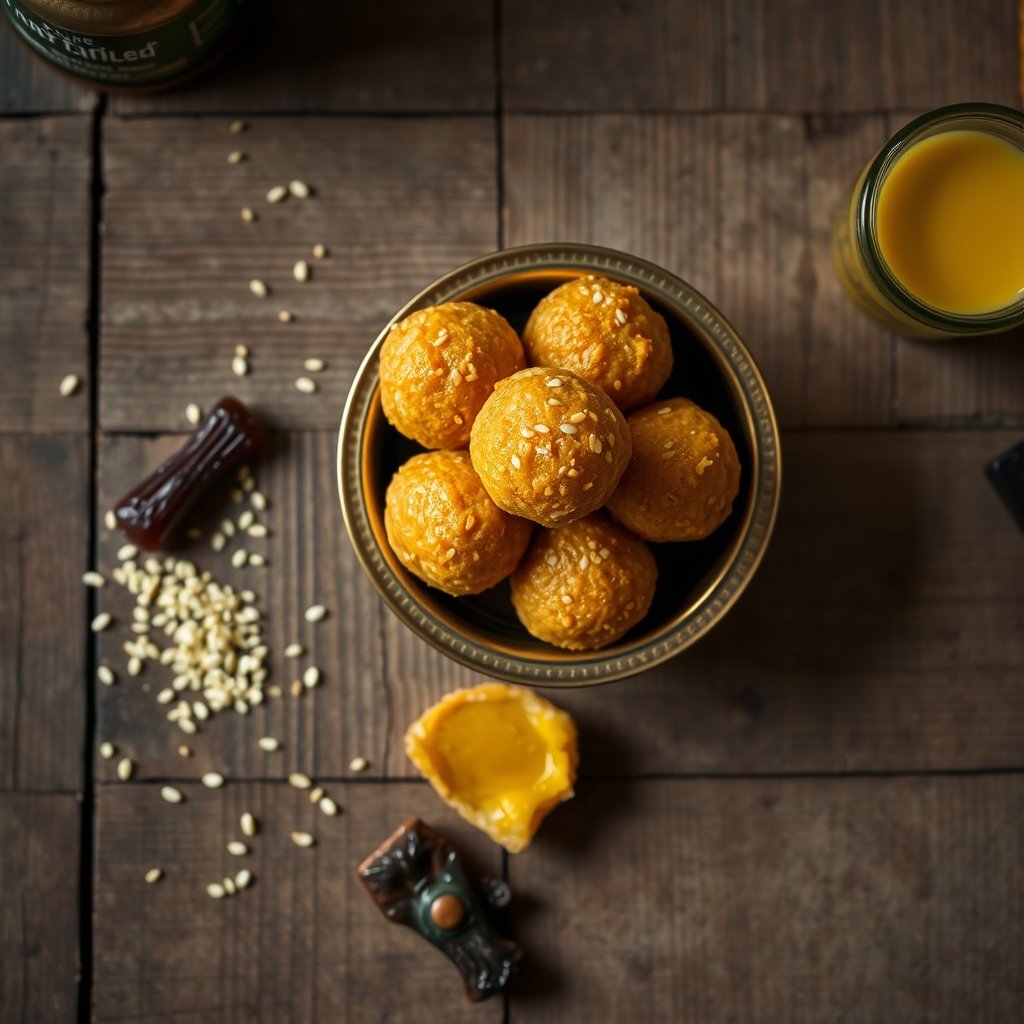
Why do we eat til and ghee on Makar Sankranti?
Makar Sankranti food relies on the combination of sesame seeds (til), jaggery (gur), and pure A2 cow ghee to bring warmth, rich moisture, and grounding energy to the body during the chilly mid-January transition of the sun. As the festival marks the end of the winter solstice and the beginning of warmer days, the weather remains dry and cold. In the traditional Indian kitchen, this period requires foods that pacify the dry, airy qualities of winter. Sesame seeds provide natural oils and heat, while jaggery offers iron and quick energy. However, both of these ingredients can be inherently dry or highly heating on their own. Pure ghee acts as the essential balancing agent, soothing the digestive system, carrying the nutrients of the seeds, and providing the necessary lubrication to keep the body supple and comfortable during the seasonal shift.
How do til and ghee work together in winter cooking?
In traditional sweets like til-gul ladoo, til chikki, or gulachi poli, the chemistry between the ingredients is just as important as their flavor. Sesame seeds are roasted to release their natural oils and nuttiness, while jaggery is melted down to create a sticky, binding syrup. If you attempt to bind these two ingredients alone, the mixture quickly hardens into a brittle, glass-like texture that can be difficult to chew. Adding a spoonful of traditional bilona ghee to the melting jaggery alters this texture entirely. Ghee acts as a natural fat barrier that prevents the sugar crystals in the jaggery from binding too tightly, keeping the ladoos pliable, soft to the bite, and gently crumbly. Moreover, the rich fats in ghee coat the mouth, softening the intense, sometimes sharp sweetness of concentrated jaggery and roasted sesame.
What are the traditional Makar Sankranti foods across India?
Makar Sankranti is celebrated under different names across India, but the reliance on ghee and seasonal grains remains a common thread. In Maharashtra, families prepare til-gul ladoos and thin, wheat flatbreads stuffed with sesame and jaggery called gulachi poli, which are always served with a generous smear of warm ghee. In Gujarat, the festival is celebrated with Undhiyu and Kansar, a sweet cracked-wheat dish heavily laced with ghee and sugar. Moving to North India, particularly in Punjab and Uttar Pradesh, the festival of Lohri and Sankranti centers around rich khichdi cooked with newly harvested rice and split urad dal, finished with a pooling ladle of hot A2 ghee. In the South, Pongal celebrations feature Chakkara Pongal, a sweet pudding of rice and mung dal cooked in milk, sweetened with jaggery, and fried with cashews and raisins in rich, fragrant cow ghee.
How do sesame oil and ghee compare in winter cooking?
While both sesame oil and ghee are widely used during the winter months, they behave very differently in the kitchen and serve distinct purposes in festival preparations.
| Feature | Sesame (Til) Oil | A2 Gir Cow Ghee (Bilona) |
|---|---|---|
| Aroma & Flavor | Sharp, nutty, and distinctly earthy. | Warm, lactic, toasted, and rich. |
| Texture in Sweets | Remains liquid; cannot help sweets set. | Solidifies at room temperature; binds ladoos. |
| Moisture Retention | Provides a slick surface coating. | Penetrates grains, keeping them soft and moist. |
| Ayurvedic Quality | Highly heating and sharp (ushna). | Cooling, soothing, and balancing (sheeta). |
How does bilona ghee elevate these festival recipes?
Using traditional A2 Gir cow ghee made by the bilona method makes a noticeable difference in the taste and texture of your Makar Sankranti sweets. Unlike commercially produced cream-separated ghee, bilona ghee is prepared by churning curd made from whole A2 milk. This slow, traditional process preserves the delicate fatty acid chains and complex aromas of the milk. When heated, bilona ghee releases a deep, nutty fragrance that complements the toasted aroma of sesame seeds without overpowering them. When you roast your flour, semolina, or sesame seeds in bilona ghee, the fat wraps around each grain evenly, ensuring that your winter sweets do not turn greasy or dry out over time. It is this depth of flavor and traditional structure that turns simple holiday recipes into comforting, nostalgic treats that carry the warmth of home.