
Ghee vs Clarified Butter: Are They the Same?
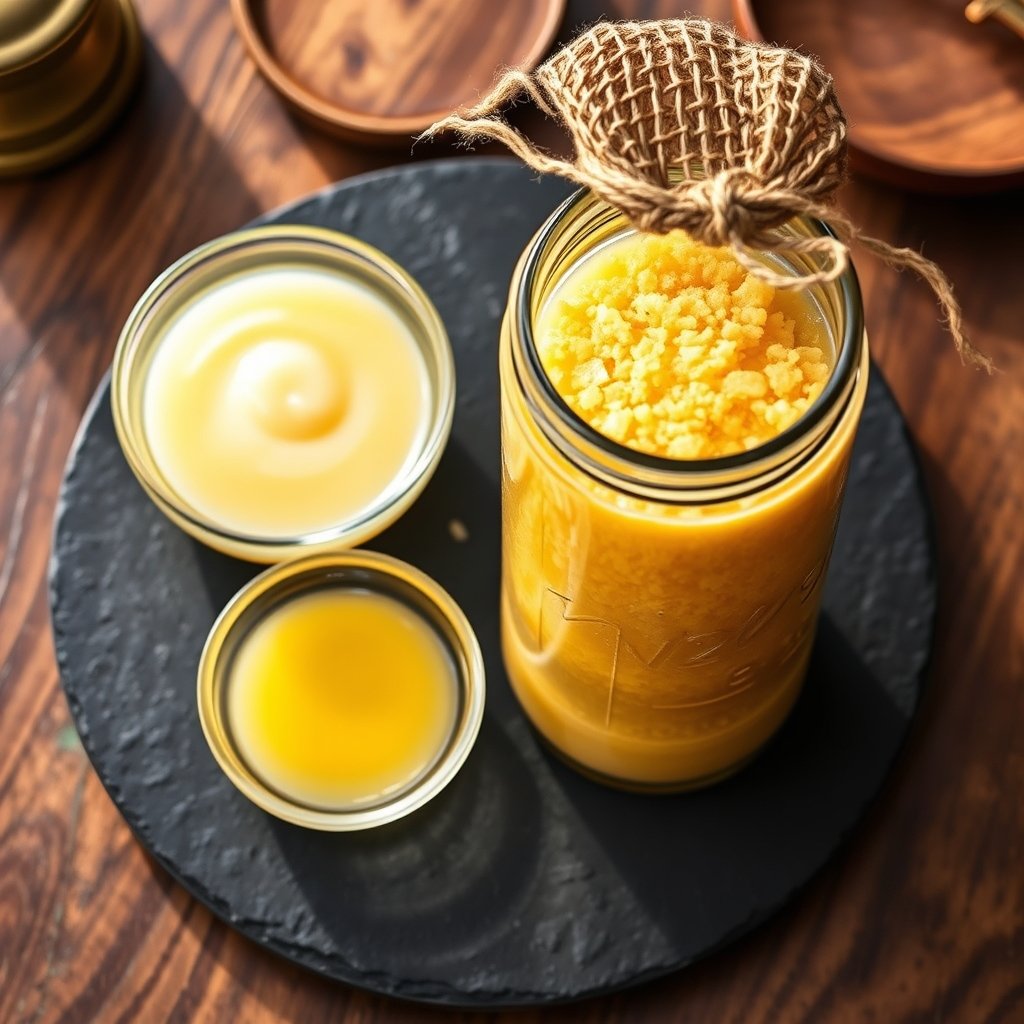
Ghee and clarified butter are closely related fat preparations, but they are not strictly the same thing: ghee is a traditional form of clarified butter that is simmered longer until the milk solids caramelize, giving it a distinct nutty aroma, deep golden colour, and granular texture.
In standard Western culinary practices, clarified butter is made purely to isolate pure butterfat by melting butter, letting the water evaporate, and straining off the pale milk solids before they begin to change colour. Ghee takes this process a step further. Rooted in the Indian kitchen and traditional Ayurvedic cooking, ghee requires slow heating until the settled milk solids brown gently at the bottom of the pot, infusing the liquid fat with rich, warm flavour compounds before being strained.
What Is Clarified Butter and How Is It Made?
Clarified butter is butterfat separated from milk solids and water. Standard commercial butter consists of roughly eighty percent butterfat, sixteen to eighteen percent water, and one to two percent milk proteins and sugars. When melted gently over low heat, the water boils off as steam while the milk solids float to the surface as white foam or sink to the bottom of the pan.
To make clarified butter, the cook skimmings off the top foam and pours off the clear yellow liquid fat, leaving the pale milk solids behind. Because the milk solids are removed before they brown, clarified butter retains a clean, mild, slightly sweet butter taste. It has a higher smoke point than whole butter—making it suitable for high-heat searing—and stays liquid or soft at room temperature without souring as quickly as fresh butter.
How Does Ghee Differ in Its Preparation?
Ghee starts with the same basic physical transformation—separating water and solids from milkfat—but follows a longer cooking curve. Instead of removing the milk solids as soon as the water evaporates, ghee is left to simmer over a low, steady flame. As the liquid fat turns clear, the heavy milk solids settle onto the base of the vessel where they simmer directly in the hot fat.
During this stage, the milk sugars and proteins undergo a gentle Maillard browning reaction. The solids shift from creamy white to pale tan, then to a rich golden brown. This browning releases roasted, nutty volatile compounds into the liquid fat. Once the solids reach the proper shade of warm bronze, the pot is pulled from the heat, cooled slightly, and strained through a fine cloth or sieve into storage jars.
In traditional Indian households, this process is tied to the bilona method. Whole milk from A2 Gir cows is boiled, cooled, and cultured into fresh curd. This curd is churned back and forth using a wooden churn (bilona) to separate fresh cultured butter, known as makhan. When this cultured makhan is slowly heated in heavy brass or iron pots, the resulting ghee carries a complex depth of flavour that simple uncultured butterfat cannot produce.
How Do Ghee and Clarified Butter Compare Side by Side?
Understanding where these two cooking fats align and diverge helps clarify how they perform in the kitchen:
| Property | Clarified Butter | Traditional Ghee (Bilona) |
|---|---|---|
| Base Ingredient | Sweet cream or uncultured butter | Cultured curd butter (Makhan) |
| Cooking Duration | Removed as soon as solids separate | Simmered until solids brown |
| Milk Solids Reaction | Uncaramelized, pale, discarded early | Toasted golden-brown in hot fat |
| Flavour Profile | Mild, clean, neutral butter note | Deep, toasted, warm, and nutty |
| Grain Texture | Smooth or uniform solid fat | Granular, crystalline fat structure |
| Culinary Origin | European / Western classical cuisine | Traditional Indian kitchen & Ayurveda |
Why Does the Browning of Milk Solids Matter for Flavour?
The culinary difference between clarified butter and ghee comes down to chemistry and timing in the pan. The toasted solids in ghee impart aromatic compounds that alter how the fat tastes on the palate. While clarified butter acts primarily as a clean, neutral medium for frying without burning milk proteins, ghee actively adds character to a dish.
When ghee cools slowly at room temperature, these distinct fat fractions crystallize into delicate, sandy grains. This signature granulous texture—highly prized in traditional Indian home cooking—is a direct result of slow heating and natural cooling. Clarified butter, cooled rapidly after straining, usually sets into a uniform, slick solid without this grainy mouthfeel.
Which One Should You Choose for Everyday Indian Cooking?
For authentic Indian dishes, ghee is the traditional choice. When making a fragrant tadka for a pot of arhar dal, tempering spices like cumin, mustard seeds, and dried chillies in warm A2 Gir cow ghee extracts the oil-soluble flavours of the spices while laying down a nutty base note that holds the dish together.
Using standard clarified butter in a tadka provides heat tolerance, but it leaves the dish missing that familiar, comforting aroma that defines Indian home cooking. Similarly, when brushing warm rotis, stirring into sooji halwa, or roasting besan for festival sweets, the caramel notes of traditional bilona ghee are central to the dish's final taste and rich scent.
How Does Ayurveda View Traditional Ghee?
In traditional Ayurvedic wellness traditions, ghee occupies a respected place as a nourishing staple and carrier for herbs (anupana). Ancient texts emphasize that ghee made from cultured curd—rather than raw cream—and cooked slowly over open heat possesses balanced properties that support digestion and inner warmth.
By removing both moisture and unbound milk solids through gentle browning, traditional bilona ghee remains stable at room temperature in Indian kitchens without requiring chemical preservatives. Choosing a genuine A2 Gir cow ghee made through the curd-churned bilona process honors these centuries-old kitchen practices, delivering pure flavour, rich aroma, and traditional nourishment with every spoonful.