
Desi Ghee vs A2 Ghee: No, They Are Not the Same
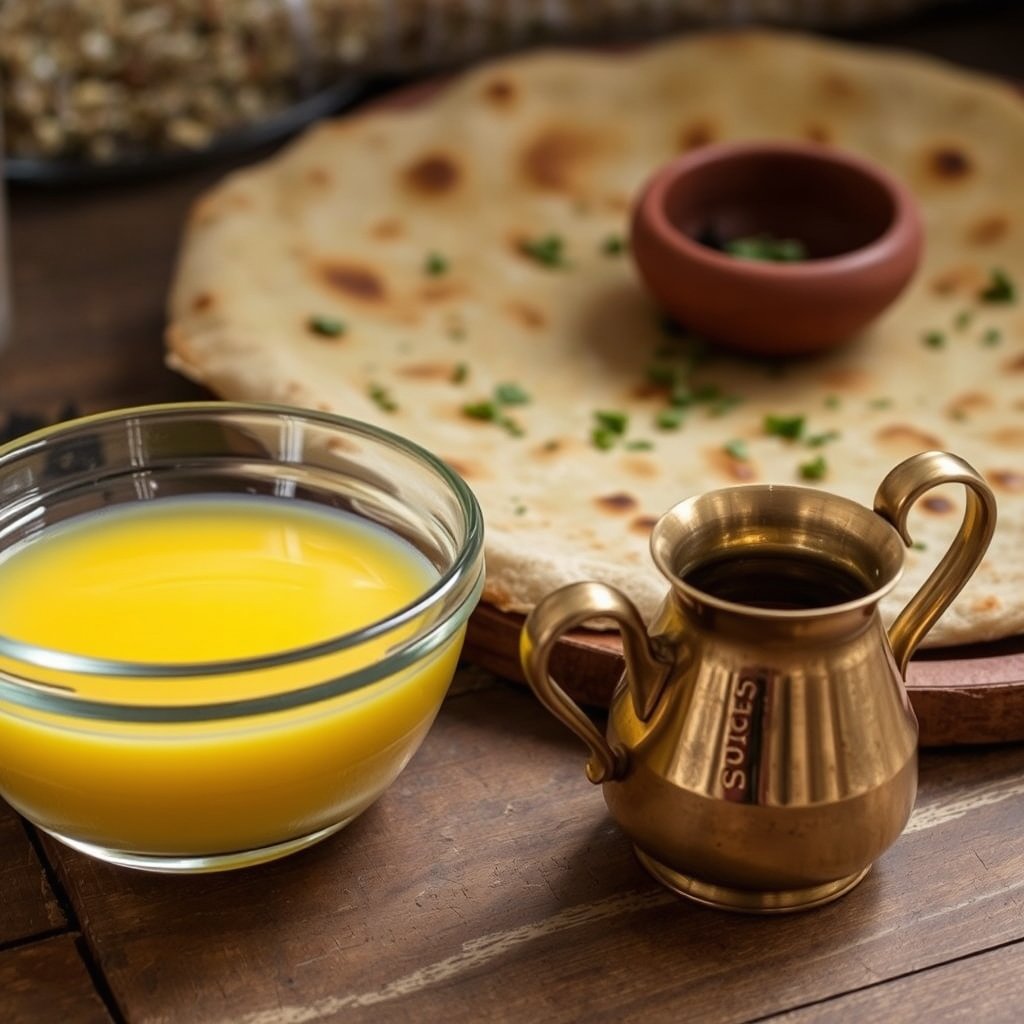
Desi ghee and A2 ghee are not interchangeable terms, because desi describes the native heritage of the cattle or traditional Indian origin, while A2 refers strictly to a specific beta-casein protein structure present in the milk. A jar of ghee can be desi without being verified A2, and another can be certified A2 without qualifying as traditional desi butterfat. Understanding the difference between these two everyday words helps you look past grocery branding and see exactly what is inside the jar on your kitchen counter.
What does the label desi ghee actually mean?
In common Indian parlance, desi simply means indigenous, local, or of the country. Historically, when families asked for desi ghee at the corner grocer, they meant butterfat made in India, often from indigenous zebu cattle (Bos indicus) with prominent humps, or from indigenous water buffaloes (Bubalus bubalis). The word stood in contrast to foreign cooking fats, refined seed oils, and hydrogenated vegetable fats like vanaspati that flooded Indian markets during the twentieth century. Calling a tin desi ghee was a way to reassure home cooks that the fat came from local dairy rather than an industrial hydrogenation plant.
However, the word desi is not tightly regulated as a technical dairy classification in retail trade. Today, large commercial dairies sell commercial tins labelled desi ghee that come from mixed buffalo herds, crossbred cows, or generic bulk cream pooled from hundreds of villages. In many regional markets, buffalo ghee is sold as desi ghee because it is traditional to that region and prized for its snow-white colour and heavy body. Therefore, buying something called desi ghee guarantees only that the fat comes from domestic dairy animals, not that it comes from a specific indigenous cow or that it contains any particular protein profile.
What does the label A2 ghee guarantee?
The label A2 relates entirely to the genetics of the animal producing the milk, specifically the type of beta-casein protein present before churning. Milk contains various proteins, of which casein makes up roughly eighty percent. In dairy cows, beta-casein exists predominantly in two variants: A1 and A2. Indigenous Indian hump-backed cows, such as Gir, Sahiwal, Red Sindhi, Tharparkar, and Rathi, naturally produce milk containing purely the A2 beta-casein variant. Most modern European and Western dairy breeds, such as Holstein Friesians and Jerseys, carry a genetic mutation that produces the A1 beta-casein variant, or an irregular mix of A1 and A2.
When a jar is sold as A2 ghee, the producer is asserting that the milk was drawn exclusively from cows carrying the homozygous A2/A2 genetic marker. This is an important distinction for families who follow traditional dietary guidelines or who feel that A1 dairy fats do not agree with their digestion. Yet, an A2 claim only identifies the source animal. It tells you that the milk came from a cow with the ancestral protein chain. It tells you nothing about the farm practices, what the cow ate, or how that milk was turned into ghee in the kitchen.
Our cows are not use and throw
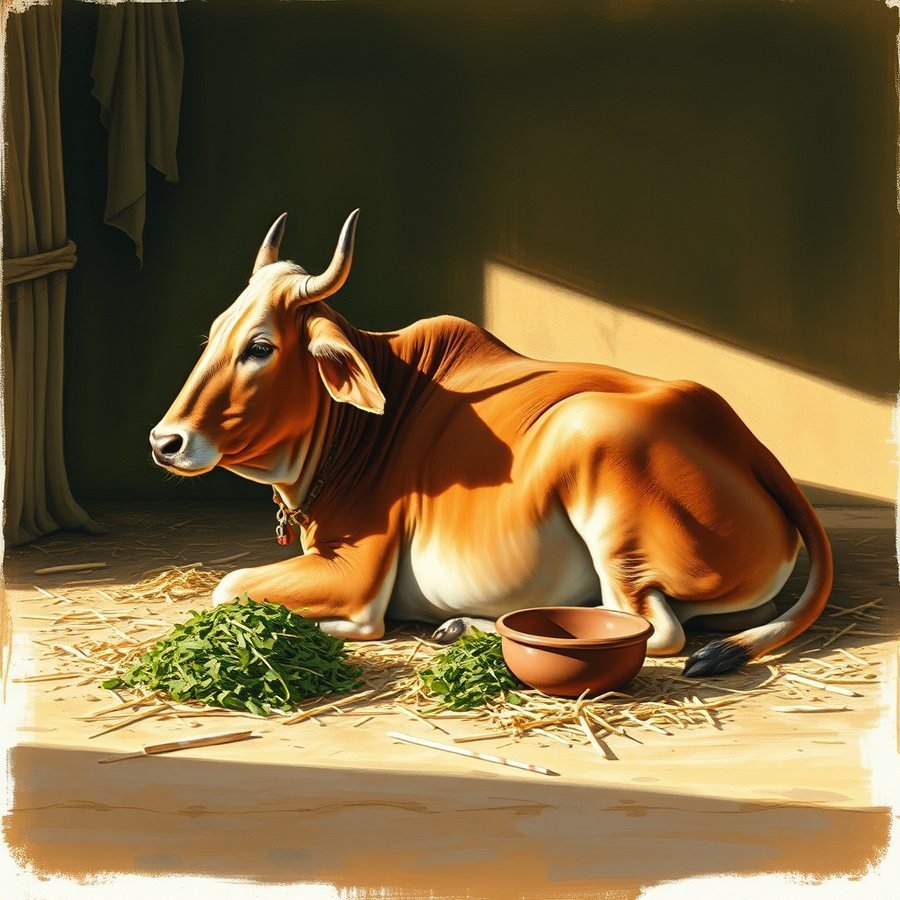
A cow that stops giving milk is still our cow. She stays on the farm, with the same feed, the same shed and the same medical care she had when she was milking. We do not sell her on and we do not let her go. That is the whole basis of the ghee we make — you cannot ask an animal for her milk and then abandon her for it.
Our mission goes further than our own herd. There are cows on the street who are injured every day, who eat plastic, who cry through the night with nobody coming. We want to take them in. The plan is a chain of Organic Farmz gaushalas in several places, so that help is not one shed in one city but something a hurt animal can actually reach.
This takes more than we can carry alone — land, fodder, vets, hands. Come and join our initiative. Anything you give goes to feed, treat and shelter these cows.

Scan with any UPI app
Bank transfer
- Account name Organic Farmz
- Bank Indian Bank
- Account number 8133177322
- IFSC code IDIB000K555
- UPI ID organicfarmz@ptaxis
On a phone, the button above opens your UPI app directly — a QR on the screen you are reading cannot be scanned by that same screen. On a laptop, scan the code with your phone instead.
How do desi ghee and A2 ghee compare side by side?
Because the two terms describe completely different attributes of dairy sourcing, comparing them side by side clarifies where they overlap and where they separate entirely.
| Feature | Desi Ghee | A2 Ghee |
|---|---|---|
| Primary Meaning | Traditional, domestic, or native Indian origin | Milk drawn from cows with A2 beta-casein genetics |
| Animal Source | Indigenous cows, crossbred cows, or buffaloes | Purebred A2 cows or A2-tested cattle herds |
| Protein Specification | Unspecified; may contain A1, A2, or buffalo proteins | Strictly A2 beta-casein certified origin |
| Processing Method | Industrial cream separator or traditional bilona | Industrial cream separator or traditional bilona |
| Common Fat Profile | Varies widely from white buffalo fat to golden cow fat | Predominantly golden cow butterfat rich in natural carotene |
Why does neither label tell you how the ghee was churned?
Neither the word desi nor the word A2 tells you whether the ghee was made by hand using the traditional bilona method or produced in an industrial centrifuge from raw cream. This is the biggest blind spot for consumers shopping for pure cooking fat. A manufacturer can take milk from purebred Gir cows, run it through an electric separator to strip the raw cream within minutes, boil that raw cream at high temperatures in a continuous steam boiler, and legally bottle the result as pure A2 Gir cow ghee. The protein pedigree is accurate, but the process bypasses the entire cultured butter making process.
Similarly, an industrial plant can collect bulk cream from village aggregation tanks, churn it mechanically using modern cold-butter extruders, and market it as premium desi ghee. In both cases, the missing link is the biological transformation of the milk into curd. The traditional Indian bilona method requires boiling the whole milk, cooling it to room temperature, inoculating it with a live curd culture overnight, churning the cultured curd with a two-way wooden pestle to gather makkhan, and slowly simmering that cultured butter over low heat. It is this culturing and simmering process, rather than the marketing label on the paper sleeve, that develops the fine grain, rich aroma, and easy digestibility revered in ayurvedic home cooking.
How should you choose what to buy for your home?
If you want the full benefit of traditional Indian butterfat for your family's daily cooking, pooja offerings, or digestive comfort, look for a jar that explicitly combines both heritage standards and traditional processing. Do not settle for a vague desi claim that might hide aggregated commercial cream, and do not assume an A2 label automatically means the jar was made slowly from cultured curd. Read the ingredient panel and back label carefully to verify three distinct facts: that the milk comes from pure indigenous cows such as the Gir breed, that the herd is verified A2, and that the ghee was clarified from cultured bilona butter rather than boiled commercial cream.
Taste the difference
Small-batch A2 Gir cow ghee, hand-churned to order and delivered across India. Read how we make it if you want the detail first.
Order a jarKeep reading
-
 Ghee vs Clarified Butter: Are They the Same?
While both ghee and clarified butter are made by removing moisture and milk solids from butterfat…
-
 Desi Ghee Noida: Fresh Bilona Jars to Society Gates
Fresh A2 Gir cow bilona ghee delivers directly to Noida sectors and high-rise society gates in protective…
-
 Desi Ghee in Delhi: 5 Options from Kirana to Bilona
Delhi households can buy desi ghee from local kiranas, neighbourhood dairies, wholesale mandis, online apps…
