
Ghee in Coffee and Tea: Add 1/2 Teaspoon for Creaminess

Why should you add ghee to your morning coffee or tea?
Adding bilona ghee to coffee or tea is a practice rooted in the traditional Indian concept of starting the day with a source of steady lipids. While the modern world often calls this 'bulletproof' coffee, Indian households have historically used fats like ghee or fresh white butter in warm beverages to balance the sharp, acidic nature of caffeine. When you stir a small amount of A2 Gir cow ghee into a hot drink, it provides a smooth, velvety mouthfeel that mimics the richness of cream without the moisture or lactose of liquid milk. This is particularly useful for those who prefer their morning beverage to be more substantial and less abrasive on the digestive lining before breakfast.
What is the ideal ratio of ghee to coffee?
For a standard 200ml to 250ml mug of coffee or tea, the ideal amount is 1/2 teaspoon of bilona ghee. Using more than this can result in an overly oily surface, while using less may not provide the desired creamy texture. If you are using a large travel mug (around 400ml), you can increase the amount to one full teaspoon. It is important to remember that because bilona ghee is concentrated fat with all milk solids removed, it is much more potent than butter. Start with a small half-teaspoon to see how the flavors of your specific coffee beans or tea leaves interact with the nutty, toasted notes of the ghee.
How do you blend ghee into a beverage without it being oily?
The most effective way to integrate ghee into coffee or tea is through emulsification. If you simply stir the ghee with a spoon, it will float on the surface in yellow droplets because oil and water do not naturally mix. To achieve a latte-like consistency, pour your hot coffee and ghee into a blender and pulse for 15 to 20 seconds. Alternatively, use a handheld milk frother directly in your mug. This mechanical action breaks the ghee into tiny globules that stay suspended in the liquid, creating a thick, frothy head on the drink. The resulting beverage will look like a milky latte but will have a much deeper, clarified flavor profile.
Can bilona ghee be added to traditional Indian masala chai?
Yes, bilona ghee is an excellent addition to traditional masala chai, especially during the colder months. In many rural parts of Northern India and the Himalayan belt, adding a dollop of fat to tea is a common practice for those working outdoors. When adding it to chai, wait until the tea has finished brewing and has been strained into your cup. The spices in the tea, such as ginger, cardamom, and black pepper, pair naturally with the aromatic qualities of Gir cow ghee. Because masala chai often already contains some milk, the ghee acts as an additional layer of richness, making the tea feel more like a small, comforting meal.
Our cows are not use and throw

A cow that stops giving milk is still our cow. She stays on the farm, with the same feed, the same shed and the same medical care she had when she was milking. We do not sell her on and we do not let her go. That is the whole basis of the ghee we make — you cannot ask an animal for her milk and then abandon her for it.
Our mission goes further than our own herd. There are cows on the street who are injured every day, who eat plastic, who cry through the night with nobody coming. We want to take them in. The plan is a chain of Organic Farmz gaushalas in several places, so that help is not one shed in one city but something a hurt animal can actually reach.
This takes more than we can carry alone — land, fodder, vets, hands. Come and join our initiative. Anything you give goes to feed, treat and shelter these cows.

Scan with any UPI app
Bank transfer
- Account name Organic Farmz
- Bank Indian Bank
- Account number 8133177322
- IFSC code IDIB000K555
- UPI ID organicfarmz@ptaxis
On a phone, the button above opens your UPI app directly — a QR on the screen you are reading cannot be scanned by that same screen. On a laptop, scan the code with your phone instead.
Does adding A2 Gir cow ghee change the flavor of the drink?
Bilona ghee made from A2 Gir cow milk has a distinct, slightly sweet and nutty aroma that differs from standard supermarket ghee. When added to coffee, it tends to enhance the chocolatey or earthy notes of the roast. It does not make the coffee taste like butter; rather, it rounds off the bitter edges of the caffeine. In tea, the ghee provides a savory depth. Because the bilona method involves culturing the cream into curd before churning, the resulting ghee has a more complex flavor profile than ghee made directly from cream. This complexity is what allows it to blend so seamlessly into flavored beverages without overpowering the primary taste of the tea or coffee.
What does Ayurveda say about consuming fats in the morning?
In Ayurvedic tradition, the practice of consuming a small amount of healthy fat early in the day is known as a form of Snehana, or internal lubrication. It is believed that the body’s Agni, or digestive fire, can be quite sharp in the morning. Consuming a cup of tea or coffee fortified with ghee is thought to help maintain a steady state of satiety. Traditional texts suggest that ghee is a 'Sanskara Anuvarti,' meaning it has the unique ability to carry the properties of whatever it is paired with—in this case, the warming spices of tea or the stimulating properties of coffee—deeper into the body’s tissues. By using ghee made via the bilona method, you are using a fat that has already undergone a fermentation process, which tradition suggests is easier for the body to process first thing in the morning.
Is it better to use salted or unsalted ghee for beverages?
While some modern recipes suggest using salted fats in coffee, traditional bilona ghee is naturally unsalted and is the superior choice for beverages. The salt content in processed butter can clash with the delicate tannins of tea or the acidity of coffee. Pure, unsalted A2 Gir cow ghee allows the natural creaminess to take center stage. If you find that your drink needs a flavor highlight, a small pinch of pink Himalayan salt or a dash of cinnamon is a better way to control the seasoning than using pre-salted fats. Using pure ghee also ensures that you are not introducing unnecessary additives or preservatives into your morning ritual, keeping the drink as close to its natural, traditional state as possible.
Taste the difference
Small-batch A2 Gir cow ghee, hand-churned to order and delivered across India. Read how we make it if you want the detail first.
Order a jarKeep reading
-
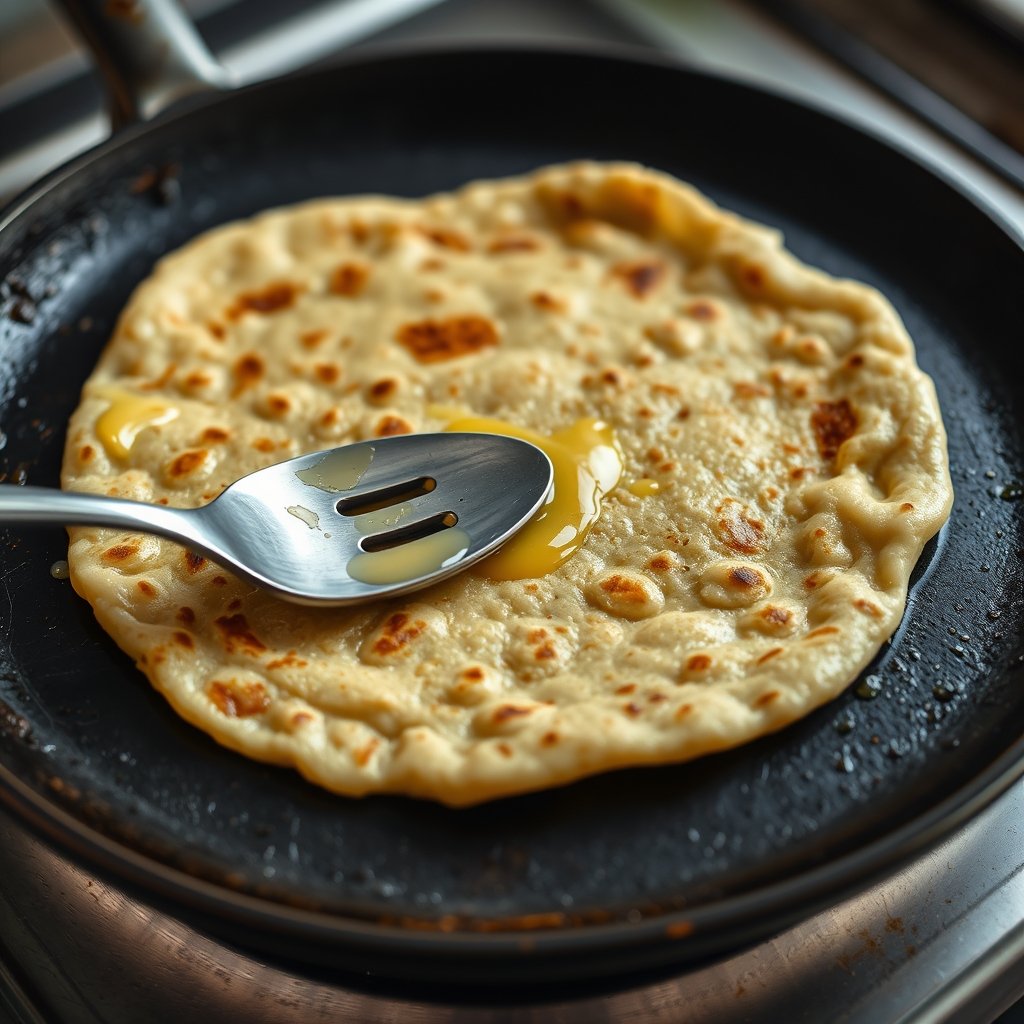 Ghee on Stuffed Parathas: Add Just After Flipping
Applying ghee to stuffed parathas immediately after flipping on the tawa keeps the crust crispy while…
-
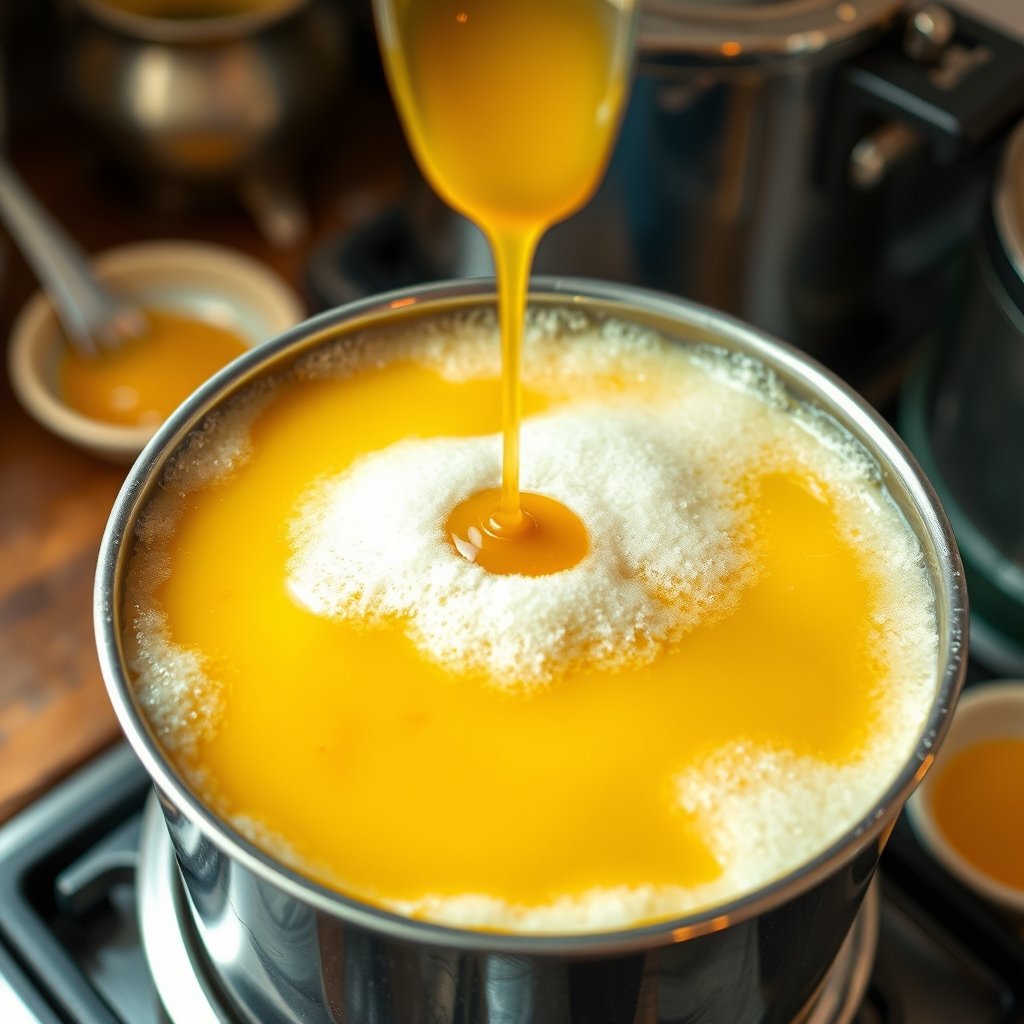 Adding Ghee to Boiling Dal: It Prevents Overflow
A single teaspoon of bilona ghee breaks surface tension to stop dal from frothing through the pressure…
-
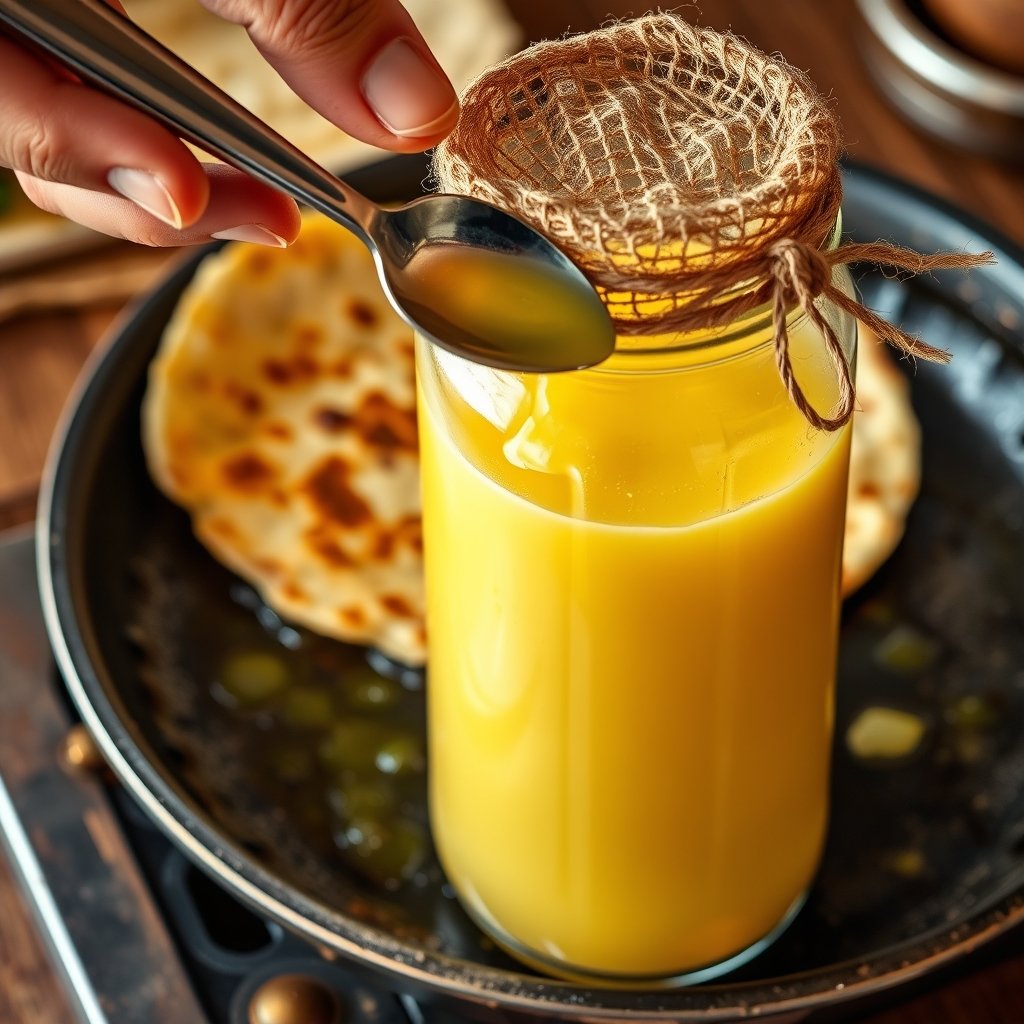 Ghee for Parathas: How Much and When to Add It
Discover the ideal amount of ghee to use for parathas and exactly when to apply it for the perfect balance…
