
Ghee Guides
Notes on ghee, the bilona method and cooking the slow way — from the people who make A2 Gir cow bilona ghee in Delhi. 208 articles so far.
 21 Sep 2026
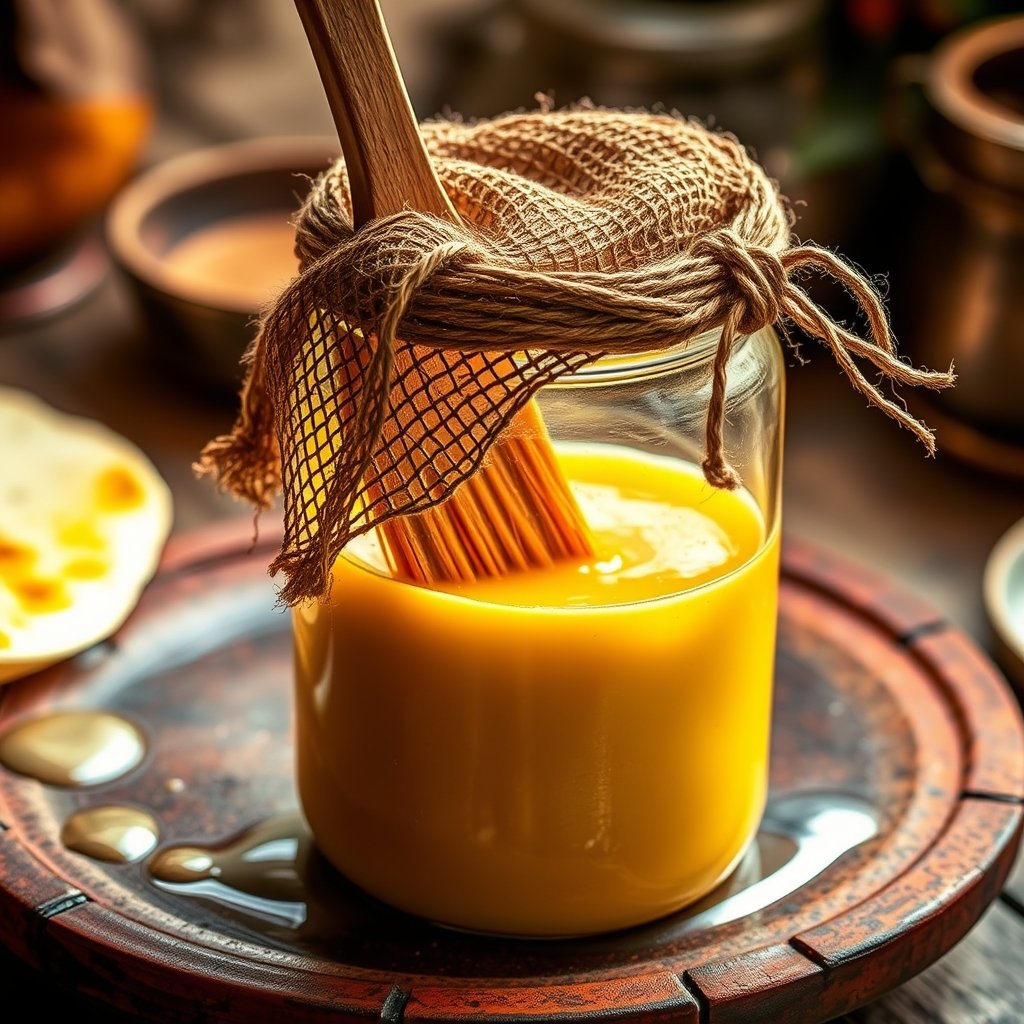
How Much Ghee Goes Into a Roti
Discover exactly how much ghee to spread on an everyday phulka, when to apply it for lasting softness, and how wheat chapati compares to winter…
Read this →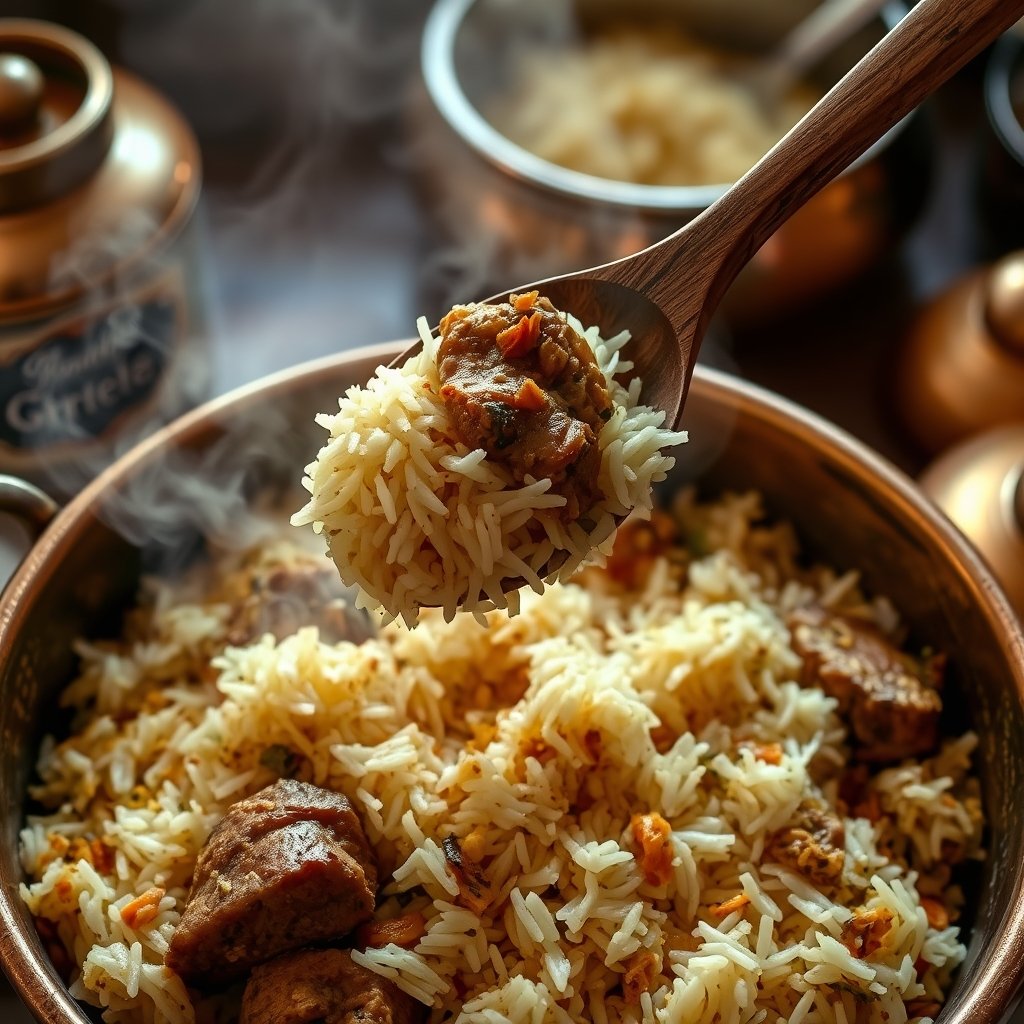 21 Sep 2026
Biryani: Why the Fat You Choose Shows
The fat used in biryani determines whether the grains separate cleanly, how whole spices release their aroma during dum, and whether the meal leaves…
Read this →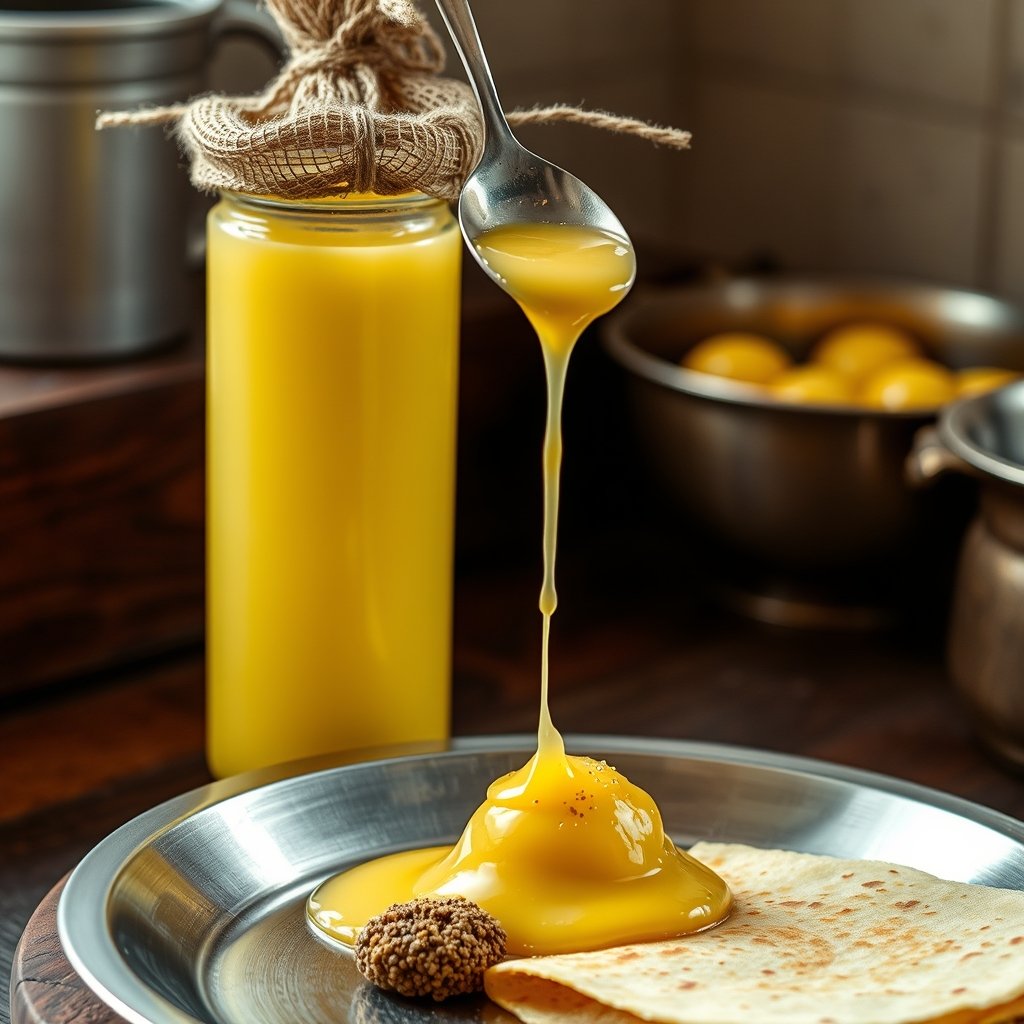 21 Sep 2026
Ghee in South Indian Cooking: Podi, Pongal and Dosa
Discover how A2 Gir cow bilona ghee enhances South Indian classics like ven pongal, idli podi, and crisp dosas through flavor carrying, heat…
Read this →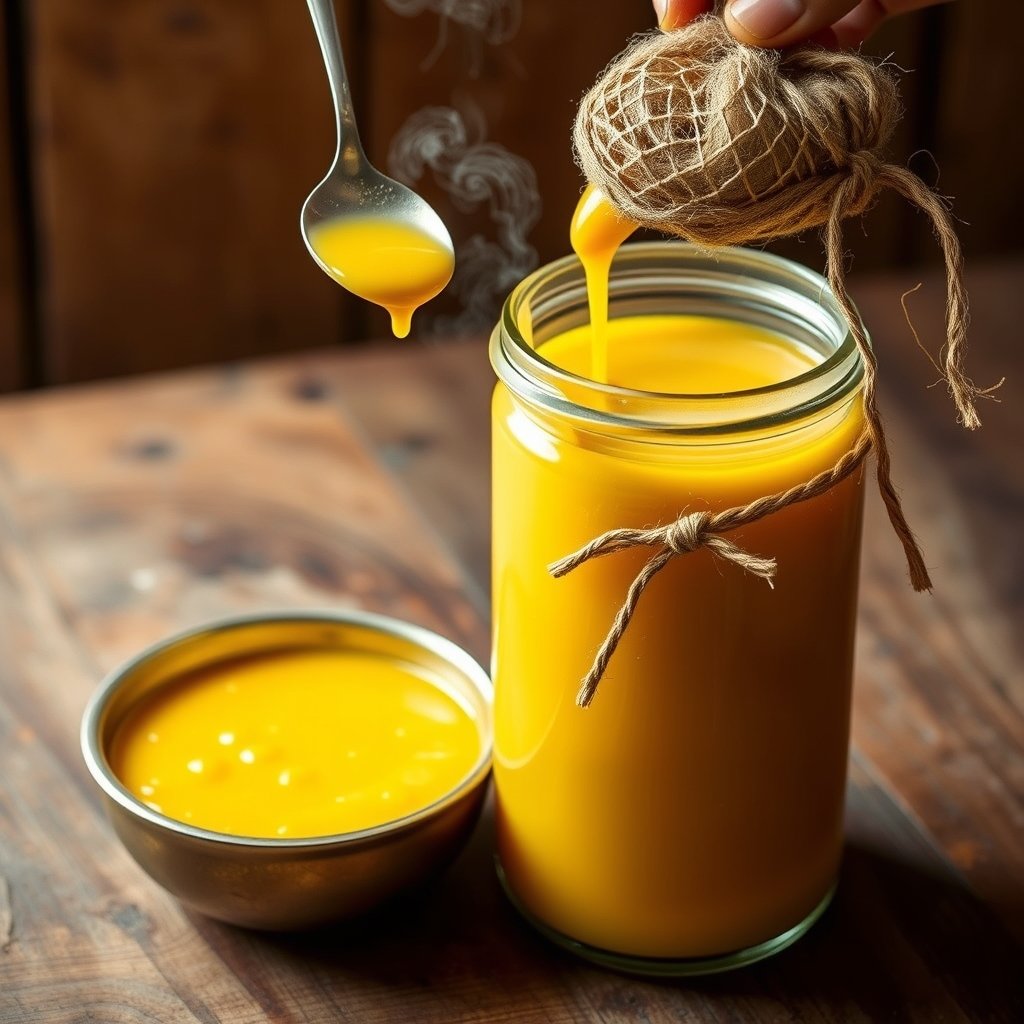 20 Sep 2026
Why Dal Tastes Different With Ghee
Dal tastes different with ghee because milk fats dissolve fat-soluble aroma compounds in spices while smoothing the natural astringency and earthy…
Read this →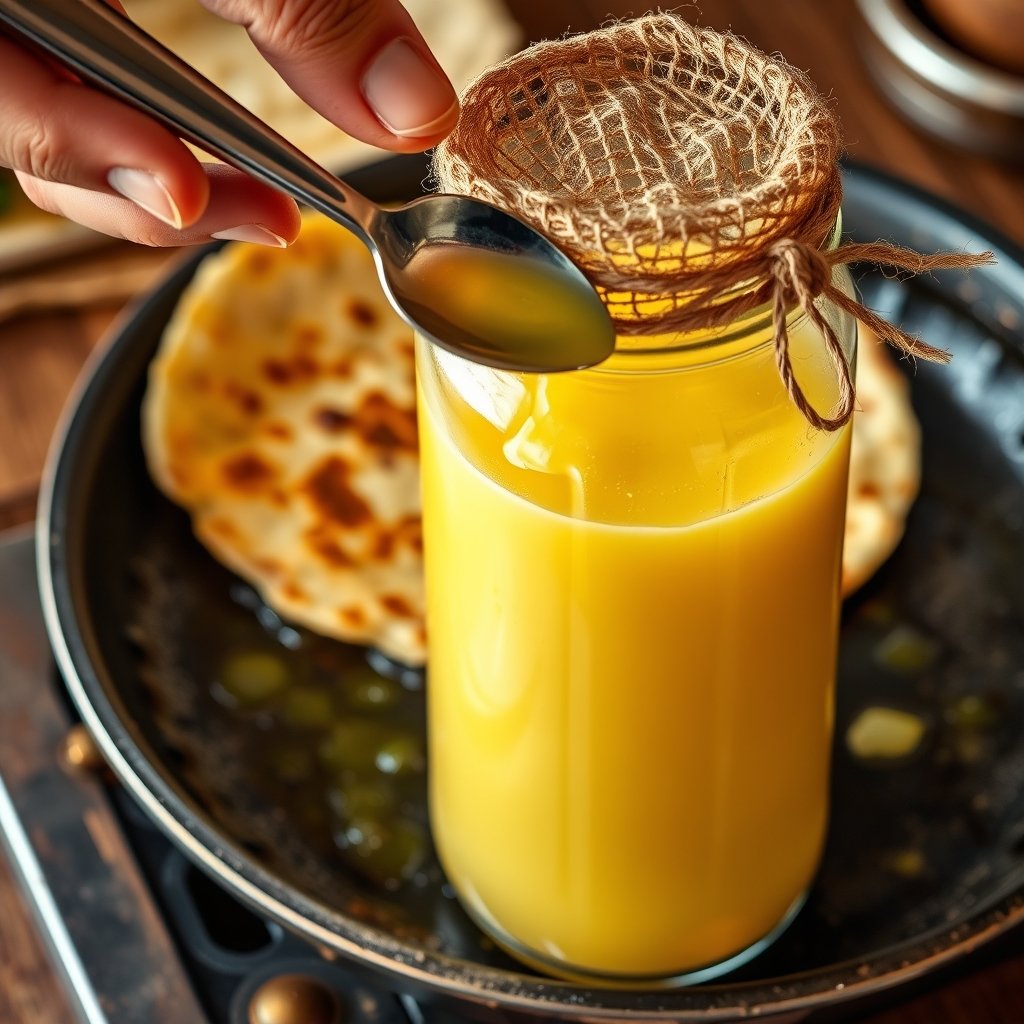 20 Sep 2026
Ghee for Parathas: How Much and When to Add It
Discover the ideal amount of ghee to use for parathas and exactly when to apply it for the perfect balance of flaky layers, golden crispness, and…
Read this → 20 Sep 2026
Can You Deep Fry in Ghee?
Yes, you can deep fry in ghee. Its high smoke point of around 250 degrees Celsius handles intense heat without burning, making it ideal for puris…
Read this →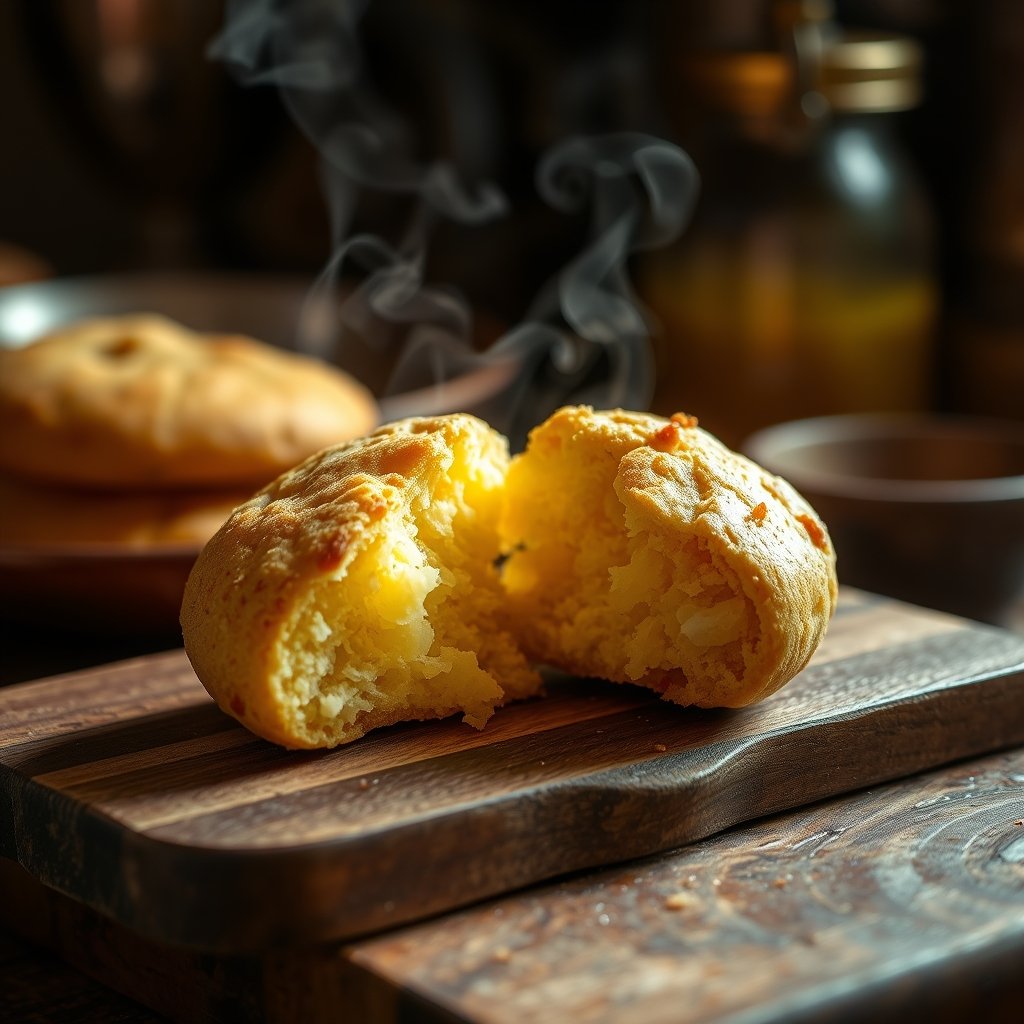 20 Sep 2026
Ghee in Baking: What It Does to Texture
Using ghee in baking changes the crumb, rise, and moisture of your baked goods. Learn how replacing butter or oil with traditional A2 Gir cow ghee…
Read this →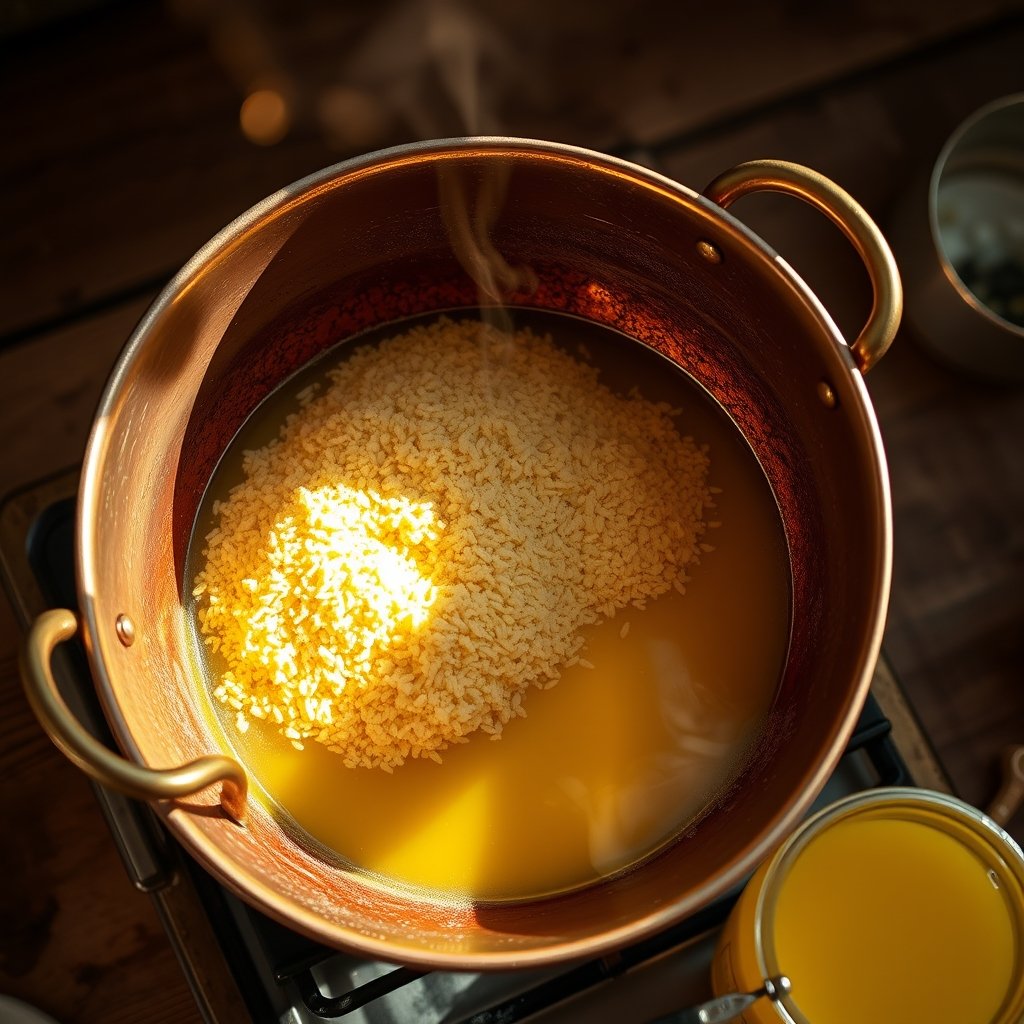 20 Sep 2026
Making Halwa With Ghee: Why the Fat Comes First
Discover why starting halwa with ghee is the essential technique for even roasting, lump-free texture, and rich aroma in traditional Indian sweets.
Read this →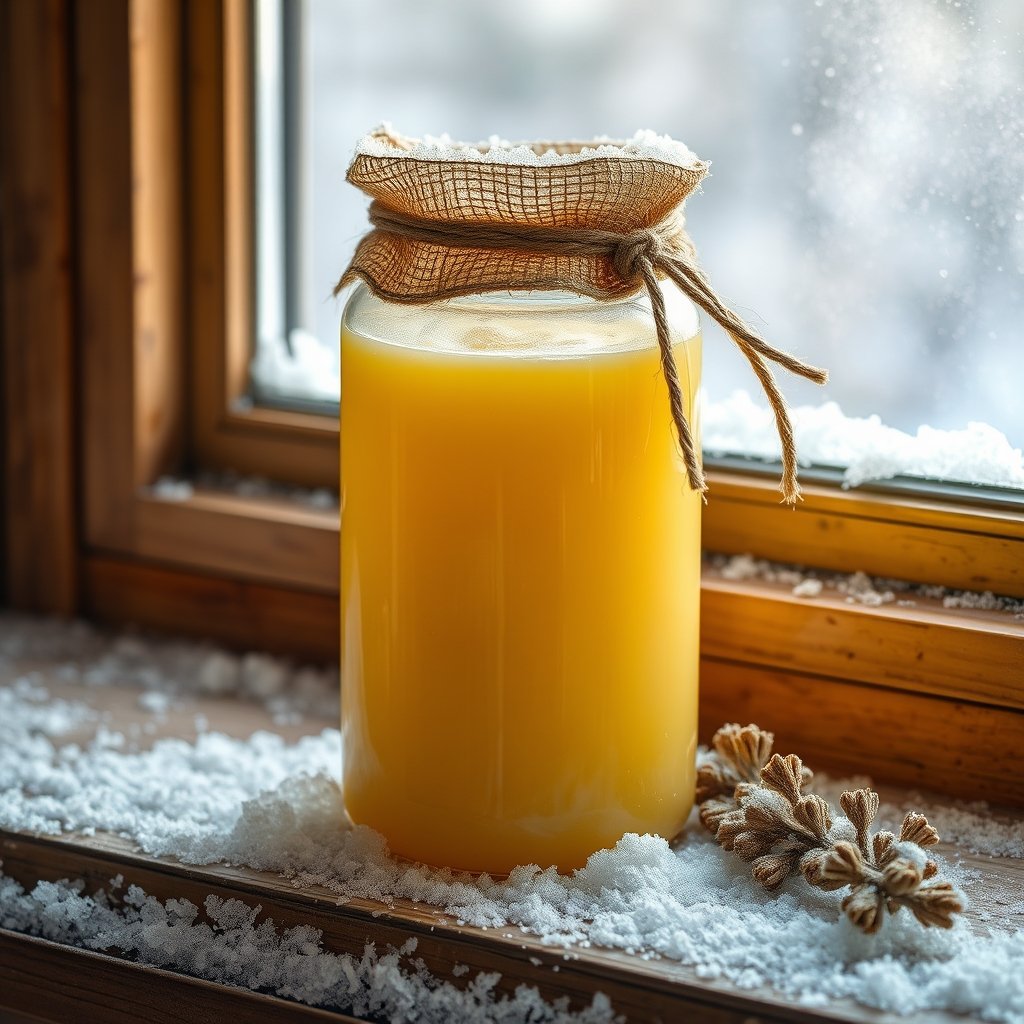 19 Sep 2026
Can You Freeze Ghee? Yes, and It Keeps Over a Year
Yes, you can freeze ghee safely for up to a year or longer, though traditional bilona ghee keeps remarkably well at room temperature on its own.
Read this → 19 Sep 2026
Why Your Ghee Turned Liquid: Normal Above 32°C
Ghee melts at about 32 to 35°C, so a jar that has gone liquid in an Indian summer is normal, not spoiled. Texture changes with temperature; quality…
Read this →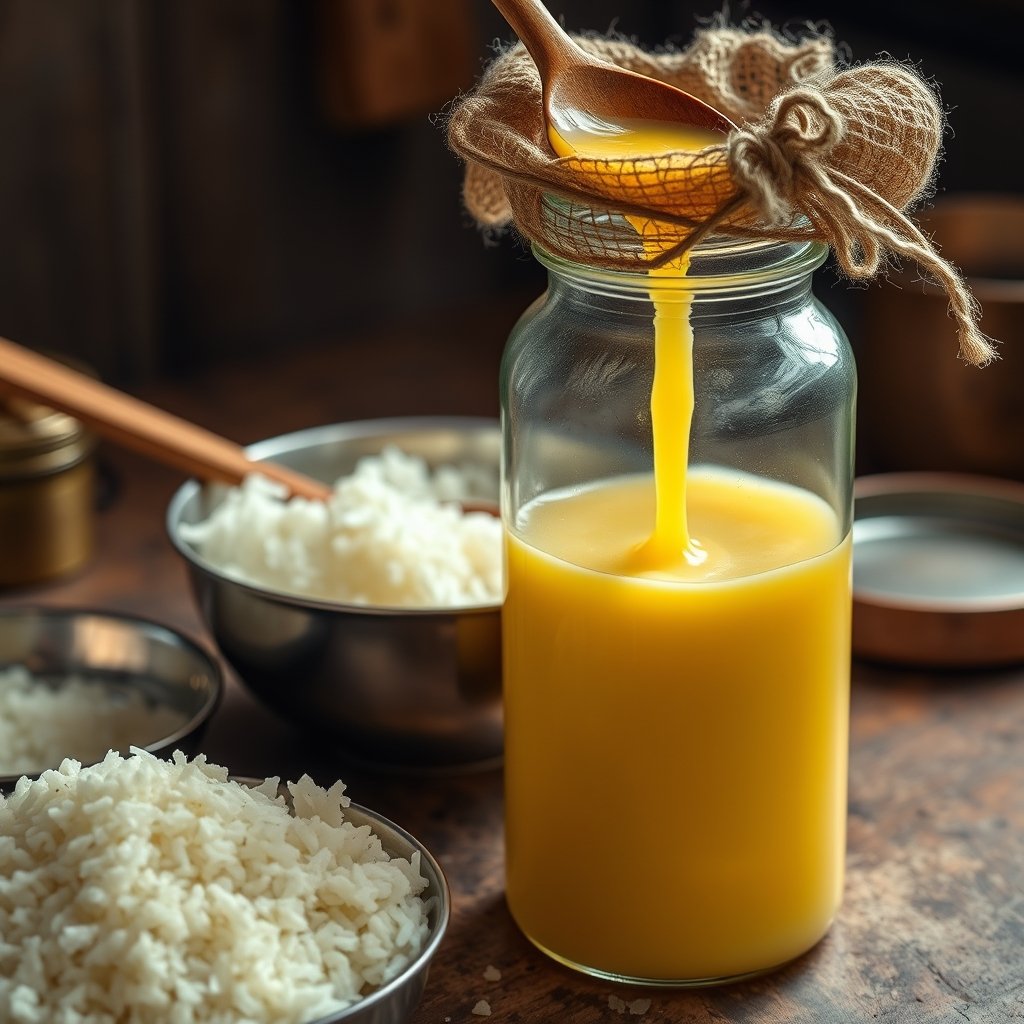 19 Sep 2026
How to Use the Last Bit of Ghee in the Jar
Learn how to reclaim every drop of A2 Gir cow ghee clinging to the sides of your jar using simple, traditional Indian kitchen techniques like hot…
Read this →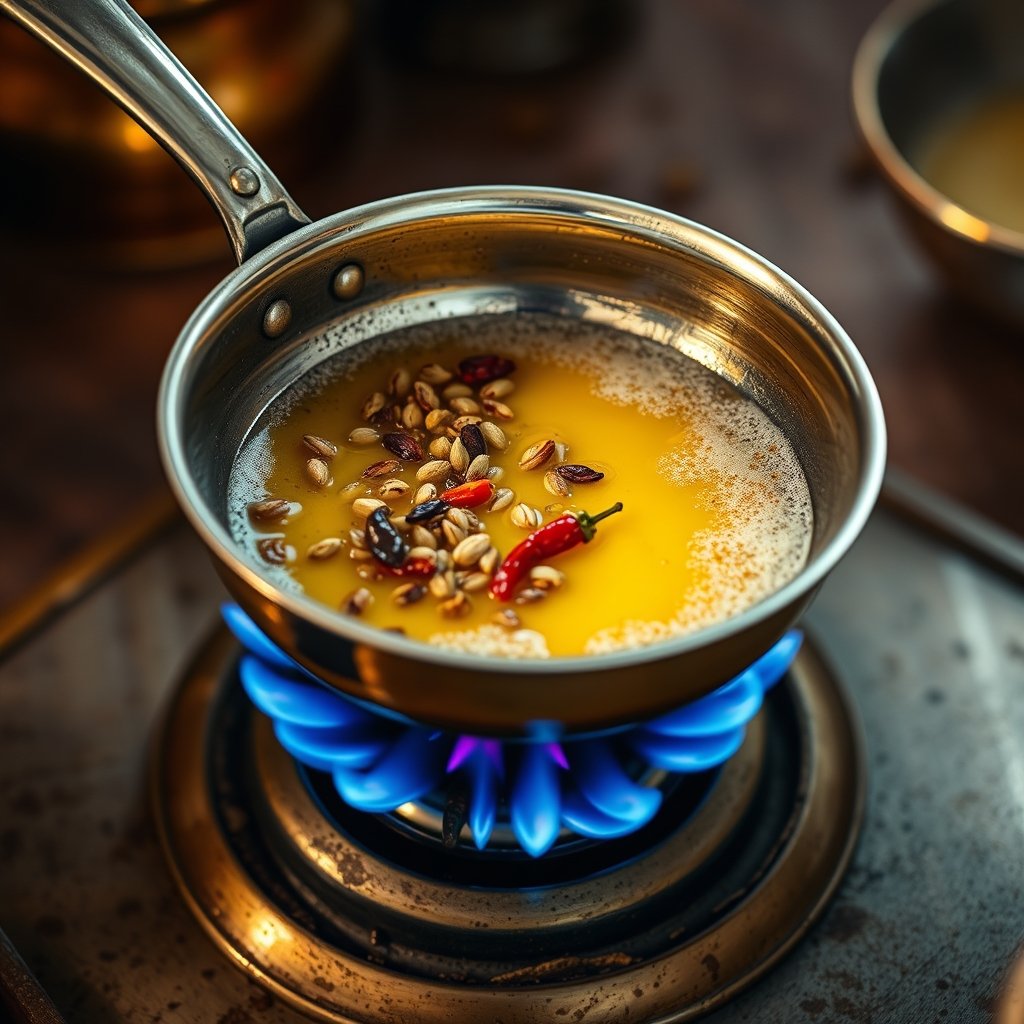 19 Sep 2026
How to Make a Proper Tadka With Ghee
Learn the precise technique of tempering with ghee to unlock the deep aromas of your spices and elevate your daily Indian cooking.
Read this →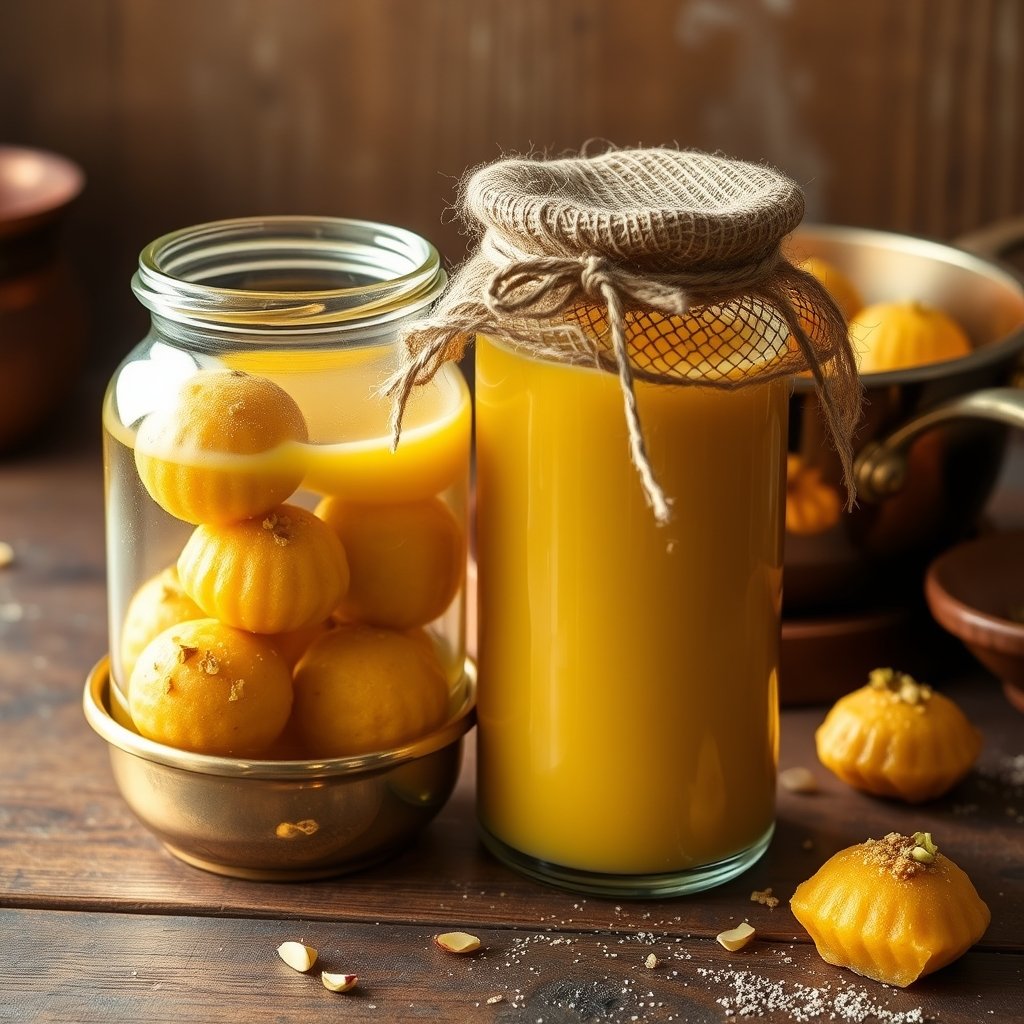 19 Sep 2026
Besan Ladoo and Why It Needs Real Ghee
Making the perfect besan ladoo requires the right fat. Learn why real, traditional A2 Gir cow bilona ghee is essential for roasting gram flour…
Read this → 18 Sep 2026
How Long Does Ghee Last Once Opened?
Once opened, pure A2 Gir cow bilona ghee lasts 6 to 9 months in a pantry and over a year in the fridge. Learn the factors affecting shelf life, how…
Read this →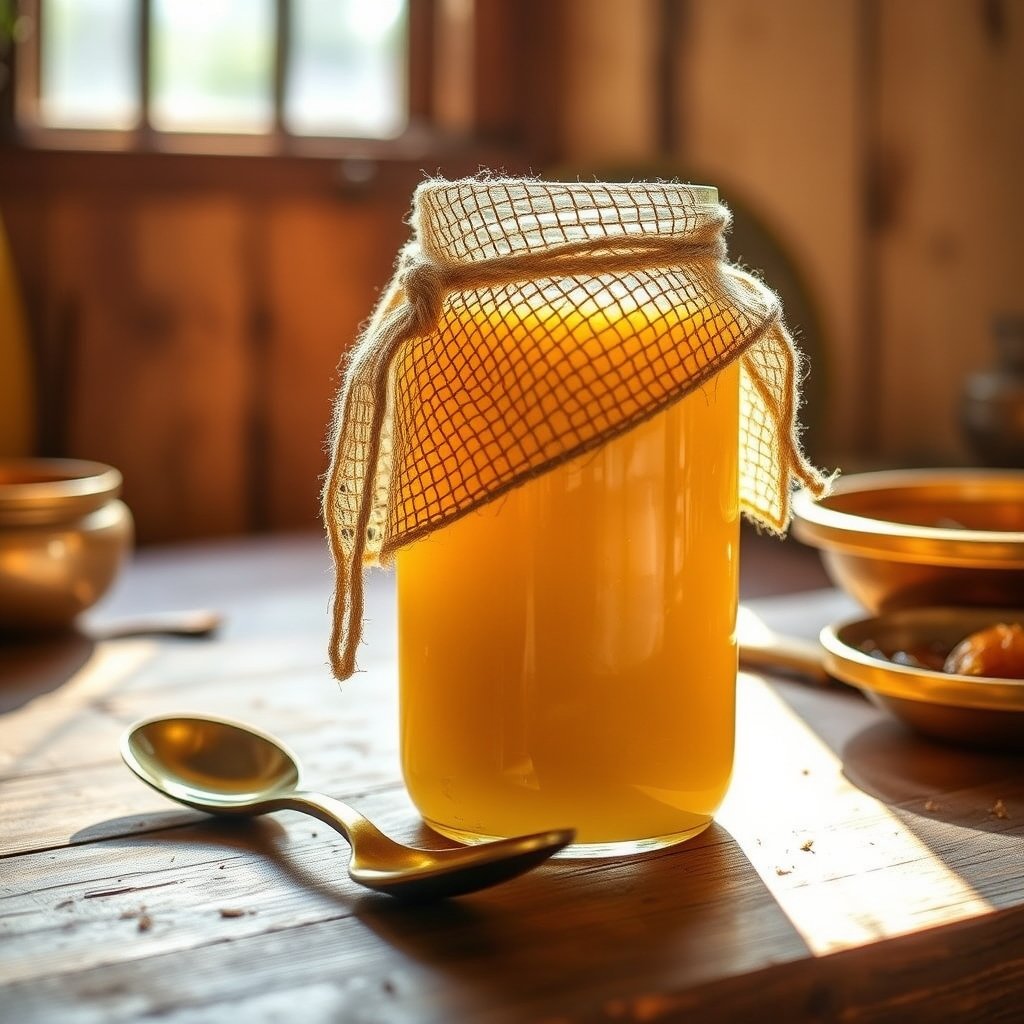 18 Sep 2026
Does Ghee Need to Be Refrigerated?
Discover why pure bilona ghee stays fresh in your kitchen cupboard without any refrigeration, and how to store it to keep its rich, grainy texture…
Read this → 18 Sep 2026
Why Ghee Goes Rancid, and How to Tell
Ghee turns rancid primarily through oxidation triggered by moisture, air, or sunlight. Learn the distinct signs of spoiled ghee and how traditional…
Read this → 18 Sep 2026
Storing Ghee in a Delhi Summer
Learn how to maintain the quality and aroma of your A2 Gir cow ghee during the intense Indian summer without losing its traditional texture.
Read this → 18 Sep 2026
The Right Jar for Ghee: Glass or Steel, Never Plastic
Glass or food-grade steel is the right jar for ghee: both are inert, so they hold its aroma without leaching. Plastic is the one to avoid.
Read this → 17 Sep 2026
What Adulterated Ghee Looks, Smells and Tastes Like
Adulterated ghee is smooth and waxy or oddly greasy, with none of the irregular danedar grain of real bilona ghee, and little of its roasted, nutty…
Read this → 17 Sep 2026
Reading a Ghee Label: What Each Line Actually Tells You
Understand what ghee label meaning truly involves by decoding terms like A2, bilona, and milk sources on your next jar of Indian kitchen fat.
Read this →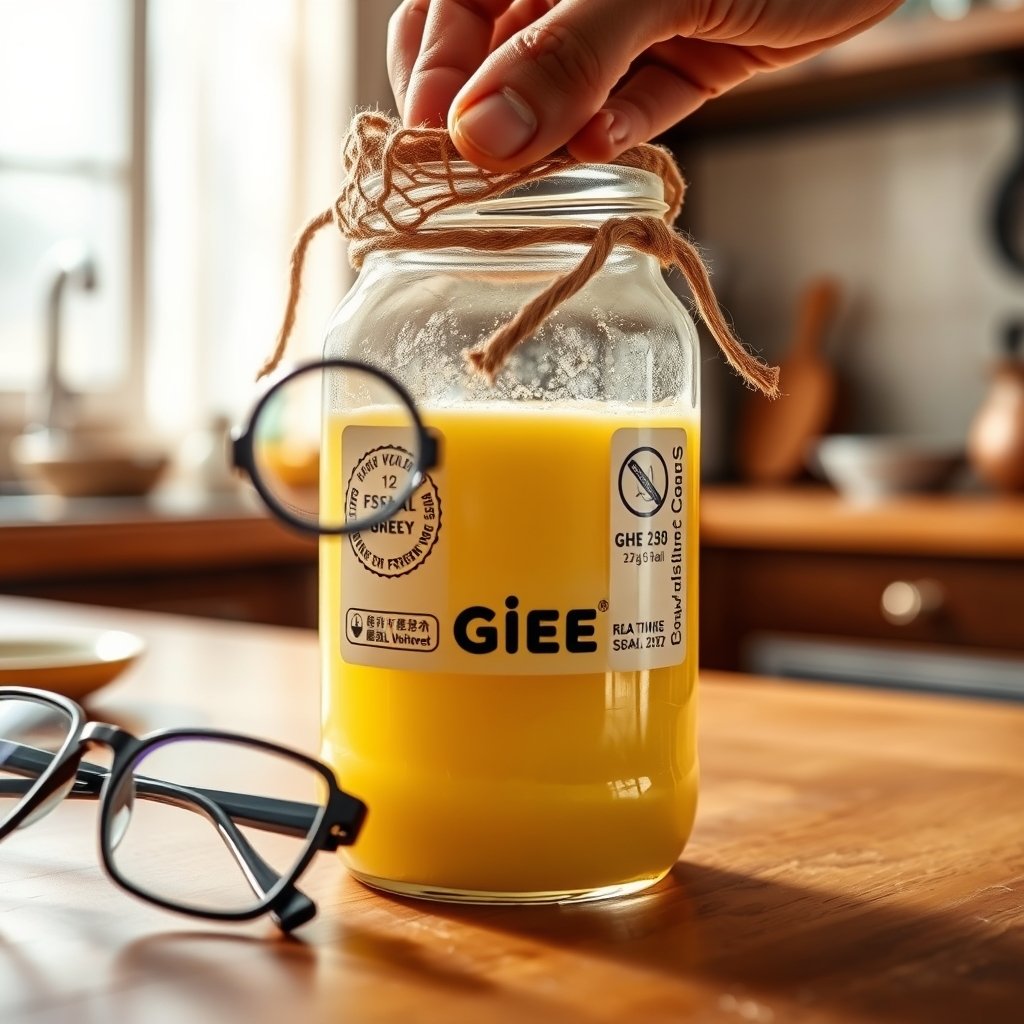 17 Sep 2026
What FSSAI Rules Say About Ghee Labelling
FSSAI requires a ghee label to name the animal source of the milk, the net quantity, the batch and packing date, and the maker's full contact details.
Read this → 17 Sep 2026
Why Real Ghee Has a Smell and Refined Fats Do Not
Discover why traditional bilona ghee carries a rich, nutty aroma while modern refined fats are odorless, and how the curd-churning process preserves…
Read this →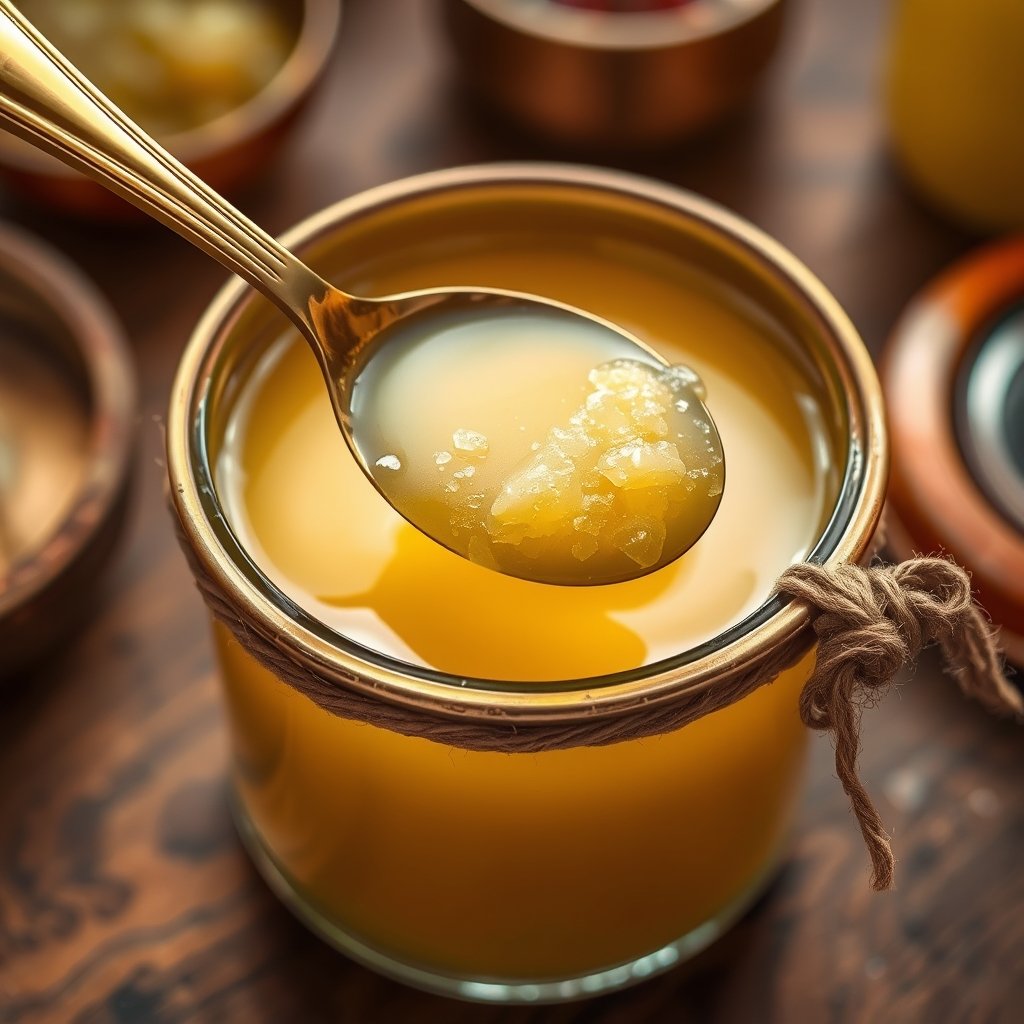 17 Sep 2026
Does Grainy Ghee Mean It Is Pure?
A grainy texture in ghee indicates how the fats crystallized during cooling, but texture alone is not absolute proof of purity. Learn how natural…
Read this →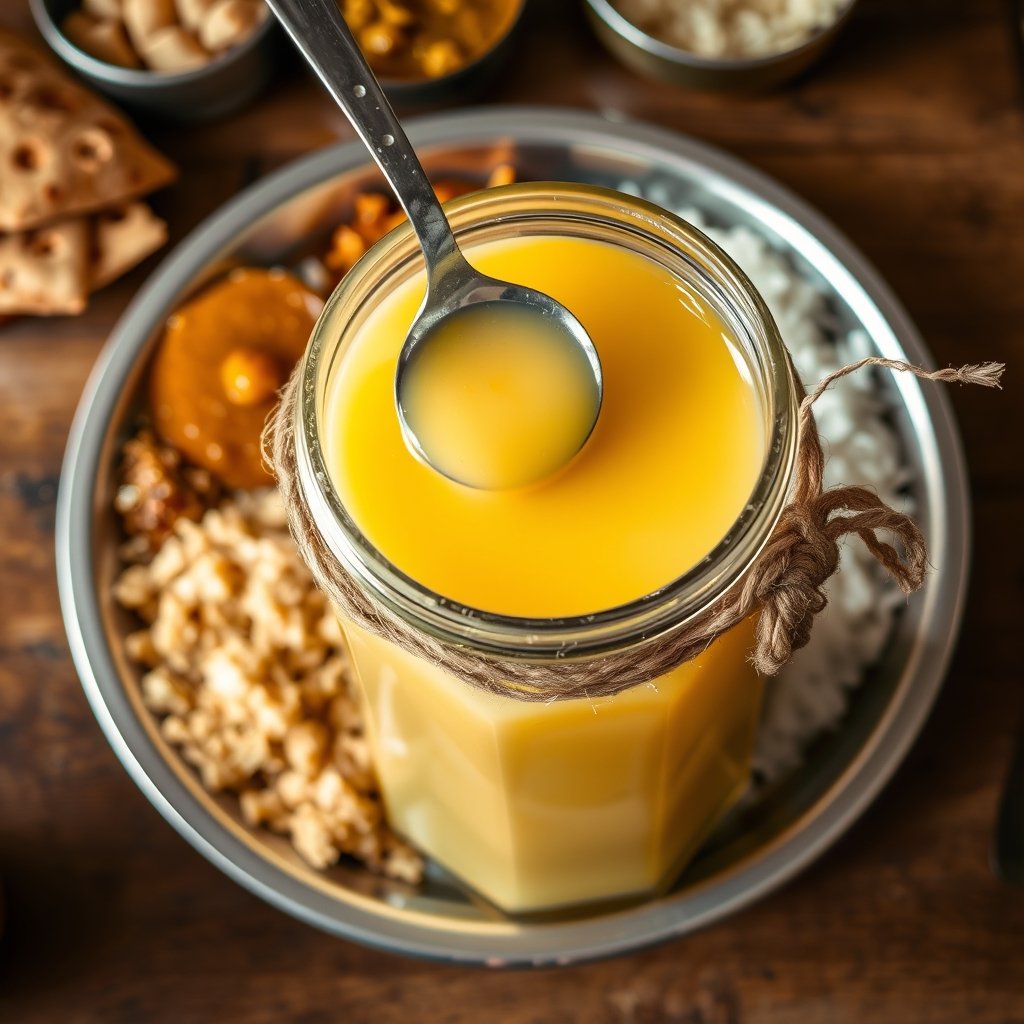 16 Sep 2026
How Much Ghee Does an Indian Family Use in a Month?
Are you wondering how much ghee a typical household goes through in thirty days? From daily rotis to weekend tadkas, here is a practical breakdown…
Read this →