
Why Dal Tastes Different With Ghee
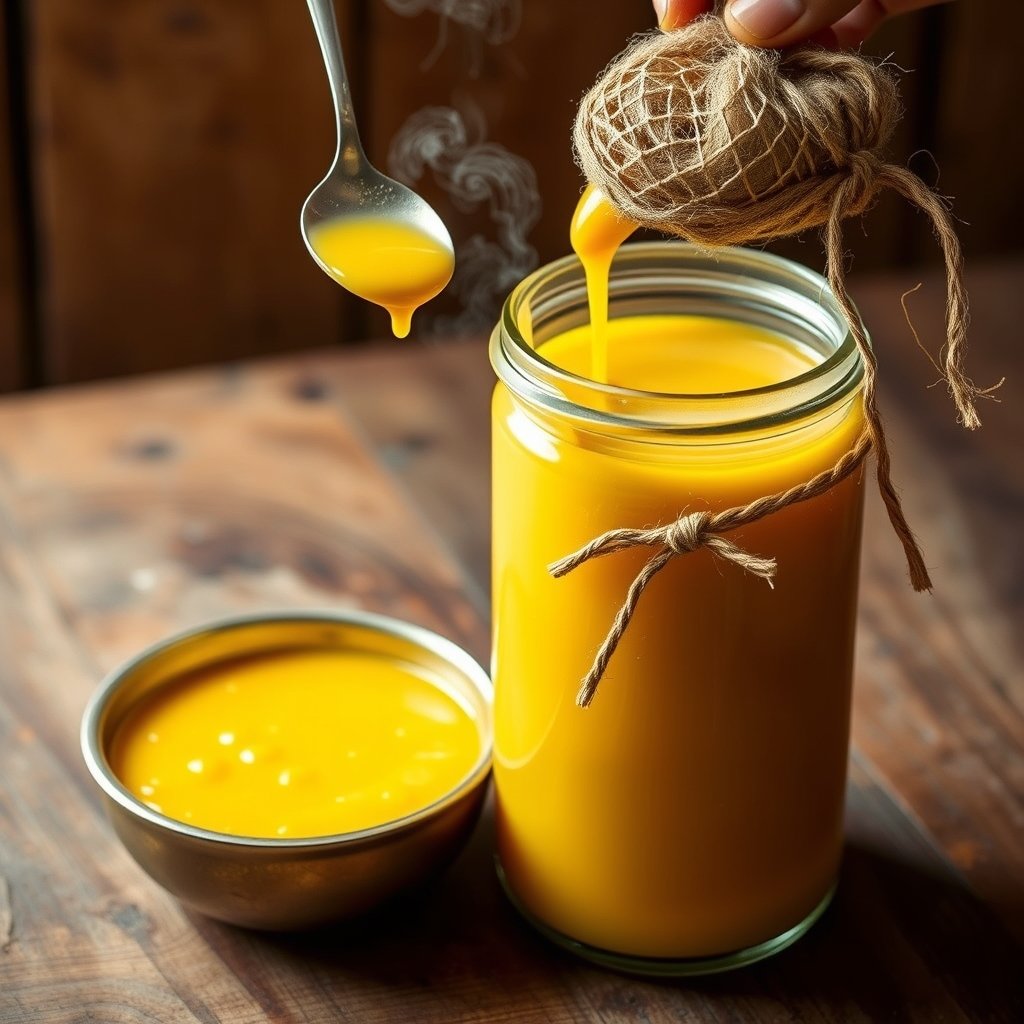
Dal tastes different with ghee because the dairy fat molecules bind directly to the fat-soluble spice compounds used in tempering, while the toasted milk solids soften the dry, earthy astringency inherent to boiled lentils. When you stir a spoonful of warm ghee into a bowl of dal, it does not simply sit as an oily layer on top; it coats the dissolved lentil starches, transforming a thin broth into a unified, rich dish with a rounded mouthfeel and an intensified aroma.
Why does fat change the flavour of cooked lentils?
Lentils are naturally high in protein and complex starches, but they contain virtually no fat of their own. As yellow toor, moong, or masoor boils in water with turmeric and salt, the starches swell, break down, and suspend in the liquid. While this gives dal its body, water alone cannot extract or carry the full spectrum of flavour from the spices added to it. Many of the key aroma compounds in Indian cooking—such as cuminaldehyde in cumin seeds, curcumin in turmeric, and capsaicin in dried chillies—are fat-soluble, meaning they require a lipid base to dissolve and disperse properly.
Refined vegetable fats can carry these spices to an extent, but traditional bilona ghee brings its own complex flavour chemistry. Because authentic Gir cow ghee is crafted by curdling whole milk, churning cultured butter, and simmering it gently over low heat, the remaining milk solids caramelise during the final clarifying stage. These browned solids develop sweet, nutty notes that counteract the chalky, slightly bitter undertone common to plain boiled pulses.
What happens when spices are bloomed in ghee versus oil?
The choice of cooking fat fundamentally alters the behaviour of the tadka, or tempering. The table below outlines how traditional ghee compares to refined seed oil when introduced to a pot of home-cooked dal.
| Element | Tadka with Bilona Ghee | Tadka with Refined Seed Oil |
|---|---|---|
| Aroma release | Deep, warm, and lingering; carries toasted cumin, hing, and garlic evenly throughout the dish. | Sharp and immediate; spices hit the nose quickly but fade rapidly once mixed into the liquid. |
| Mouthfeel | Silky and unctuous; coats the tongue and emulsifies naturally with lentil starches. | Slick and thin; tends to separate and float on the surface of the dal as a sheen. |
| Flavour balance | Browned milk solids mute raw lentil astringency and mellow intense chilli heat. | Neutral base provides heat delivery without adding richness or rounding sharp flavours. |
| Digestive quality | Traditional cooking views it as softening the dry, gas-forming nature of pulses. | Adds dietary fat without the aromatic warmth or digestion-friendly properties of cultured butter. |
When cumin seeds sizzle in ghee, the heat draws out their volatile oils into the liquid fat. At the same time, the nutty aroma of the ghee itself merges with the pungent kick of hing and the pungency of garlic. When this bubbling mixture is poured into the pot, the ghee emulsifies with the hot, starchy dal water, carrying those infused spice notes all the way through every bite rather than letting them float on the surface.
How does bilona ghee interact with the texture of dal?
Texture plays an enormous role in how the palate perceives taste. Boiled lentils without fat often feel slightly grain-like or watery on the palate, even when whisked thoroughly. Ghee acts as a natural emulsifier when stirred into hot dal. The rich fatty acids wrap around individual starch particles, giving the dal a velvet-like consistency.
This textural transformation is especially noticeable with split moong dal, which has a very mild taste and a light consistency. A single teaspoon of golden A2 Gir cow ghee gives moong dal a comforting weight without turning it cloying. In heavier preparations, like a slow-cooked toor or chana dal, the fat smooths out the rough edges of the thicker broth, making the texture feel deliberate and cohesive rather than heavy.
What does ayurvedic cooking say about pairing ghee with lentils?
In traditional Indian medicine and dietary thought, pulses are categorised as having predominantly kashaya (astringent) and madhura (sweet) tastes, alongside a ruksha (dry) and guru (heavy) nature. Because lentils are dry and light, they have a tendency to increase the Vata dosha, which can manifest in the body as flatulence, bloating, or digestive discomfort.
Ayurveda pairs dal with ghee precisely to balance these intrinsic qualities. Ghee is considered snigdha (unctuous, softening, and lubricating) and deepana (stimulating to the digestive fire, or agni). By combining the drying properties of boiled lentils with the smooth, nourishing qualities of cultured cow ghee, the meal becomes easier for the gut to break down and assimilate. The addition of hing and jeera in the ghee tadka is not merely for smell; it is a calculated culinary pairing designed to support comfortable digestion.
Should you add ghee in the tadka or at the table?
Both methods serve distinct sensory purposes, and many home cooks choose to do both. Using ghee in the tadka allows whole spices, mustard seeds, crushed ginger, and curry leaves to release their fat-soluble essences under medium heat, integrating deep aromatics into the whole pot. The heat slightly toasts the ghee further, lending a roasted quality to the entire meal.
Adding a raw spoonful of unmelted bilona ghee over a steaming bowl of dal just before eating offers a completely different experience. As the solid ghee melts into the hot dal on the plate, you catch the pure, unheated aroma of cultured butter alongside the fresh sweetness of Gir cow dairy. For the most balanced bowl of everyday dal, temper the pot with a modest ghee tadka on the stove, and let each person add a fresh spoon of ghee directly over their bowl at the dining table.