
Best Ghee for Cooking: Picking for Daily Dal and Roti
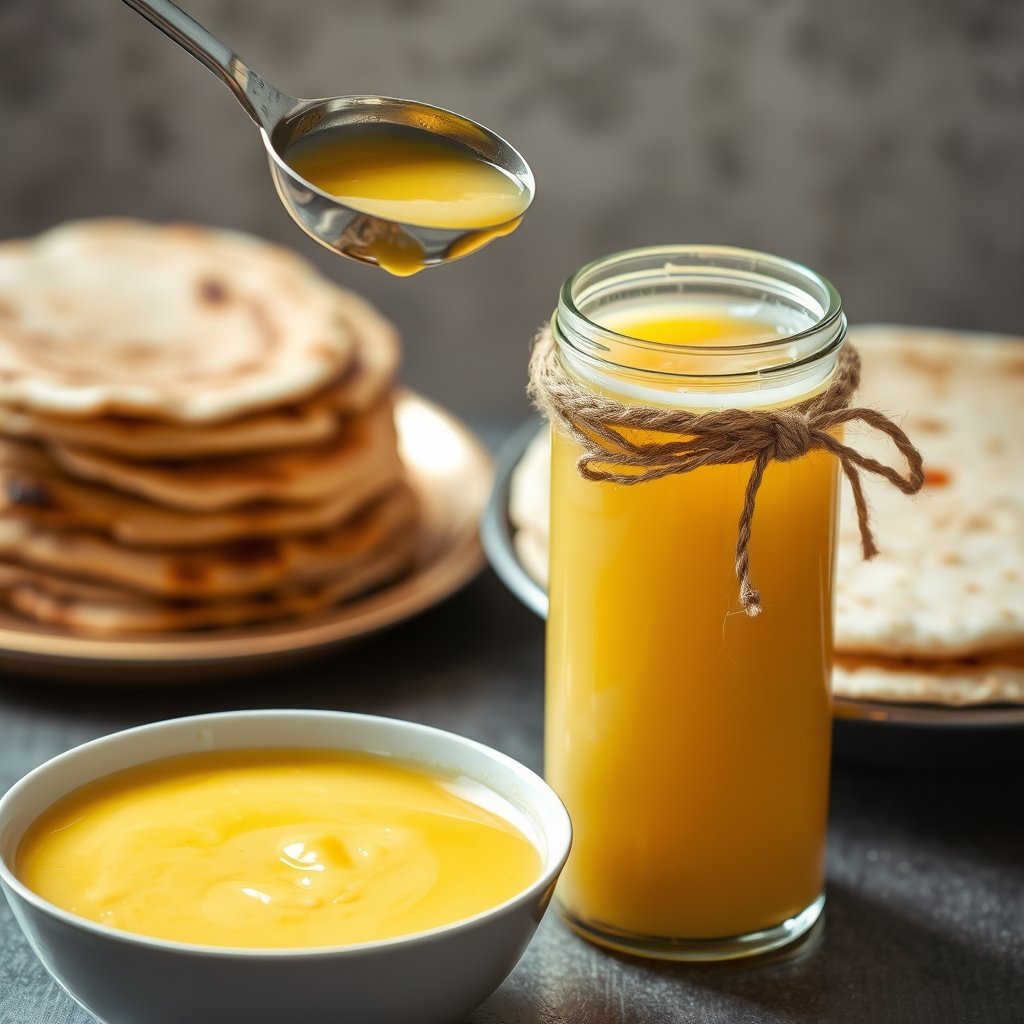
A2 Gir cow bilona ghee is the best choice for daily dal, roti, and tadka because its high smoke point of approximately 250°C (482°F) ensures the fat remains stable during high-heat tempering. Unlike butter, which contains water and milk solids that burn quickly, or some refined oils that can lose their nutritional value when heated, bilona ghee is a clarified fat that carries the flavors of spices deep into your pulses and grains without smoking or charring.
| Feature | A2 Gir Cow Bilona Ghee | Refined Vegetable Oil | |||||||||
|---|---|---|---|---|---|---|---|---|---|---|---|
| Extraction Method | Churned from curd (Bilona) | Chemical solvent extraction | Smoke Point | High (~250°C) | Variable (usually high) | Daily Flavor Profile | Rich, nutty, and toasted | Neutral or flat | Digestibility | Contains short-chain fats | Long-chain processed fats |
What makes a ghee suitable for high-heat tadka?
A suitable ghee for tadka must have a high smoke point and a low moisture content. When you drop cumin, mustard seeds, or dried chilies into hot fat, the temperature rises rapidly. A2 bilona ghee is ideal here because the traditional process involves simmering the butter until all water evaporates and the milk solids are strained out. This leaves behind a pure fat that can reach 250°C before it begins to smoke. In daily Indian cooking, this stability means your tempering will develop the full aroma of the spices without a burnt or bitter aftertaste that often happens with less stable fats.
Why is bilona ghee preferred for spreading on rotis?
Bilona ghee is preferred for rotis because its granular or 'danedaar' texture allows it to be absorbed evenly into the pores of the hot wheat bread. When you smear a teaspoon of A2 Gir cow ghee on a fresh phulka, it doesn't just sit on the surface like a greasy film; it permeates the layers, keeping the roti soft for several hours. This is particularly important for lunchboxes where rotis tend to get dry. The subtle, toasted aroma of bilona ghee, which comes from the slow-cooking of the butter over a mild flame, complements the natural sweetness of the wheat without overpowering it.
Our cows are not use and throw

A cow that stops giving milk is still our cow. She stays on the farm, with the same feed, the same shed and the same medical care she had when she was milking. We do not sell her on and we do not let her go. That is the whole basis of the ghee we make — you cannot ask an animal for her milk and then abandon her for it.
Our mission goes further than our own herd. There are cows on the street who are injured every day, who eat plastic, who cry through the night with nobody coming. We want to take them in. The plan is a chain of Organic Farmz gaushalas in several places, so that help is not one shed in one city but something a hurt animal can actually reach.
This takes more than we can carry alone — land, fodder, vets, hands. Come and join our initiative. Anything you give goes to feed, treat and shelter these cows.

Scan with any UPI app
Bank transfer
- Account name Organic Farmz
- Bank Indian Bank
- Account number 8133177322
- IFSC code IDIB000K555
- UPI ID organicfarmz@ptaxis
On a phone, the button above opens your UPI app directly — a QR on the screen you are reading cannot be scanned by that same screen. On a laptop, scan the code with your phone instead.
How does A2 Gir cow ghee improve the taste of dal?
The addition of A2 Gir cow ghee to a bowl of dal provides a complex layer of flavor that simple oils cannot replicate. Because the ghee is made from the milk of grass-fed Gir cows and then cultured into curd before churning, it carries a lactic tang and a deep nuttiness. When swirled into a bowl of arhar or moong dal, the fat molecules bind with the salt and spices, coating the palate and extending the finish of the meal. This creates a sense of satiety and fullness that is characteristic of traditional Indian home cooking, where the 'ghee ka tadka' is the final, essential step of the recipe.
When is a cheaper cooking fat a more sensible choice?
A cheaper cooking fat, such as a high-quality cold-pressed vegetable oil, is a more sensible choice for deep-frying in large volumes, such as making batch after batch of pakoras or pooris for a large gathering. A2 bilona ghee is a handcrafted, labor-intensive product, and using liters of it for deep-frying can be prohibitively expensive for most households. Furthermore, the delicate, nuanced aroma of bilona ghee can be lost if it is used repeatedly for frying heavy batters. In a sensible daily kitchen, use vegetable oils for high-volume frying and reserve your premium A2 bilona ghee for tadkas, parathas, and finishing drizzles where its flavor is the star of the dish.
Does the traditional bilona method impact daily digestion?
The bilona method involves turning milk into curd, which is then churned to extract butter. This culturing process is what distinguishes traditional ghee from industrial versions made by spinning raw cream in a centrifuge. In the context of daily Indian meals, this cultured fat is often cited in Ayurveda as being easier on the 'Agni' or digestive fire. For a family eating dal and roti twice a day, choosing a ghee that has undergone this fermentation step ensures the fat is broken down more efficiently. This prevents the heavy, sluggish feeling that sometimes follows a meal cooked with highly processed industrial fats.
What should you look for on the label for daily use ghee?
When picking a ghee for daily use, the label should ideally state 'Bilona Churned' and 'A2 Gir Cow Milk' to ensure you are getting a fat that hasn't been stripped of its natural properties. Check the ingredients list; it should contain exactly one item: milk fat or clarified butter. Avoid any products that list 'vegetable ghee' or 'vanaspati,' as these are hydrogenated fats that behave very differently in the body and the pan. A good daily ghee will also have a natural golden yellow hue, which comes from the beta-carotene in the grass-fed cow's diet, indicating a higher quality of raw material than the white, bleached appearance of mass-produced alternatives.
Taste the difference
Small-batch A2 Gir cow ghee, hand-churned to order and delivered across India. Read how we make it if you want the detail first.
Order a jarKeep reading
-
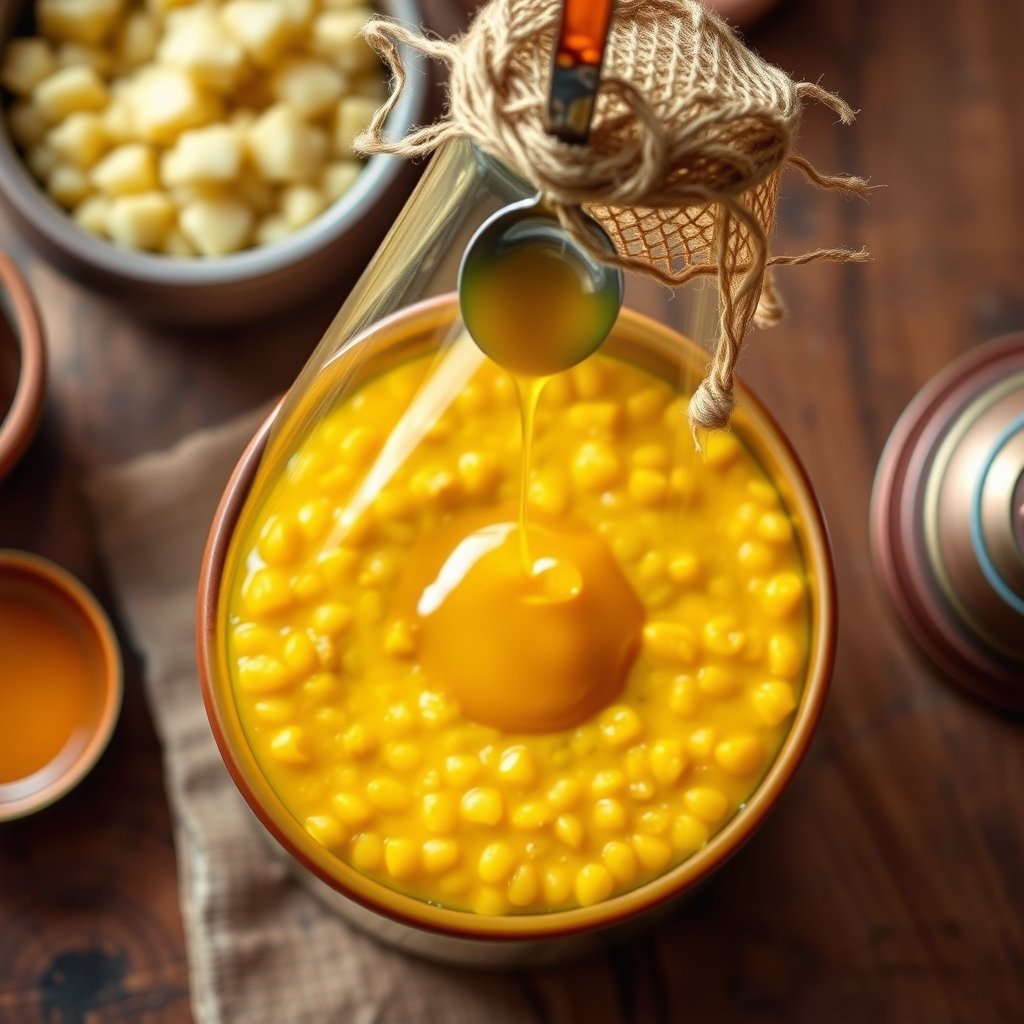 Ghee on Khichdi: The Traditional Ratio for Comfort Meals
One teaspoon of bilona ghee per bowl of khichdi provides the fats needed to balance the grains. This…
-
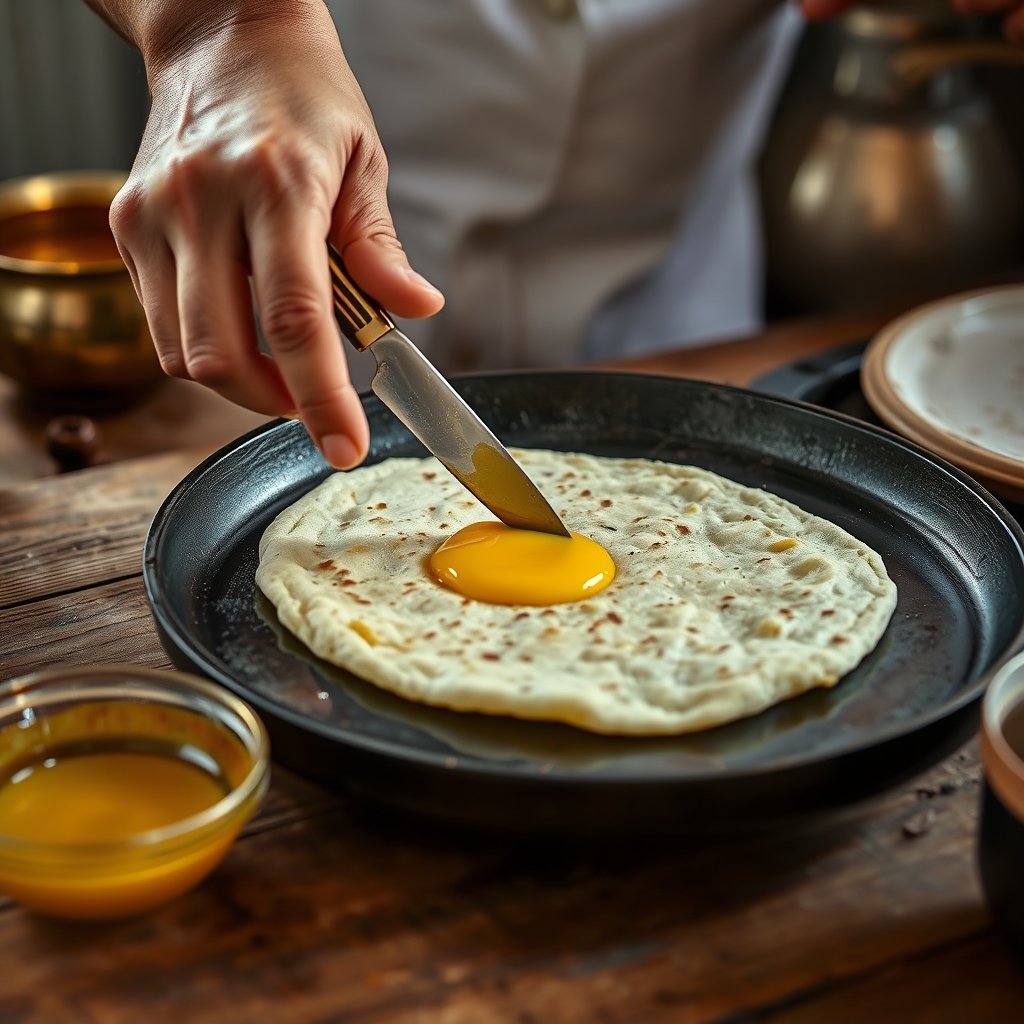 Soft Phulkas for Hours: Smear Ghee Off the Flame
Smearing bilona ghee onto phulkas immediately off the tawa seals in steam to keep flatbreads tender…
-
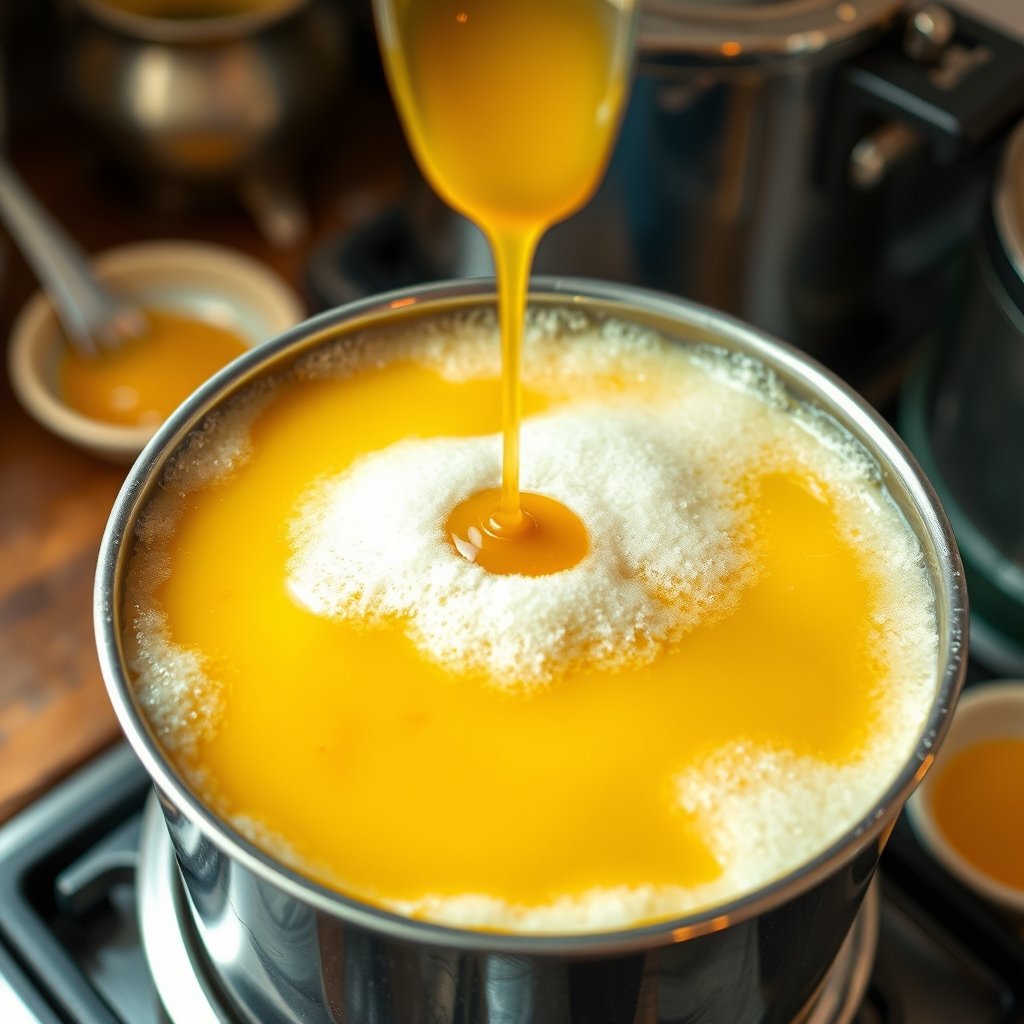 Adding Ghee to Boiling Dal: It Prevents Overflow
A single teaspoon of bilona ghee breaks surface tension to stop dal from frothing through the pressure…
