
How Much Ghee Does an Indian Family Use in a Month?
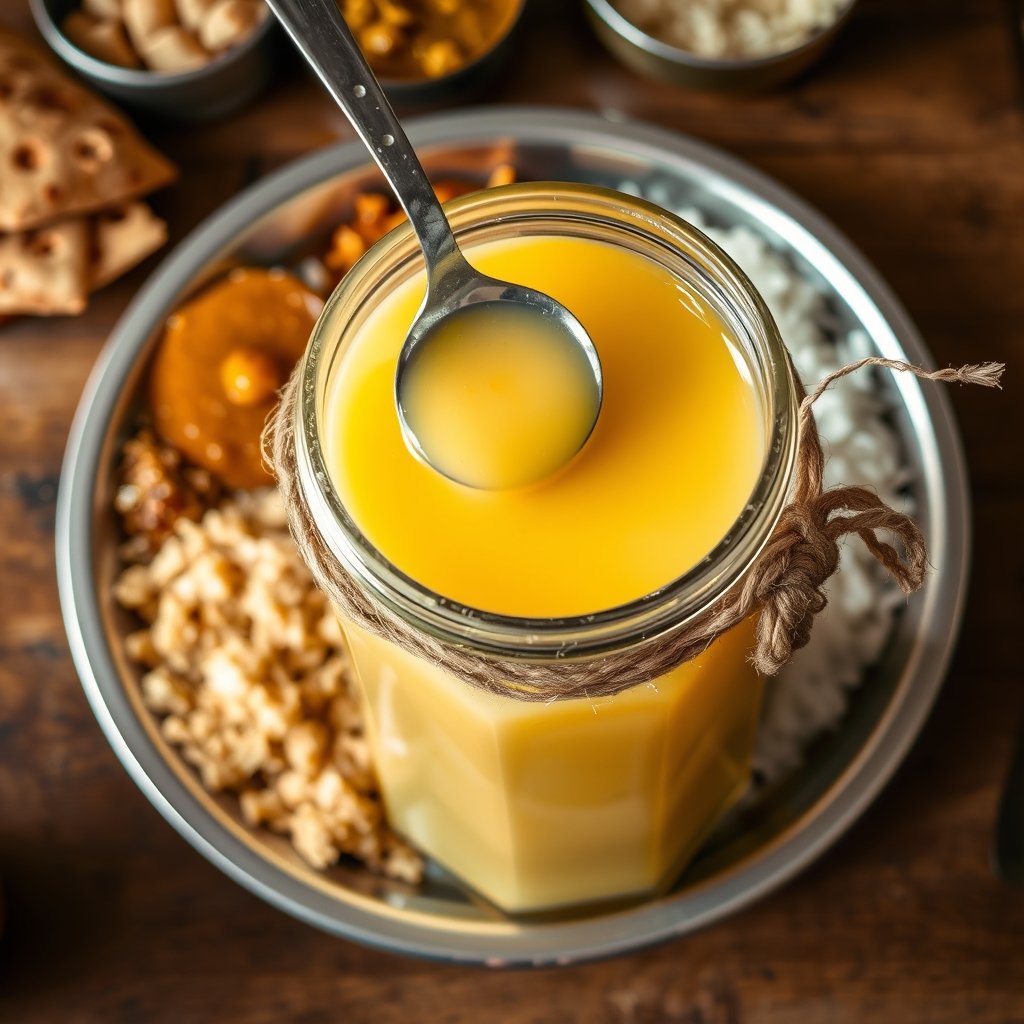
An average Indian family of four typically consumes between 1 to 2 kilograms of ghee per month, depending on regional cooking habits, seasonal changes, and daily dietary practices. This estimate can fluctuate; a household that prepares daily rotis, traditional sweets, and festive tadkas might easily use closer to 2.5 kilograms, while a lighter-cooking household might find that a single 1-kilogram jar lasts well over six weeks. Understanding this consumption pattern helps in planning kitchen pantries, especially when shifting from mass-produced fats to high-quality, hand-churned A2 Gir cow bilona ghee.
How does family size and region affect monthly ghee consumption?
Geographical location and family dynamics shape these numbers significantly. In Northern and Western India, where wheat-based rotis, parathas, and rich dals form the core of daily meals, ghee usage is generally higher. Every roti is smeared with a touch of warm ghee, and dal is finished with a generous ladle. In Southern and Eastern India, where rice and seed oils are more prominent, ghee is often reserved for hot steamed rice at the start of a meal, traditional sweets, or specific weekend curries, keeping the monthly consumption closer to 500 grams to 1 kilogram for a similar family size.
How is daily ghee distributed across meals?
To visualize how a family uses 1.5 kilograms of ghee in thirty days, it helps to look at the daily kitchen flow. A standard teaspoon holds about 5 grams of ghee. If a family of four consumes a modest two teaspoons per person daily—spread across morning parathas, afternoon dal, and evening rotis—the daily consumption stands at 40 grams. Over a thirty-day month, this basic usage alone totals 1.2 kilograms. This does not account for occasional weekend baking, roasting semolina for an impromptu halwa, or greasing baking pans, which easily pushes the average closer to the 2-kilogram mark.
Why does the type of ghee impact how much you use?
Not all ghee performs the same way in the pan. Traditional A2 Gir cow ghee made via the bilona method (churning curd rather than separating cream) has a distinct, granular texture and a deep, complex aroma. Because the bilona process retains the natural moisture-binding properties and aromatic compounds of the milk fat, a smaller spoonful often delivers the same culinary satisfaction as a larger dollop of commercial, cream-derived ghee.
| Aspect | Traditional Bilona Ghee | Commercial Cream-Separated Ghee |
|---|---|---|
| Aroma & Intensity | Rich, nutty, and highly aromatic; a small spoonful goes a long way. | Mild, often neutral aroma; requires larger quantities for the same flavor. |
| Texture | Naturally granular (danedaar) due to slow cooling. | Smooth or greasy, lacks distinct grain structure. |
| Yield in Cooking | High efficiency; coats food evenly without making it feel overly heavy. | Often absorbs quickly into food, tempting cooks to add more. |
How do seasonal changes affect monthly ghee usage?
Weather plays a significant role in how much ghee a household uses. During the cold winter months, ghee consumption naturally rises in Indian homes. Ayurveda highlights ghee as a warming food that supports joint lubrication and digests easily when the digestive fire (agni) is naturally strong in cold weather. Families prepare winter specialties like panjiri, gond ke laddoo, and gajar ka halwa, which require slow-roasting ingredients in generous pools of ghee. Consequently, a family that uses 1 kilogram of ghee in July might find themselves using up to 2.5 kilograms in January.
How does Ayurveda view daily ghee intake?
From an Ayurvedic perspective, ghee is not just a cooking fat but a vital vehicle for nourishment, known as a carrier or anupana. Rather than consuming it cold or raw, traditional wisdom suggests melting it over warm foods. This not only makes the dishes easier to digest but also ensures that the fat-soluble nutrients are absorbed properly by the body's tissues. Utilizing a jar of genuine A2 Gir cow ghee in this mindful, steady manner ensures that every gram contributes to the household's overall culinary well-being without excess or waste.