
Cooking vs Finishing Ghee: Use One Jar or Two?
What is the difference between cooking ghee and finishing ghee?
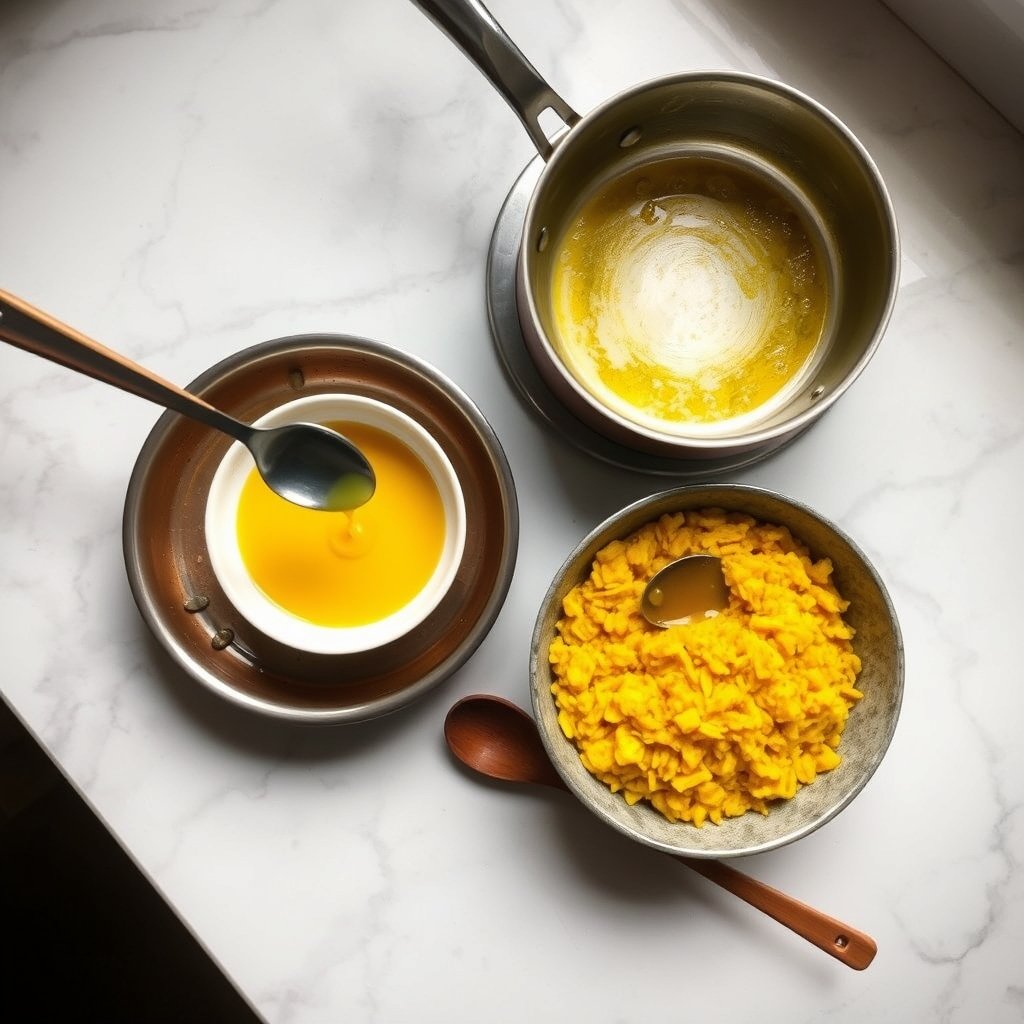
You can use a single jar of high-quality A2 bilona ghee for both cooking and finishing, but keeping two different types is a practical way to manage your kitchen budget without losing out on aroma. Cooking ghee is the fat used during the heat-intensive phases of a recipe, such as sautéing onions, deep-frying snacks, or tempering spices in a hot tadka. In these instances, the ghee is subjected to sustained high temperatures. Finishing ghee, on the other hand, is added to a dish after it has been removed from the heat. This includes drizzling it over a bowl of steaming dal, spreading it onto a fresh phulka, or stirring it into a hot khichdi just before serving. The primary difference lies in how the heat interacts with the ghee’s natural volatiles and delicate scent.
Can you use the same ghee for deep frying and topping?
While it is technically possible to use a premium A2 Gir cow bilona ghee for deep frying, it is often considered a waste of the ghee's most prized qualities. Ghee has a very high smoke point, usually around 250°C, making it exceptionally stable for frying. However, the complex, nutty aroma and the specific grainy texture of bilona ghee are the results of a slow, labor-intensive process of culturing curd and hand-churning butter. When you use this artisanal ghee for deep frying—where it is kept at high heat for fifteen or twenty minutes—the subtle aromatic compounds tend to dissipate. For high-volume cooking or deep frying, many households choose a more economical, standard desi ghee that provides the necessary fat and stability without the higher cost of a hand-churned variety.
| Feature | Cooking Ghee (Tadka/Frying) | Finishing Ghee (Topping) |
|---|---|---|
| Heat Exposure | High and sustained (180°C to 250°C) | Low (residual heat from food) |
| Primary Role | Heat transfer and spice blooming | Aroma, flavor enhancement, and texture |
| Recommended Type | Standard Desi Ghee or A2 Ghee | A2 Gir Cow Bilona Ghee |
| Aroma Profile | Blends into the overall dish | Stands out as a distinct top note |
Why is A2 Gir cow bilona ghee ideal for finishing?
The finishing stage is where the sensory properties of bilona ghee truly shine. Because the ghee is only meeting the residual heat of the food, the aromatic profile remains intact. When you place a dollop of A2 Gir cow ghee on hot rice, the heat is just enough to melt the grains (danas) and release the scent of caramelized milk solids and cultured butter. This method is deeply rooted in Ayurvedic traditions, where the raw, unheated or lightly warmed properties of the fat are valued for their role in a balanced meal. Using a high-quality ghee as a finisher ensures that the most expensive fat in your pantry is enjoyed in its purest, most fragrant form.
Our cows are not use and throw
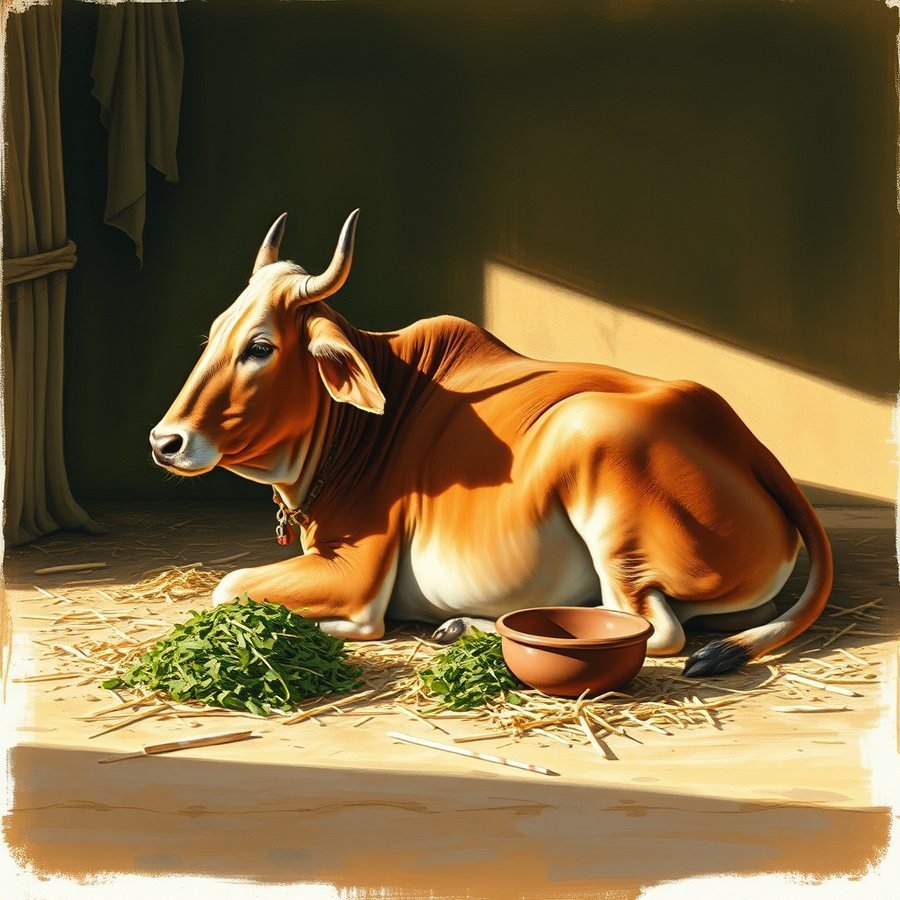
A cow that stops giving milk is still our cow. She stays on the farm, with the same feed, the same shed and the same medical care she had when she was milking. We do not sell her on and we do not let her go. That is the whole basis of the ghee we make — you cannot ask an animal for her milk and then abandon her for it.
Our mission goes further than our own herd. There are cows on the street who are injured every day, who eat plastic, who cry through the night with nobody coming. We want to take them in. The plan is a chain of Organic Farmz gaushalas in several places, so that help is not one shed in one city but something a hurt animal can actually reach.
This takes more than we can carry alone — land, fodder, vets, hands. Come and join our initiative. Anything you give goes to feed, treat and shelter these cows.

Scan with any UPI app
Bank transfer
- Account name Organic Farmz
- Bank Indian Bank
- Account number 8133177322
- IFSC code IDIB000K555
- UPI ID organicfarmz@ptaxis
On a phone, the button above opens your UPI app directly — a QR on the screen you are reading cannot be scanned by that same screen. On a laptop, scan the code with your phone instead.
What do you lose when you cook bilona ghee at high heat?
If you use a premium bilona ghee for a long-simmered curry or a deep-fried puri, you essentially lose the 'premium' experience. The traditional bilona method involves turning milk into curd, then churning that curd into butter (makhan), and finally simmering that butter over a slow fire. This creates a specific molecular structure and a rich, multi-layered flavor profile. Excessive heat during the cooking process breaks down these subtle flavor layers. While the nutritional fats remain, the 'soul' of the ghee—the reason you paid a premium for the Gir cow lineage and the hand-churned process—is largely cooked away. For a tadka that only lasts thirty seconds, a bilona ghee is fine, but for longer cooking, the distinction becomes less noticeable.
How does keeping two jars help your kitchen budget?
Maintaining a 'two-fat' system is a common strategy in Indian kitchens to balance cost and quality. A 1-litre jar of standard ghee can be used for the heavy lifting: greasing pans, frying parathas, and making the base of a sabzi. Meanwhile, a smaller 500ml jar of A2 Gir cow bilona ghee is kept as the 'finishing jar.' By using the expensive ghee only for topping dal, roti, and sweets, a single jar can last much longer. This ensures that every time you actually taste the ghee, you are tasting the highest quality possible, while the bulk of your caloric and functional cooking needs are met by a more affordable option. This prevents the 'burn rate' of your premium pantry items from becoming unsustainable.
Should you choose a single jar for all your kitchen needs?
Despite the logic of the two-jar system, some purists prefer using a single, high-quality A2 bilona ghee for every purpose. The argument for this is flavor consistency. If you use a lower-quality ghee for the tadka and a high-quality one for the finish, the base of the dish may lack the depth that a cultured ghee provides. Furthermore, for smaller households or those who do not cook in large volumes, managing two different jars might lead to the older jar sitting in the pantry for too long. If you value simplicity and want the peace of mind that comes with knowing every gram of fat in your meal is made by the traditional bilona method, sticking to one high-quality jar is the best approach. It simplifies the pantry and ensures that even your fried foods have the underlying richness of Gir cow A2 milk.
How do traditional Indian kitchens handle these fats?
In a traditional Indian kitchen, the 'ghee dani' (a small steel or brass container kept near the stove) is often filled with the freshest, most aromatic ghee for daily use. This is the ghee used for the final touch on the thali. The larger stocks, used for making seasonal sweets or festive frying, might be stored separately. This habit acknowledges that ghee is not just a cooking medium, but a garnish and a source of 'tripti' or satisfaction. Whether you choose to use one jar or two, the key is to ensure that the ghee you use for finishing is always the best you can afford, as that is the ghee that defines the final character of your meal.
Taste the difference
Small-batch A2 Gir cow ghee, hand-churned to order and delivered across India. Read how we make it if you want the detail first.
Order a jarKeep reading
-
 Ghee Quantity for a Couple: A 500ml Jar Works
A 500ml jar of ghee is the ideal quantity for a couple, lasting about four to six weeks across daily tadkas…
-
 Traditional Uses of Ghee Beyond Cooking
Ghee has long been used in Indian households for applications outside of the kitchen, including massage and…
-
 Ghee in a Student Kitchen: Cheap, Simple Uses
Living in a student hostel or shared apartment doesn't mean sacrificing flavour or traditional quality.…
