
Cooking With Ghee for Elderly Family Members

Is ghee a suitable choice for the daily meals of elderly family members?
Ghee is a suitable and traditional addition to the daily meals of elderly family members because it remains stable during cooking and integrates easily into comfort foods that support a gentle, balanced diet. In many Indian households, the inclusion of ghee in the diet of older adults is rooted in long-standing culinary practices, where it is used to enhance the digestibility and comfort of staple foods like lentils, rice, and cooked vegetables.
How does the bilona method influence the final product?
Our A2 Gir cow ghee is crafted using the traditional bilona method, which involves churning curd made from A2 milk to produce butter, which is then slow-heated. This labour-intensive process is preferred by many families because it maintains the integrity of the fat. For an elderly person, the quality of ingredients matters significantly, as their systems often benefit from simple, wholesome foods that do not place unnecessary stress on digestion. Bilona ghee, being free from industrial additives or high-heat refinement processes, is a consistent, reliable pantry staple.
What are the differences between traditional ghee and common refined cooking fats?
| Feature | Traditional Bilona Ghee | Refined Vegetable Oils |
|---|---|---|
| Production | Churned curd, slow-heated | Chemical solvent extraction |
| Stability | High smoke point, heat stable | Varies; often prone to oxidation |
| Taste | Rich, nutty aroma | Usually neutral or bland |
| Culinary Use | Tadka, drizzling, baking | Deep frying, general sauteing |
Why do we pair ghee with everyday comfort foods?
In Ayurvedic practice, ghee is frequently used as an anupana—a vehicle to transport nutrients into the system. For the elderly, whose appetite may fluctuate, meals such as warm khichdi or soft rotis served with a small amount of ghee can make the food more palatable. The aroma of ghee, derived from the natural caramelization of milk solids during the bilona process, can stimulate the appetite and make the act of eating more enjoyable, which is particularly important for seniors who may have diminished senses of smell or taste.
How should ghee be integrated into a senior-friendly kitchen?
Integration does not need to be complicated. The best approach is to use ghee where it provides the most value: as a finish for cooked dishes. A teaspoon stirred into a bowl of warm dal or spread lightly over a soft, freshly made roti is often sufficient. Because traditional ghee has a high smoke point, it is also perfectly safe for the quick tadkas that define Indian cooking. When preparing food for an elderly relative, the goal is often to keep meals warm, soft, and easy to swallow. Ghee facilitates this by adding a smooth mouthfeel to legumes and grains that might otherwise feel dry or unappealing.
Considerations for balanced meal planning
When incorporating ghee into a senior diet, it is always beneficial to view it within the context of the entire meal. A diet that emphasizes seasonal vegetables, protein sources like lentils, and wholesome grains provides the foundation. Ghee serves as a high-quality fat source that completes these meals. By opting for small, measured quantities—often just a drizzle—you can enhance the flavour profile of traditional recipes without overwhelming the palate. Choosing A2 Gir cow ghee ensures you are serving a product that is prepared with care and attention, reflecting the standards that many families prioritize for their elders.
Taste the difference
Small-batch A2 Gir cow ghee, hand-churned to order and delivered across India. Read how we make it if you want the detail first.
Order a jarKeep reading
-
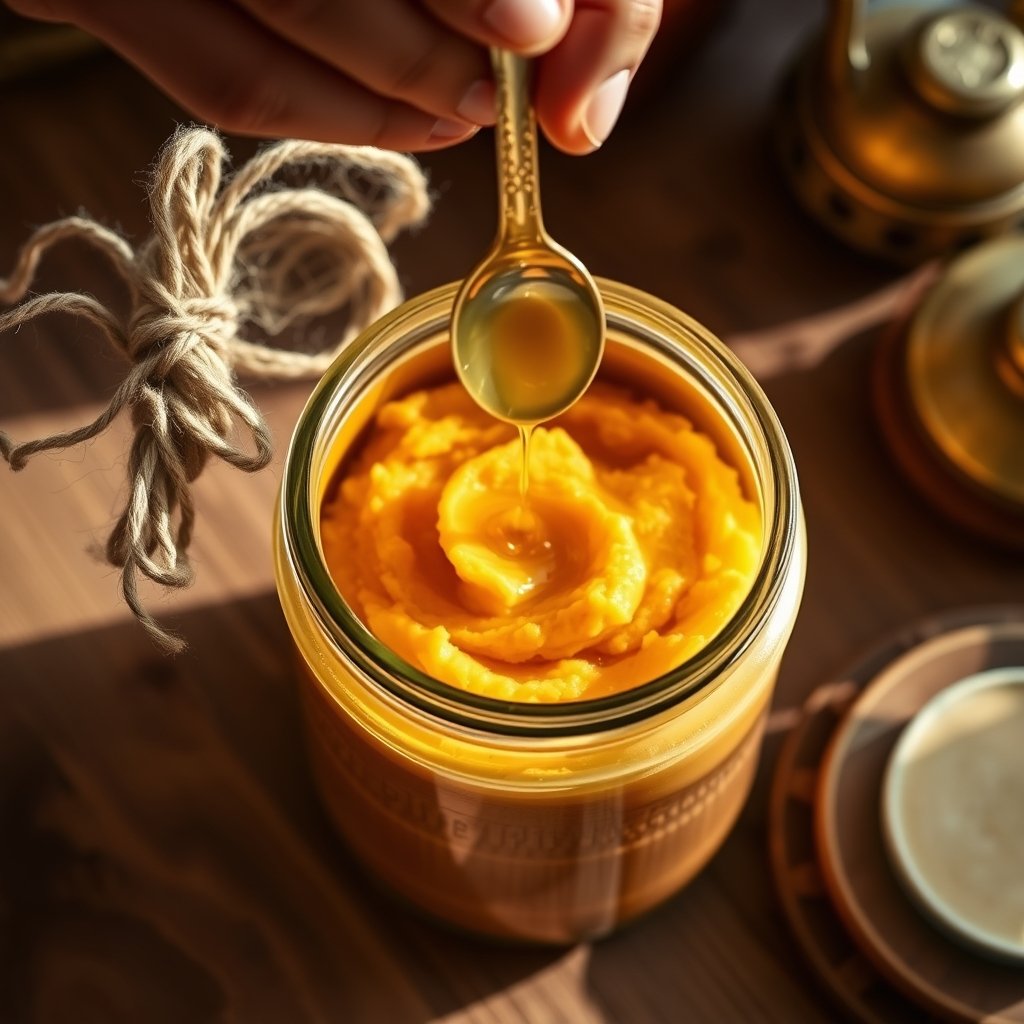 Ghee for Toddlers and Growing Children: A Parent's Guide to Daily Cooking
Learn when and how to introduce A2 Gir cow ghee into your toddler's daily diet, with practical serving…
Ghee for Toddlers and Growing Children: A Parent's Guide to Daily Cooking
Learn when and how to introduce A2 Gir cow ghee into your toddler's daily diet, with practical serving…
-
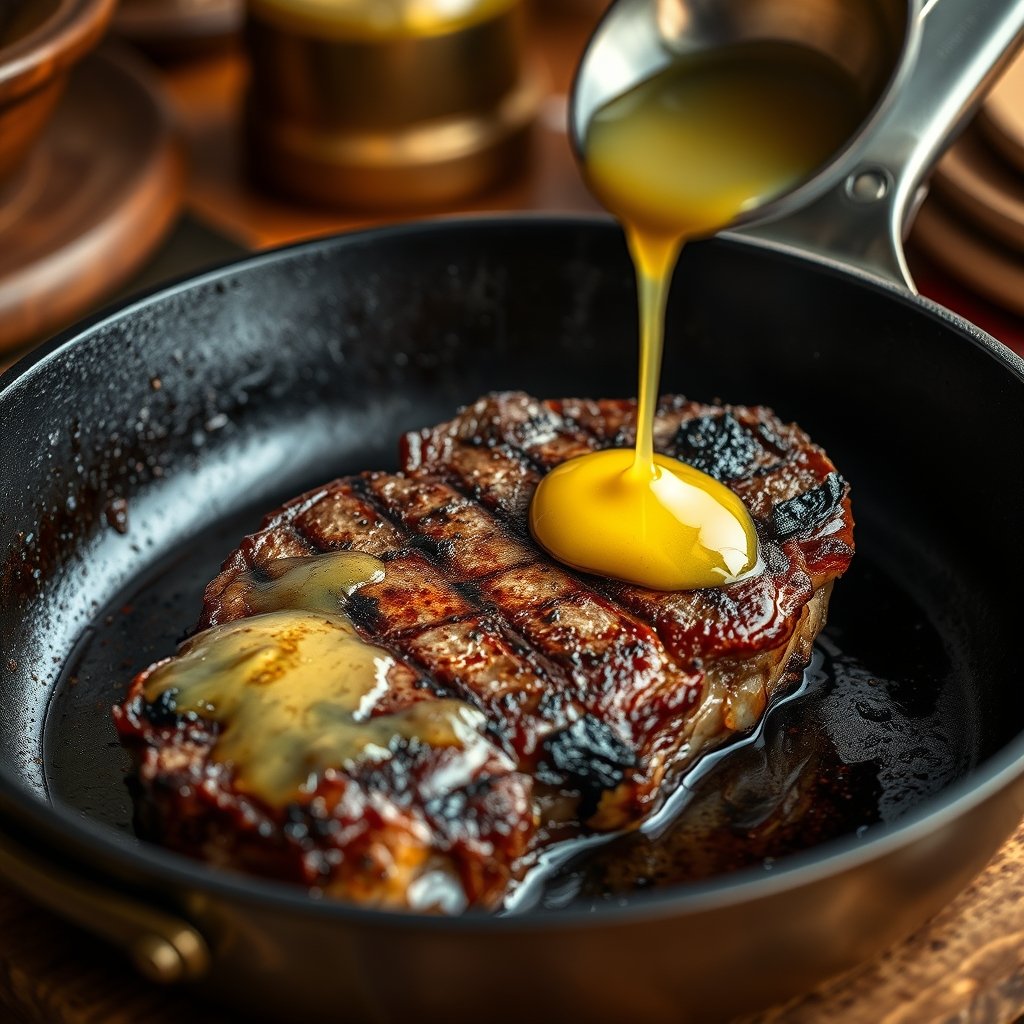 Is Ghee Keto-Friendly?
Yes, ghee is entirely keto-friendly because it is a pure fat source containing virtually zero carbohydrates…
Is Ghee Keto-Friendly?
Yes, ghee is entirely keto-friendly because it is a pure fat source containing virtually zero carbohydrates…
-
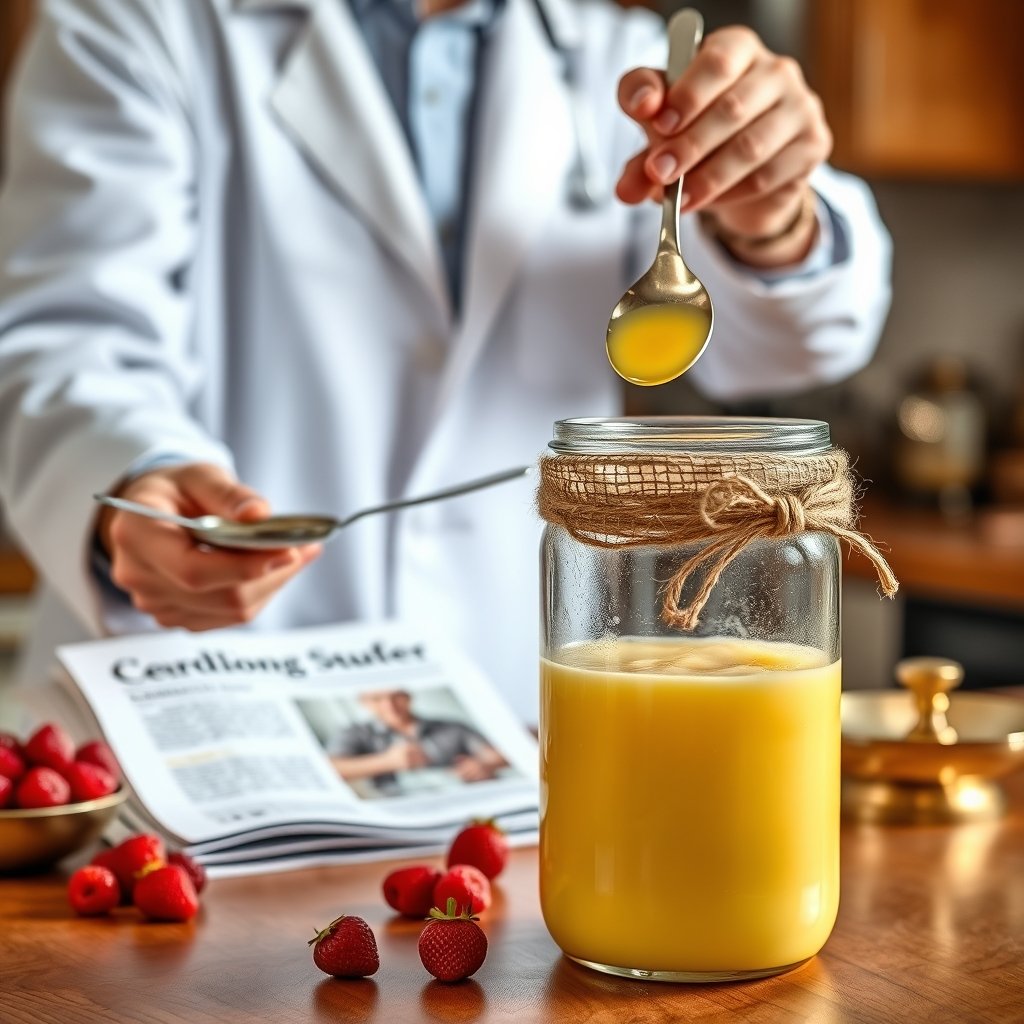 Ghee and Cholesterol: What the Evidence Actually Says
Ghee contains saturated fat and dietary cholesterol, but research and traditional practice show its impact…
Ghee and Cholesterol: What the Evidence Actually Says
Ghee contains saturated fat and dietary cholesterol, but research and traditional practice show its impact…