
How to Use the Last Bit of Ghee in the Jar
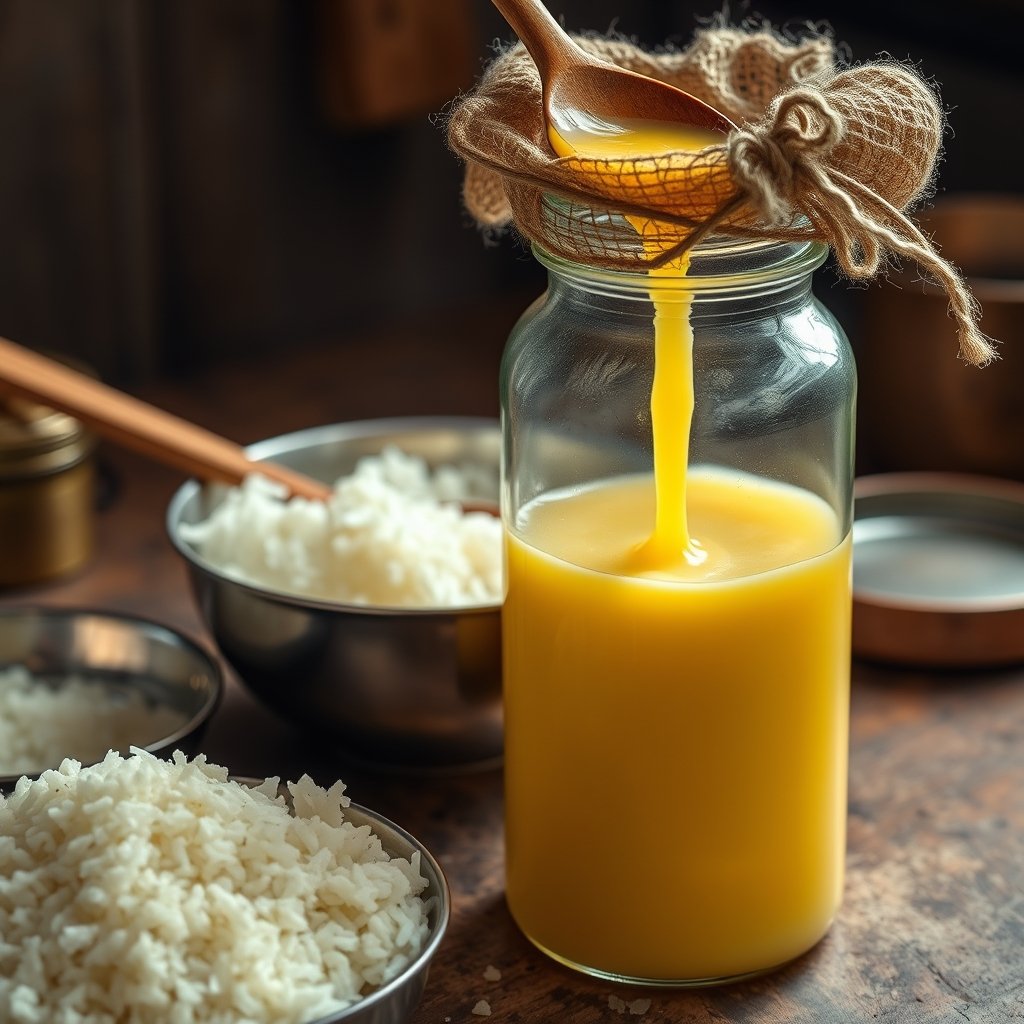
You can collect the last bit of ghee clinging to the bottom and sides of your jar by swirling hot cooked rice, warm milk, or hot water directly inside the container to melt and absorb the remaining fat.
When a jar of traditional A2 Gir cow ghee is nearly empty, a fine film of golden granules usually coats the interior glass walls. Because authentic bilona ghee is made by slow-cooking cultured butter, these final bits carry deep, nutty aromas and caramelised milk solids that are far too valuable to rinse down the sink. Indian home kitchens have long treated the empty ghee container as an opportunity rather than waste, employing simple everyday staples to lift every remaining granule.
Why Should You Save the Residue in a Bilona Ghee Jar?
Traditional bilona ghee is prepared by fermenting A2 Gir cow milk into curd, churned with a bi-directional wooden churn, and then simmered slowly over a gentle flame. This laborious process yields distinct aromatic compounds and a rich granular texture. As you scoop ghee out over weeks of daily cooking, the denser granules and micro-particles of toasted curd solids settle against the glass. Wasting these last remnants means discarding some of the most flavourful portions of the jar. Reclaiming them honors the time-tested craft behind every batch while adding instant richness to your meals.
How Do You Use Steaming Hot Rice to Clean the Jar?
The most common Indian kitchen method for a near-empty ghee jar involves freshly cooked, piping-hot rice. Take a generous scoop of hot basmati or short-grain rice straight from the pot and drop it into the glass jar. Close the lid tightly and gently roll or shake the jar for fifteen to twenty seconds, or use a soft silicone spatula to turn the rice against the inner walls. The heat from the rice quickly softens the settled fat, allowing the grains to coat themselves in warm ghee and toasted solids. Add a pinch of sea salt or roasted cumin powder, turn the rice out into a bowl, and you have a quick, comforting side dish packed with aroma.
Can You Pour Warm Milk or Water into the Leftover Jar?
If you prefer a liquid application, warm liquids work exceptionally well to strip the jar walls clean. Pouring warm, unhomogenised milk directly into the jar, swirling it gently, and stirring with a spoon lifts the settled fat into a rich, fragrant liquid. You can drink this warm milk directly with a pinch of cardamom or turmeric before bed, or use it as the liquid base for a morning bowl of porridge. Alternatively, pouring hot water into the empty jar and swirling it creates a warm emulsion. Use this ghee-infused water to knead your daily roti dough (atta); the dissolved fats yield softer, more pliable chapattis without adding extra oil to the mixing bowl.
Which Residual Cleaning Method Fits Your Cooking Needs?
Choosing the right technique depends on what you plan to cook next and the type of flavor profile you prefer in your meal.
| Method | Best Kitchen Application | Preparation Step | Final Culinary Outcome |
|---|---|---|---|
| Hot Rice Toss | Lunch or quick dinner bowl | Spoon hot rice in, seal jar, roll gently for 20 seconds | Fragrant, lightly salted ghee-rice with rich aroma |
| Warm Milk Rinse | Bedtime drink or cereal liquid | Pour milk heated to 60°C into jar, stir inner walls gently | Warm, soothing spiced milk enriched with natural fats |
| Hot Water Swish | Kneading roti or paratha dough | Swirl near-boiling water inside jar, pour directly into flour | Soft, pliable dough that yields tender flatbreads |
How Does Ayurveda View Using Every Drop of Clarified Butter?
In Ayurvedic cooking, ghee is considered a revered carrier (anupana) that helps transport nutrients and herbs deeper into the body tissues. Traditional texts place great emphasis on mindful consumption and avoiding the waste of wholesome foods (sattvic food). Utilizing warm milk or herbal decoctions to rinse a ghee vessel aligns directly with this principle. A warm drink made by swirling hot water or milk through an empty ghee jar provides a mild, soothing dose of lipids that helps coat the digestive tract, particularly during dry autumn or cold winter mornings.
What Safety Mistakes Should You Avoid When Glass Jars Are Nearly Empty?
While recovering leftover ghee is easy, protecting your kitchen glassware requires care. Never expose a glass ghee jar to direct open flames, hot stove burners, or sudden thermal shock. Pouring boiling water into a stone-cold glass jar in the middle of winter can cause the glass to crack or shatter. Allow cold jars to come to room temperature first, or use comfortably warm—rather than scalding—liquids. Avoid using metallic spoons or harsh scouring pads inside the glass jar while trying to scrape out the last bit, as steel utensils can scratch the glass interior. A flexible silicone spatula or warm liquid will always clean the jar far more effectively and safely.