
Can You Freeze Ghee?
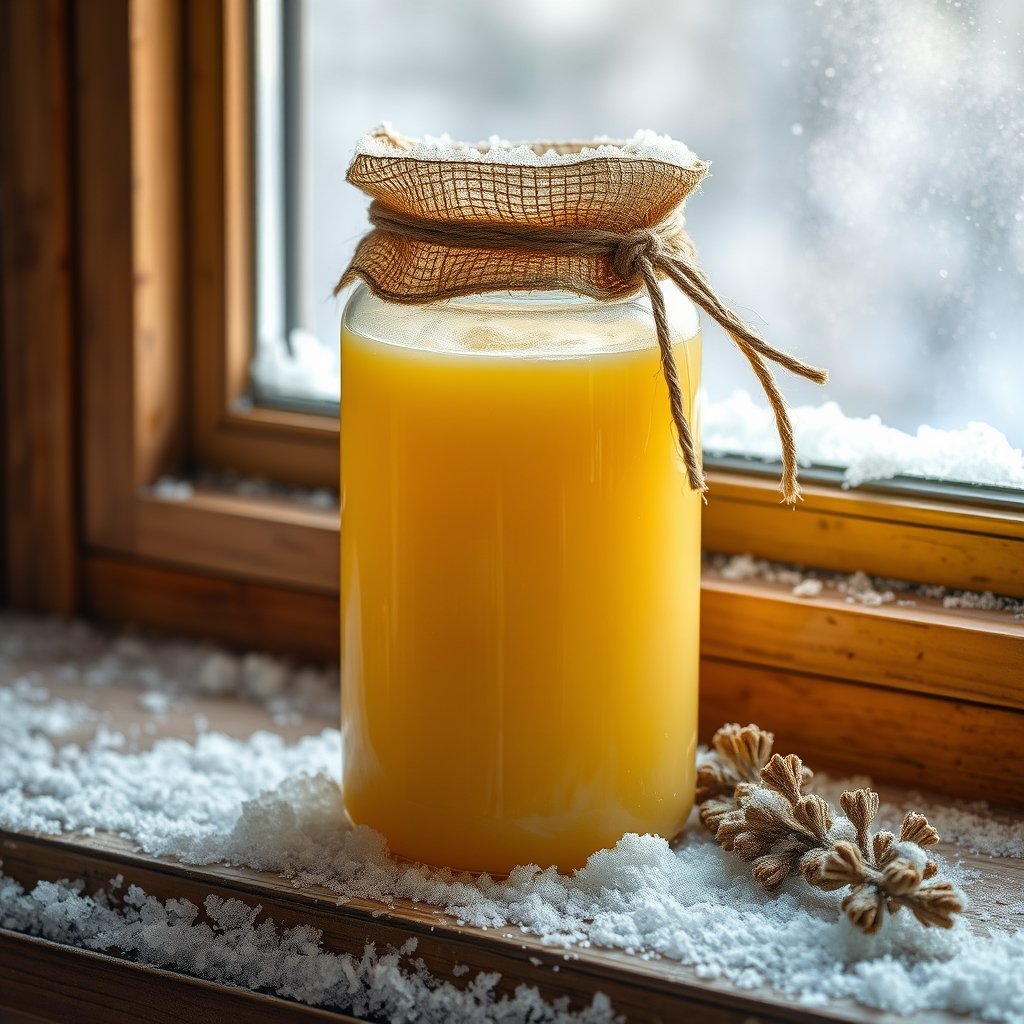
Yes, you can freeze ghee, and doing so extends its shelf life well beyond a year without spoiling its cooking qualities, flavour, or nutritional integrity, though under normal kitchen conditions it is rarely necessary. Because pure A2 Gir cow ghee made through the bilona method contains virtually no water or milk solids, it does not spoil easily at room temperature. Still, freezing is a practical, safe solution for those who buy in bulk, travel often, or want to put aside seasonal batches of traditional cultured ghee.
Why Would You Want to Freeze Ghee?
In most Indian households, a stainless steel or glass jar of ghee sits comfortably beside the stove, ready for a warm roti or a sizzling dal tadka. However, modern buying habits have changed. Many families now order traditional bilona ghee directly from rural farms in larger quantities to save on freight or secure ghee made during winter, when Gir cows graze on fresh green fodder and yield rich, golden milk.
If you have multiple jars and know you will not open the next one for six months or more, placing the sealed excess in the freezer completely pauses the slow oxidation that naturally happens over long periods. It is also helpful for people living in exceptionally humid coastal regions or shared apartments where dark, cool pantry space is limited.
What Happens to Bilona Ghee When It Freezes?
Freezing changes the physical texture of ghee, but not its chemical makeup or cooking properties. When warm or kept at Indian room temperature, authentic bilona ghee settles into a distinct, grainy, or danedar consistency. The slow cooling of different fatty acid chains creates these tiny, pleasant granules that melt instantly on the tongue.
When placed in a freezer, the fat solidifies quickly and uniformly. The ghee turns hard, opaque, and noticeably lighter in colour, often shifting from a warm golden-yellow to a pale butter shade. Because traditional bilona ghee is prepared by simmering cultured curd butter until every drop of water evaporates, there is no loose water inside the jar to expand into jagged ice crystals. As a result, freezing does not break down the structure of the fat or cause watery separation once it warms up again.
How Does Frozen Ghee Compare to Room Temperature Storage?
Deciding whether to freeze your ghee or keep it in the pantry comes down to how quickly your household goes through a jar. Here is how the two methods compare for everyday use:
| Storage Factor | Room Temperature (Pantry) | Freezer Storage |
|---|---|---|
| Shelf Life | 9 to 12 months in a cool, dark cupboard | 18 to 24 months with minimal oxidation |
| Texture | Naturally soft, semi-solid, or pleasantly danedar | Solid, hard block; needs thawing to scoop |
| Convenience | Ready for instant everyday cooking and tadka | Requires planning or small-portion storage |
| Moisture Risk | Low, provided clean dry spoons are used | Moderate during thawing due to condensation |
| Best Used For | Current everyday kitchen jar | Bulk stock, long-term reserves, spare jars |
What Is the Right Way to Freeze Ghee?
Freezing ghee requires just a few precautions to preserve its delicate aroma. Ghee readily absorbs external kitchen odours, so protection against freezer air is essential.
First, consider freezing in portions. If you freeze a full one-litre glass jar, you must thaw the entire container every time you need a top-up, which exposes the fat to repeated temperature fluctuations. Pouring melted, lukewarm ghee into clean silicone ice cube trays or small stainless steel containers allows you to pop out just two or three tablespoons whenever needed for a specific dish.
Second, if you choose to freeze an entire glass jar, leave at least half an inch of headspace at the top. While ghee does not expand as dramatically as water, natural fats still contract and expand slightly with extreme temperature shifts. Ensure the lid forms a tight, airtight seal so the distinct smell of frozen vegetables, spices, or meats cannot seep into the jar.
How Should You Thaw Frozen Ghee for Cooking?
The gentlest way to thaw ghee is to transfer the jar from the freezer into the main refrigerator compartment for twelve to twenty-four hours. This gradual warming prevents heavy moisture condensation from forming inside the rim of the container.
Once it has softened in the refrigerator, bring it out to your kitchen counter to return naturally to room temperature. Avoid microwaving the frozen jar or blasting it over direct high heat to rush the process. Rapid heating can scorch the subtle, nutty fragrance developed during the slow firewood boiling of the bilona method. Once fully thawed at room temperature, the natural danedar grain will return over the next couple of days as the fats equilibrate.
Does Ayurveda Recommend Freezing Ghee?
In classical Ayurvedic cooking, foods are treasured most when fresh, gently warmed, and kept in harmony with daily digestive fire, known as agni. Traditional Vaidyas generally recommend keeping ghee in clean ceramic, brass, or glass containers at natural room temperature, shielding it from direct sunlight and excessive humidity.
Freezing is not considered harmful, but it is seen as an unnecessary modern intervention for daily use. Because pure cultured cow ghee is inherently stable, keeping your active jar in a clean, dry cupboard preserves its living culinary quality and natural aroma without introducing cold dampness or condensation to your daily meals.