
Is All Ghee Lactose Free? What Actually Remains
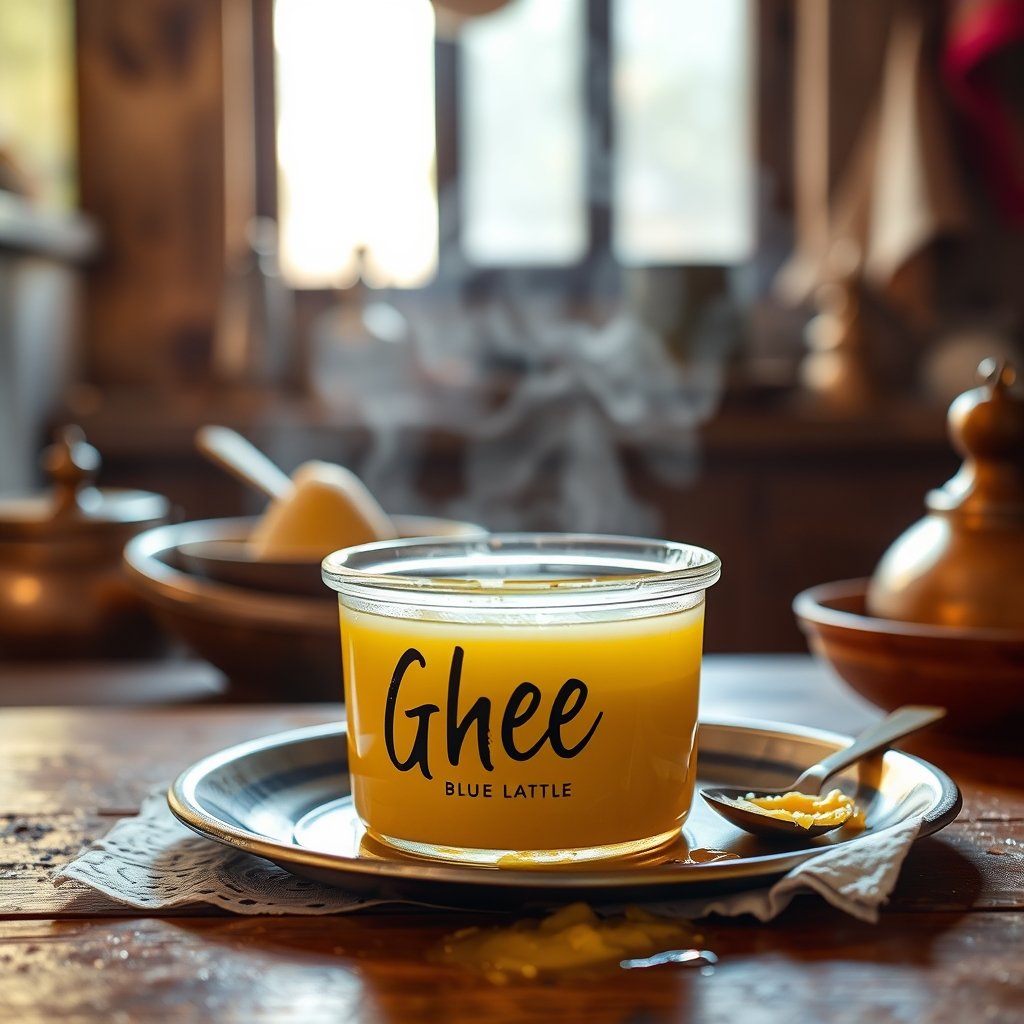
While ghee is naturally very low in lactose, not all ghee is completely lactose-free because tiny trace amounts of milk solids can remain depending on how the fat was clarified and filtered. If you are sensitive to dairy sugars or simply want to understand what goes into your brass pan during everyday cooking, looking closely at how butter turns into golden fat offers a clear answer.
What Happens to Lactose When Butter Turns Into Ghee?
Lactose is the primary sugar found in milk. Because lactose is water-soluble and binds to milk proteins, it resides almost entirely within the liquid whey and milk solids rather than in pure butterfat. When fresh cow milk is collected, it contains roughly four to five percent lactose. When that milk is churned into butter, a large portion of the liquid buttermilk is drained away, taking most of the water and lactose with it.
The transformation from butter to ghee goes one step further through heat clarification. As unsalted butter simmers slowly over a low fire, the remaining water evaporates completely. Without water, the residual milk solids—composed of protein structures like casein and sugar structures like lactose—begin to clump together. Some of these solids rise to the top as a light foam that is skimmed off, while the rest brown slowly and sink to the bottom of the pot. When the clear, aromatic golden oil is strained through fine cloth or mesh into storage jars, those caramelized milk solids are left behind. What lands in your jar is nearly pure butterfat.
Why Does the Bilona Method Leave Even Fewer Solids?
Not all ghee is made from the same starting point. In mass-market production, high-speed mechanical separators extract raw cream directly from fresh milk. This industrial cream is melted and boiled quickly at high temperatures. Because there is no culture step, any lactose originally present in the cream remains until the boiling stage, relying entirely on mechanical straining to remove the solids.
The traditional bilona method used for A2 Gir cow ghee introduces a critical extra step before heating ever begins: natural fermentation. Whole milk from Gir cows is boiled, cooled, and cultured into full-cream curd using a natural starter. During this curdling phase, naturally occurring lactic acid bacteria consume a significant portion of the lactose in the milk, converting those milk sugars into lactic acid.
Once the curd has set, it is churned bi-directionally with a wooden churner (the bilona) to separate fresh makkhan (cultured butter) from the sour buttermilk. Because the lactose was already reduced by fermentation and the buttermilk is thoroughly washed out, the makkhan entering the slow-clarification pot contains substantially less leftover sugar than raw cream. Slow simmering over mild heat then allows the remaining trace solids to brown gently without burning, making it easy to filter out virtually every bit of residue.
How Does Bilona Ghee Compare to Other Dairy Products?
To see how clarification and fermentation change the character of dairy, it helps to compare standard kitchen staples side by side.
| Dairy Product | How It Is Made | Presence of Milk Solids and Lactose |
|---|---|---|
| Whole Cow Milk | Freshly collected and pasteurized whole milk. | High lactose content (approx. 4.5% to 5%) dissolved in liquid whey. |
| Commercial Unsalted Butter | Churned directly from unfermented sweet cream. | Contains about 16% to 18% water and around 1% milk solids containing lactose. |
| Cream-Separated Ghee | Directly boiled raw cream, strained through industrial filters. | Extremely low lactose; small trace solids may remain if boiled rapidly. |
| Traditional Bilona A2 Ghee | Whole milk cultured into curd, hand-churned makkhan, slow-cooked and cloth-strained. | Trace amounts only; fermentation and slow settling remove nearly all solids. |
What Should You Look for in Your Own Kitchen?
For everyday Indian home cooking, understanding what remains in your cooking fat helps you make quiet, sensible choices at the stove. When you spoon a measure of room-temperature bilona ghee into a warm skillet for a mustard-seed tadka or fold it into warm rotis, you will notice its clean aroma and characteristic grainy texture.
Because bilona ghee is clarified until the water content reaches zero and the solids are fully strained out, it behaves differently from butter. It does not sputter violently when heated, nor does it scorch easily at medium frying temperatures. The browning of the milk solids during the final minutes of simmering gives the oil its warm, nutty scent without leaving actual charred residue in the finished jar.
If you have severe dairy allergies or severe lactose intolerance, it is always best to consult a medical professional who understands your specific threshold. However, for those who simply seek a traditional, digestible cooking medium rooted in classical Indian kitchens and centuries of Ayurvedic kitchen practice, traditional A2 Gir cow bilona ghee remains one of the cleanest, most pure forms of butterfat available.