
Ghee for People Who Avoid Dairy: Where the Line Is

Ghee is made from cow milk, which means it is not strictly dairy-free, but because the clarifying process removes virtually all water and milk solids, many people who avoid conventional dairy can comfortably eat it.
Understanding where this line sits depends entirely on why you avoid dairy in the first place. For someone navigating lactose intolerance, ghee is usually gentle and well tolerated. For someone with an anaphylactic dairy allergy, even minute traces of dairy proteins mean ghee remains off-limits. Looking closely at how milk components behave during cooking helps make this distinction clear.
Is ghee considered a dairy product?
Yes, ghee is technically a dairy product because its origin is cow milk. In regulatory and culinary terms across India and the world, any product derived directly from the milk of an animal belongs to the dairy family. If you follow a strict vegan diet or avoid dairy out of an ethical choice not to consume animal-derived foods, ghee does not fit into that boundary.
However, from a compositional standpoint, ghee behaves very differently from liquid milk, cream, paneer, or fresh butter. Whole milk is an emulsion of water, butterfat, carbohydrates (chiefly lactose), and proteins (casein and whey). When milk is turned into ghee, the goal is to strip away the water and the non-fat milk solids, leaving behind nearly pure fat. Because the elements of dairy that trigger typical digestive distress are concentrated in those removed solids, ghee sits in a unique grey zone for people with everyday sensitivities.
What is the difference between a dairy allergy and lactose intolerance?
People often use the term dairy sensitivity loosely, but a milk allergy and lactose intolerance are physiologically distinct conditions that determine whether ghee is safe for you.
Lactose intolerance is an enzyme deficiency in the digestive tract. When your body does not produce enough lactase, it cannot break down lactose, the sugar found in milk. Undigested lactose travels to the large intestine, causing gas, bloating, and cramping. Because lactose is water-soluble, it resides in the watery, liquid portion of milk rather than the butterfat.
A dairy allergy is an immune reaction. Here, the immune system mistakenly identifies milk proteins—predominantly casein or whey—as harmful invaders, releasing histamines and triggering symptoms that can range from hives to respiratory distress. Even microscopic protein residues can provoke an immune response in severely allergic individuals.
How does the traditional bilona method handle milk solids?
In the traditional Indian bilona method, whole milk from A2 Gir cows is not simply separated into cream and clarified. First, the milk is boiled and allowed to cool before being cultured into whole curd. This fermentation step is critical: lactic acid bacteria naturally consume a significant portion of the lactose present in the milk, converting it into lactic acid.
The curd is then churned using a wooden bilona to separate the butter (makkhan) from the buttermilk. Most of the remaining milk sugars and whey wash out with the buttermilk. Finally, the butter is slowly simmered in an open vessel over low heat. As the temperature rises, water evaporates, and the residual casein and whey curdle, turn golden-brown, and sink to the bottom or rise as foam.
Once the ghee develops its characteristic nutty aroma, it is filtered through a fine cloth or mesh. The browned milk sediment is left behind, leaving a golden, aromatic fat with only minute, incidental traces of milk solids.
How does ghee compare to standard butter?
While butter contains enough water and milk solids to trouble sensitive stomachs, ghee has these elements deliberately cooked out.
| Characteristic | Standard Butter | Traditional Bilona Ghee |
|---|---|---|
| Lactose Content | Contains roughly 0.5 to 1 gram per tablespoon | Practically negligible; removed during simmering and filtration |
| Casein and Whey | Present in noticeable quantities | Precipitated out as browned solids and strained away |
| Water Content | Approximately 16 to 18 percent | Less than 0.5 percent |
| Suitability for Lactose Intolerance | Can trigger symptoms in moderate to severe cases | Generally tolerated well by most individuals |
| Suitability for Severe Milk Allergy | Unsafe | Unsafe due to possible trace proteins |
| Smoke Point | Around 175°C (burns quickly) | Around 250°C (stable for high-heat cooking) |
What does ayurvedic cooking say about ghee for digestion?
In classical ayurveda, ghee—known as ghrita—is regarded as an exceptional cooking medium precisely because it is seen as calming to the digestive fire (agni) without burdening it. While raw, cold milk is considered heavy (guru) and difficult for weak digestion to process, cultured ghee is considered light (laghu) and easily absorbed.
Traditional Indian households have long relied on this principle. If a family member struggles with rich dairy like rabri, kheer, or fresh paneer, simple khichdi or warm dal tempered with a small spoonful of bilona ghee is often still served. The slow culturing and simmering transformation changes the food's physical properties, turning a heavy dairy base into a clarifying fat that lubricates the gut without the damp, mucus-forming qualities associated with chilled milk.
Where should you draw your personal line?
If you have been diagnosed with a true milk protein allergy, the line is firm: do not consume ghee, as home and artisanal filtration methods cannot guarantee absolute zero-protein isolation.
If your avoidance is driven by lactose intolerance or general digestive sluggishness around dairy, the line is much more forgiving. Most people with lactose issues discover that half a teaspoon of well-made A2 bilona ghee stirred into hot rice or warm vegetables causes none of the discomfort brought on by a splash of milk or a pat of butter. If you choose to try it, start with a very small quantity in a warm meal to see how your body responds.
Taste the difference
Small-batch A2 Gir cow ghee, hand-churned to order and delivered across India. Read how we make it if you want the detail first.
Order a jarKeep reading
-
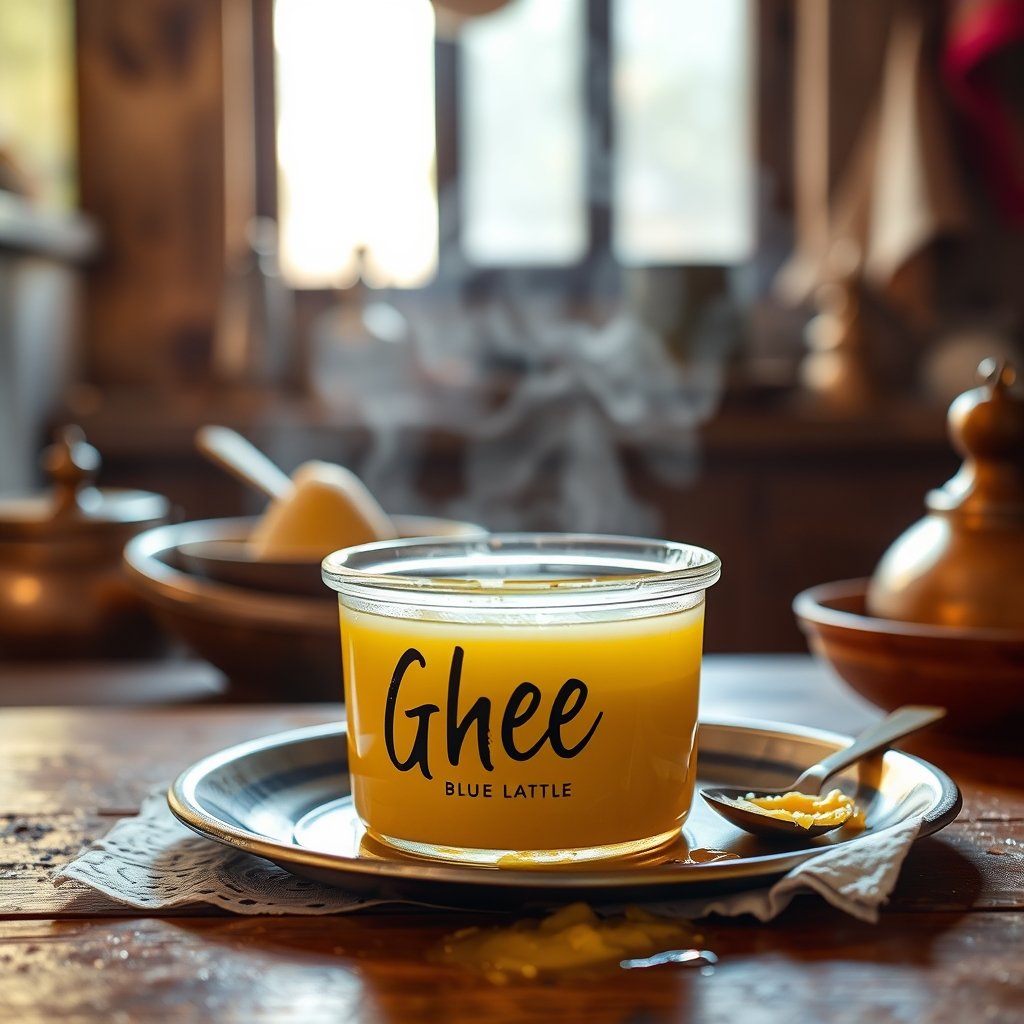 Is All Ghee Lactose Free? What Actually Remains
Discover how much lactose actually remains in ghee, how the traditional bilona method separates milk solids…
Is All Ghee Lactose Free? What Actually Remains
Discover how much lactose actually remains in ghee, how the traditional bilona method separates milk solids…
-
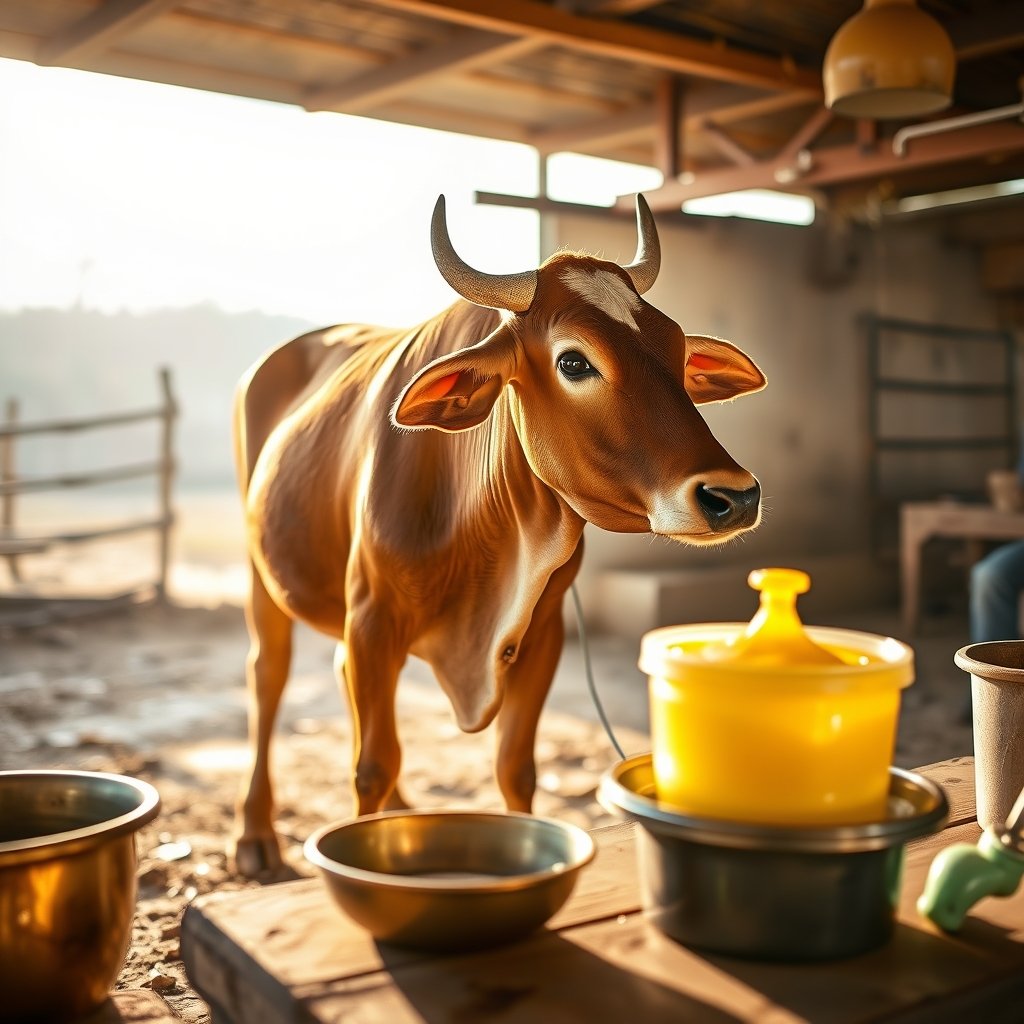 What Makes Gir Cows Different From Crossbred Dairy Cattle
Explore the anatomical, genetic, and milk profile differences between Gir cows and crossbred cattle, and why…
What Makes Gir Cows Different From Crossbred Dairy Cattle
Explore the anatomical, genetic, and milk profile differences between Gir cows and crossbred cattle, and why…
-
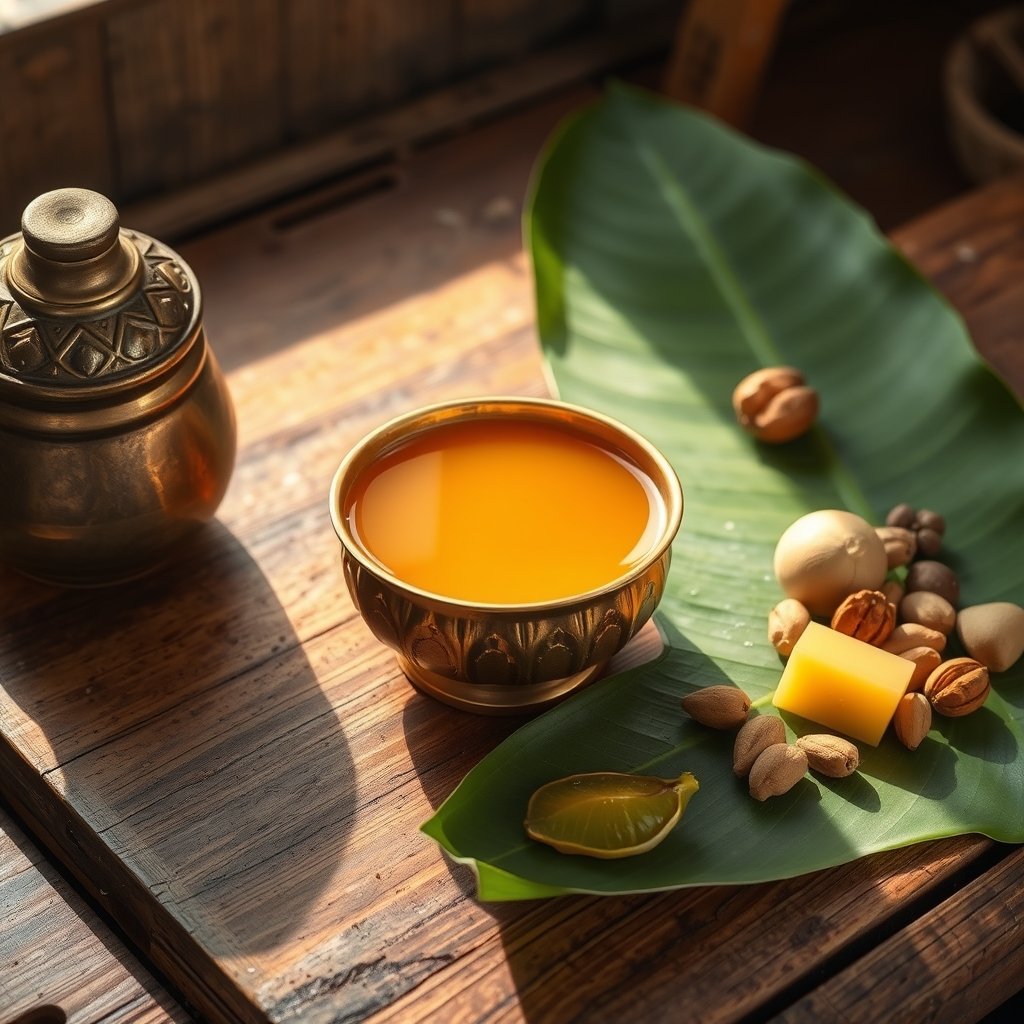 What "Sattvic Food" Means, and Where Ghee Sits
Discover the true meaning of sattvic food in Ayurveda and learn why traditional bilona-churned A2 Gir cow…
What "Sattvic Food" Means, and Where Ghee Sits
Discover the true meaning of sattvic food in Ayurveda and learn why traditional bilona-churned A2 Gir cow…