
Cow Welfare in Indian Dairy: Care, Feeds, and Retirement
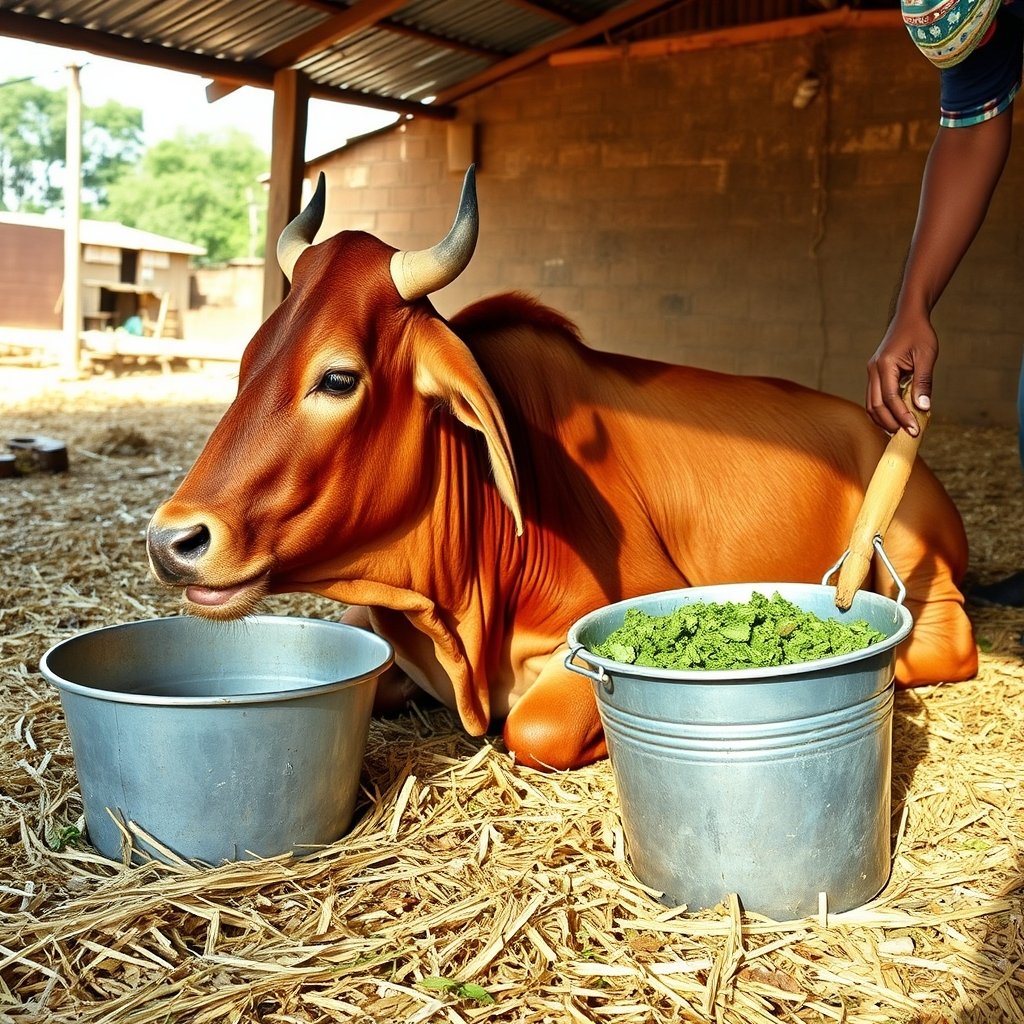
Cow welfare in Indian dairy is defined by how smallholder households and specialized farms manage housing, feed quality, medical care, and non-milking cattle. In traditional rural structures, cattle care reflects a balance between agricultural economics, seasonal fodder availability, and local sanctuary traditions.
Who manages cattle in the Indian dairy sector?
Most milk in India comes from smallholder farming families keeping one or two animals alongside crop land, alongside larger private farms and community gaushalas. Family herds often integrate cattle directly into daily crop farming, using crop residues as fodder and returning manure to fields. In larger commercial operations, animals live in dedicated sheds with specialized feeding troughs and milking areas. Across all these setups, daily welfare depends heavily on local climate, shade access, scrub land grazing, clean drinking water, and timely veterinary support.
Why do economics push non-milking cows out early?
Maintaining a cow requires continuous daily expenditure on green fodder, dry straw, concentrate feeds, clean water, and veterinary visits. When a cow stops producing milk due to age or health changes, her daily feed costs continue even though household income from milk ends. For small farming families operating on tight household budgets, paying for daily feed for a non-milking animal can strain family finances. As a result, non-milking animals are sometimes turned out onto roads or public lands, where they risk traffic injury and consume plastic waste while searching for food scraps.
How do conventional and lifetime welfare farms compare?
The long-term care of dairy cattle varies significantly depending on whether a farm operates on commercial milk cycles alone or on lifetime shelter principles.
| Welfare Aspect | Commercial Dairy Practice | Lifetime Care Model |
|---|---|---|
| Post-Milking Care | Cows are frequently sold or transitioned off the farm once milk production ceases. | Cows remain on the farm with shelter, feed, and medical care for their natural lifespan. |
| Fodder & Diet | Feed is adjusted primarily according to current milk output and lactation cycles. | Nutritional support continues regardless of milk yield or reproductive status. |
| Veterinary Attention | Medical treatments focus heavily on milk productivity and breeding health. | Routine checkups and geriatric care continue throughout the animal's entire life. |
What happens when a cow stops giving milk?
On farms committed to lifetime responsibility, a cow that stops giving milk continues to live in her familiar shed alongside the rest of the herd. At Organic Farmz, a cow that stops producing milk remains on our farm with the exact same feed, shade, space, and medical care she received while milking, and she is never sold on. Her daily routine remains unchanged, allowing her to live peacefully without the stress of displacement or changes in herd social structures.
How does shelter care address street cattle safety?
Cows roaming public roads face constant hazards, including vehicle collisions and the ingestion of synthetic waste that clogs their digestive systems. Beyond our own herd, our long-term plan includes establishing a chain of Organic Farmz gaushalas across multiple locations to rescue street cattle injured in traffic or suffering from plastic ingestion. This rescue model relies on dedicated shelter spaces, medical rehabilitation, and continuous feeding programs funded by community contributions. Readers who wish to support feeding, medical treatment, and shelter expansion for abandoned cattle can learn more about our Gau Seva work and contribute directly via UPI or bank transfer on our site.
Taste the difference
Small-batch A2 Gir cow ghee, hand-churned to order and delivered across India. Read how we make it if you want the detail first.
Order a jarKeep reading
-
 How to Know If Milk Is Ethical: Check Animal Care
An ethical dairy allows calves their share of milk, keeps non-milking cows for life, avoids forced breeding…
-
 Gau Seva Meaning: Lifetime Care for Cows Beyond Milk
Gau Seva means serving and providing lifelong shelter, feed, and medical care to cows regardless of whether…
-
 When a Cow Stops Milking: She Stays on the Farm
When a cow stops giving milk, standard dairies often sell her, but on our farm she remains housed, fed, and…


