
When a Cow Stops Milking: She Stays on the Farm

When a dairy cow stops giving milk, standard commercial dairies generally sell or remove her to manage feed expenses, whereas on our farm she stays housed, fed, and medically cared for throughout her natural life.
What happens to dairy cows when they stop giving milk?
In most conventional milk production operations, a cow that no longer gives milk is considered an unproductive overhead cost. Daily feed, clean water, shed maintenance, and veterinary support require ongoing financial expenditure, so commercial farms frequently sell non-milking animals to livestock markets or traders to make room for younger milking cows.
How are non-milking cows handled in standard dairies versus ethical farms?
The operational philosophy regarding non-milking animals differs significantly between high-volume commercial dairies and traditional, welfare-focused farms. The table below outlines how retired cows are managed across both systems.
| Care Aspect | Standard Commercial Dairy | Organic Farmz Farm Model |
|---|---|---|
| Shed & Housing | Removed from facility to free space | Kept in the same shed alongside the herd |
| Daily Nutrition | Feed reduced or discontinued | Identical nutrition and clean fodder maintained |
| Medical Care | Minimal or withdrawn | Full veterinary support throughout natural life |
| Ownership | Sold, auctioned, or handed over | Retained permanently without being sold on |
What happens to cows on the Organic Farmz farm when milk production ends?
When an A2 Gir cow on our farm finishes her milking years, her living situation does not change. She stays in the same shed, receives the exact same fodder and clean water, and continues to receive regular medical examinations from our veterinary staff. We do not sell our cows to outside buyers or remove them from the farm when their milk yield ends, ensuring they live out their natural lives in safe, familiar surroundings.
Why is long-term care for non-milking cows essential in traditional dairy farming?
Indian home cooking and traditional ayurvedic practice have always viewed dairy cattle as long-term partners rather than temporary industrial resources. When producing pure A2 Gir cow ghee using the traditional bilona method—where curd is churned bi-directionally to separate butter before slow-cooking—the ethical treatment of the animal directly reflects the integrity of the farm. Maintaining cows through their senior years preserves the ethical foundation of traditional gavyasiddha and dairy care.
How does Organic Farmz plan to help stray and injured street cows?
Beyond our own herd, we acknowledge the growing issue of abandoned street cows that suffer traffic injuries, ingest plastic, and lack basic medical care. Our long-term plan includes building a chain of dedicated gaushalas across multiple regions to rescue and shelter these vulnerable street animals. While this expanded shelter network is an ongoing initiative rather than an existing multi-city chain, supporting these animals remains a central priority for our business model.
Maintaining lifetime shelter and veterinary care for senior herd members and rescued street animals requires continuous resources. If you would like to support feed, shelter, and medical care for these animals, you can contribute directly using UPI or bank transfer by reading about our Gau Seva work.
Taste the difference
Small-batch A2 Gir cow ghee, hand-churned to order and delivered across India. Read how we make it if you want the detail first.
Order a jarKeep reading
-
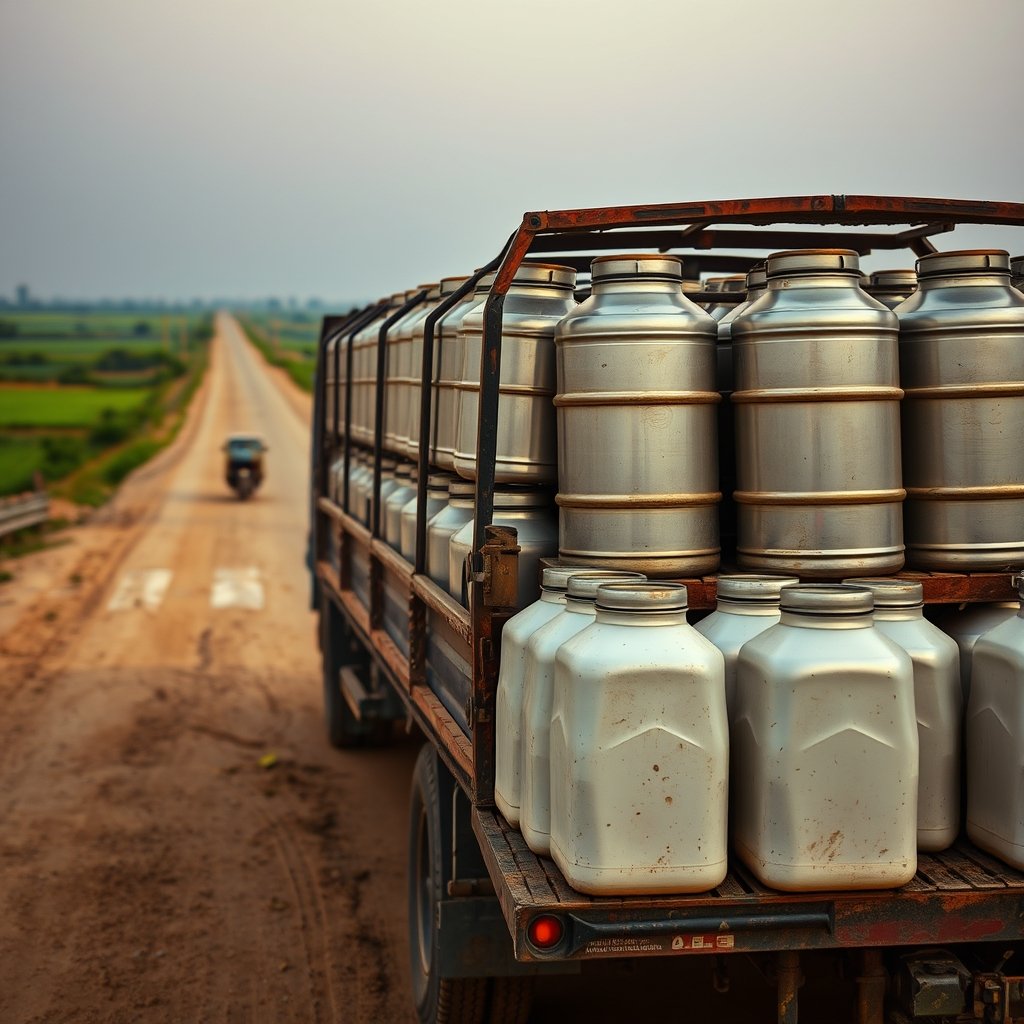 Dairy Farms Near Delhi: Milk Comes From Haryana and UP
Most Delhi NCR milk is sourced from Haryana, western Uttar Pradesh, and Rajasthan through large collection…
-
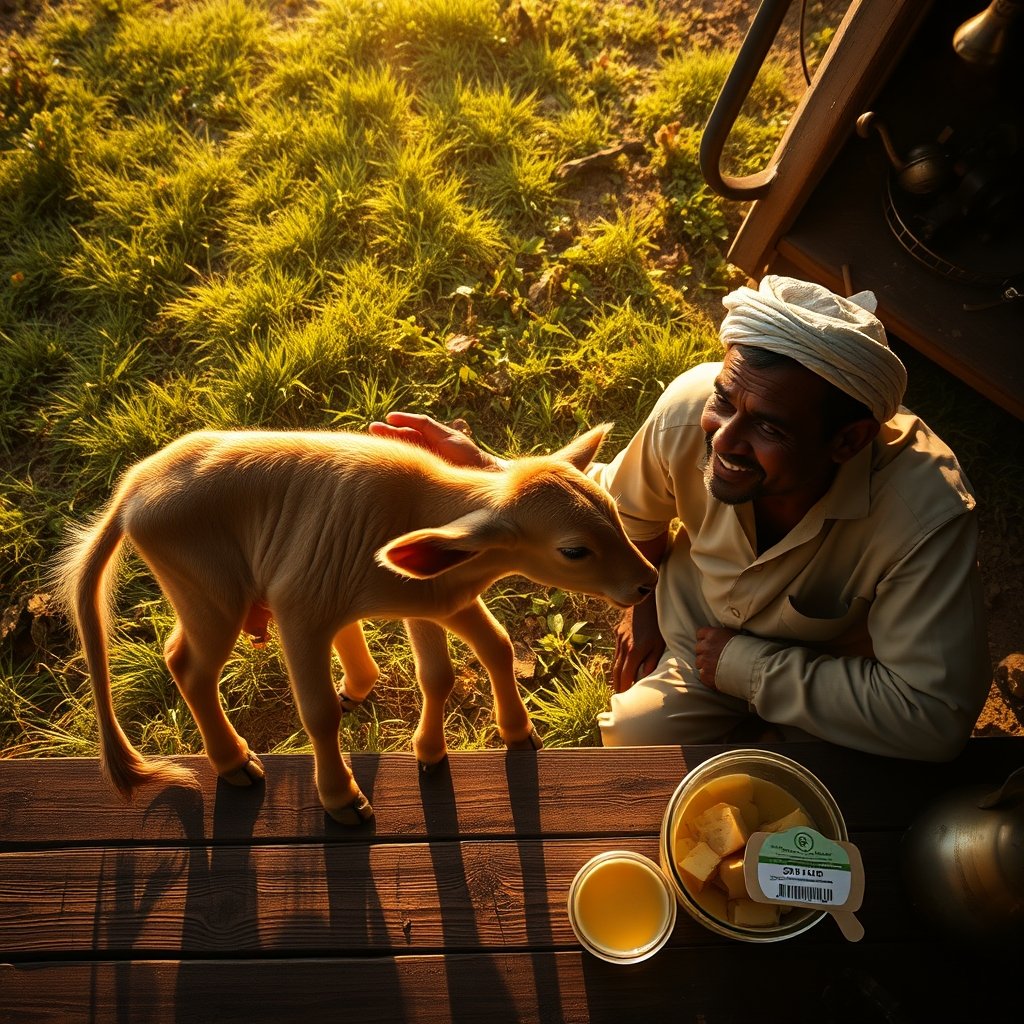 Why We Let Calves Drink First
Discover why allowing the calf to feed first is the cornerstone of ethical A2 dairy. Learn how this…
-
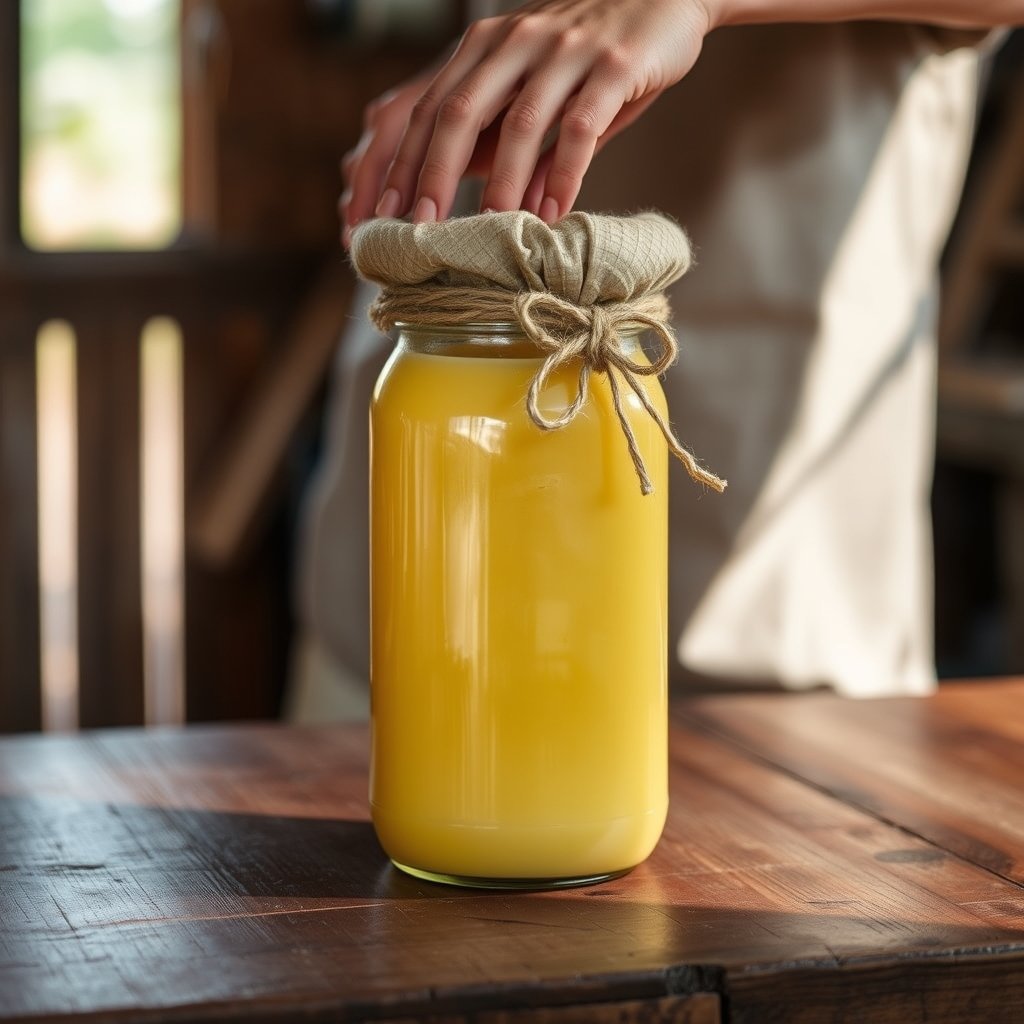 Buying Ghee Straight from the Maker: Fresher Batches
Buying ghee direct from the maker gets you jars churned days ago and direct support, but you trade away…


